Why Gaming Leagues Are the Future of Online Competitions
25 April 2026
Let’s face it, we live in a world where pixels are becoming power—and gaming leagues? Oh yeah, they’re leading the charge. Remember when online multiplayer was just a bunch of friends shooting zombies or racing go-karts? Fast forward to today—gaming has gone pro, and it’s not slowing down anytime soon. Competitive gaming, or esports, has morphed into a massive ecosystem with leagues that are just as intense as the NBA or Premier League. If you’re wondering why gaming leagues are the future of online competitions, buckle up, you’re in for a ride.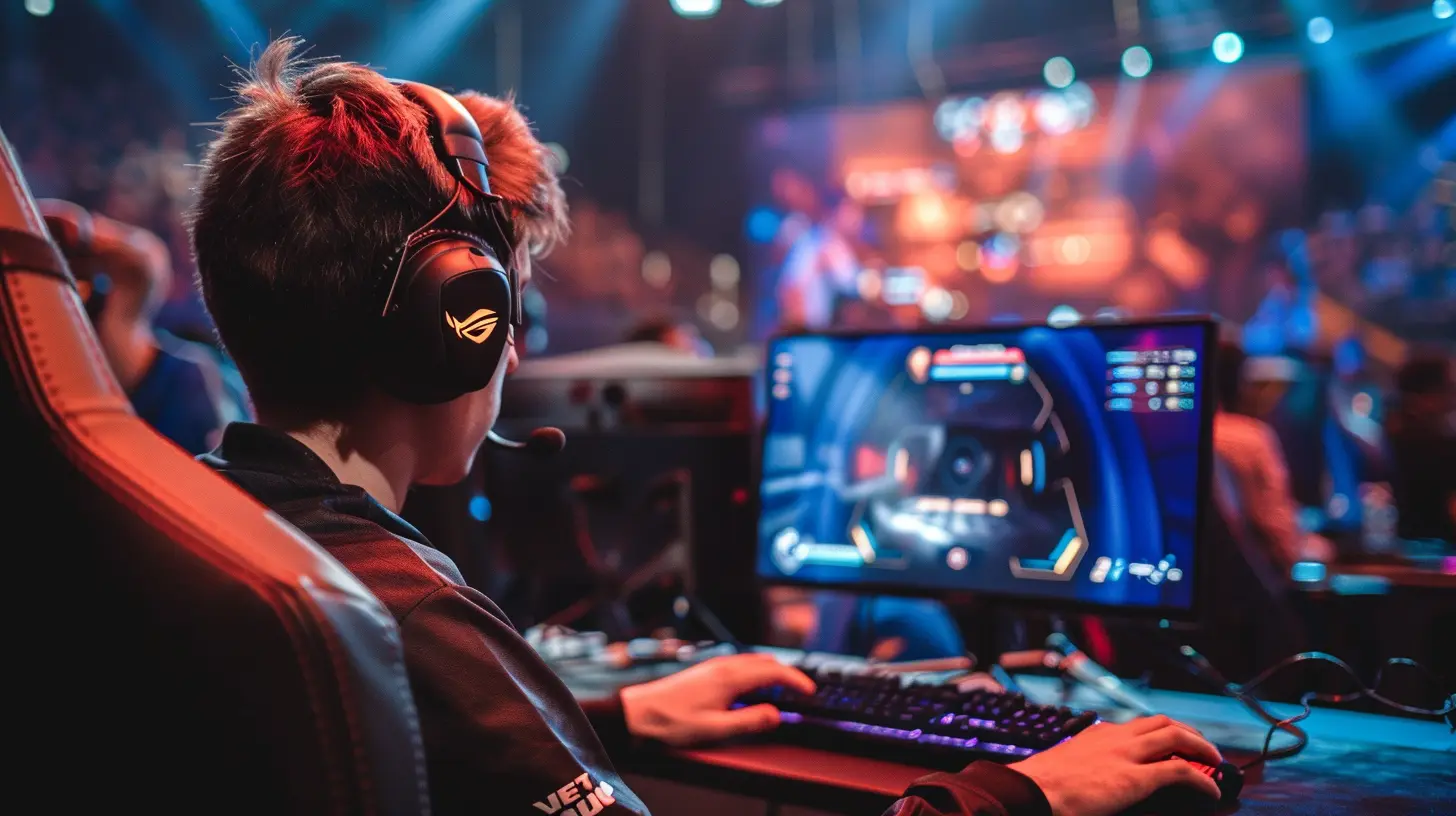
The Rise of Competitive Gaming: More Than Just a Hobby
Once upon a time, video games were something you did on a rainy day. Now? They’re shaping careers, structuring seasons, and selling out arenas. Seriously—people are now earning six-figure salaries to play games competitively. That’s wild, right? But it doesn’t stop there.Gaming leagues have introduced structure to the chaos that was once casual online play. There are set seasons, team drafts, sponsorship deals, and even player trades. It’s no longer just about being the best player in your neighborhood… it’s about being the best in the world.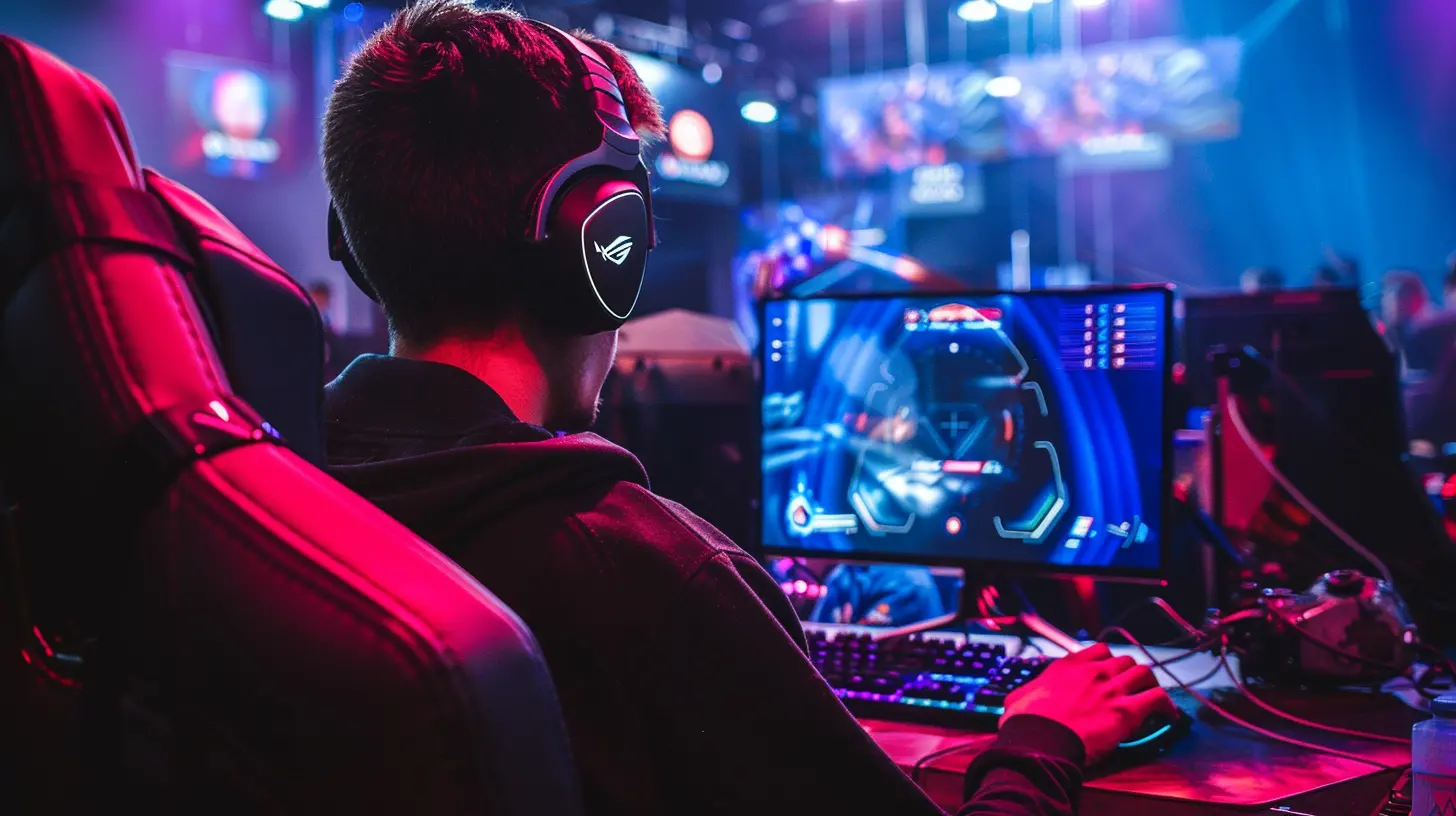
Why the League Format Works (And Why It’s So Addictive)
Ever notice how sports fans are so hooked on the NFL, NBA, or Premier League? It’s not just about the game—it’s the stories, the rivalries, the underdog victories, and the heartbreaks. Gaming leagues bring that same energy to the digital battlefield.Leagues offer:
- Seasonal storylines that keep fans coming back.
- Team loyalty that drives a strong sense of community.
- Playoff pressure that adds adrenaline-pumping excitement.
It’s basically your favorite Netflix drama… but better and live.
A Level Playing Field = True Competition
One of the most beautiful things about gaming leagues is the equality of opportunity. Unlike traditional sports, you don't need to be tall, strong, or fast—you just need skills, strategy, and the will to practice.If you've got a gaming PC, good Wi-Fi, and determination, you can climb the ranks. That accessibility has birthed a new generation of competitors from all walks of life. Whether you're an introvert from a small town or a city-dweller with big dreams, the arena is wide open.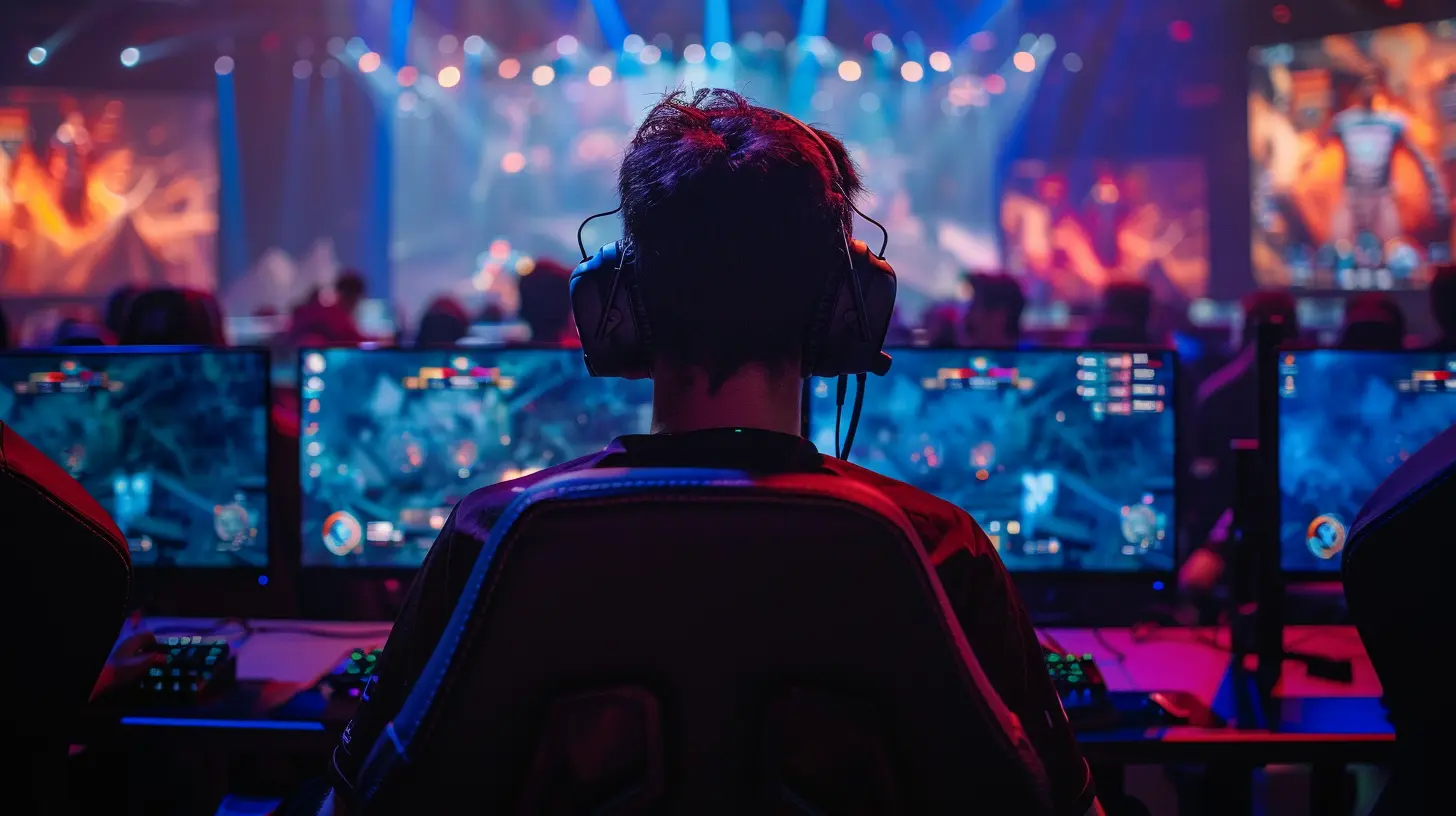
A Global Stage With Endless Potential
Gaming leagues throw geographical limits out the window. You could be in Brazil, South Korea, the US, or anywhere else with a connection—and still compete against the best. That kind of global reach is rare in traditional sports (outside of the Olympics or World Cup), but esports make it happen daily.Plus, thanks to streaming platforms like Twitch and YouTube Gaming, fans from every continent can follow matches live. This global access expands the fanbase, brings in sponsors, and elevates gaming to a whole new level. It’s the internet’s ultimate global coliseum.
Massive Prize Pools and Sponsorships
Let’s talk money—because gaming leagues are making it rain.Dozens of games now offer millions in cash prizes. Leagues like the League of Legends Championship Series (LCS), Overwatch League, and Call of Duty League are backed by media giants, corporate sponsors, and countless merchandise opportunities. The 2021 Dota 2 tournament, The International, had a prize pool of over $40 million. Yes, million.
And here’s the magic: all this money doesn’t just go to the top 1%. Teams, content creators, coaches, analysts, and even community modders are carving out full-time careers. The gaming league ecosystem supports a legit industry.
The Evolution of Teams and Franchising
Remember when esports teams were just a bunch of friends with gamer tags like “DragonSlayer99”? Not anymore. Gaming leagues have gone full pro. We’re talking coaches, analysts, PR reps, and full-fledged training facilities.Franchising in games like Overwatch and Call of Duty has taken a page straight out of the traditional sports playbook. Cities are now represented by teams (just like the NFL), brand sponsors are backing them, and fan bases are growing city-by-city. This setup gives long-term stability and encourages investment—which is exactly what keeps a league thriving in the long run.
Viewer Engagement Like Never Before
Watching esports isn’t like watching traditional TV—it’s interactive, raw, and happening in real-time.Viewers can chat with streamers, vote on outcomes, and even influence in-game decisions during charity matches or community streams. That level of involvement turns passive fans into active participants. It’s like being on the bench while still in your pajamas.
Plus, platforms like Twitch and YouTube offer 24/7 content. Want coaching tips? Done. Curious about a player’s pre-game routine? There’s a vlog for that. Gaming leagues don’t just offer a few hours of entertainment—they offer a lifestyle.
Inclusive and Diverse (And Still Growing)
Gaming leagues are making strides in inclusivity. Women’s tournaments, LGBTQ+ friendly communities, accessibility options for disabled gamers—there’s space for everyone.This level of outreach is turning esports into one of the most inclusive competitive environments out there. While there’s still work to be done (like everything else), the groundwork is being laid for a future where everyone’s welcome to climb the ladder.
And we’re not just talking about players. Casters, team managers, graphic designers, journalists—there’s room for all kinds of talent. If you have a passion for gaming, there’s likely a role for you in this industry.
Technological Growth Is Fueling the Fire
Let’s break it down. With the rise of VR, better internet infrastructure (hello, 5G), and cloud gaming, the future is looking shinier than ever.Imagine this: virtual stadiums, fully immersive esports experiences, AI-powered training bots… we’re barely scratching the surface. Gaming leagues are built to adapt and innovate—and that’s why they’ll dominate the future of competition.
Mental Agility, Teamwork, and Strategy
Gaming leagues aren’t just about reflexes—they’re about quick decision-making, strategy, and communication.You know how people always say chess builds your brain? Competitive gaming is like that… but at lightning speed. Players must read opponents, execute flawless team coordination, and adjust strategies within seconds.
In gaming leagues, mental gymnastics are just as crucial as mechanical skills. That’s why we’re seeing more trainers, mental health coaches, and even dietitians jumping into the mix. It’s serious business, and it’s only going to get more refined.
Gaming Leagues Are Shaping the Next Generation
Ever met a 10-year-old who wants to be a Fortnite champ when they grow up? Yeah, that’s the world we live in now. And it’s awesome. Gaming leagues give young players something to aspire to.With the rise of amateur leagues, college esports programs, and high school tournaments, the pipeline is already forming. We’re witnessing the birth of a career path that didn’t even exist two decades ago.
Parents are starting to see the value. Schools are investing. Sponsors are paying attention. The future isn’t just knocking—it’s already opened the door and made itself at home.
It’s More Than a Game—It’s a Community
At the heart of it all, gaming leagues create a sense of belonging.Whether you’re a die-hard fan, a rookie looking to improve, or just someone who likes to watch the chaos unfold, there’s a spot for you. You’ll find Discord channels buzzing with strategy talk, fan art flooding Twitter, and Twitch chat scrolling faster than light. It’s vibrant, electric, and alive.
Gaming isn’t lonely anymore. It’s the digital playground of the 21st century, and leagues are the heartbeat that keeps it pumping.
So, What’s Next?
Gaming leagues are still evolving. New titles are launching, more sponsors are entering, and technology is constantly improving. The line between virtual and reality is blurring faster each year.Are they the future of online competition? Absolutely. But more than that, they’re the future of entertainment, community, and even career development.
If you haven’t already immersed yourself in this world—whether as a player, fan, or creator—it’s not too late. Join a league, follow a team, or just stream a few matches. One thing’s for sure… this isn’t just a trend. It’s a movement.
Final Thoughts
The momentum behind gaming leagues isn’t slowing down. In fact, we’re just getting started. With global access, limitless growth potential, and an ever-widening community, they’re not only changing how we compete online—they’re reshaping culture itself.So the next time someone tells you gaming is “just a waste of time,” smile, hand them a controller, and show them the league schedule.
The future is digital. The future is competitive. The future is gaming.
all images in this post were generated using AI tools
Category:
Gaming LeaguesAuthor:

Pascal Jennings
Discussion
rate this article
2 comments
Coral Roberson
Gaming leagues? Please, they’re just the ultimate playgrounds for the digital elite. Bring it on!
April 28, 2026 at 2:22 AM
Pascal Jennings
I get where you're coming from, but gaming leagues are opening doors for everyone. It's about inclusivity, not just competition. Let's see where this goes.
Jace Hubbard
Gaming leagues aren’t just the future; they’re the ultimate evolution of competitive entertainment.
April 25, 2026 at 4:29 PM
Pascal Jennings
I completely agree. Gaming leagues are shaping a new era for competition, blending skill, community, and excitement in ways traditional sports can't match.