What the Ending of The Witcher 3 Says About Geralt’s Journey
15 August 2026
When we finally reach the end of The Witcher 3: Wild Hunt—after chasing monsters, kings, and destiny across the war-torn lands of the Continent—it’s more than just an epic finale. It’s a deep, sometimes heartbreaking reflection of Geralt of Rivia’s entire journey. Depending on the choices you made, the game leaves you with one of three main endings, each mirroring who Geralt truly became over the hundreds of hours you spent in his boots.
So, let’s break it down. What does the ending of The Witcher 3 really tell us about Geralt? What has he learned, lost, and gained through it all? Grab some Gwent cards and pour a mug of Kaedweni mead—we’re diving in.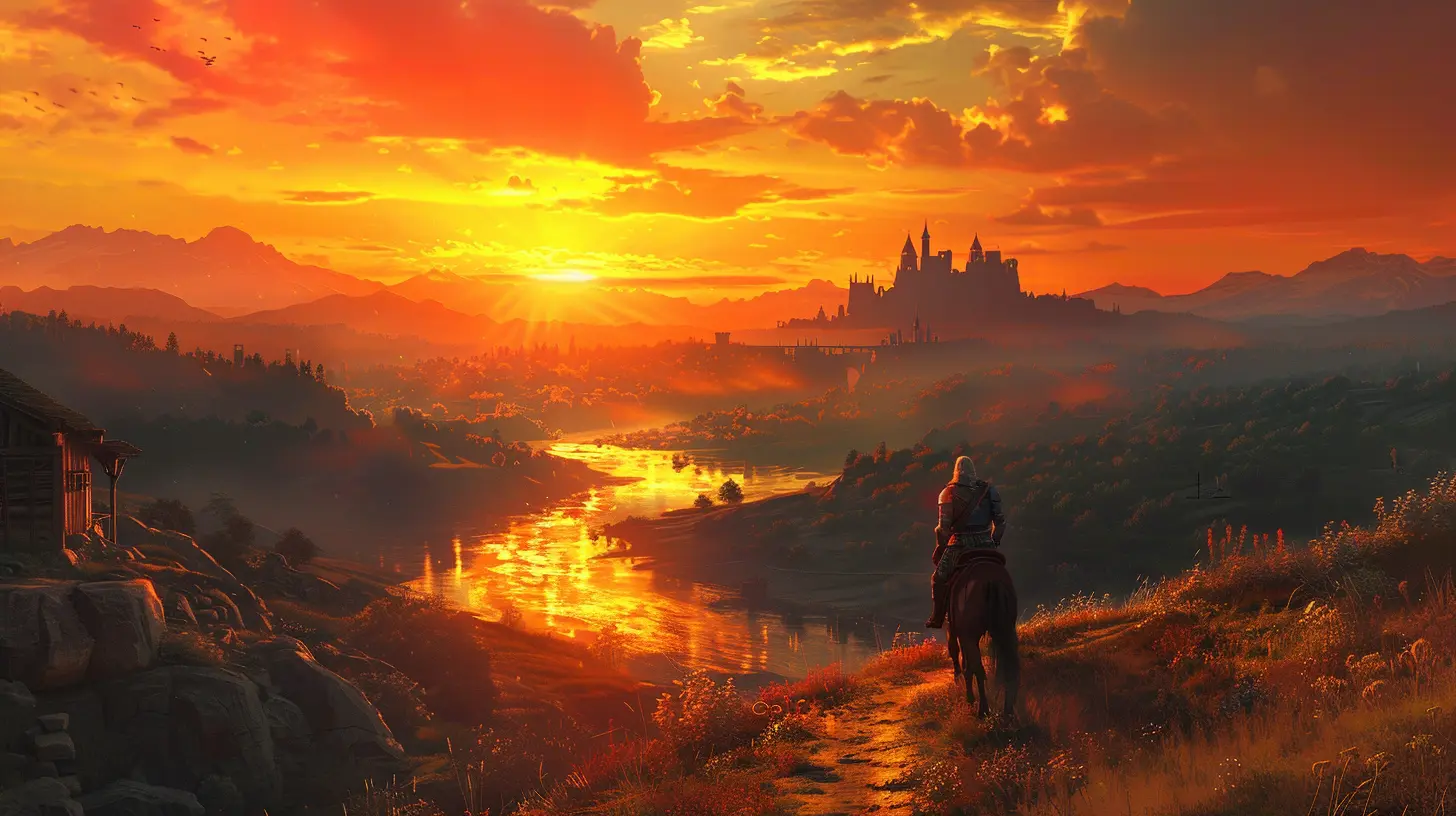
The Weight of Choice: How Player Agency Shapes Geralt’s Fate
One of the most striking things about The Witcher 3 is how much your decisions actually matter. We’re not just talking about side quests or dialogue—your choices throughout the game directly influence not only the world around you but Geralt himself.Many RPGs promise moral choices and player-driven narratives, but The Witcher 3 nails it. Why? Because the game doesn’t offer clear “good” or “evil” paths. It offers consequences. Sometimes choosing not to act is just as impactful as swinging your silver sword.
The Three Endings: A Quick Refresher
Let’s jog your memory before we analyze each ending:1. Ciri Becomes a Witcher – She survives and chooses the path of a Witcher.
2. Ciri Becomes Empress – She lives and takes the throne, becoming Empress of Nilfgaard.
3. Ciri Dies – She loses her battle at the Tower of the White Frost.
Each ending shows us something very different about Geralt—and about who he is at his core.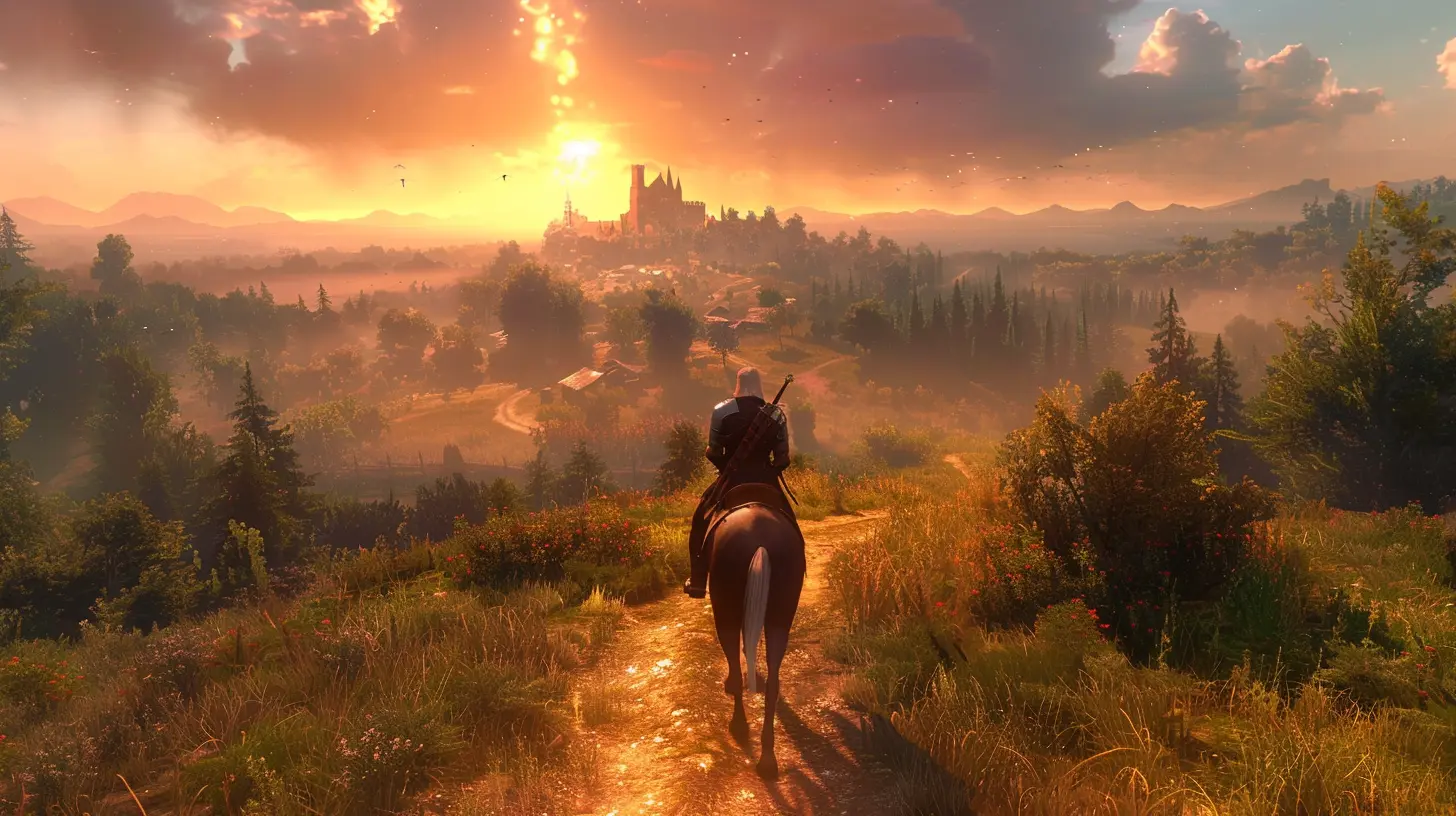
Geralt as a Father: The Witcher Who Found a Family
If you’ve played through The Witcher 3, you know that the heart of the story isn’t just politics or prophecy—it’s the relationship between Geralt and Ciri. This isn’t your average monster-of-the-week tale. It’s a father-daughter road trip through hell and high water.Throughout the game, Geralt isn’t just saving Ciri. He’s guiding her, listening to her, and—most importantly—trusting her. How you support (or don't support) Ciri determines whether she gains the confidence to make her own choices and survive the White Frost.
Ciri Becomes a Witcher: The "Good" Ending
This one feels like the most "natural" progression. Geralt helps Ciri embrace who she is—a fighter, a protector, someone who doesn’t want to rule from a throne but walk the path on her own terms.If you encouraged her, let her make choices, and stood by her side without smothering her, she survives and chooses to become a Witcher.
What does that say about Geralt?
It shows he finally broke free from his past—a past in which Witchers were emotionless tools. He becomes more than just a sword for hire. He becomes a father who raised someone to be strong, independent, and free. It’s growth. It’s vulnerability. And it’s beautiful.
Geralt started as a loner and ended as someone with a family. That’s not nothing.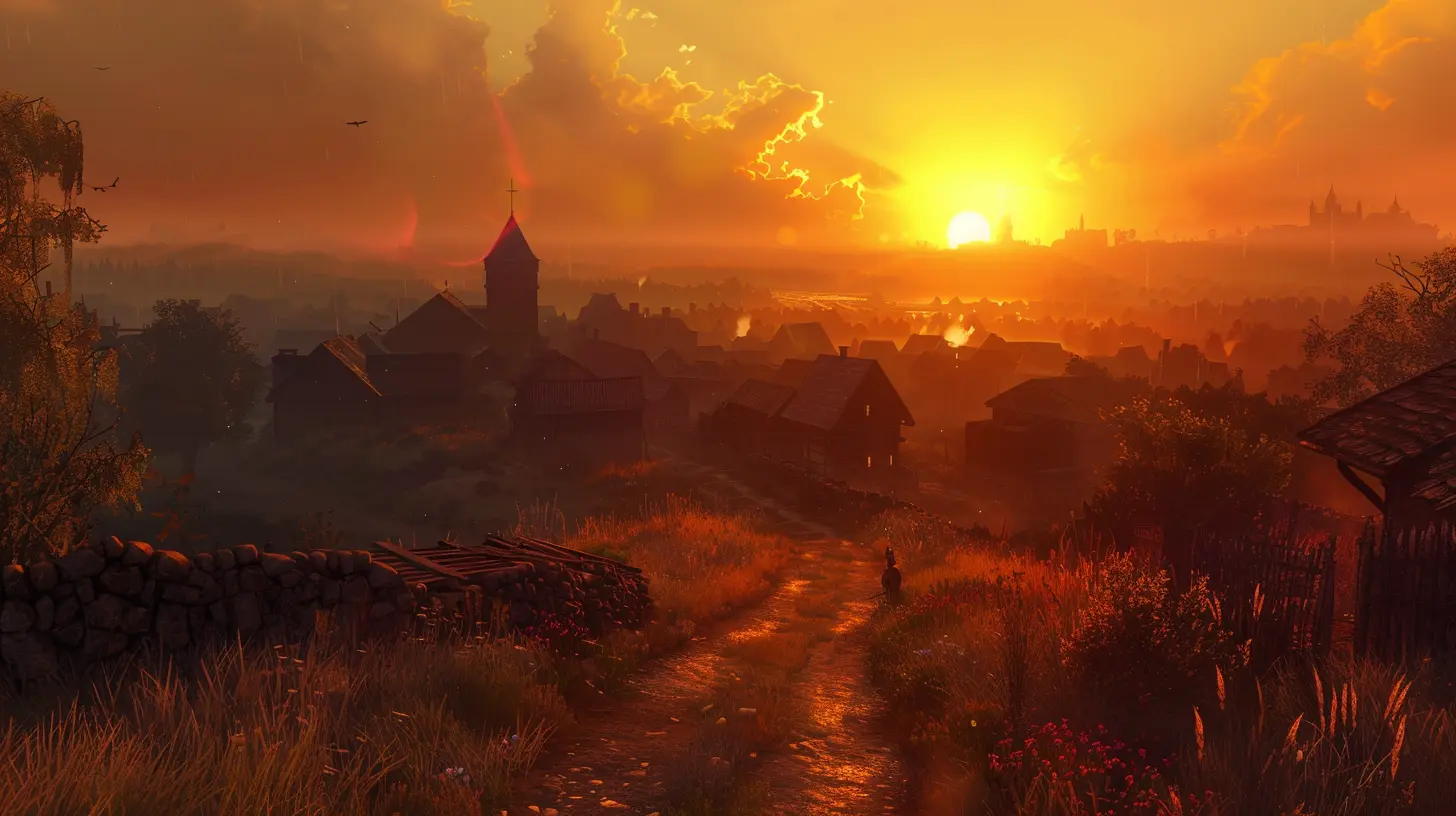
Geralt as a Mentor: Balancing Power and Responsibility
Ciri Becomes Empress: The Political Ending
If you guided Ciri in a more diplomatic direction—and allowed her to meet with Emperor Emhyr—she might survive and choose to become the Empress of Nilfgaard.It’s a grand, almost fairy-tale ending. Ciri brings change to a broken empire, and Geralt steps quietly into the shadows. He lets her go—not because he doesn’t care, but because he respects her path.
This ending paints Geralt as more than just a protector. He’s a mentor, a guardian who equipped his ward with the tools to change the world.
And isn’t this what every parent wants? For their kid to change more than just themselves—to go out there and shape the world?
It’s a little bittersweet, of course. Geralt is alone again. But there’s pride in his solitude. He knows she’s alive and thriving. Peace, in a way, was always what he wanted for her.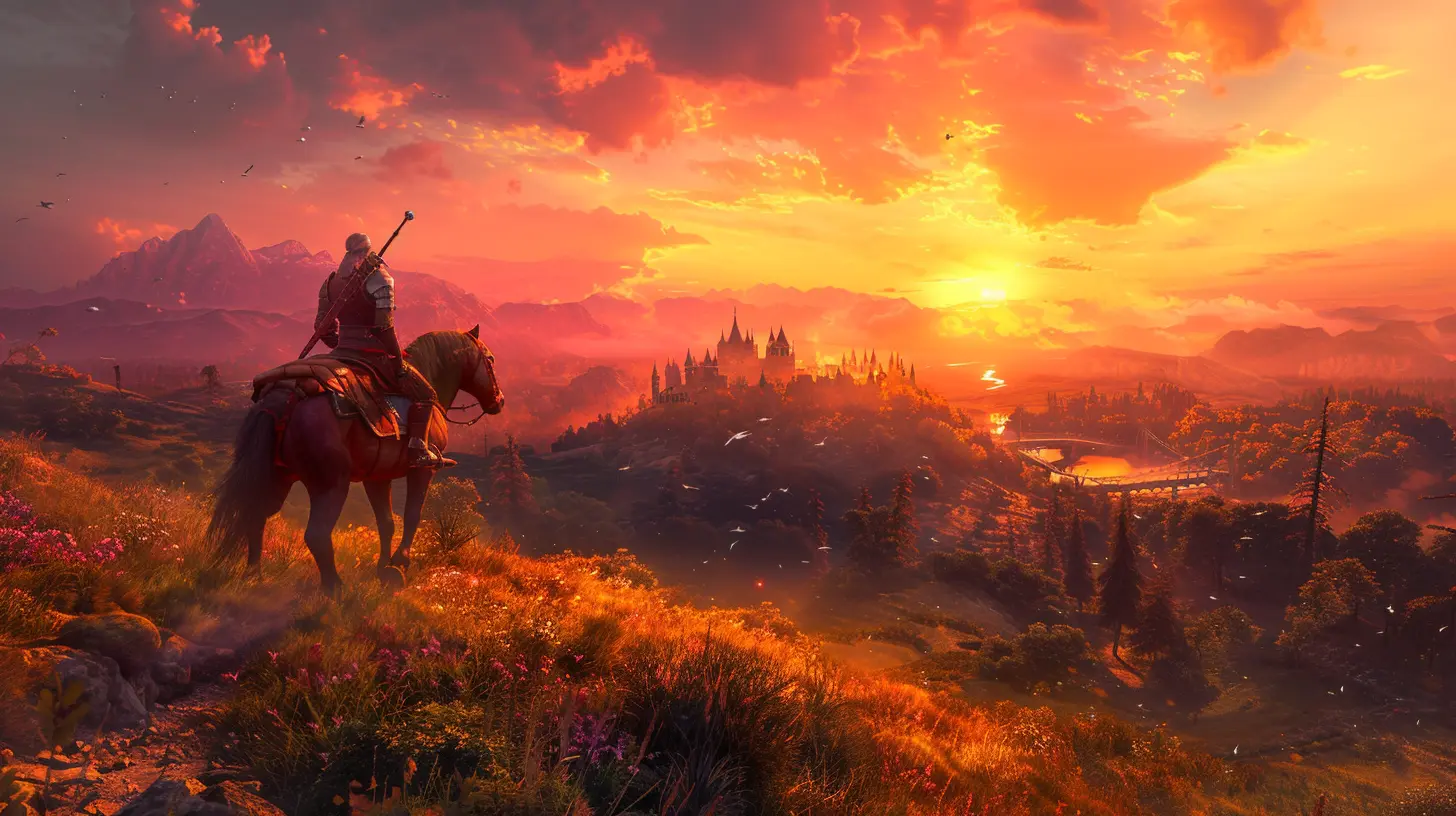
Geralt and Grief: The Tragedy of Loss
Ciri Dies: The Dark Ending
This is the only truly tragic outcome—and boy, does it hit hard.Ciri dies trying to stop the White Frost. She wasn’t ready, or she lost faith in herself—and usually, that’s a direct result of Geralt’s actions. If you didn’t support her, if you tried to control her too much, or made cynical choices... she falters.
In this ending, we see a broken Geralt. He tracks down the last monster that had something of hers and retrieves her medallion. Then he just... sits, surrounded by corpses, with nothing left.
This Geralt is hollow. It’s the culmination of a journey where everything was taken. You feel the weight of every decision. You realize that Geralt isn't invincible—he's a man, filled with regrets, drowning in sorrow.
And that’s the brilliance of this ending. It reminds us that heroism doesn't always win. Sometimes, love isn’t enough when we fail to understand or empower those we care about. This isn’t just a “bad ending”—it’s haunting poetry.
The Evolution of the White Wolf
Geralt starts as someone who tries to avoid getting involved. “Not my problem” might as well be tattooed on his forehead in the earlier games. But by the end of Wild Hunt, that attitude doesn’t cut it anymore.He gets pulled into conflicts—not because he wants to, but because people matter to him.
Remember when he tried to stay out of the political mess between Radovid and Dijkstra? Or how he reluctantly helped Yennefer and Triss with their battles? Geralt becomes someone who can’t just walk away anymore.
Whether you chose Yen, Triss, or neither, Geralt constantly inches toward being emotionally invested. That’s personal growth. That’s a journey.
Choices as Mirrors: Who Is Geralt, Really?
The Witcher 3’s multiple endings don’t just show what happens to Geralt. They show who he has become—because of you.- Did you push Ciri to be strong, or shelter her to a fault?
- Did you involve yourself in the fate of nations, or try to stay neutral?
- Did you show mercy to enemies, or cut them down?
Your Geralt might not be the same as mine. And that’s the point.
He’s a reflection of your values, your instincts. That’s what makes The Witcher 3’s storytelling so personal—and so powerful. You didn’t just finish a game. You lived a story.
The Themes The Ending Brings Full Circle
At its core, The Witcher 3 is a game about:- Love and sacrifice
- Power and responsibility
- The cost of neutrality
It never hands you a clear path. Instead, it tests your principles. And in the end, you have to live with what kind of Geralt you helped shape.
Let’s recap what each ending tells us about his journey:
| Ending | What It Says About Geralt |
|--------------------------|---------------------------|
| Ciri Becomes a Witcher | He learned to love, let go, and trust |
| Ciri Becomes Empress | He became a silent guardian, allowing others to lead |
| Ciri Dies | He couldn’t protect the one person that mattered the most |
Each one is valid. Each one carries emotional weight. And each takes the White Wolf’s story to a meaningful conclusion.
Why This Ending Still Sticks With Us
Years after its release, people still talk about The Witcher 3’s ending. Not because it’s shocking or full of twists, but because it means something.It rewards thoughtfulness. It punishes indifference. And it turns what could have been just another monster-hunting RPG into a deeply personal tale of growth, grief, and grace.
Your Geralt wasn’t just a character. He was a partner in this journey.
And whether you ended up relaxing on a vineyard with Yen or mourning by a monster’s corpse, the story’s message was clear:
Your choices matter. Who you choose to be matters. And in the end, even Witchers aren’t immune to love.
Final Thoughts: Geralt's Journey is Truly Yours
The Witcher 3 doesn’t just end with a bang—it ends with a whisper, a question, and a mirror. You finish the game not just thinking about Geralt, but about yourself. What kind of person did you become in this world of monsters and men?That’s what makes it a masterpiece.
So next time you see the white-haired swordsman on a game cover or in a Netflix thumbnail, remember—his story isn’t just epic fantasy. It’s a human one.
And in that final choice, sword sheathed and heart exposed, Geralt of Rivia became more than just a Witcher.
He became real.
all images in this post were generated using AI tools
Category:
Game Endings ExplainedAuthor:

Pascal Jennings
Discussion
rate this article
1 comments
Primrose McGarvey
Geralt's ending reflects his growth, choices, and acceptance of destiny.
August 15, 2026 at 2:44 AM