What the Ending of Far Cry 5 Really Means
4 March 2026
So, you've just finished Far Cry 5. You've survived cultists, wild animals, explosions, helicopters, and bear attacks (thanks, Cheeseburger). It's been one wild ride through Hope County. But then... that ending hits. Hard.
You sit there, controller in hand, shocked or maybe even a little mad. You probably asked yourself: "Wait, what just happened?" Well, you're not alone.
Far Cry 5's ending took a sharp turn from the usual, and it stirred up a lot of conversation in the gaming community. From its post-apocalyptic twist to the symbolism behind the chaos, there's a lot to unpack. So buckle up — we're diving deep into what the ending of Far Cry 5 really means, and trust us, things are about to get weird.
A Quick Recap: What Happens at the End of Far Cry 5?
Before we get all metaphorical and philosophical, let's break down what actually goes down in the final scenes of the game.You, the Deputy (a.k.a. Rook), have spent dozens of hours dismantling the Project at Eden’s Gate — the doomsday cult led by none other than Joseph Seed, aka “The Father.”
After taking down his siblings (John, Faith, and Jacob Seed), it's finally time for the big face-off with Papa Cult himself. You confront him at his compound with your fellow resistance members backing you up. Then, boom — two choices land on your lap:
- Resist
- Walk Away
Each one leads to a completely different — and equally disturbing — ending. But no matter which path you choose, you’re met with consequences that make you question everything you’ve done up until that point.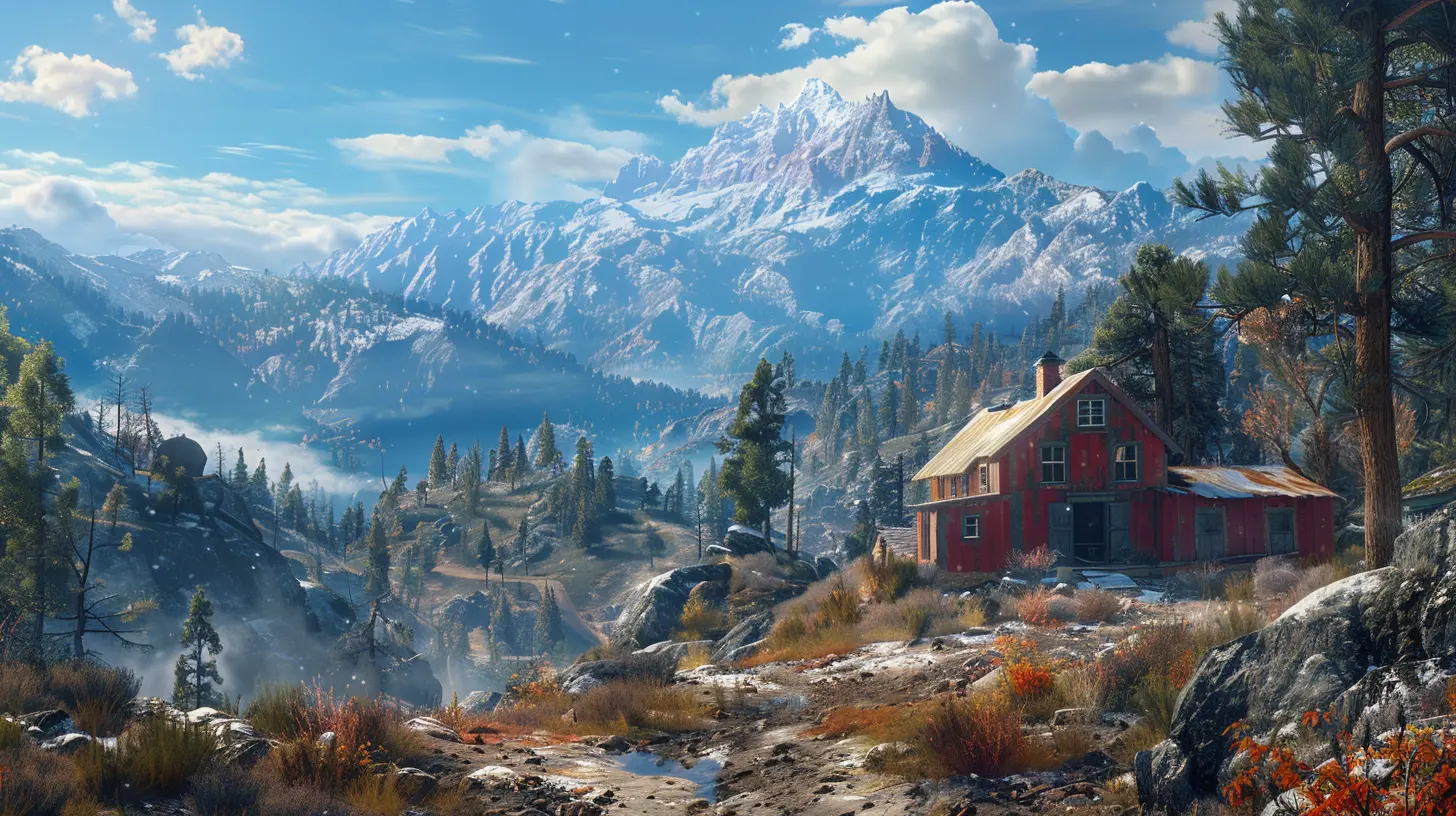
Option 1: “Resist” – The Nuclear Nightmare
If you’re like most players, you probably went for the “Resist” option. After all, this is Far Cry. You don’t just walk away from a maniac, right?So you resist. A fight breaks out. You take down Joseph Seed. Victory music plays. You're ready to pat yourself on the back… and then it happens. Nukes drop.
The screen is filled with bright flashes. Sirens blare. Chaos reigns. You and Seed flee to Dutch’s bunker. But something feels wrong. Once inside, everything goes dark. You’re knocked out. When you wake up, Seed is sitting calmly across from you, monologuing about how he was right all along.
Oh, and everyone else? Probably dead.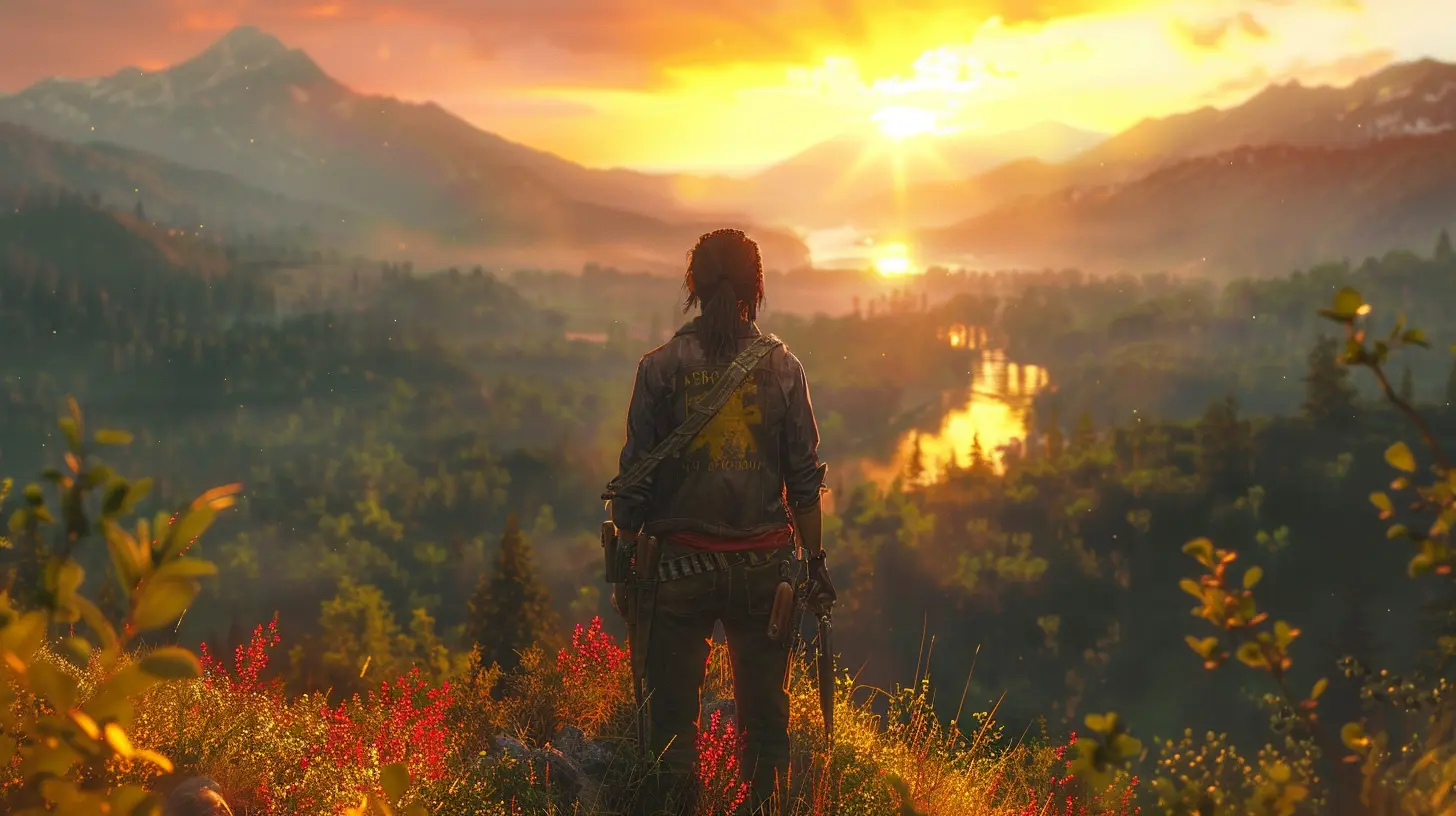
Option 2: “Walk Away” – The Quiet Doom
Let’s rewind. What happens if you decide to “Walk Away”?This time, you lower your gun. Joseph forgives you. He lets you and your companions leave. It feels like peace. Maybe even a win.
But as you drive away, a song comes on the radio — it’s the same one Jacob Seed used to brainwash you. Your companions don’t notice… but you do. The screen fades to black.
Chilling, right?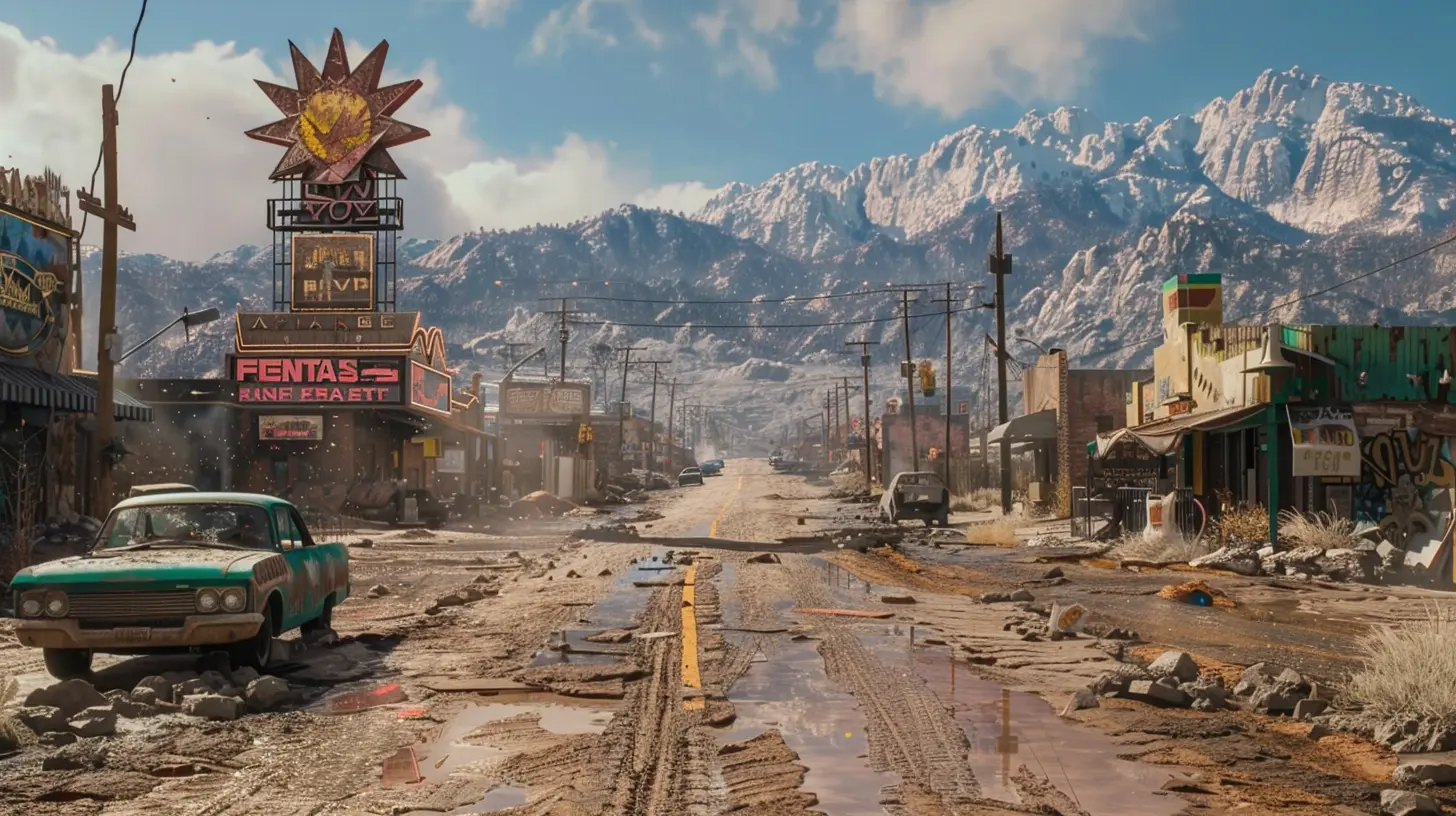
So What's the Real Meaning Behind These Endings?
Now that we’ve got the basic plot out of the way, let’s dig into the deliciously dark meaning behind everything. Because let’s be real — this isn’t your typical “hero beats the bad guy” kind of story.1. The World Is Bigger Than You
Most Far Cry games are centered around a lone hero going against impossible odds to take down a tyrant. And usually, good triumphs at the end.Not in Far Cry 5.
The core message here is that you might not be the main character in the world’s story. Think about it — while you were fighting a cult, global tensions were rising. The radio frequently mentions international conflicts, political unrest, environmental disasters, and hints at something brewing beyond Hope County.
The bomb doesn't fall because of Joseph. It falls despite your efforts. Your “heroic” journey? It doesn’t mean jack when the world decides to implode.
This is bigger than Eden’s Gate. It’s a reminder that sometimes you can’t save everyone — no matter how hard you try.
2. Prophecy Fulfilled or Self-Fulfilling?
Joseph Seed spends the entire game screaming that the end is near. And then, it happens. So, was he right?Well… maybe.
Joseph believes he’s a messiah. The game never clarifies whether he actually has divine insight or just got lucky with the timing. But here's the kicker: his extreme actions may have accelerated the collapse he feared.
By stockpiling weapons, isolating his followers, and spreading fear, he could've attracted the kind of attention that led to war. In trying to stop the apocalypse, he arguably caused it.
That’s a classic case of a self-fulfilling prophecy. Fear becomes action. Action sparks consequences. And boom — the world ends.
Talk about irony.
3. Brainwashing and Free Will
Remember that second ending? The one where you calmly “walk away,” only to hear that haunting brainwash song on the radio?Yeah, that's not just a disturbing twist — it’s a statement.
Throughout the game, you’re manipulated. Literally. Jacob Seed uses music to condition you into becoming a killer. You’re not as in control as you think. That final song suggests your mind still isn’t entirely your own.
Even when you choose peace, your past haunts you. That ending leans into the idea that free will might be an illusion. You were a puppet — and you may still be one.
Creepy, right?
4. No Good Ending
Unlike other Far Cry entries, where justice is served and the villain lies defeated, Far Cry 5 throws a curveball. No ending is exactly “good.”- Choose to resist? Nuclear death.
- Choose peace? Mind control.
- Beat all the bad guys? Bigger disaster incoming.
The game dares to say the quiet part out loud: life doesn’t always give you a happy ending.
And maybe that’s the boldest narrative choice Ubisoft has ever made.
The Fallout: How It Ties Into Far Cry New Dawn
Still not convinced Joseph was right? Then let’s fast-forward.Far Cry New Dawn — the direct sequel — confirms that the nukes truly did fall. Seventeen years later, Hope County is a radioactive, post-apocalyptic wasteland. Joseph survived. So did some of his cult.
The game paints him as a more mellow, reflective man. But the damage is done. His actions — and maybe yours — led to this broken world.
So yeah, Far Cry 5’s ending wasn’t just a fake-out twist. It was canon. And that adds even more weight to your choices. Every bullet you fired, every outpost you captured, every Seed family member you took down — it all led to a nuclear wasteland.
Did Ubisoft Troll Us?
Honestly, some players hated the ending. They felt robbed. After dozens of hours liberating Hope County, being met with total destruction felt like a gut-punch.But here's another way to look at it: Ubisoft subverted expectations. Instead of giving us a neat, satisfying bow, they gave us a conversation starter.
Kind of like The Last of Us 2 or Bioshock Infinite — endings that sparked debates for years. Far Cry 5 made us think. It challenged what we expect from video games. And whether you liked it or not, that’s pretty gutsy.
Hidden Symbolism in the Ending
Let’s get a little nerdy for a second and peel back some of the symbolic layers:- Nuclear Fire – Represents purification or cleansing. Joseph sees the world as corrupt and sinful. The nukes are (in his eyes) divine punishment — a reset button.
- The Bunker – A metaphor for isolation and blindness. You thought you were saving people, but you end up trapped with the villain.
- Jacob’s Song – A symbol of control and how easily our minds can be manipulated without even realizing it.
- The Cult – Not just a villainous group, but a reflection of radical ideology and how fear can be weaponized.
It’s heavy stuff. But it makes for a rich, layered narrative that goes far beyond the trigger-happy chaos typical of FPS games.
Final Verdict: What Should We Take Away?
At the end of the day, Far Cry 5’s finale is a grim, gutsy, and unforgettable twist that challenges its players in ways most games don’t dare. It doesn’t hand you a trophy. It slaps you with questions.- Can one person really change the world?
- Are we ever truly free?
- Was Joseph Seed crazy... or right?
The beauty is, there’s no “correct” answer. The ending is open to interpretation, and that’s what keeps players coming back years later, still debating what it all means.
So whether you loved it or loathed it, one thing’s for sure — Far Cry 5’s ending is one of the most talked-about moments in modern gaming, and it’ll be fueling arguments in comment sections for years to come.
Now excuse me — I need to go replay it for the fifth time and question my life choices.
all images in this post were generated using AI tools
Category:
Game Endings ExplainedAuthor:

Pascal Jennings
Discussion
rate this article
2 comments
Zane Ward
This article offers a fascinating analysis of Far Cry 5's ending, highlighting its themes of choice, consequence, and the cyclical nature of violence. A thought-provoking read for fans!
March 9, 2026 at 3:15 AM
Pascal Jennings
Thank you! I'm glad you found the analysis thought-provoking. It was fascinating to explore those themes in Far Cry 5!
Pilar Love
Great article! Your insights into the ending of Far Cry 5 really illuminate its deeper meanings and themes. It's refreshing to see such thoughtful analysis. Keep up the fantastic work exploring the layers of this complex game!
March 7, 2026 at 5:47 AM
Pascal Jennings
Thank you so much for your kind words! I'm glad you found the analysis insightful. It’s a fascinating game with many layers to explore!