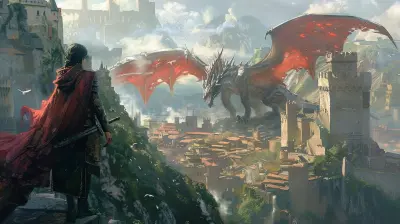
What Makes a Game Graphically Timeless
18 June 2026
There are games you remember because of killer stories, some because of intense gameplay, and then… there are those you simply can’t forget because they just looked and felt right — even decades later. That magic? It’s what we call graphically timeless. But what really makes a game graphically timeless? Is it the resolution? The realism? The tech behind it?
Spoiler alert: it’s a lot deeper than pixels and polygon counts. So grab a snack, sit back, and let’s dive into the heart of what makes certain games visually age like fine wine.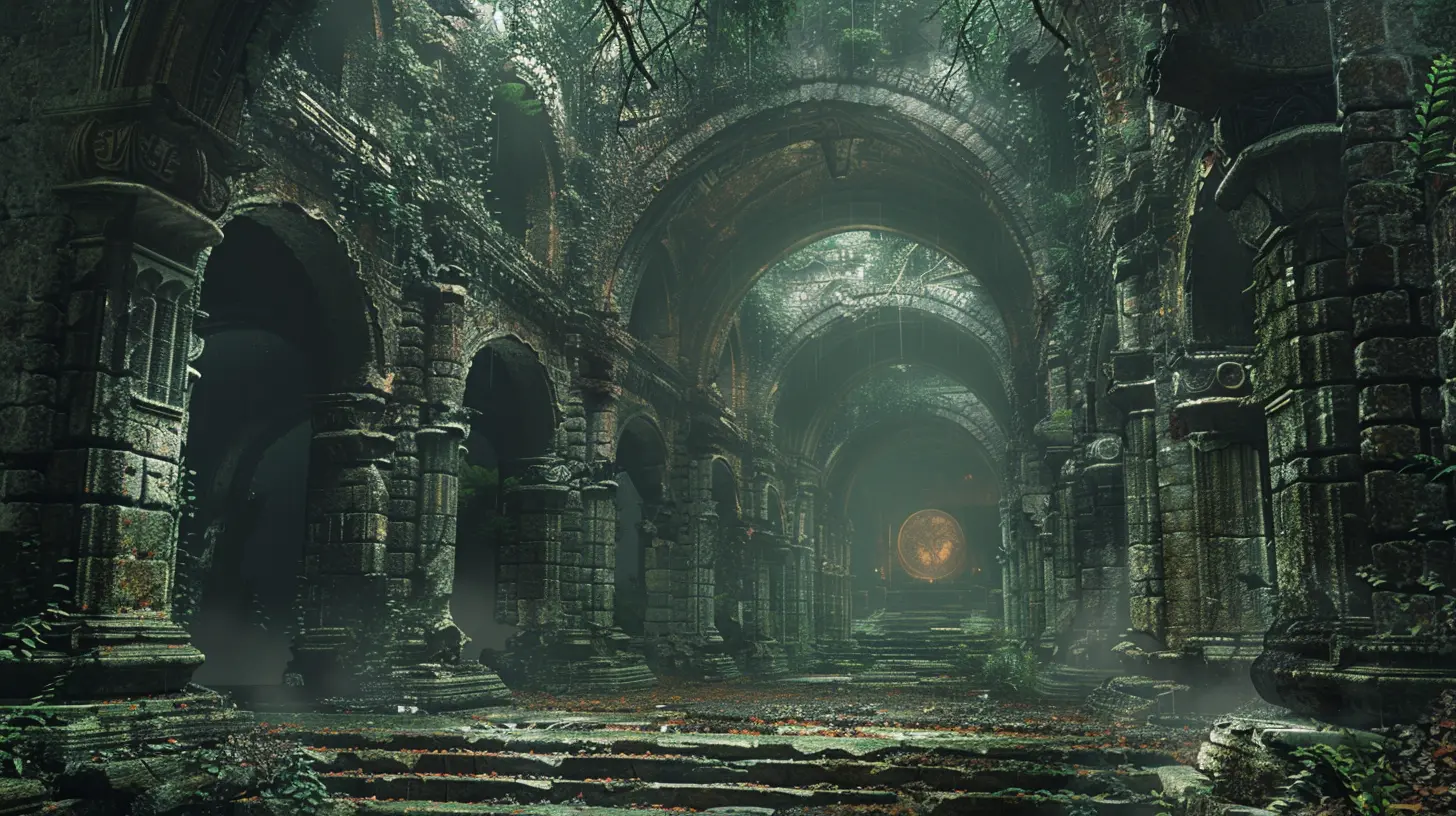
The Myth of “Better Graphics”
First, let’s clear the air: better graphics don’t always mean timeless graphics. We've all seen games that looked jaw-droppingly real when they launched, but now? They're a clunky mess of jittery animations and awkward facial expressions. Yep, even the most cutting-edge graphics of one generation can feel dated fast.But then, you look at games like The Legend of Zelda: Wind Waker or Journey, and they still look stunning. Why? Because these games prioritized style over realism — and that’s the first major key.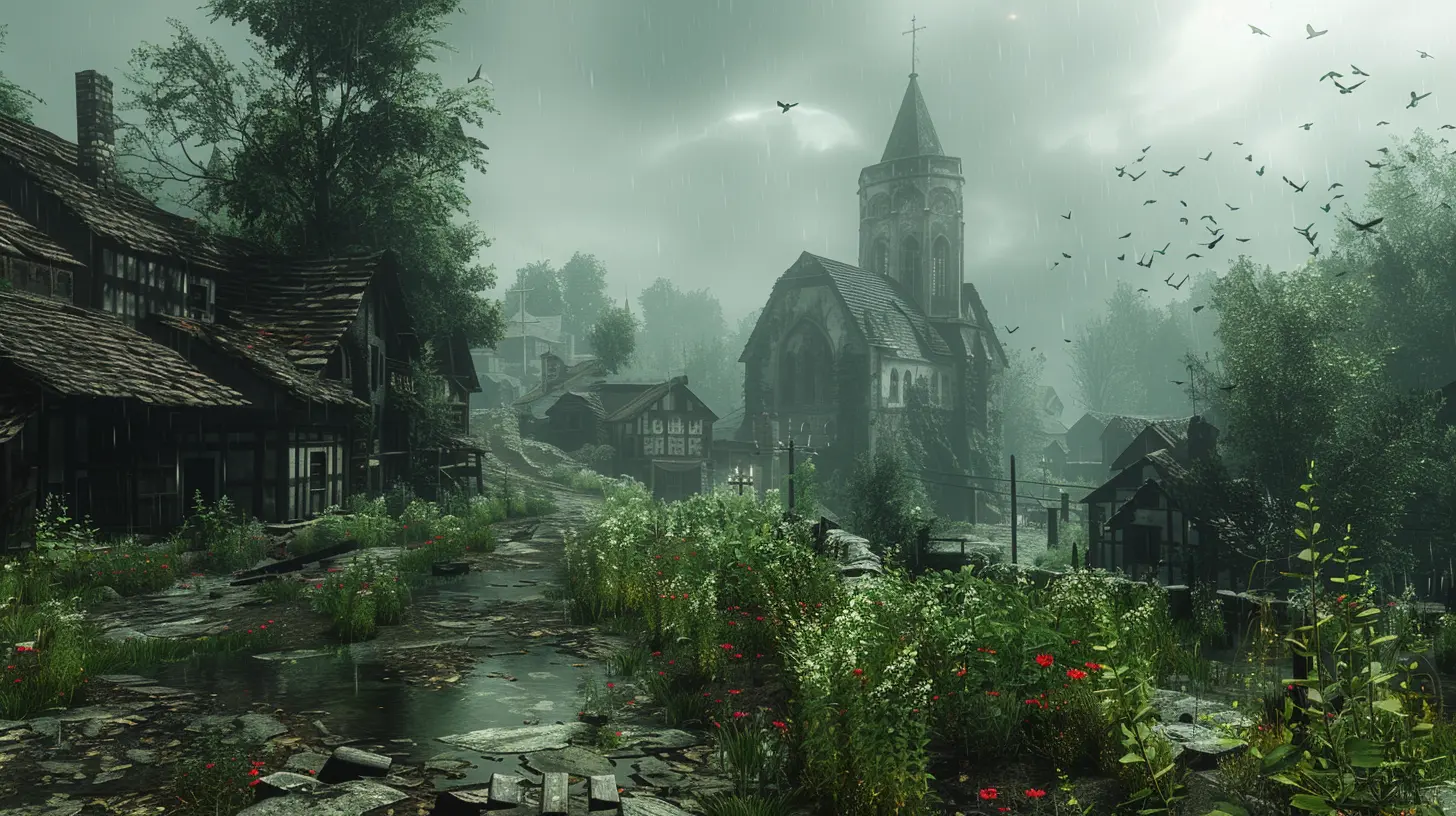
Art Style: A Game’s Visual Soul
Think of art style as a game’s fashion sense. Trends come and go, but style? That lasts.Games with bold, unique art directions often survive the aging process better than hyper-realistic counterparts. For example, Okami uses traditional Japanese ink wash painting; Cuphead pulls straight from 1930s cartoons. These aren’t just creative choices — they’re strategic decisions that give these games identity and longevity.
? Pro Tip: If you’re a game dev aiming for timeless visuals, investing in a clear, consistent art direction is worth its weight in gold.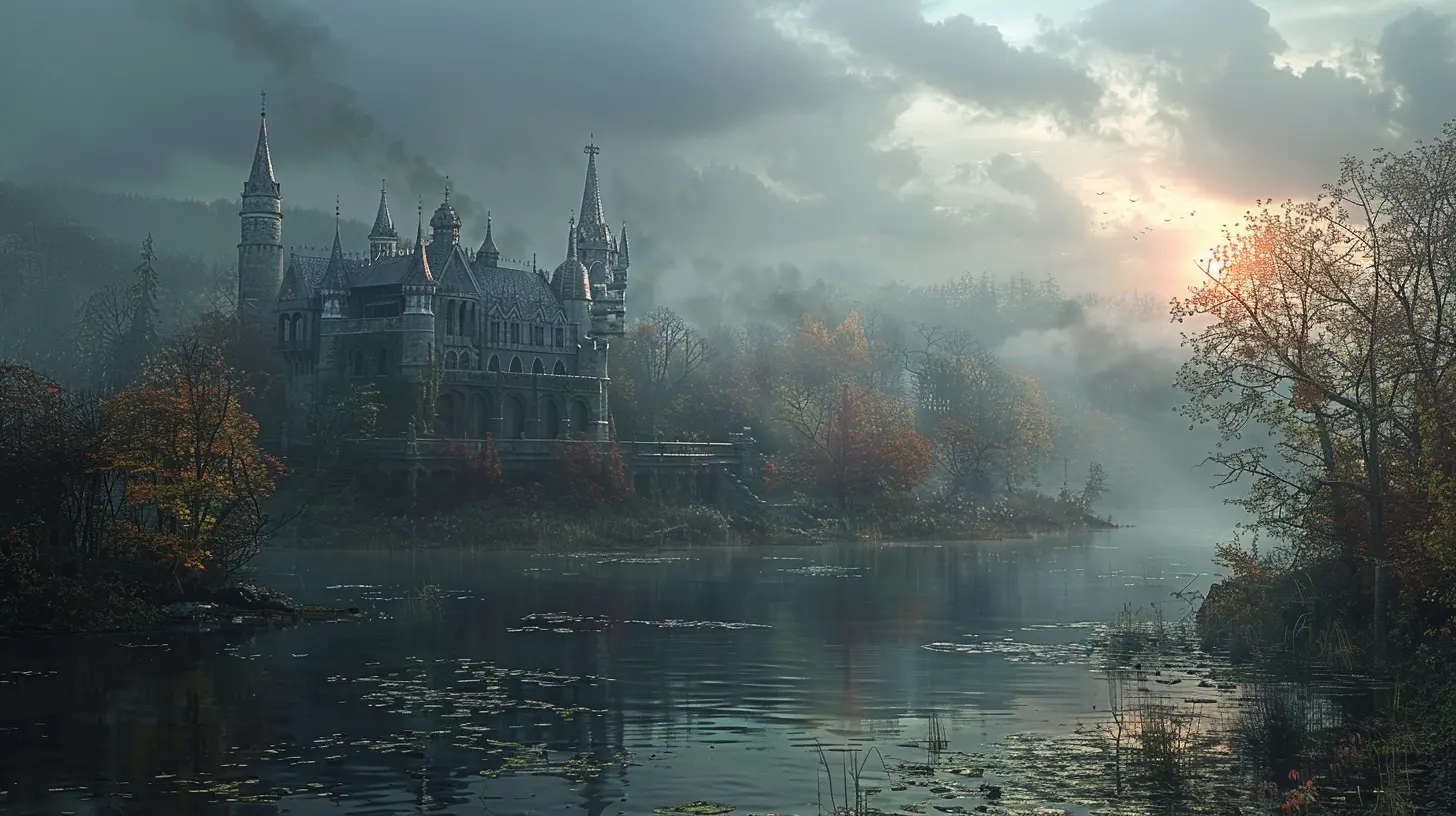
Consistency is Key
We’ve all played that bizarre Frankenstein-like game — realistic environment, cartoony characters, and overly dramatic UI. It’s confusing and, frankly, it feels weird.Timeless games give us visual harmony. Everything on-screen just fits. The characters feel like they belong in their world. The UI doesn’t fight against the art style. Even the menus feel intentional. That kind of consistency builds immersion, which helps us remember a game’s visuals not for their fidelity, but for how they felt.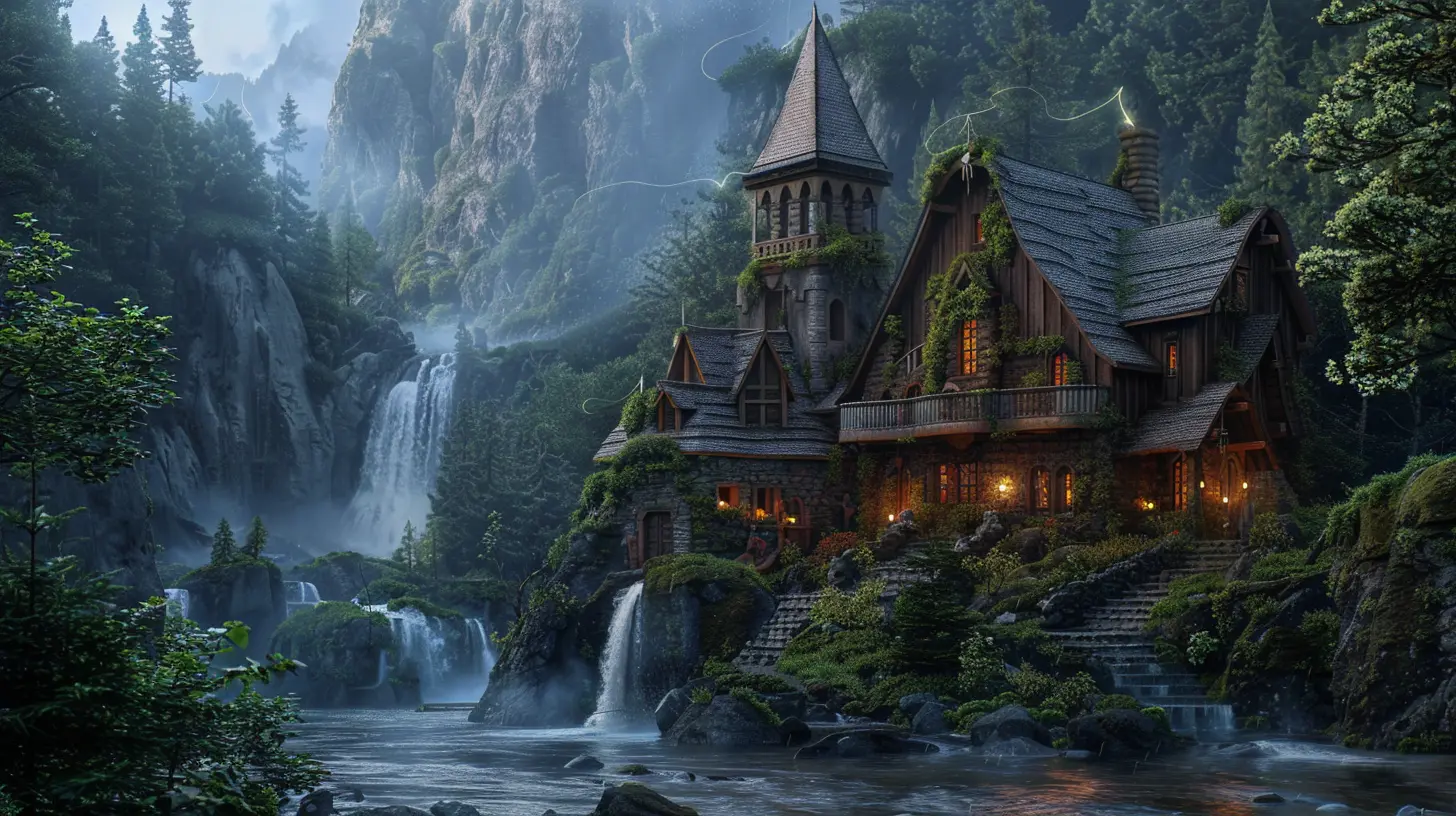
Minimalism Ages Gracefully
Sometimes less really is more.Games like Limbo or Inside, with their stripped-down yet deeply atmospheric visuals, show us that minimalism can be powerful. These games don't depend on texture depth or ray tracing to wow us — they use contrast, silhouette, and pacing to create memorable imagery.
Imagine a black-and-white painting that still moves you, even without color. That’s the power of minimalist art in gaming. It doesn’t scream “look at me!” — but it makes you look anyway.
Emotionally Driven Design
Can a game’s visuals make you feel something? Absolutely.Emotional resonance is one of the unsung heroes of timeless graphics. It’s not just about what we see — it's about how that imagery makes us feel. Games like Shadow of the Colossus use vast, empty spaces to evoke loneliness. Gris uses color as a storytelling device, making each level a visual metaphor.
These emotional layers give games a lasting impact. We remember them not because they looked real, but because they felt raw and human.
Lighting Sets the Mood
Lighting isn’t just about making things visible — it’s about painting the mood.Clever use of lighting can bring a scene to life in ways no texture ever could. Think of the warm, glowing dusk in Firewatch or the haunting moonlight in Bloodborne. These lighting choices don’t just illuminate the game’s world — they define it.
Even older games with low-res assets can feel timeless if the lighting is handled well. It’s like setting the stage in theater — get the atmosphere right, and everything else falls into place.
Animations That Flow
Ever played a game where the character animations are so stiff, you feel like you're controlling a fridge on rollerblades?Yeah, that kills the mood.
Timeless games often have fluid, expressive animation. Whether it’s Mario’s joyful triple jump or Aloy’s smooth traversal in Horizon Zero Dawn, movement matters. When animations match the personality and tone of the game, they help lock in that sense of timeless polish.
Music and Visuals: A Dynamic Duo
Okay, so music isn’t technically a “graphic,” but stay with me.When visuals and audio work hand-in-hand, they amplify each other. Think about the serene landscapes of Journey paired with that haunting cello score. Or The Elder Scrolls V: Skyrim, where the mountainous terrain and sweeping orchestration blend into something unforgettable.
When the look of a game is emotionally tied to its sound, it creates a sensory package that sticks with you forever.
Nostalgia: The Secret Ingredient?
Let’s be real: nostalgia plays a big part too. When we revisit a game we loved as kids, we often see it through rose-tinted glasses. But nostalgia alone doesn’t make visuals timeless.Instead, it acts as emotional seasoning — enhancing the flavor of something already good. If the core visual design holds up, nostalgia adds depth to our appreciation, not just blind affection.
Examples of Graphically Timeless Games
Still wondering what timeless graphics look like? Here are a few gems that nailed it:- ? The Legend of Zelda: Wind Waker – Cel-shaded beauty that still looks fresh.
- ? Okami – Art in motion.
- ?️ Journey – Atmospheric, unforgettable.
- ? Hollow Knight – A 2D masterpiece of mood and motion.
- ? Persona 5 – Stylish to its core, from UI to character design.
- ? Monument Valley – Simple, elegant, surreal.
Each of these games made deliberate design choices that prioritized visual identity over tech trends — and the results speak for themselves.
Future-Proofing Visuals
Game devs today are in a tricky spot. Technology keeps evolving, players demand more, and trends shift like the wind. So how do you create visuals that last?Here’s a checklist devs (and players!) should keep in mind:
- ✅ Choose a strong, unique art style
- ✅ Keep visuals consistent across UI, characters, and environments
- ✅ Focus on animation quality over frame count
- ✅ Use lighting to set emotion and tone
- ✅ Avoid chasing trends that will age fast
- ✅ Design with emotion, not just graphics in mind
It’s not about making a game that looks amazing today — it’s about making one that will still look amazing ten years from now.
The Final Frame: Why Timeless Graphics Matter
At the end of the day, gamers don’t fall in love with resolution. We fall in love with moments — with feelings. Visuals that stick with us do so not because of how real they looked, but because of the experience they offered.So what makes a game graphically timeless?
It’s not the ultra-HD textures or real-time reflections. It’s the heart. It’s the soul in the art direction, the emotion in the lighting, the harmony of style and function. Timeless graphics whisper to you, “Remember this?” — and you do.
Not because you have to.
But because you want to.
all images in this post were generated using AI tools
Category:
Game GraphicsAuthor:

Pascal Jennings
Discussion
rate this article
1 comments
Bella Hurst
Great insights on timeless graphics!
June 18, 2026 at 4:50 AM