What Happens at the End of Inside and Why It Matters
6 July 2026
If you’ve played Inside by Playdead, you probably reached the end, sat back in your chair, and thought, “Wait… what?” Trust me, you’re not alone. The ending of Inside has left players scratching their heads, diving deep into Reddit threads, and even questioning their own choices throughout the game. But that's what makes it such a masterpiece.
Let’s break it down, not just what happens at the end, but why it matters—and why this game hits so hard emotionally and philosophically. Buckle up, because this isn’t just a story about a little boy in a red shirt. It’s about life, control, freedom, and the weirdly beautiful mess that happens when games make you think.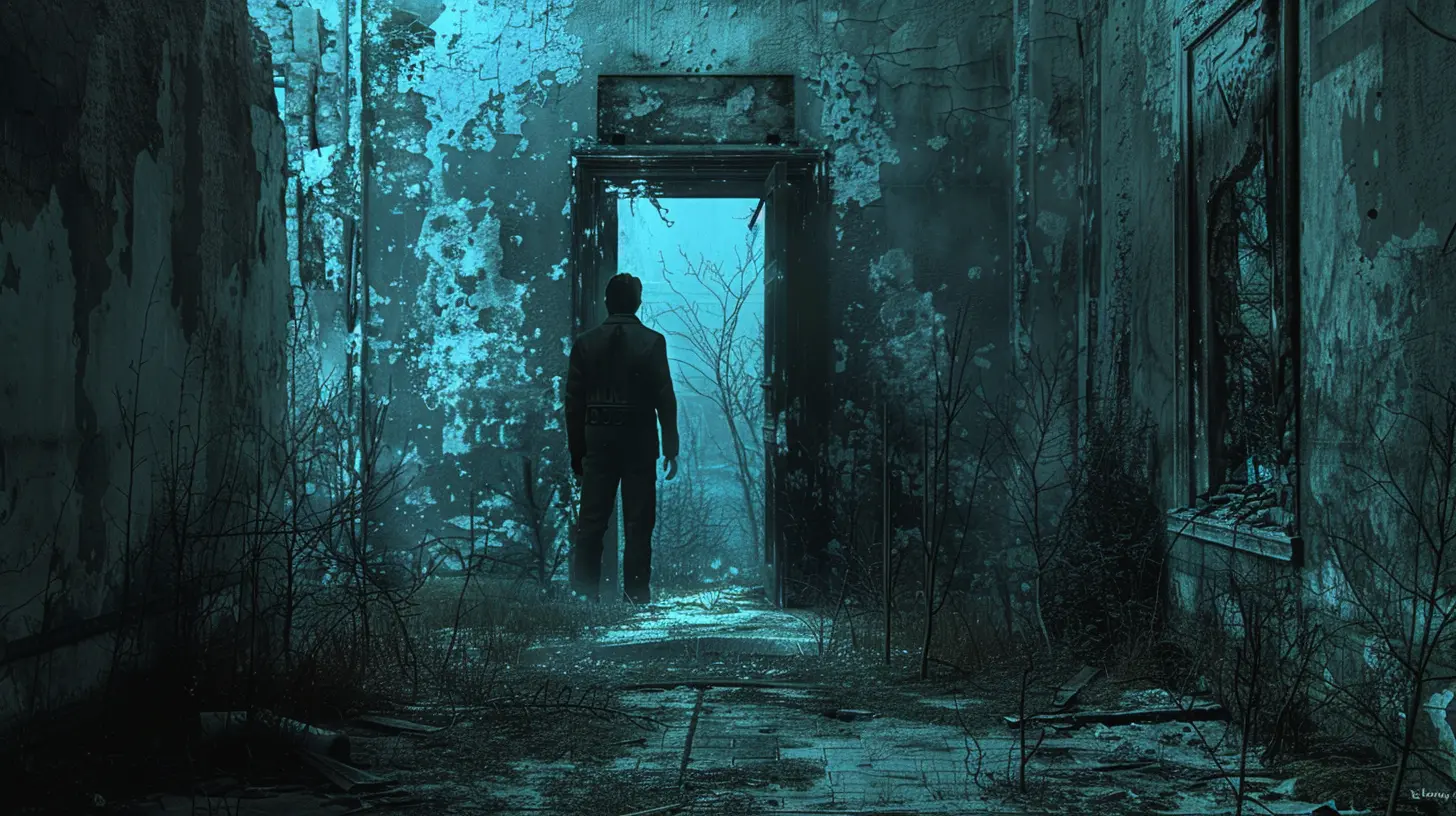
Setting The Stage: What Is Inside?
Before we dive deep into the ending, let’s give this game its flowers. Inside is a 2.5D puzzle-platformer that takes all the eerie, minimalist vibes of Playdead’s first game, Limbo, and cranks it up to eleven. With zero dialogue and a hauntingly beautiful atmosphere, you guide a nameless boy through dark forests, mind-control labs, and spine-chilling underwater facilities.What keeps players glued to the screen? The questions.
Who is this boy?
Why are people being controlled like zombies?
What’s with the underwater girl?
And most importantly... what the heck is that thing at the end?!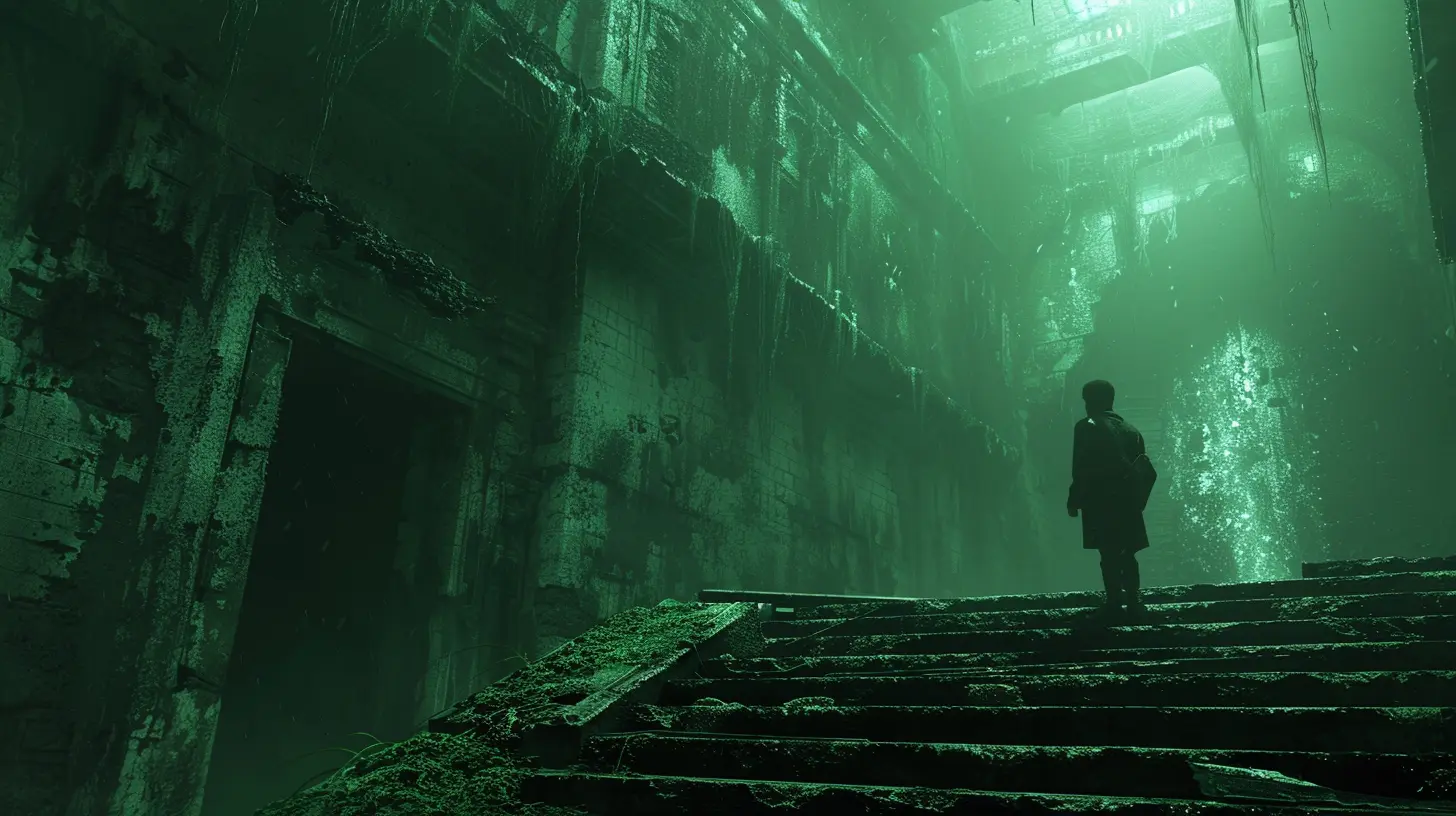
The Climax: That Mind-Bending Ending
Alright, here’s where things get real. After hours of escaping guards, solving environmental puzzles, and avoiding death in about a hundred creative ways, you finally reach the heart of the facility. What’s waiting there?A horrifying blob.
Yep, a pulsating mass of human limbs, twitching and writhing like something out of your worst fever dream. This monstrosity is called the Huddle, and for reasons unknown, the boy gets absorbed into it. But here’s the kicker—you now control the blob. And I mean, it’s gross, but kinda liberating?
You, the player who spent the entire game helping a defenseless boy avoid capture, suddenly become this unstoppable chaotic force of destruction. You break out of the lab, crush your captors like ants, and finally roll down a hill into the sunlight. Then it ends. Just like that. Silence.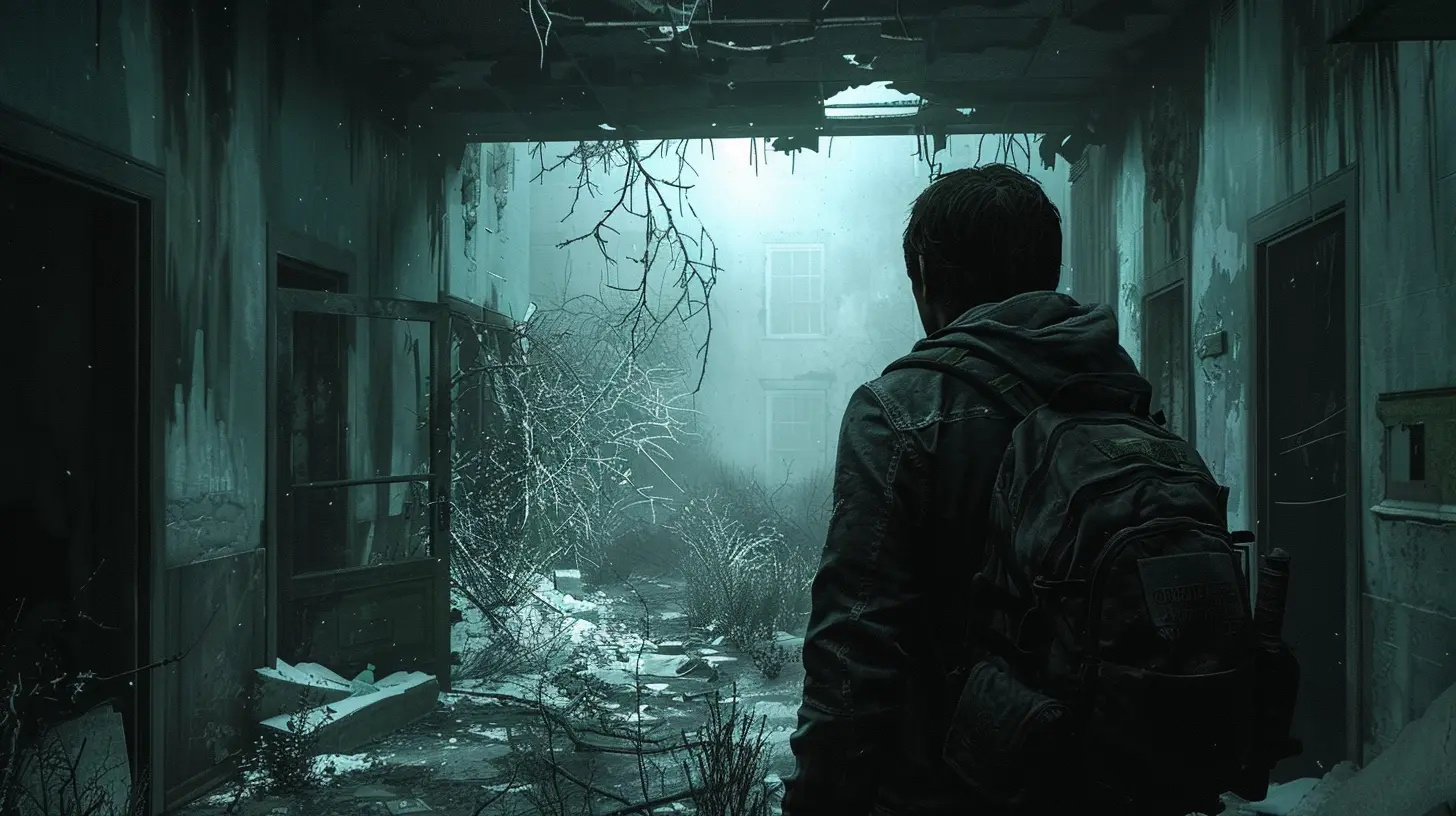
So, What Just Happened?
Good question. And honestly, there’s no one-size-fits-all answer. But here are some of the most compelling interpretations floating around:1. The Illusion of Control
One of the most popular theories is that Inside is a metaphor for control—specifically, the illusion of it. Think about it: the boy is controlled by you, the player. Within the game? He’s also being controlled by something else, perhaps a higher intelligence or the Huddle itself. It’s a chain of puppeteers. You might feel like you’re making choices, but are you really?Isn’t that kind of like life? We think we’re in charge, but sometimes we’re just following scripts, routines, and expectations. The ending slaps you with that uncomfortable truth.
2. You Were Always The Experiment
Another theory? The boy wasn’t trying to escape the facility—he was trying to reach the Huddle all along. Maybe his entire journey was orchestrated by the scientists to lead the Huddle to freedom. And if that’s the case… you, the player, were just part of the game within the game.Mind = blown.
The ending flips the script. You thought you were heroically guiding a fragile boy to safety. In reality, you were the tool through which the Huddle escaped. It’s the ultimate bait-and-switch.
3. Breaking Free From Society’s Molds
Taking it a little deeper, Inside can be seen as a social commentary. Look at the environments—factories, labs, gray office buildings. Everyone is mindless, moving in sync, emotionless. Sound familiar?The boy (and eventually the blob) represents breaking out of societal molds. It’s about choosing chaos over conformity, freedom over control—even if that freedom is grotesque and unpredictable. The Huddle might look horrifying, but it's not bound by rules. It’s free for the first time. And maybe, just maybe, that’s beautiful.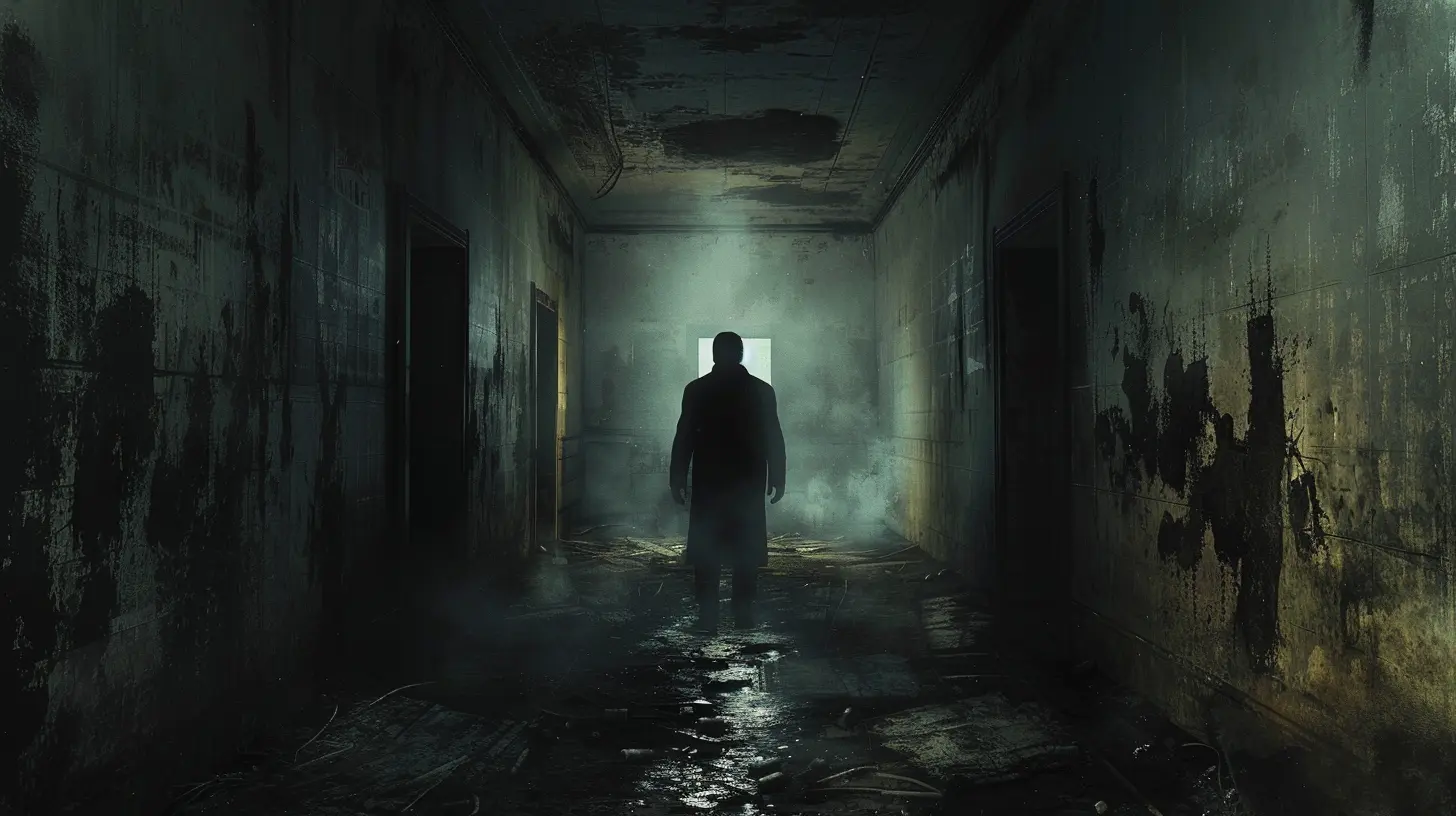
Why It Matters: The Beauty of Ambiguity
Let’s take a step back. Why does this ending hit so hard?Because it doesn’t spell things out for you. It respects you enough to let you think, to let you feel whatever you feel. That kind of storytelling is rare in gaming. So when a game like Inside comes along and challenges everything you thought you knew about control, agency, and your role as a player—it sticks with you.
Think of it like a dream that you can’t quite shake. You might not remember every detail, but the feeling lingers.
The Game as a Mirror
Here’s another way to look at it: Inside is a mirror. Not just of video games, but of how we live our lives. Are we really free? Or are we just moving along paths others have laid for us? Do we break out of the mold or stay in our comfort zones?By the time credits roll, Inside doesn’t just end—it echoes. It makes you reassess everything. That’s powerful.
The Secret Ending: Even More Layers
Did you know Inside has a secret ending?If you're a completionist (or just watched someone do it on YouTube), there’s a hidden ending you can unlock by finding all the secret orbs scattered throughout the game. When you do, you reach a hidden location where the boy unplugs a power source… and then just stands there, lifeless.
It’s chilling.
This ending adds another layer of meaning. It could imply that the boy was being controlled all along by the player, and by unplugging the system, he “disconnects” from that control. In other words? He chooses to stop playing. Or to stop being played.
Talk about hitting you right in the existential feels.
A Game That Stays With You
What makes Inside unforgettable isn’t just the gameplay or the art style (though those are top-notch). It’s the way it makes you question everything. The kind of game that lingers in your mind days, weeks—even years—after you finish it.It’s more than just a game. It’s an experience. One that respects your intelligence, your emotional depth, and your curiosity.
Why We Need Games Like Inside
In a world saturated with sequels, open-world checklists, and loot systems, Inside is a breath of fresh, albeit eerie, air. It’s proof that games can be art. That they can make you feel something deep and personal without dialogue or cutscenes.And let’s be honest—Inside is one of those games that gets better the more you think about it. It’s like hearing your favorite song and discovering new lyrics every time you listen.
So whether you loved the ending, hated it, or still don’t know what to make of it—it's sticking with you. And that’s the whole point.
Final Thoughts: Embrace the Messy Mystery
Not all stories are meant to be understood completely. Some are meant to be felt, discussed, and endlessly interpreted. Inside doesn’t wrap things up in a bow—it leaves you in the wreckage, asking, “What does this say about me?”And that’s why it matters.
Sometimes, games don’t need to tell you what to think. They just need to make you think. That’s the magic of Inside. In its silence, it speaks volumes.
So, next time you play a game and expect a clean, happy ending—remember Inside, and embrace the messy mystery. After all, isn’t life kind of like that?
all images in this post were generated using AI tools
Category:
Game Endings ExplainedAuthor:

Pascal Jennings
Discussion
rate this article
1 comments
Wynter Maddox
The ending of Inside leaves a lasting impact, sparking deep reflection on identity and choices. It's a haunting conclusion that resonates with our own struggles and desires for understanding.
July 13, 2026 at 2:23 PM
Pascal Jennings
Thank you for sharing your thoughts. The ending truly invites us to confront our own identities and the choices we make, which is what makes it so powerful.