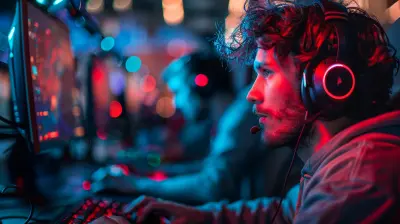
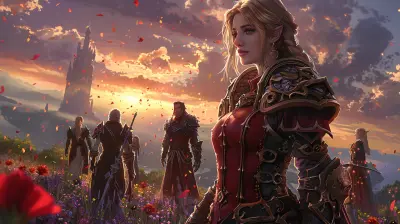
The Visual Storytelling Power of Cutscenes
16 April 2026
Let’s be honest—games have become more than just fun distractions. They’ve blossomed into modern-day masterpieces, blending art, music, writing, and yes, storytelling. Among all the tools in a game developer’s kit, cutscenes are the secret sauce that stirs emotion and brings characters to life. So, why do cutscenes matter so much? Let’s unpack the visual storytelling power of cutscenes—and why they leave us on the edge of our seats with tissues in hand or grins stretching ear to ear.
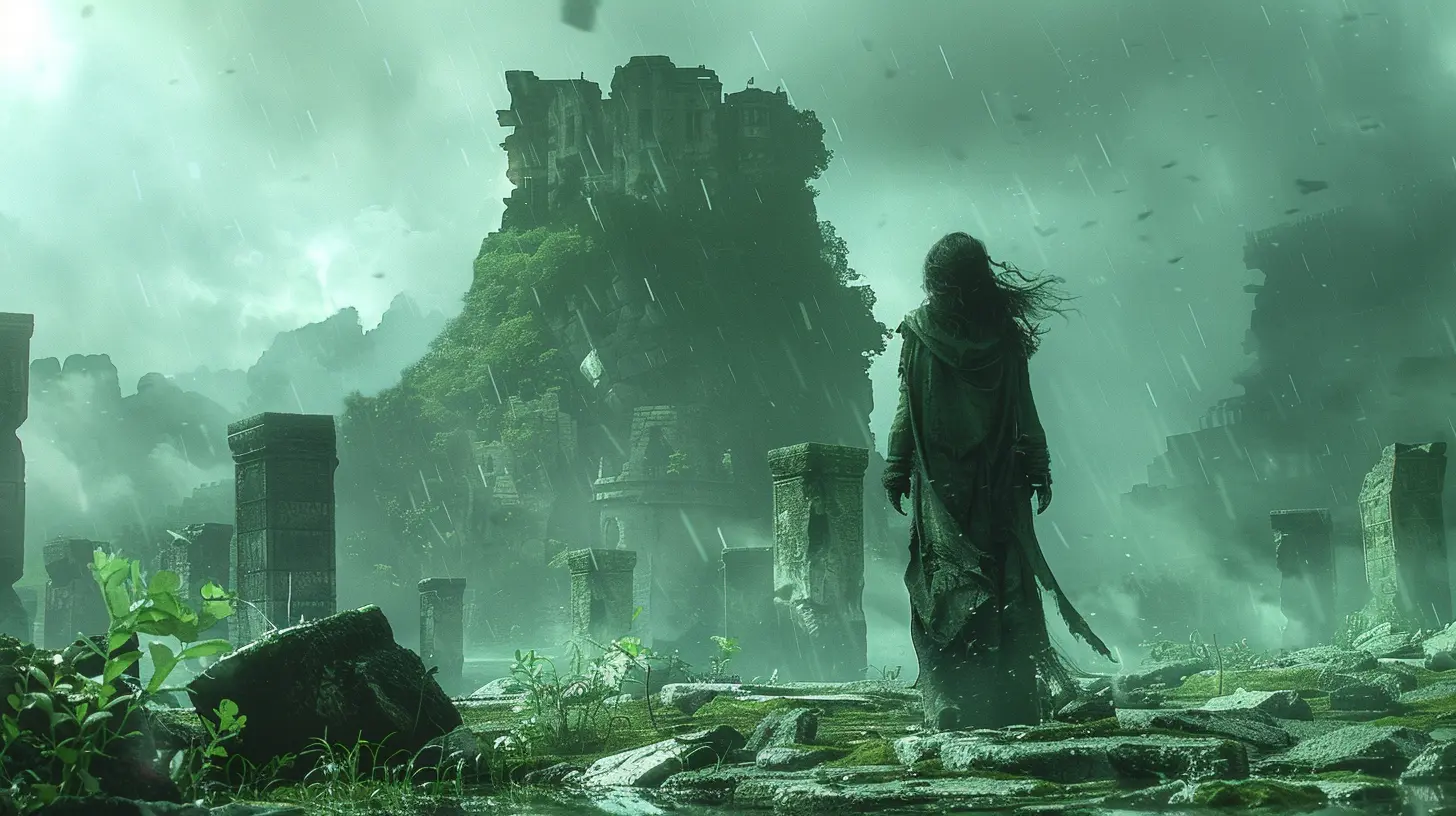
What’s a Cutscene, Anyway?
Before we dive into the magic, let’s make sure we’re on the same page.A cutscene is a non-interactive sequence in a video game where the narrative unfolds through cinematics. You know, those moments when your control is taken away, and suddenly you're watching your character move, speak, or get thrown into an emotional whirlwind. It’s like a mini-movie smack in the middle of gameplay.
Yeah, sometimes players groan—especially when they’re eager to get back to the action. But when done right? Man, they’re unforgettable.
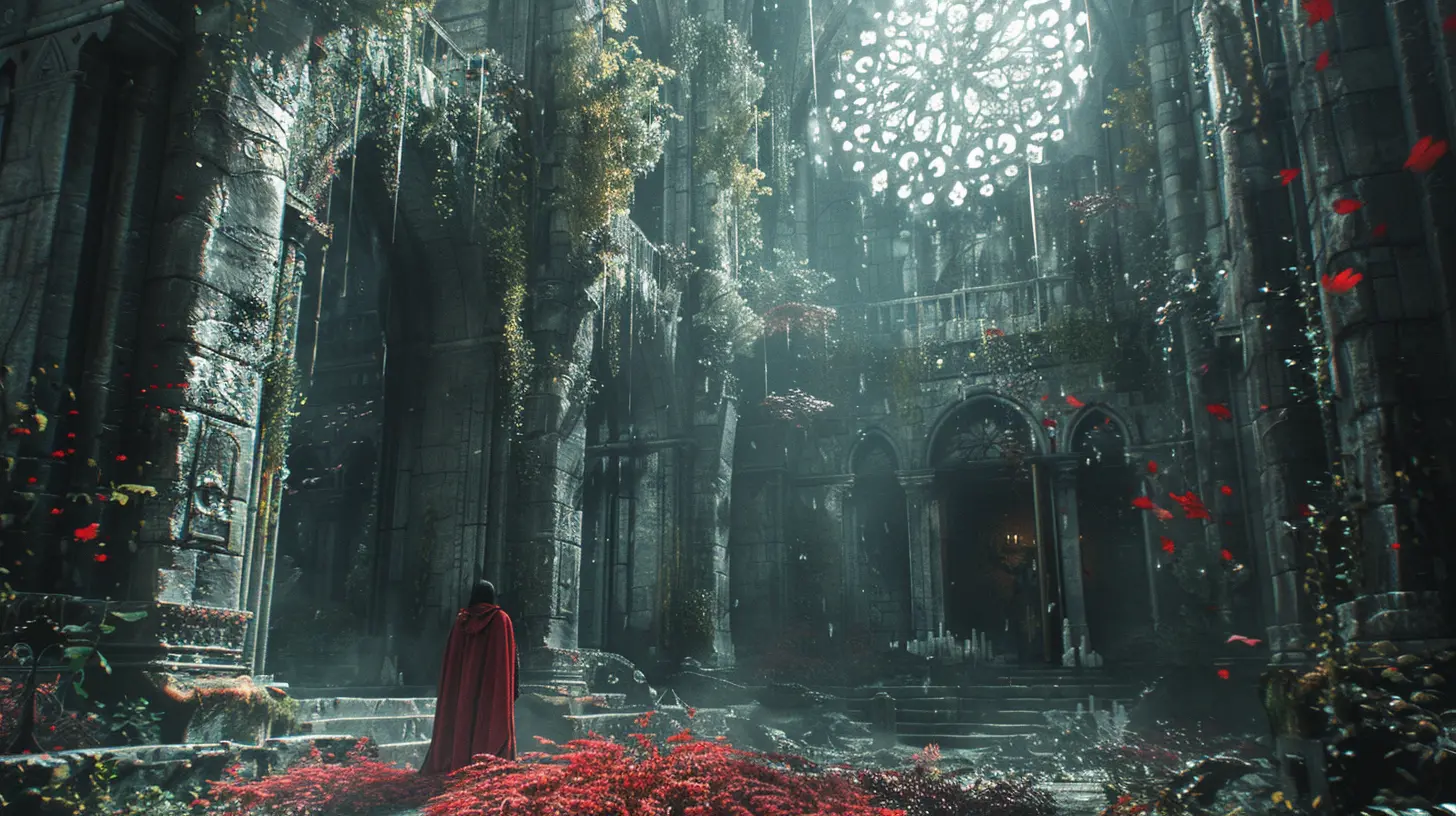
Emotions That Hit Hard
Video games are no longer just about winning or beating the final boss. They’re about feeling.Cutscenes have the unique power to shift a game from "just another level" to a full-blown emotional rollercoaster. Think about the gut punch of losing a companion you’ve adventured with for ten hours—or the joy of a hero finally reclaiming their home.
Remember The Last of Us? Those cutscenes between Joel and Ellie didn't just serve the story; they were the story. You felt their pain, warmth, and growth, all while sitting there gripping your controller a little tighter.
Cutscenes aren't just fluff—they’re emotional glue.
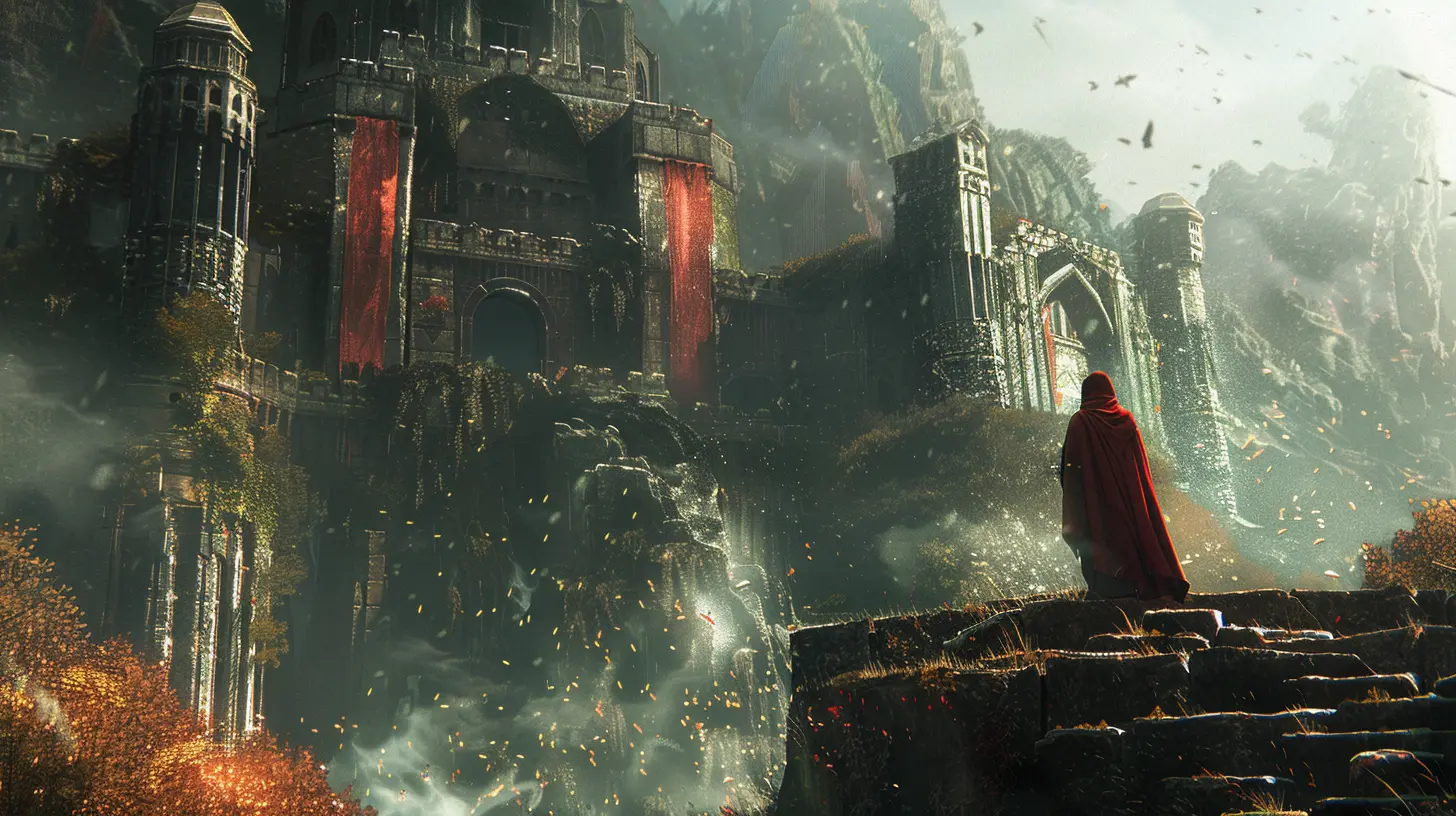
Setting the Scene (Literally)
First impressions matter, especially in games.A strong opening cutscene sets the tone for the entire experience. Whether it's a cinematic flyover of a war-torn land or a quiet, intimate look inside a character’s dream, these scenes build worlds before you even pick up the sword.
And it’s not just about drama. Even humorous, stylized games like Borderlands use edgy, fast-paced cutscenes to establish tone and style. Boom, you know exactly what kind of wild ride you’re in for.
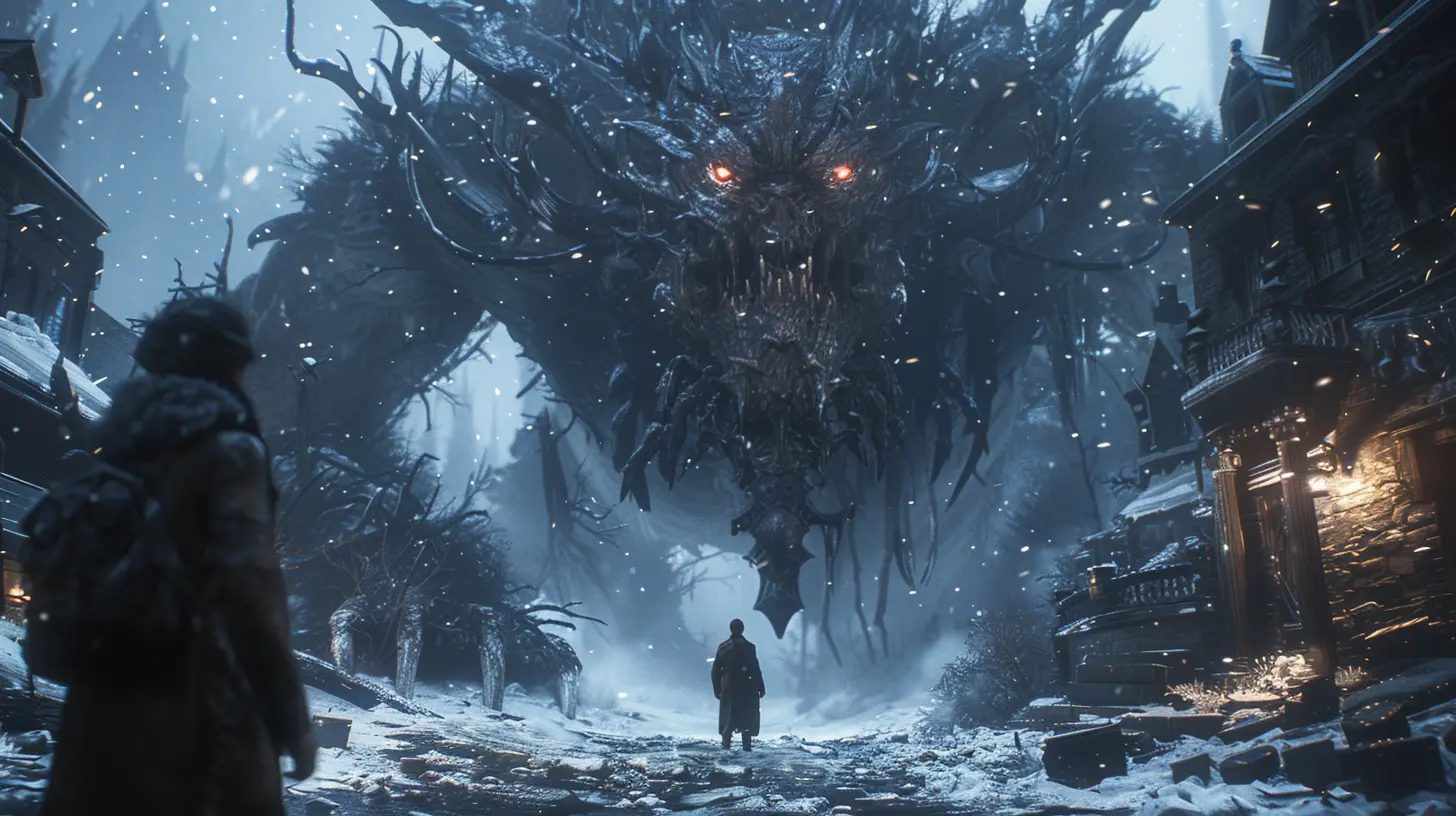
Fleshing Out Characters
Let’s face it—stats and skill trees don’t make us care about a character. Their story does. And that’s where cutscenes shine like a rare loot drop.They give life to pixelated faces.
Through dialogue, facial expressions, and body language, cutscenes deliver character development in a way that no item description or stat screen ever could. Think of Geralt from The Witcher 3. His sarcastic wit, tired eyes, and subtle smirk? All captured in beautifully animated sequences.
Cutscenes allow characters to evolve in front of us. We watch them struggle, laugh, cry, and grow—and in turn, we connect with them on a deeper level.
Feeding the Plot
Let’s get real—without a compelling story, a game can feel hollow.Cutscenes allow creators to feed you story without overwhelming you. Instead of dumping paragraphs of lore or endless exposition, scenes show you what’s happening. It's the golden rule of storytelling: Show, don't tell.
From foreshadowing plot twists to revealing hidden motives, cutscenes deliver layered storytelling while keeping things visually engaging.
Want a perfect example? Take Red Dead Redemption 2. Every cutscene slowly builds out the complex relationship between Arthur Morgan and Dutch. You see trust form, crack, and shatter—all without clunky dialogue or tedious mission briefings.
They’re a Visual Symphony
Cutscenes are more than just dialogue and plot points—they’re artistic performances.Camera angles, lighting, music, sound effects—they all come together like an orchestra to deliver moments that stick with us long after the credits roll. Imagine a close-up of a hero’s face, bloodied but determined, while soaring music swells in the background. Chills, right?
These visual elements work in harmony to tug at our emotions and lock us deeper into the story.
And let’s not forget the voice acting. When done right, it's like a cherry on top. It adds rich texture to the narrative, making every whispered secret or explosive outburst count.
Breaking Down the Best in the Business
Let’s geek out for a sec. Some games absolutely crush it when it comes to visual storytelling with cutscenes.1. The Last of Us (Series)
You knew this one would pop up. With its beautifully directed cutscenes, Naughty Dog told a post-apocalyptic story that felt deeply human. Even non-gamers couldn’t deny the emotional power behind that journey.2. God of War (2018)
Kratos, the angry god-slayer, became… a dad? Through cinematic cutscenes, we watched the evolution of his relationship with Atreus. It wasn’t just about slashing monsters—it was about fatherhood, redemption, and restraint.3. Final Fantasy X (and many others in the series)
Nobody forgets that heartbreaking scene in the lake. Final Fantasy games have long used elaborate cutscenes to unravel intricate plots, complete with romance, betrayal, and fate.4. Metal Gear Solid Series
Say what you will about long cutscenes—Hideo Kojima knows how to make them count. His games are practically playable movies, loaded with political twists, personal stakes, and visual mastery.
When Cutscenes Go Wrong
Okay, let’s be fair. Not all cutscenes are epic.Some interrupt gameplay too frequently. Others are poorly acted or lazily written. And worst of all? Unskippable cutscenes before hard boss fights. Yeah, we’ve all been there, mashing buttons to no avail.
Bad cutscenes can break immersion and frustrate players. But when developers strike the right balance between gameplay and narrative pacing, it’s pure magic.
Interactive Cutscenes: The Best of Both Worlds
Here’s where things get spicy.Modern games are embracing a hybrid form—interactive cutscenes. You’re not just watching anymore; you’re influencing the outcome. Think Detroit: Become Human or Until Dawn. Your choices, timing, and actions during these moments shape the story. It’s storytelling with stakes.
This evolution of cutscenes turns passive moments into deeply personal experiences. You aren’t just watching a hero rise—you’re guiding them.
Let’s Talk Tech: The Rise of Real-Time Cutscenes
Cutscenes used to be pre-rendered video files—gorgeous, but disconnected from the actual game visuals. Today, many games use real-time engines to render cutscenes seamlessly. The result?No more jarring transitions between “game mode” and “movie mode.” Your character’s gear, facial scars, even weather effects stay consistent. It’s all smooth continuity, making the story feel even more authentic and immersive.
The Power of Silence
Sometimes, the most powerful cutscenes don’t say a word.Take Shadow of the Colossus. Its minimal dialogue creates space for visual storytelling to soar. The setting, music, and subtle gestures paint a haunting, emotional picture. You don’t need exposition when every frame speaks volumes.
Silence allows players to project their own feelings into the story. It’s intimate. It’s poetic. And when done right, it's unforgettable.
Why We Keep Coming Back
At the end of the day, why do we keep talking about cutscenes?Because they remind us that games are more than just mechanics—they’re stories we live.
Cutscenes draw us into worlds where we laugh with characters, mourn their losses, and celebrate their triumphs. Through visual storytelling, cutscenes create bonds that long outlive the hours we spend playing.
Whether it’s a quiet look between friends or an earth-shattering plot twist, the best cutscenes stay with us. They’re the heartbeat of a great game.
Final Thoughts
Cutscenes aren’t just cinematic fluff—they’re the soul of storytelling in gaming. They shape our emotional experience, build unforgettable characters, and plunge us into worlds worth exploring.Sure, we love the action, the puzzles, the thrill of unlocking achievements. But it's the stories—the ones told through stunning visuals and heartfelt cutscenes—that truly make games matter.
So next time a cutscene rolls around, lean back and soak it in. You’re not just watching—you’re feeling, connecting, and experiencing the depth behind the pixels.
And isn’t that why we play in the first place?
all images in this post were generated using AI tools
Category:
Game GraphicsAuthor:

Pascal Jennings
Discussion
rate this article
2 comments
Sandra Adams
This article beautifully captures the essence of cutscenes in gaming. They truly enhance storytelling by connecting us to characters and emotions in ways gameplay alone often cannot. Thank you for sharing!
April 26, 2026 at 3:27 PM
Pascal Jennings
I appreciate your thoughtful feedback! I'm glad you found the article resonant. Cutscenes really do add a rich layer to storytelling in gaming. Thank you for reading!
Macey Turner
Cutscenes are more than just eye candy; they elevate gaming to an art form. They immerse us in rich narratives, evoke deep emotions, and create unforgettable moments. Embrace the magic of visual storytelling and let these experiences inspire your next adventure!
April 17, 2026 at 4:24 AM
Pascal Jennings
Absolutely! Cutscenes do more than look good; they enhance storytelling and draw players deeper into the game's world. They really can make an experience unforgettable.