The Science of Win Rates and Game Balance
19 December 2025
Let’s be real for a second: whether you're an aspiring esports pro, a weekend warrior grinding casual matches, or just a curious observer of the gaming universe, you've probably asked yourself at some point: "Why does it feel like this game is totally unfair?" Or maybe you’ve been on the other side — dominating match after match, leaving your opponents in the digital dust — and wondered, "Is this game actually balanced, or am I just cracked?"
Well, here's the truth: there’s actual science behind all of this. Win rates and game balance aren't just random numbers or feelings. They're measurable, tweakable elements, and they directly shape how exciting, fair, or frustrating a game feels.
In this article, we'll break it all down in plain English. We'll explore the numbers, the psychology, and even the invisible decisions developers make behind the scenes to keep the playing field as level (or intentionally unlevel) as possible.
What Exactly Is a Win Rate?
Let’s kick things off with the basics.A win rate is simply the percentage of games a player, character, faction, or team wins. Sounds simple, right? But here’s where it gets complicated. What exactly is winning?
In some games like Call of Duty, it might mean your team finishes the match with the highest score. In others like Hearthstone or League of Legends, it’s about destroying objectives or outlasting your opponent. Regardless, win rate ultimately represents one thing: how often success happens.
But here's something wild — a 50% win rate isn't always the goal. Wait, what?
Yup. In competitive games, especially those with matchmaking systems, developers often shoot for that sweet 50% globally. That means across all skill levels, a character, strategy, or weapon should hover around half wins and half losses.
Why? Because if something wins too often, it becomes dominant. If it wins too little, it becomes irrelevant. Neither is fun for the player.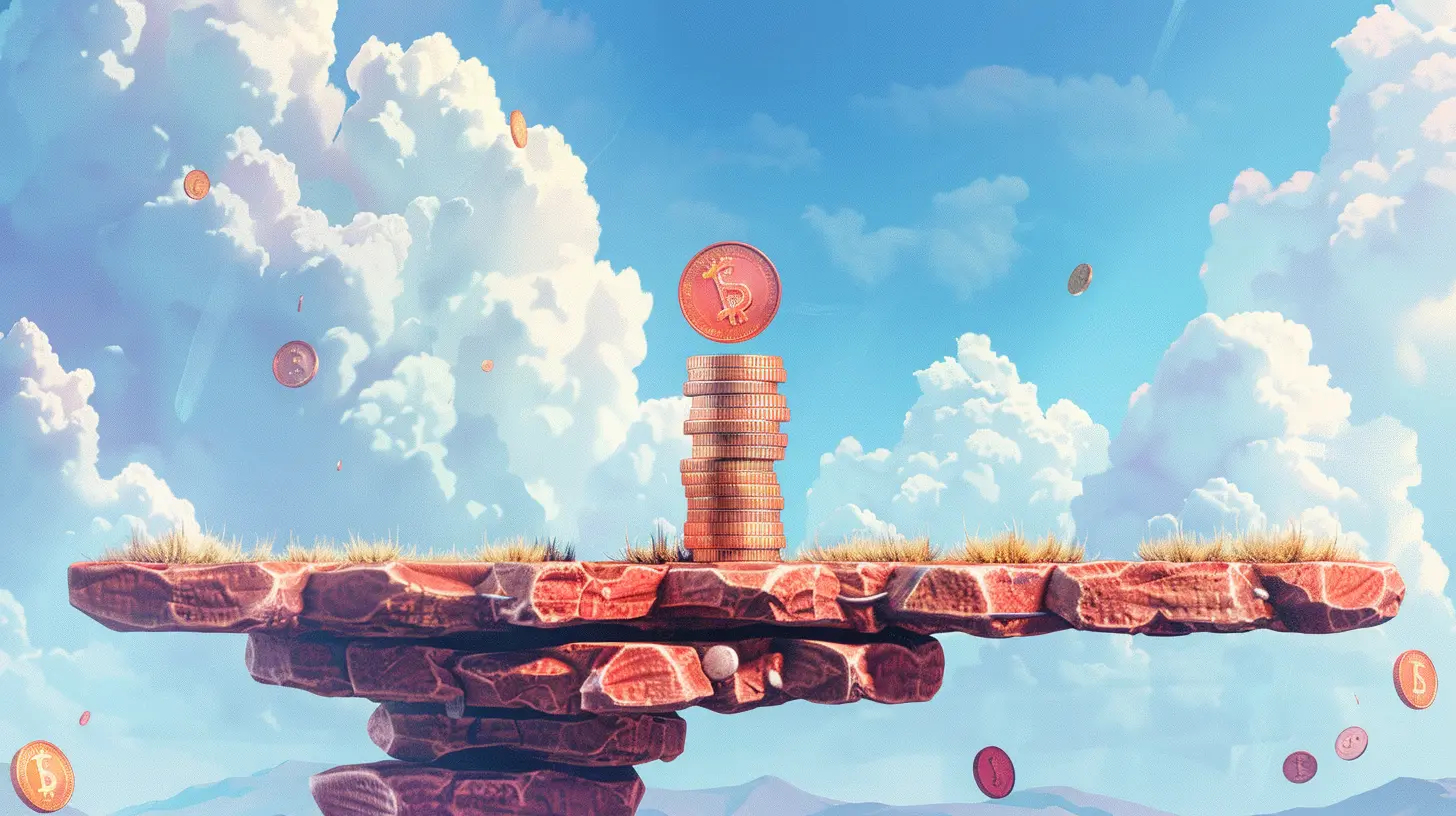
Why Game Balance Matters (More Than You Think)
Game balance is the secret sauce that makes or breaks a game’s longevity. When done right, it’s invisible. When it’s off? Oh, you’ll feel it — hard.Imagine a shooter where one gun kills instantly from across the map. Or a MOBA where one hero can 1v5 the enemy team every time. That’s not balance — that’s chaos. And chaos makes people quit.
Game balance ensures a level playing field where skill, strategy, and teamwork matter more than picking the “meta” build or exploiting a broken combo.
But here's the kicker… perfect balance doesn’t mean perfect fairness.
The Illusion of Fairness
Developers often aim for what’s called “perceived fairness.” Even if a game isn’t perfectly balanced, it needs to feel like everyone has a chance. Think of it like pro wrestling — it’s not always a fair fight, but it’s dramatized in a way that keeps you rooting, hoping, and hyped.
Matchmaking and Its Role in Win Rates
You’ve probably heard of this mysterious system running in the background of your games: matchmaking. Whether it’s MMR (Matchmaking Rating), ELO, or some other fancy acronym, the idea is to match you against players of roughly equal skill.When matchmaking works well, you’re put into tight games where either team could win — that magical balance again. And if it works really well? Your win rate should naturally stabilize around 50%.
But here’s the twist: that doesn’t always feel good.
The 50% Curse
Let’s say you’re improving. You win 3 games in a row. Awesome! But then the matchmaking system bumps you up, and suddenly, those wins get harder to come by. You lose 2, win 1, lose another. Suddenly, you’re back at...you guessed it, 50%.It can feel like you're on a treadmill — always grinding, rarely gaining. That’s not bad game design, but it can mess with your head. And that’s where psychology kicks in.
Win Rates and Player Psychology
Let’s talk emotions. Because numbers aside, we’re emotional creatures when it comes to gameplay.Losing Hurts More Than Winning Feels Good
It’s a phenomenon called loss aversion, and it’s a real doozy. Studies show that losing a game affects us more deeply than winning one lifts us up. It’s why a 50% win rate can still feel like you’re doing poorly — because those losses echo louder in our minds.The Feedback Loop
When win rates dip, players often blame the game, the balance, or even their teammates. Fair. But sometimes, it starts a negative feedback loop: you tilt, play worse, lose more, then rage quit.Good developers know this cycle and try to soften the blow. That’s why you’ll sometimes notice “hidden matchmaking adjustments” or rubber-banding mechanics in games — to keep you on that emotional high just a little longer.
Balancing Characters and Factions — A Developer’s Nightmare
Balancing in games with multiple characters (think Overwatch, League of Legends, or Smash Bros.) is like juggling flaming swords. One tweak and suddenly an underdog becomes overpowered.So, how do developers decide what’s balanced?
Data, Data, Data
They check win rates, pick rates, ban rates, and even average damage. But again, stats aren’t everything. A character with a 55% win rate might feel balanced because only hardcore players use them. Another might have a 48% win rate but be extremely annoying to play against — and that’s a balance issue too.Community Feedback
Players are loud. And that’s both a blessing and a curse. Devs need to listen, but they also need to filter the noise. Just because a character feels OP doesn’t mean they are OP. Balance is part science, part art.The Role of the Meta
Ah yes, the ever-changing “meta” — short for “metagame.” It’s the current state of play: which characters are top-tier, what strategies reign supreme, and which tactics are yesterday’s news.Meta defines what’s popular and “optimal.” But metas shift. And they have to. A “solved” game — where everyone uses the same strat — gets stale fast. That’s why developers mix things up with patches, buffs, and nerfs.
Nerfs, Buffs, and Win Rate Shockwaves
Ever seen a patch note that says “reduced base damage by 5%”? Seems minor, right? But that tiny change can ripple through the game and completely upend win rates.It’s like tuning a guitar. One string too tight? The whole song sounds off.
Win Rates Aren’t Everything
Here’s a hard truth, especially for stat junkies: win rates alone don’t define balance.Let’s say a champion has a 60% win rate, but only 0.1% of players use them. That’s likely a niche pick, not a broken one.
Or maybe a hero has a low win rate, but is super fun to play and has a high skill ceiling. Devs might leave that alone. Because — surprise — fun matters too.
Statistically balanced games can still be unfun. And fun-but-broken games can still attract millions. It’s a delicate dance.
So, Can a Game Ever Be Perfectly Balanced?
Here’s the honest-to-goodness truth: probably not.Perfect balance is a myth. Because as long as there are players, there will be preferences, skill gaps, metas, and randomness. And that’s okay.
Games aren’t spreadsheets. They're playgrounds. They’re chess matches and improv shows blended into one. A game that’s “perfectly balanced” might actually be boring.
What truly makes a game great is when it feels competitive, rewarding, and — most importantly — fair enough. When skill and choices matter more than luck or exploits.
Tips for Staying Sane in the Win Rate Chase
Let’s wrap this up with some humble advice for players trying to climb the ladder or just enjoy the ride:- Don’t obsess over stats – They’re a tool, not a verdict.
- Watch your own replays – Learn > win.
- Meta isn’t everything – Sometimes your off-meta pick is exactly what the team needs.
- Play what you enjoy – Fun is underrated.
- Accept the 50/50 rule – It means matchmaking is working. You’re not cursed.
- Take breaks – Mental resets are game-changers.
Remember, you’re playing games — not solving a math equation (even if win rates seem like it sometimes).
Final Thoughts
So, what have we learned? That win rates are more than just numbers. They’re tied to balance, psychology, matchmaking, and even emotion. Developers work tirelessly to craft systems that feel good, play fair, and keep the flame of competition alive.Balance isn’t a destination. It’s a journey. And as players, we’re all part of the process — whether we realize it or not.
So next time you lose a close match or watch the patch notes drop a nerf bomb on your favorite character, remember: it’s all part of the science. And it’s kinda beautiful when you think about it.
all images in this post were generated using AI tools
Category:
Game BalancingAuthor:

Pascal Jennings
Discussion
rate this article
2 comments
Briar Sweeney
Science says: Winning is just a math game!
December 23, 2025 at 3:18 PM
Pascal Jennings
While math plays a crucial role in win rates and game balance, winning also involves strategy, skill, and sometimes luck.
Zephyrwind McNeil
Balance breeds excitement; victory is within reach!
December 20, 2025 at 5:36 AM
Pascal Jennings
Thank you! Striking the right balance truly enhances the thrill of competition and makes victories even more rewarding.