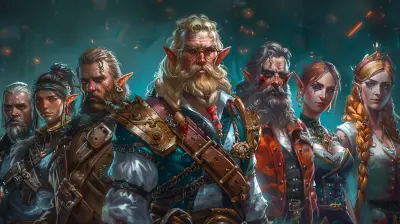
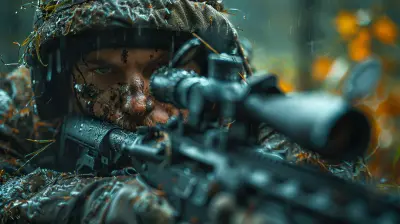
The Rise of Hand-Drawn Aesthetics in Modern Games
3 May 2026
Let’s face it—most of us play games because they whisk us away from reality. Whether you're duking it out in a pixelated dungeon, soaring through a futuristic universe, or solving eccentric puzzles in a quiet village, games have a special way of drawing us in. But lately, there’s been a trend that’s not just catching eyes—it’s winning hearts. Yep, I’m talking about hand-drawn aesthetics.
Forget about photorealistic explosions and ultra-HD character models for a second. There’s something magical (and oddly nostalgic) about a game that looks like it was sketched straight from an artist’s notebook. In recent years, hand-drawn visuals have been making a massive comeback in the gaming world—and it’s about time we give this style the spotlight it deserves.
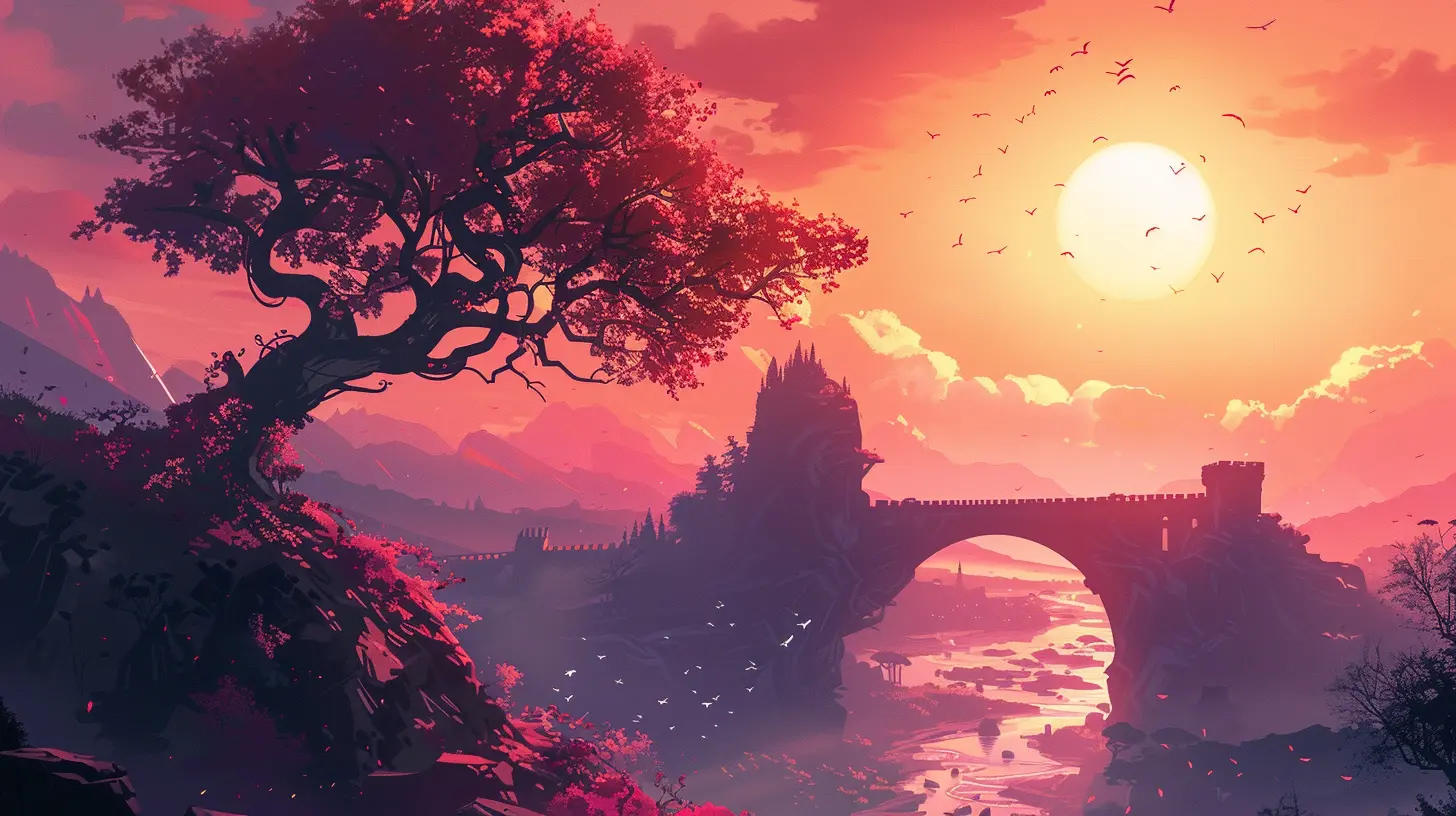
What Exactly Are Hand-Drawn Aesthetics?
Let’s break it down. Hand-drawn aesthetics in games refer to art styles that look as if they were drawn or painted by hand—kind of like a moving painting or animated comic strip. These visuals are often crafted frame by frame, giving them a fluid, organic, and highly stylized feel. They can be whimsical or dark, vibrant or moody, but one thing’s for sure—they stand out in a sea of filtered shaders and high-poly realism.It's worth noting that hand-drawn doesn't always mean 2D. Some games use hand-drawn textures or cel-shaded shading techniques to combine the old-school charm of traditional art with modern 3D environments.
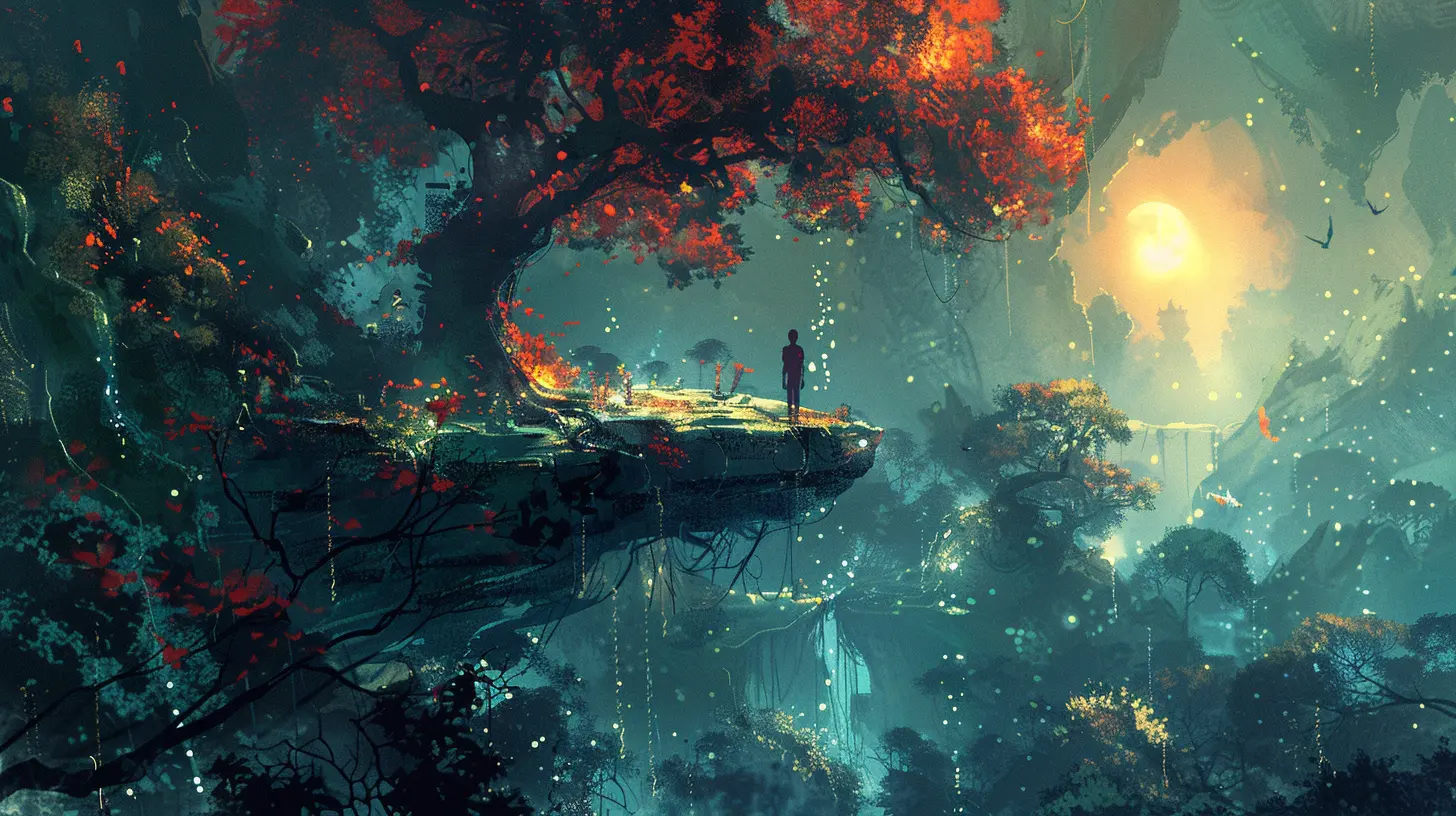
Why Players Are Falling in Love with It Again
Alright, so you might be wondering: “Why are developers steering away from hyper-realistic graphics and going back to drawings?” Good question.Here’s the deal—games are art. Always have been. But with all the horsepower behind today's gaming rigs, many titles have started to look kind of… the same. Hand-drawn styles bring back a layer of creativity, personality, and genuine human touch that's hard to fake. They make games feel more like interactive storybooks or animated films where every frame matters.
Plus, there's nostalgia in the mix. Many of us grew up on cartoons, comic books, and classic 2D games. Seeing those influences return in modern titles brings back that cozy, childlike wonder we didn’t know we missed.
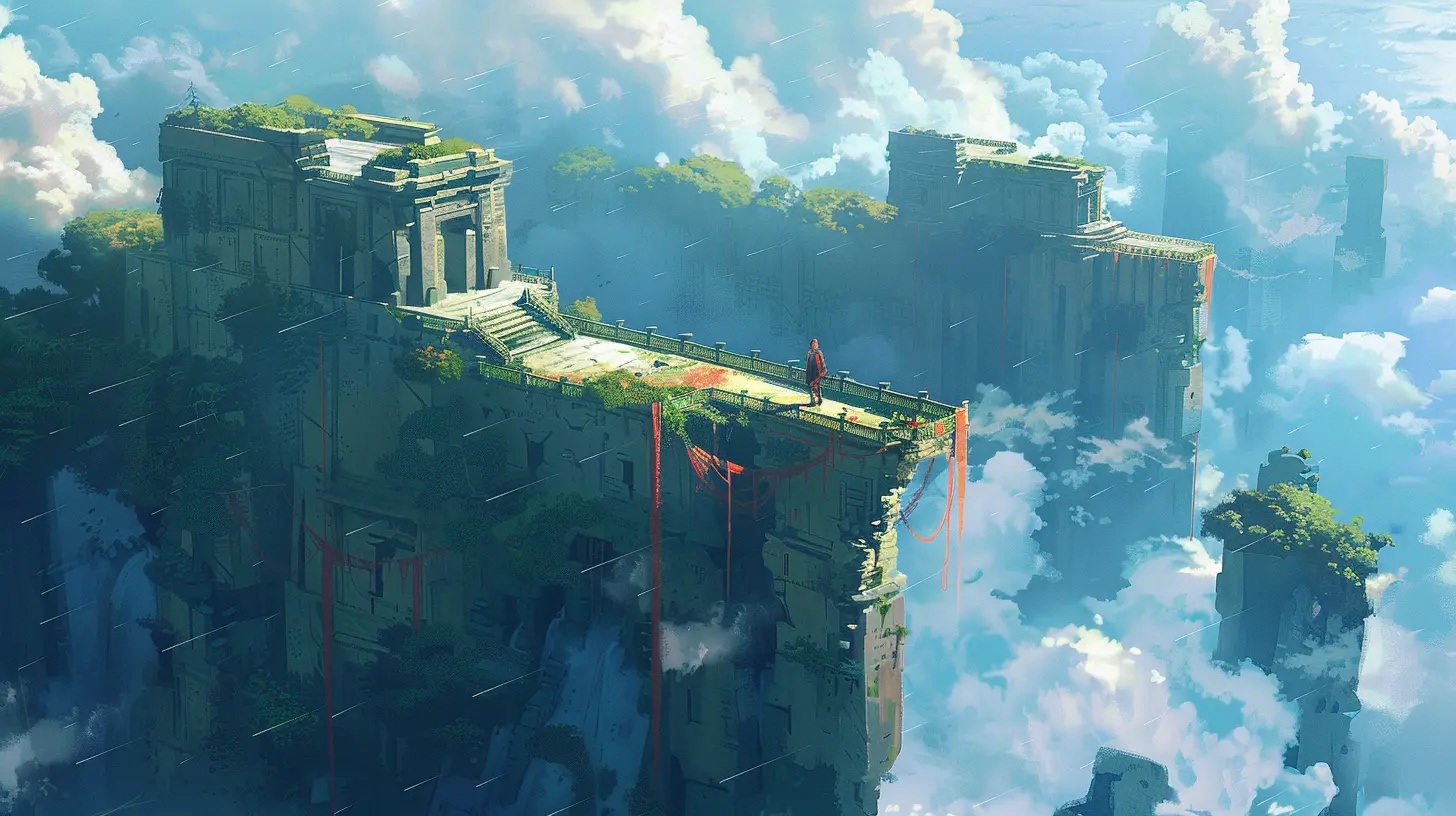
The Indie Revolution: The Real MVP
Let’s give a standing ovation to indie developers for reviving hand-drawn aesthetics. While AAA developers were busy chasing photorealism, indie studios were quietly crafting masterpieces with pencils, pens, watercolors, and digital brushes.Think about games like:
- Hollow Knight – A hauntingly beautiful, hand-drawn Metroidvania that feels alive in every frame.
- Cuphead – A jaw-dropping love letter to 1930s cartoons, complete with jittery animations and vintage flair.
- Ori and the Blind Forest – With its watercolor vibes and ethereal glow, it's like playing inside a dream.
- Gris – A poetic, visually stunning platformer that uses art to tell an emotional story without a single word.
These games didn’t just look good—they told compelling stories through their visuals. And it’s this combo of style + substance that’s causing more and more developers to jump on the hand-drawn train.
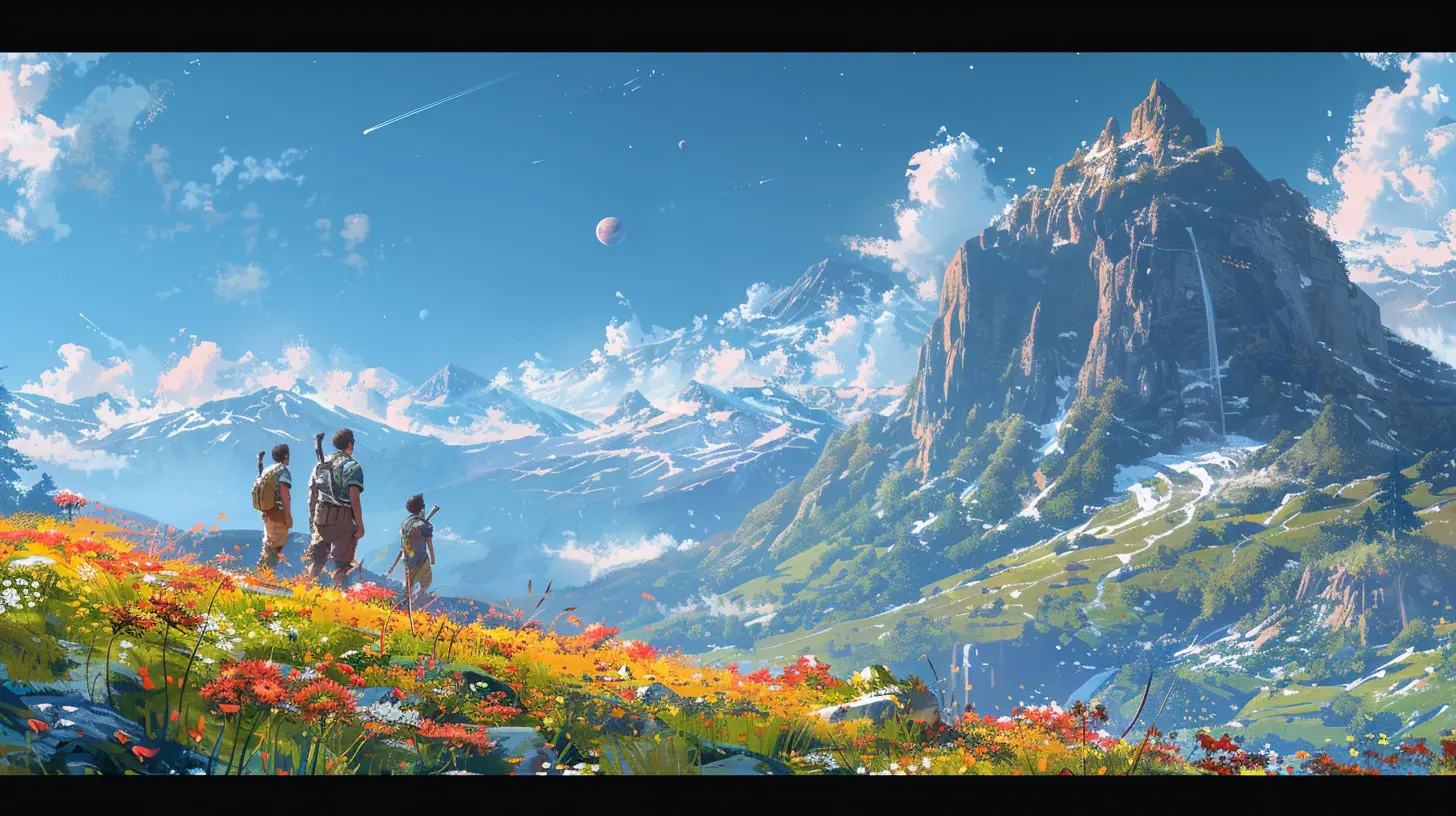
The Power of Emotional Storytelling Through Art
Let’s get a little deeper. One huge reason why hand-drawn games resonate with players is the emotional weight they carry.Unlike realism, which aims to replicate the world as it is, hand-drawn art gives developers the freedom to exaggerate emotion. A crooked smile, a teardrop with a little extra glimmer, or a background that shifts with the mood—these are things you can do more effectively with illustrations.
Hand-drawn visuals have this uncanny ability to tap into our emotions. It’s like reading a children’s book or watching a classic animated film—it bypasses logic and speaks straight to the heart.
Ever played a game that made you cry, just because of the way it looked? Yeah, that’s hand-drawn magic in action.
Hand-Drawn vs. High-Fidelity Graphics: Does One Win?
Okay, let’s clear the air: this isn’t a battle. Realism and hand-drawn aesthetics serve different purposes, and both have their place in the gaming multiverse.Think of it like movies. Sometimes, you want a gritty action flick with mind-blowing CGI. Other times, you're in the mood for a cozy animated feature that wraps around you like a warm blanket. Hand-drawn games offer that second experience—comforting, artistic, and distinct.
That said, hand-drawn art has one huge edge: it doesn't age as quickly.
Ever fired up an old "realistic" game from 2010 and cringed at the graphics? Yep. But a game with well-crafted 2D art will look just as good today as it did a decade ago. It’s timeless, like a Van Gogh painting or an old-school comic strip.
Artists Behind the Pixels: Celebrating the Creators
We can’t talk about hand-drawn aesthetics without giving mad props to the artists behind them. These aren’t just designers—they're storytellers, world-builders, and visionaries.Creating hand-drawn assets is no small feat. Every frame might require countless hours of sketching, coloring, shading, and testing. It’s labor-intensive, often grueling, and deeply personal. But wow, does it pay off.
Artists pour themselves into these games. That’s why playing one feels like stepping into someone else’s imagination. You’re not just playing—you’re seeing the world through their eyes, one brushstroke at a time.
The Tools That Make It Happen
In case you’re wondering, most hand-drawn games today are made using digital tools—but that doesn’t make them any less artistic. In fact, software like Photoshop, Procreate, Aseprite, and Spine allows artists to blend traditional sketching techniques with modern flexibility.Animations can be crafted frame-by-frame, much like old-school cartoons. It’s an art form rooted in discipline and creativity, even if it’s rendered in pixels instead of paint.
Plus, digital tools allow for non-destructive editing, version control, and easier integration into game engines like Unity or Unreal. It combines the heart of traditional art with the brains of cutting-edge tech. Win-win.
Trends Fueling the Popularity Surge
So how did hand-drawn games go from niche to mainstream? A few trends played a huge role:1. Streaming & Social Sharing
Hand-drawn games are screenshot gold. They look amazing on Twitch, create buzz on Reddit, and rack up likes on Instagram. A single frame from a game like Gris or Cuphead can go viral instantly. And let’s be honest—everyone wants their game to look cool, especially when influencers give it the spotlight.2. Nostalgia Culture
We're in a golden age of nostalgia. From retro consoles to pixel art throwbacks, players are craving the vibes of yesteryear. Hand-drawn aesthetics tap into this perfectly, acting as a bridge between the past and the present.3. Artistic Statement
In an industry dominated by franchises, microtransactions, and seasonal updates, hand-drawn games often feel like personal projects. They’re passion-driven, often experimental, and very intentional in their design. For many gamers, that’s a refreshing change of pace.Will Hand-Drawn Games Ever Take Over?
Honestly? We hope not—and we mean that in the best way.Hand-drawn games aren’t meant to "replace" anything. They're carving their own niche, offering a beautiful alternative to high-fidelity realism. And that variety is what makes the gaming landscape so exciting.
Different moods deserve different visuals. Some days you want fast-paced, ultra-HD shooters. Other times, you want to stroll through an artsy world painted with love. Both can—and should—exist side by side.
The Future Is Sketchy (In a Good Way)
Looking ahead, we can expect more studios—big and small—to take visual risks. Hybrid styles, new tools for 2D animation, and mixed-media experiments are on the rise. Games will continue borrowing from illustration, film, graphic design, and even fine art.We’re entering an era where visuals aren’t just “good enough”—they’re unforgettable. And hand-drawn styles? They’re leading the charge.
As players, we win big. Because let’s face it: there’s nothing quite like the feeling of stepping into a world that looks like someone painted it just for you.
Final Thoughts
The rise of hand-drawn aesthetics in modern games isn’t just a trend—it’s a movement. It’s a celebration of artistry, personality, and imagination in a world that often leans too heavily on realism. These games remind us that beauty doesn’t always mean fancy graphics. Sometimes, beauty is in the brushstrokes, the imperfections, the artistry.So next time you're browsing for a new game to dive into, take a moment to appreciate the ones that look like they belong in an art gallery. Chances are, behind that hand-drawn charm is a story—and a team of passionate creators—just waiting to be experienced.
all images in this post were generated using AI tools
Category:
Game GraphicsAuthor:

Pascal Jennings
Discussion
rate this article
2 comments
Julianne McEachern
Hand-drawn art in games is like a warm hug for the eyes! It's amazing to see creativity come alive in such a personal way. Here's to more colorful adventures in our gaming journeys... Keep playing!
May 23, 2026 at 4:19 AM
Pascal Jennings
I completely agree! Hand-drawn art brings a unique charm that enhances the overall experience. Here's to more vibrant and imaginative worlds!
Reid McMahan
The resurgence of hand-drawn aesthetics adds a unique charm to modern games, blending artistry with gameplay. This trend not only enhances visual storytelling but also invites players into distinct, immersive worlds.
May 5, 2026 at 3:41 AM
Pascal Jennings
I completely agree. Hand-drawn styles really do bring a fresh perspective, making games feel more personal and inviting. It's exciting to see how this trend shapes storytelling and player experiences.