The Meaning Behind the Ending of Disco Elysium
17 December 2025
Disco Elysium is one of those games that hits you like a freight train, but instead of leaving bruises, it leaves questions. Deep, philosophical, gut-wrenching questions that stay in your head long after the credits roll. But what’s up with that ending? Why does it feel like both a resolution and an open-ended whisper? Buckle up, because we’re diving into the murky depths of Revachol’s final act — and trust me, it’s as messy and fascinating as our favorite amnesiac detective’s hangover.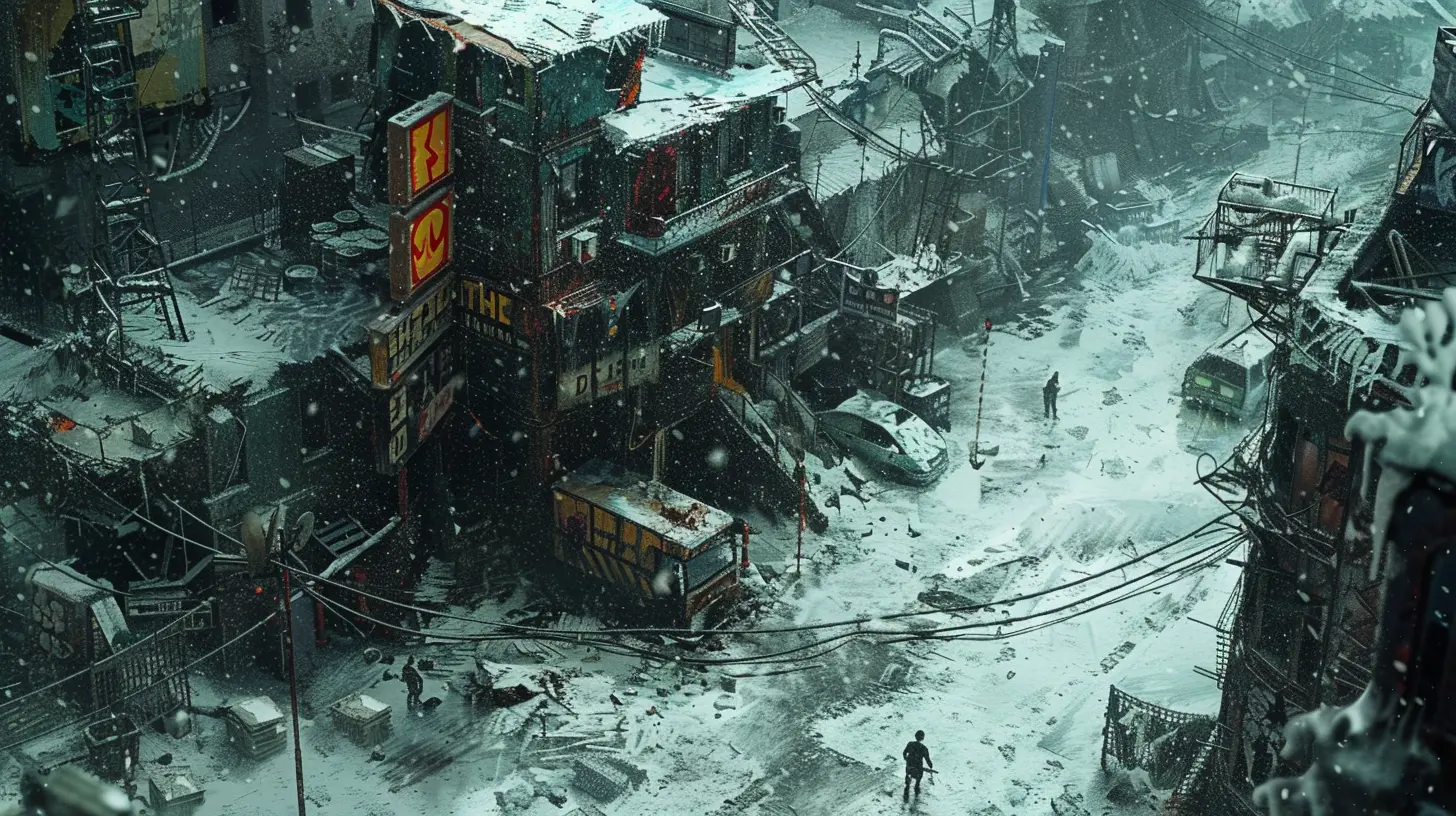
Understanding the Game Before the Finale
Before we even touch on that cryptic ending, we’ve got to talk about the journey. Disco Elysium isn’t your average RPG. It throws out traditional tropes and gives you something raw. You play as a broken detective — Harry Du Bois — trying to solve a murder while simultaneously wrangling with the shattered pieces of your identity.And it’s not just about who killed who. It’s about morality, politics, existential dread, trauma, failure, recovery... all that sweet, messy human stuff. From the start, you’re plunged into a world that’s worn down and bruised — a crumbling city filled with ghosts of past revolutions, capitalist rot, and personal regret. It’s heavy, but oh-so captivating.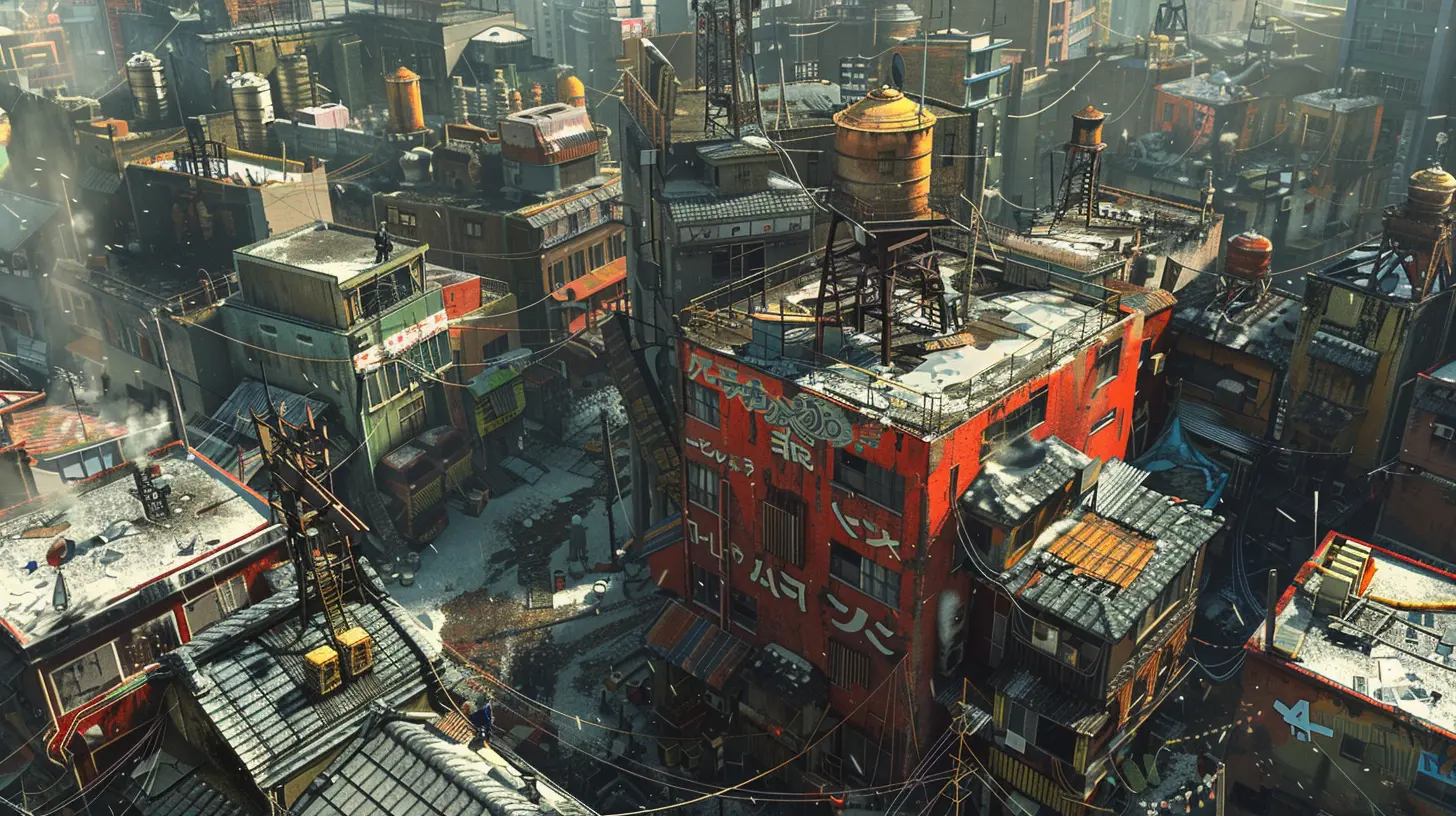
Quick Recap: What Happens at the End?
Let’s jog your memory. After days of sleuthing, soul-searching, and some questionable fashion decisions, you finally track down the killer. It turns out the person responsible for the hanged mercenary is an old man — a washed-up former revolutionary named Iosef Lilianovich Dros. He’s been hiding out in an abandoned church tower, watching the world decay, nursing his hatred.But here's where things get wild — before the confrontation ends, Harry (and the player) encounters something… otherworldly.
The Insulindian Phasmid.
Yup — a giant, almost mythical stick insect that somehow represents everything the game’s been whispering about the entire time.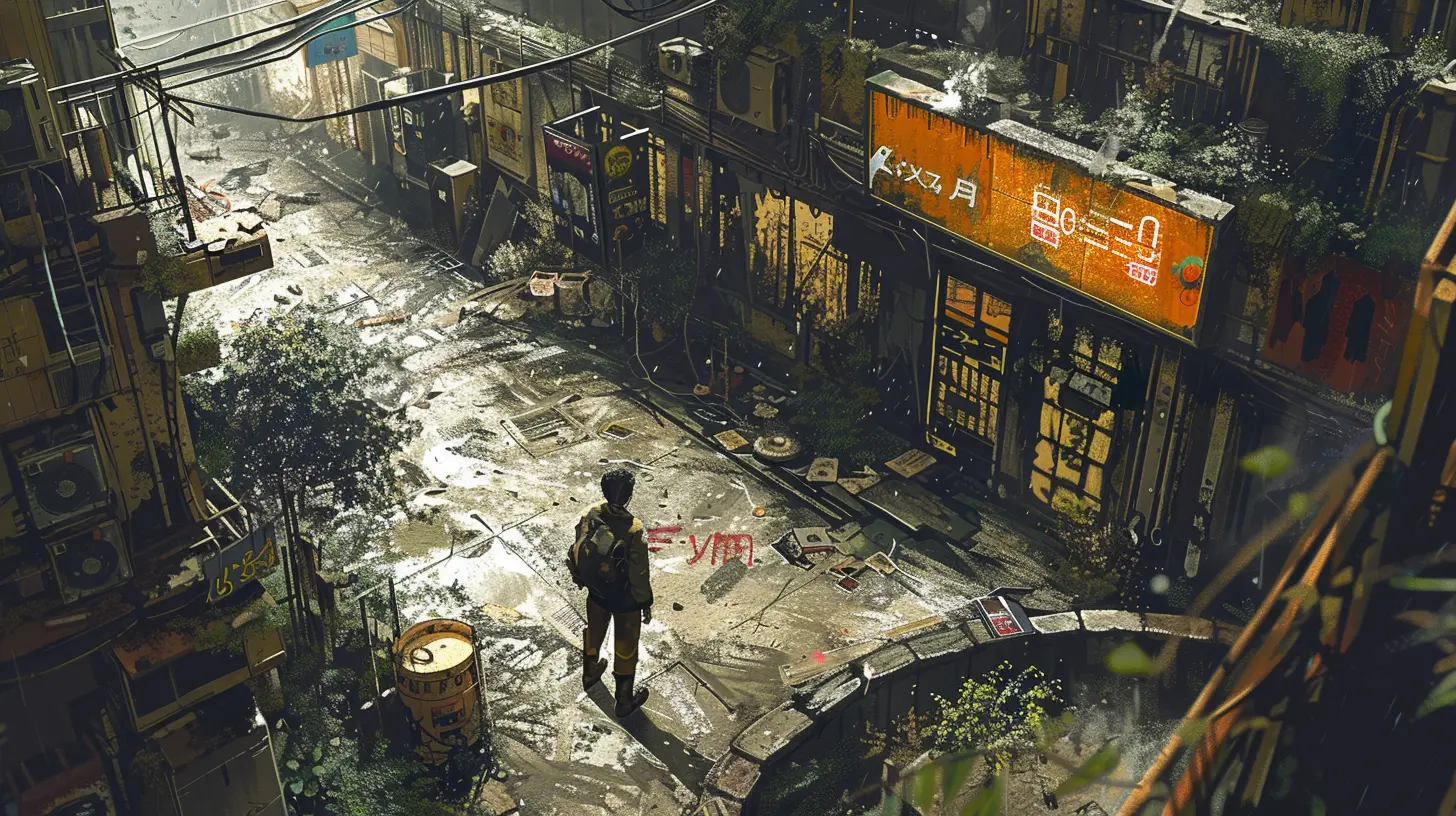
The Phasmid: Real or Symbolic?
So, did you actually see this enormous phasmid, or was it just another hallucination from Harry’s broken brain?That’s the million-dollar question.
See, Disco Elysium thrives on ambiguity. You never know if what you're seeing is real or filtered through the kaleidoscope of Harry’s delusions. But when the phasmid appears in the flesh — speaking its strange, poetic thoughts directly into your mind — it’s hard not to think, “Wait… is this real?”
Symbolically, the phasmid is a huge deal. It represents the unknown — that spark of mystery and wonder that still exists in a world that otherwise feels dead, corrupt, and tired. It’s nature asserting itself. It’s also about witnessing something bigger than yourself. A moment of calm, connection, awe… Maybe even redemption.
Some players theorize the phasmid is a stand-in for hope. Others think it’s a metaphor for discovery — that even in a city where everything seems ruined, beauty and truth are still hiding in forgotten corners.
The Killer: A Mirror of the City and Harry
Let’s get back to our shooter, because he’s far more than just “the guy who did it.”Iosef is a haunting character. He’s the physical embodiment of bitterness, failure, and ideological disillusionment. Once a revolutionary with dreams of shaping the world, he now rots away in isolation, stewing in his resentment. His motivations aren’t just personal — they’re systemic. The murder isn’t a random act of violence; it’s a deliberate strike against the world that left him behind.
Sound familiar?
Yeah — Harry and Iosef are two sides of the same coin. Both are men who fell from grace. Both are haunted by the past. One chose stagnation; the other, despite all odds, is still fighting to remember who he is… and maybe change.
When you confront Iosef, you’re not just solving a crime — you’re facing what Harry could become if he stops trying.
What the Ending Tells Us About Harry
Here's the kicker: by the time the credits roll, the case is closed, but the real story — Harry’s story — is far from over.Depending on your choices, you may discover more about your past. You may win back some respect. Or at least, you may find a sliver of purpose. But there’s no neat little bow on this one. Disco Elysium doesn’t end. It pauses.
Why?
Because Harry’s battle isn’t just against a killer or a city or even his own amnesia. It’s a fight for self-definition. The ending is telling you that healing, identity, and truth aren’t one-time achievements — they’re ongoing processes.
Will Harry go back to his old destructive ways? Or will he claw his way toward some kind of meaningful existence?
That’s left up in the air — because it's not about resolution. It’s about potential.
The Philosophical Core: Existentialism and Meaning
Let’s go deeper.Disco Elysium is steeped in existential philosophy. Sartre, Camus, Nietzsche — the gang’s all here, lurking behind every dialogue tree. The idea is simple but profound: life has no inherent meaning, so it's up to us to create our own.
The game’s ending hits this note hard. There’s no grand revelation waiting. No divine justice. No Hollywood-style redemption. There's just a broken man in a broken system trying to make sense of himself.
The phasmid doesn’t explain why the world is cruel. It doesn’t fix anything. But it presents a choice: let despair consume you or keep searching for beauty and truth anyway.
Harry’s final moments — that dreamy, almost surreal encounter with the phasmid — are a reminder that even in the darkest places, the world still holds secrets worth uncovering.
The Role of the Player: Why Your Choices Matter
Let’s not forget — you shape Harry. Not just what he does, but who he is. Your internal monologues, your moral compass (or lack thereof), your decisions — they all paint a picture of Harry’s soul.So when you reach the end, what you experience is also a reflection of you. Did you lean into empathy? Did you embrace your inner art cop? Communist cop? Hobo cop?
Every player gets a slightly different ending not because the plot branches wildly, but because the game’s true story is about transformation. Not of the world, but of the self.
The takeaway? Meaning isn’t handed to you. You dig it out, bit by bit, through the choices you make in the crumbling ruins of Revachol.
The Epilogue: A Glimmer of Hope or a Descent into Madness?
Let’s talk about the vibe of that final scene.You wrap the case. Your team gives you some feedback. There are hints about your role in larger political tensions. And then… you leave. Or rather, the credits roll and you're left sitting there, probably staring at your screen going, "Wait, that’s it?"
Yup. That’s it.
But it’s not meant to be satisfying in the traditional sense. Disco Elysium’s ending is more about reflection than closure. You didn’t just play a game — you lived inside someone’s psyche. You peeled back the layers of guilt, ideology, insanity, and maybe, just maybe found a reason to keep going.
For Harry, that’s a win. For you, it’s a challenge.
So, What Does It Mean?
To sum it up: the ending of Disco Elysium is more of a question than an answer. It’s asking you whether broken things can be made whole. Whether people can change. Whether truth matters in a world built on lies.It’s about wrestling with the void and deciding — day by day — to keep going anyway. Whether through politics, friendship, art, or even the whisper of a giant stick bug, you carve out your own sense of purpose.
And maybe that’s the most honest ending of all.
Final Thoughts: Why It Hit Us So Hard
If you’re like me, the ending left a weird pit in your stomach. Not because it was bad — far from it — but because it was real. It didn’t try to tie everything up. It showed you a man trying to stay afloat in a sea of regret, surrounded by ghosts, and somehow finding a whisper of meaning.That’s what makes Disco Elysium so powerful. It’s not just a game you beat. It’s a story you survive.
And when it’s over, you carry a piece of it with you.
all images in this post were generated using AI tools
Category:
Game Endings ExplainedAuthor:

Pascal Jennings
Discussion
rate this article
2 comments
Niva Martin
“Disco Elysium’s ending is like a kaleidoscope of existential dread and quirky humor—like a chicken reading Kafka in a disco! It’s a wild dance between choices and consequences, leaving us spinning in a philosophical limbo. Who knew introspection could feel so much like a party?”
December 28, 2025 at 4:49 AM
Pascal Jennings
Thank you! Your vibrant imagery perfectly captures the game's blend of humor and existential themes, making the philosophical journey feel both profound and entertaining.
Harvey Mendez
The ending of Disco Elysium is intentionally ambiguous, inviting players to reflect on their choices and the nature of identity. It challenges conventional storytelling, encouraging deeper engagement with the game's themes of existentialism and personal responsibility. Truly thought-provoking!
December 23, 2025 at 5:33 AM
Pascal Jennings
Thank you for your insight! The ambiguity indeed enriches the player's experience, prompting profound reflection on identity and choices. I'm glad you found it thought-provoking!