The Impact of Gaming Leagues on Game Development
27 February 2026
Gaming isn't just about button mashing or late-night grind sessions anymore. It's a full-blown industry, one that's become more competitive, more structured, and yes—way more lucrative. At the heart of this transformation? Gaming leagues.
You’ve probably watched, or at least heard of, a few esports tournaments—League of Legends World Championship, Call of Duty League, or maybe even The International for Dota 2. These are not just events where top players gather to compete; they’re massive cultural moments that shape the entire gaming landscape.
But how exactly do gaming leagues impact game development? That’s what we're diving into today. From influencing game mechanics to driving real-time updates and shaping community culture, gaming leagues are becoming an unseen hand guiding the industry. Let’s break it down.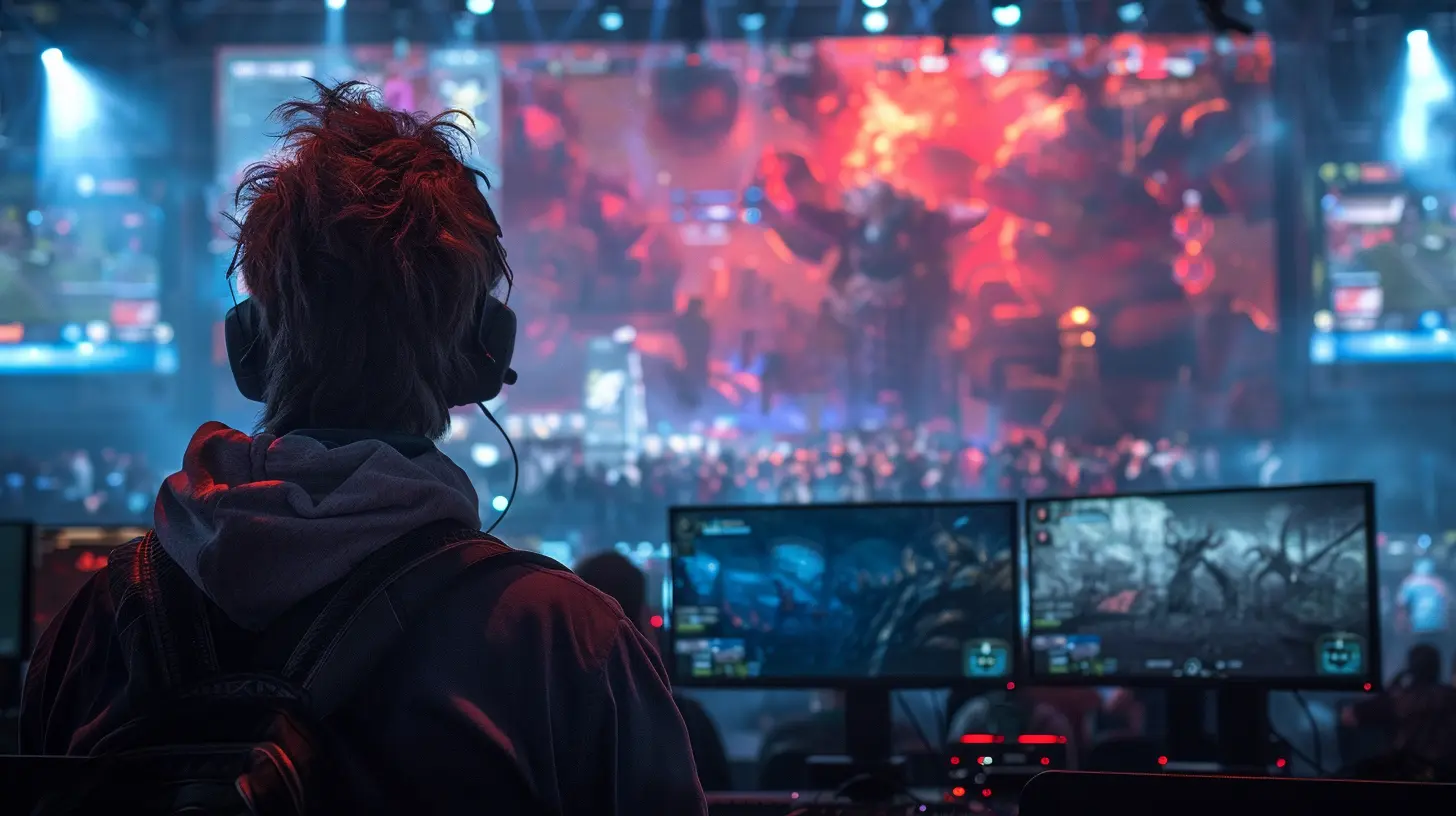
🕹️ What Are Gaming Leagues, Anyway?
Let’s get the basics out of the way. Gaming leagues are structured, often professional, competitions where players or teams face off in specific titles. Think of them as the NFL or NBA of the gaming world.They aren’t casual weekend competitions—these are legit seasons with rankings, team franchises, and hefty prize pools. They’re streamed online, hosted in massive arenas, and watched by millions. But more than just a place for top-level gameplay, they’ve become a testing ground for how games evolve.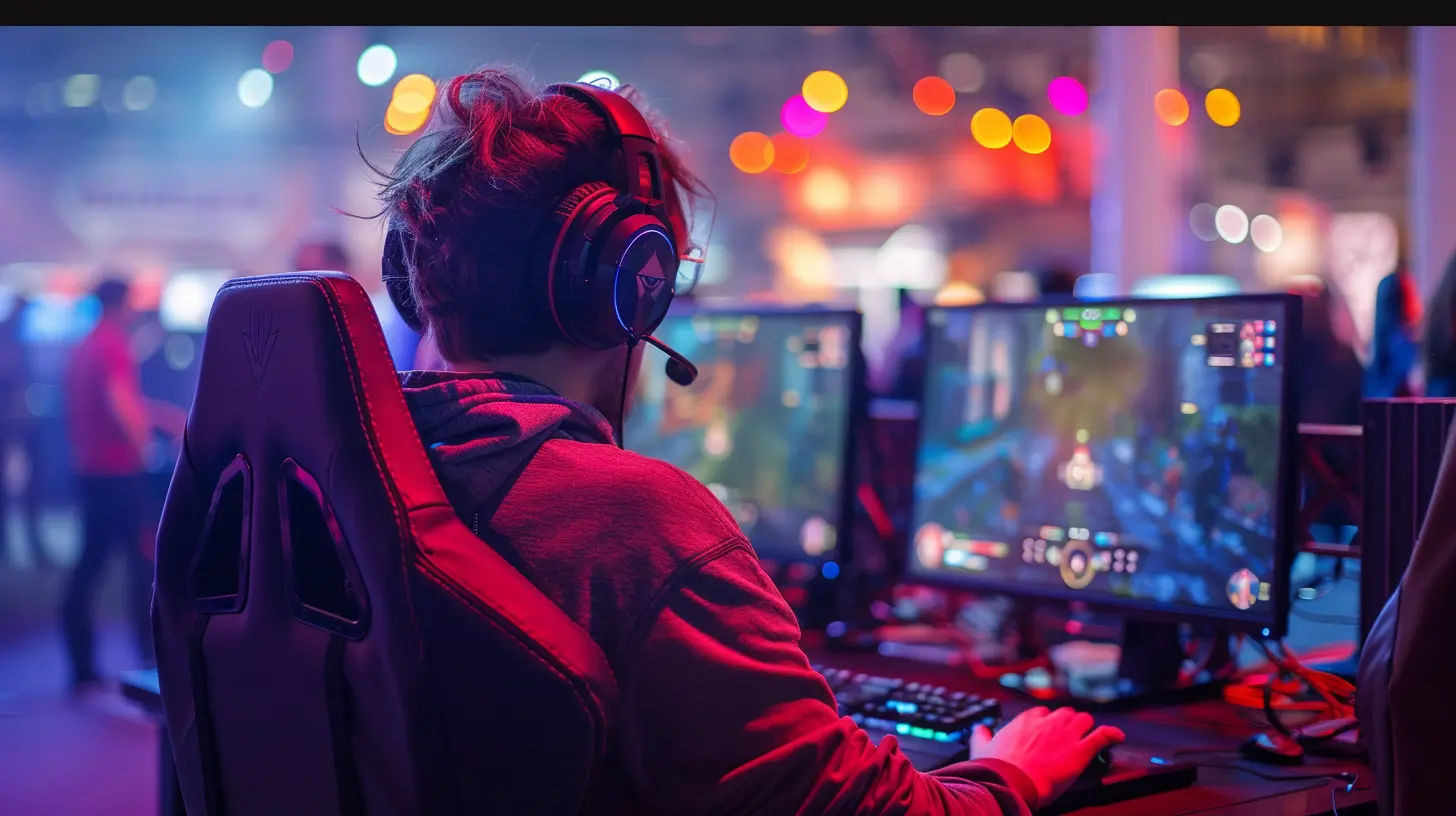
🎮 How Competitive Play Shapes Game Mechanics
Game developers love their players, but they really, really pay attention to their pros.Why? Because watching how professional gamers interact with a game gives developers a sort of roadmap. Pros push the game to its limits—they'll find bugs, break meta strategies, and expose imbalances faster than you can say "patch notes."
Balancing Acts
If there's one word developers chant like a mantra, it’s "balance." In competitive play, balance is king. If one weapon, hero, or tactic becomes too powerful, it can ruin the experience—not just for the pros but for the larger player base too.Let’s use Overwatch as an example. When a certain character becomes overpowered in the Overwatch League, it doesn’t just skew pro matches. It trickles down to the public matches where casual players start mimicking pros. So Blizzard springs into action and patches the game to restore order.
Meta Matters
The "meta" (short for most effective tactics available) is a constantly shifting beast, especially in games with competitive leagues. Developers often adjust mechanics, tweak maps, or introduce new characters to disrupt stale metas and keep gameplay fresh.Case in point: League of Legends. Riot Games regularly updates champion stats and item effects based on pro gameplay trends. If a single strategy dominates for too long, you can bet changes are coming.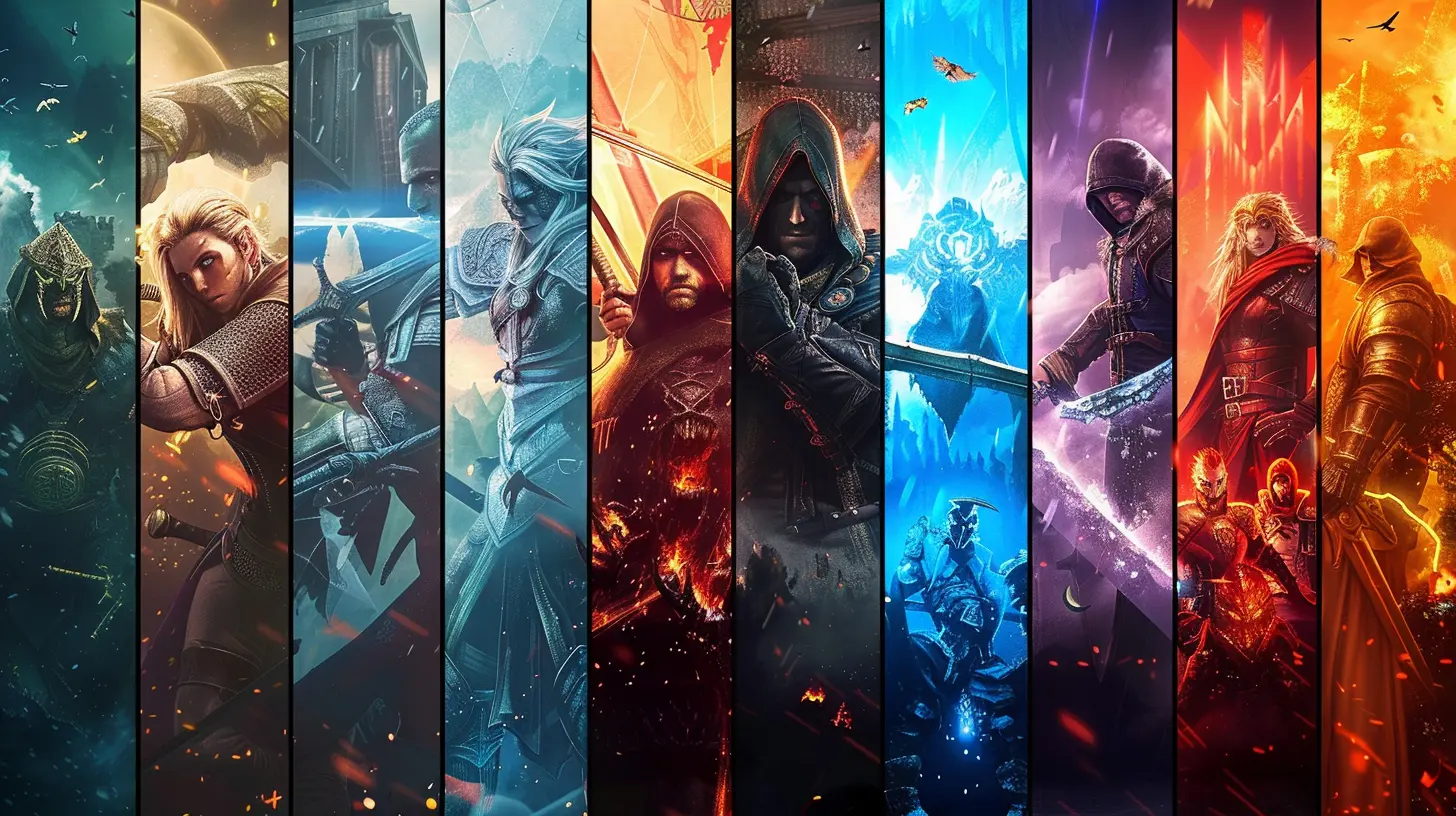
🧪 Testing Grounds for New Features
Gaming leagues are the ultimate sandbox for developers. It’s like a giant game lab, and the participants are their most elite test subjects.When developers want to see how a new map or feature performs under stress, they can observe how the pros handle it. Are there choke points that make a map too defensive? Did the new weapon completely nullify existing strategies? These insights shape future updates.
Early Access via Esports
Sometimes devs will even let pros test unreleased content. Imagine having a Formula 1 driver give feedback on your new sports car before it ever hits the streets. That’s what game devs get with esports pros.This early feedback loop allows game makers to refine their features not just for competitive balance but for overall fun, pacing, and strategy.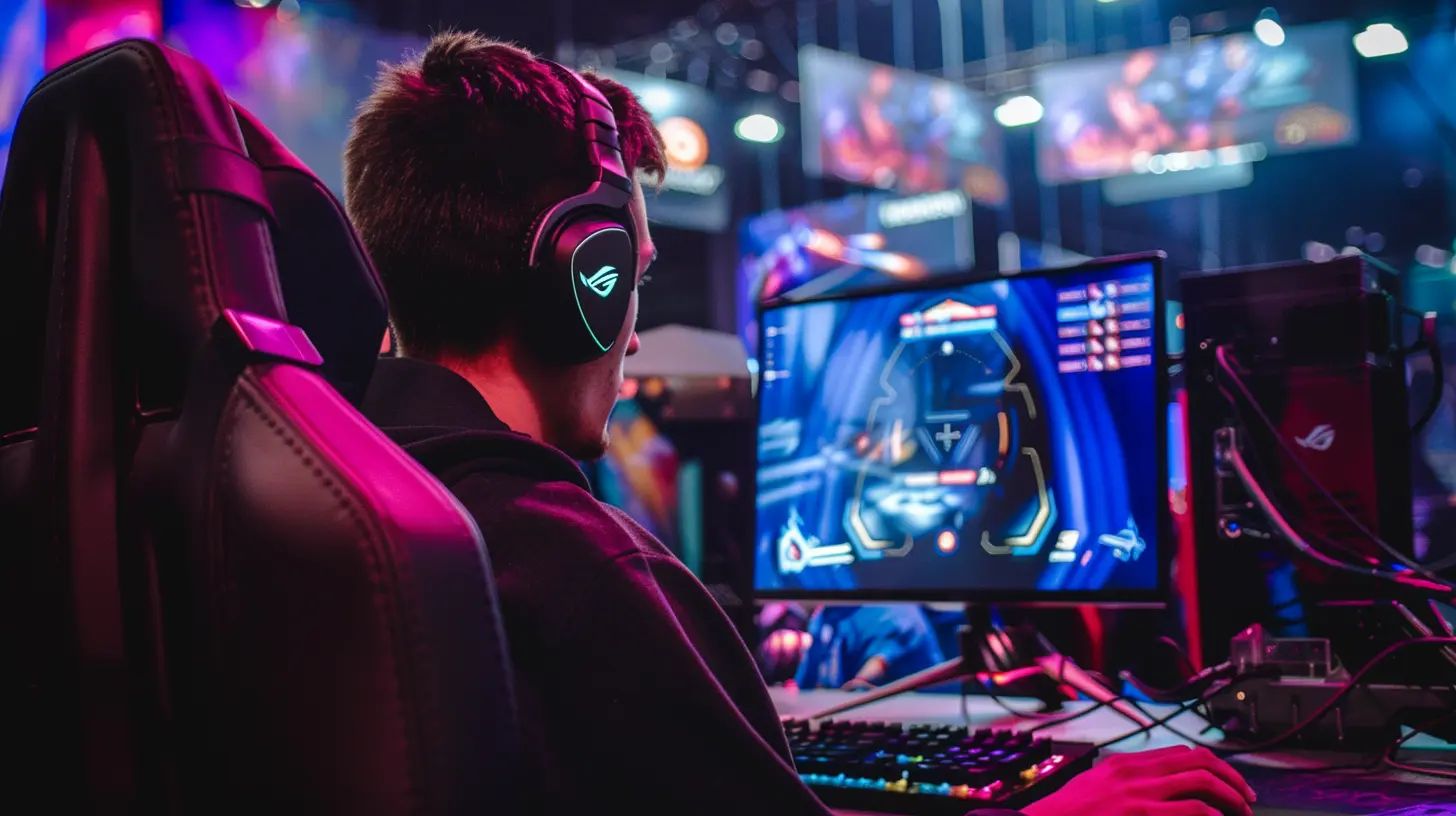
🧠 Driving Smarter AI and Game Design
Here’s something you might not have thought about—watching how pros behave helps developers design better AI.In games like StarCraft II or Dota 2, high-level gameplay showcases strategies that AI can mimic. Over time, this leads to more intelligent, challenging computer opponents that don’t just follow predictable patterns but react dynamically—almost like a human.
Smarter Game Modes
Game developers often develop new modes based on competitive trends. Think of Fortnite’s Arena Mode or Valorant’s Competitive Queue. These game modes were created because players wanted a more structured, league-like environment. The success of gaming leagues showed developers that players crave that competitive edge—even if they’re not going pro.💬 Community Feedback and Developer Transparency
Gaming leagues bring an insane amount of eyeballs to a game, and with that comes community chatter. Every game-breaking bug, unfair tactic, or frustrating mechanic gets amplified and dissected in real-time—often across Reddit threads, livestreams, and Twitter storms.This feedback loop forces developers to be more transparent and responsive than ever before. They’ll host dev streams, release detailed patch notes, and engage directly with the community.
Accountability Level: Maxed Out
Let’s be real—when a top-tier streamer or esports analyst calls your game unbalanced on a livestream watched by 200K viewers, you can’t just sit back and ignore it. Devs are under pressure to act, and quickly.This leads to shorter update cycles, more open communication with fans, and a tighter feedback loop. So, in a weird way, gaming leagues are becoming the accountability partner many developers didn’t know they needed.
🤑 Monetization and Content Strategy
Follow the money, right? Esports events are revenue machines. Sponsors, advertisers, merchandise, in-game purchases—there's real cash involved.This motivates game developers to not just create games that are fun but games that are "watchable." Think about that for a second.
Designing for Spectators
Games like Rocket League or Valorant are just as enjoyable to watch as they are to play. That’s not a happy accident—it’s intentional.Developers now design games with "spectator appeal" in mind. Clean UIs, exciting visuals, easy-to-understand objectives—all of this helps make gameplay more engaging for a wider audience.
And when people watch? They’re more likely to play. More players means more skins, battle passes, and cosmetics sold. Everybody wins.
🌎 Building Global Communities
Gaming leagues have turned local fandom into global phenomena. You don’t need to speak Korean to appreciate Faker’s skills in League of Legends. And you don’t have to live in North America to root for a Call of Duty team.This worldwide fandom is gold for developers. It builds brand loyalty, encourages cross-cultural interaction, and keeps the player base invested.
Player Identity and Legacy
Pro players themselves often influence game development. Their playstyles, their preferences, even their criticisms hold weight. Some have characters, skins, or items named after them. That’s not just cool—it’s smart branding.📈 Long-Term Game Lifespan
Guess what games have the longest lifespans? It’s the ones with strong competitive communities.Gaming leagues act like a defibrillator, constantly shocking a game with new life. Without esports, titles like CS:GO or StarCraft would likely have faded into obscurity. But because of competitive scenes, they remain relevant years—even decades—after release.
Support = Longevity
With a league in place, developers are more committed to post-launch support. That means more updates, better servers, and long-term roadmaps. Which, let’s be honest, is something all gamers want.🎯 Challenges and Trade-Offs
Alright, it's not all sunshine and pixelated rainbows. There are downsides to letting competitive play influence game development.Sometimes changes made for pro play don’t sit well with casual players. A balance patch might nerf your favorite character just because they were “too good” in a league match. That can feel unfair when you’re just trying to have fun.
Plus, not every game needs a competitive scene. Forcing a league format on games that thrive on story or casual play can backfire.
So yeah, developers have to walk a tightrope between satisfying elite players and keeping the game accessible for everyone.
🔚 Final Words: It’s A Two-Way Street
Gaming leagues aren’t just the shiny tip of the gaming iceberg—they’re a huge part of how that iceberg is shaped to begin with. From tweaking gameplay mechanics to breathing life into long-dormant titles, leagues play a crucial role in modern game development.Are devs watching? Absolutely.
Are they listening? You bet.
Are you, whether you realize it or not, playing a game influenced by esports? Most likely.
So whether you’re a die-hard ranked player, a casual weekend warrior, or just a fan who loves watching the pros do their thing, you’re part of a feedback loop that’s changing the face of gaming.
And that, my friend, is what makes this era of gaming so ridiculously exciting.
all images in this post were generated using AI tools
Category:
Gaming LeaguesAuthor:

Pascal Jennings
Discussion
rate this article
2 comments
Jace Sheppard
Gaming leagues foster community engagement, influencing developers to prioritize competitive balance and player feedback, ultimately shaping richer gaming experiences.
March 1, 2026 at 5:39 AM
Pascal Jennings
Absolutely. Gaming leagues not only build community but also push developers to listen and adapt, leading to better games for everyone.
Joy Scott
Gaming leagues shape dreams, fueling creativity, igniting worlds where passion meets innovation.
February 28, 2026 at 3:32 PM
Pascal Jennings
Absolutely! Gaming leagues spark creativity and drive innovation, shaping the future of game development. It's amazing to see where passion can lead.