The Evolution of Classic Console Franchises
2 November 2025
Remember the thrill of booting up your first console? That hum, that splash screen, and that unforgettable soundtrack? Ah, the good ol' days. But how much have things changed since those pixel-packed beginnings? A lot—like, “Wow, is this even the same game?” a lot.
Welcome to a nostalgic (yet forward-looking) ride through the evolution of classic console franchises. We're talking about the big guns here: your Marios, your Zeldas, your Sonics, and even some lesser-talked-about legends. These are the franchises that started as humble 8-bit dreams and grew into cinematic, open-world epics—or in some unfortunate cases, lost their way completely.
So, grab some snacks, hold that controller tight, and let’s dive in.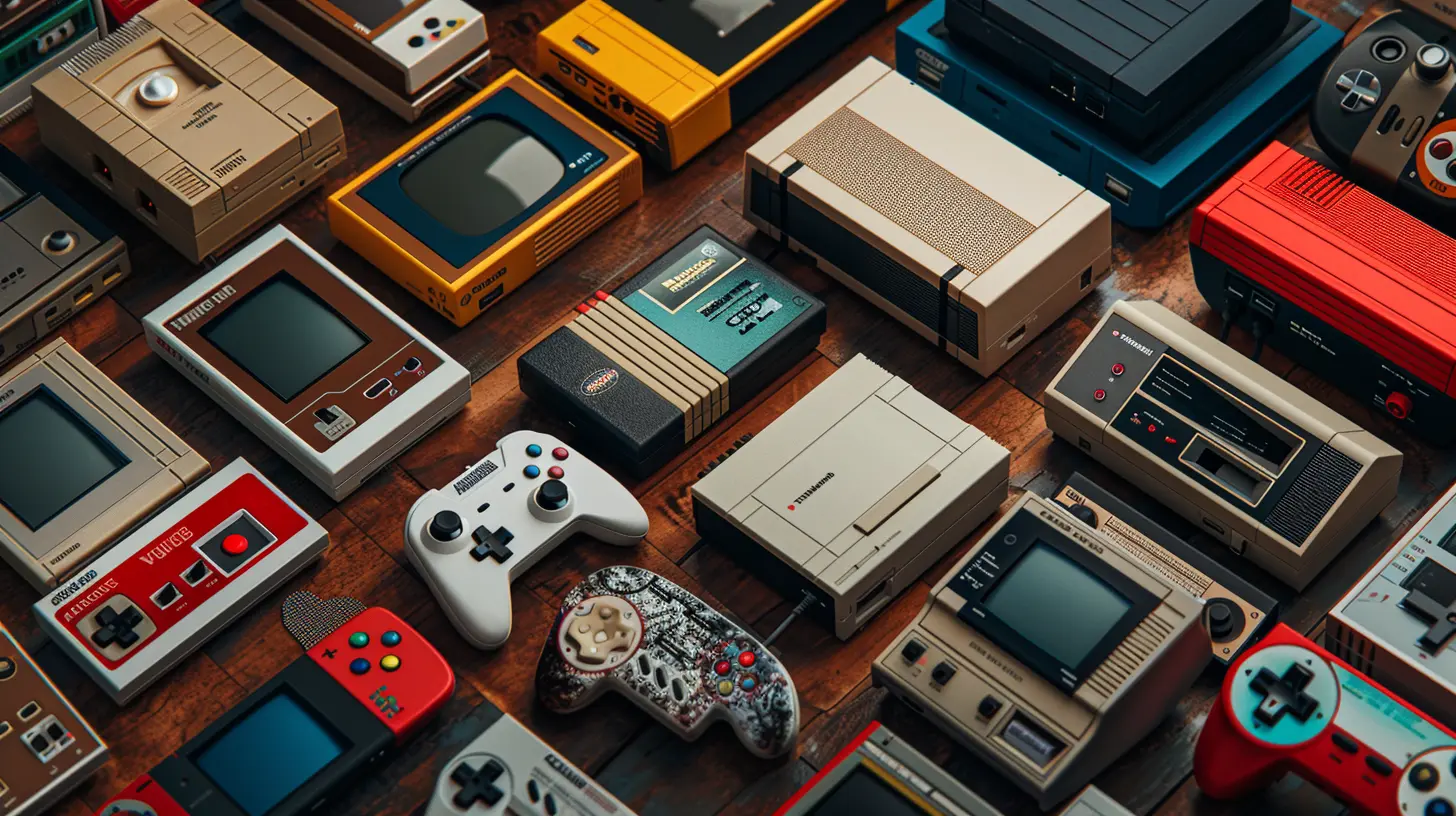
Table of Contents
1. What Makes a Console Franchise “Classic”?2. The 8-Bit Birthdays: Where Legends Were Born
3. The 16-Bit Renaissance: Bigger, Bolder, Better
4. The 3D Leap: Risky Business or Game-Changer?
5. The Modern Era: Open Worlds and Shared Universes
6. Reboots, Remakes, and Retrospectives
7. Why Nostalgia Isn’t Enough Anymore
8. What the Future Looks Like for These Franchises
What Makes a Console Franchise “Classic”?
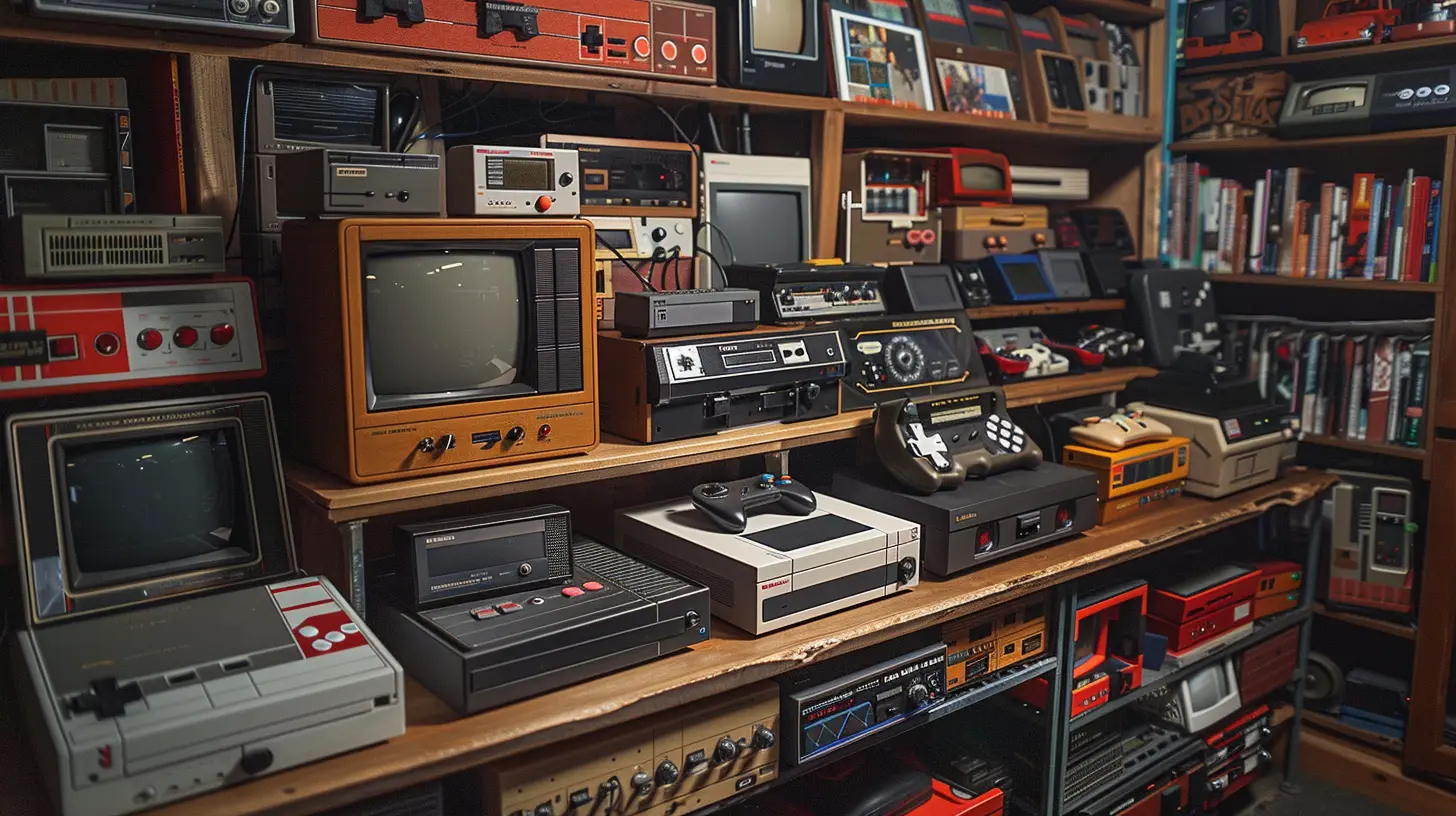
Alright, let’s set some ground rules. “Classic” doesn’t just mean old. It means iconic. These are the franchises that helped shape console gaming history. The ones that sold millions, defined genres, and have fans from Boomers to Gen Z all humming their theme songs.Think of them as the Rolling Stones of gaming: still relevant, still rocking, and still inspiring the next gen.
We’re talking:
- Super Mario
- The Legend of Zelda
- Sonic the Hedgehog
- Metroid
- Final Fantasy
- Mega Man
- Street Fighter
- Castlevania
If reading that list didn’t hit you in the feels, you might need to check your gamer credentials.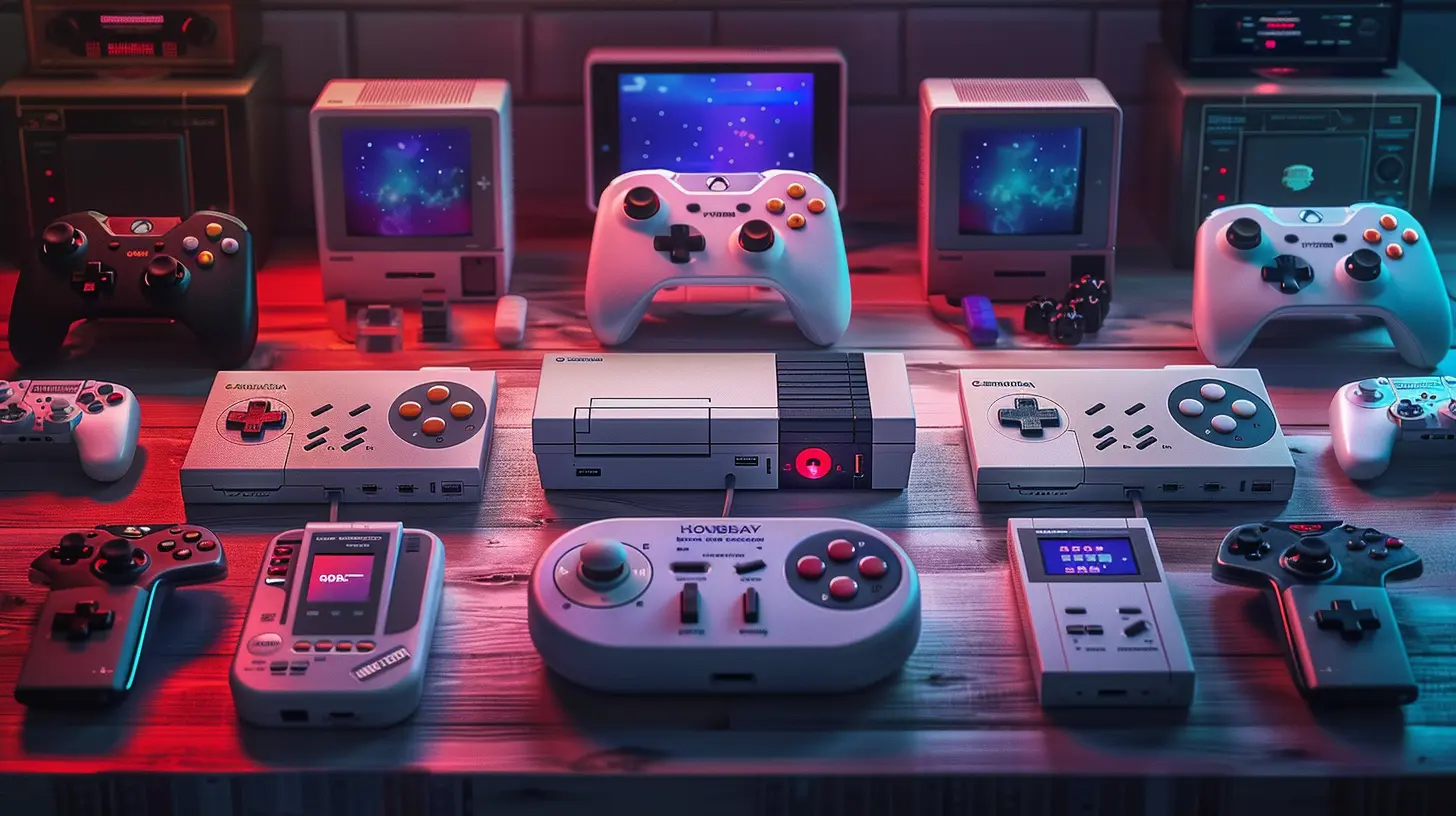
The 8-Bit Birthdays: Where Legends Were Born
The ‘80s were wild—in gaming, at least. Everything felt new. Every jump, every fireball, every boss battle was a revelation. Consoles like the NES (and the Sega Master System, to a lesser extent) introduced players to characters that are still household names today.Super Mario Bros. – The Blueprint of Platforming
When Shigeru Miyamoto gave us Super Mario Bros. in 1985, he didn’t just give us a game—he gave us a legacy. Simple mechanics, tight controls, and some of the most iconic level designs in history. Mario became the face of not just Nintendo, but gaming itself. Hats off, mustache on.The Legend of Zelda – The Adventurer’s Dream
While Mario was hopping over Goombas, Link was battling Ganon and unlocking secrets. The original Zelda gave players a sense of open-ended exploration that was almost unheard of at the time. No tutorial. No hand-holding. Just a sword and a sense of wonder.
The 16-Bit Renaissance: Bigger, Bolder, Better
Enter the SNES and the Sega Genesis. Graphics got better. Soundtracks slapped harder. And franchises evolved to fit the power-packed new hardware.Sonic the Hedgehog – Speed Redefined
Sega’s answer to Mario burst onto the scene in 1991 with attitude, coolness, and speed. Sonic was edgy. He rolled in like a blue blur, collecting rings faster than you could blink. The Genesis needed a mascot, and Sonic didn’t just fill the role—he owned it.Super Metroid – Atmosphere, Amplified
Metroid went from a solid game to a genre-defining experience in the 16-bit era. Super Metroid introduced sprawling maps, haunting music, and that classic Metroidvania formula that countless indie devs still worship today.The 3D Leap: Risky Business or Game-Changer?
Ah, 3D. The double-edged sword of gaming evolution. Some franchises nailed it. Others? Not so much.Super Mario 64 – The Gold Standard of 3D
When Mario made the jump to 3D in 1996, it wasn’t just good—it was revolutionary. Analog control, dynamic camera angles, and non-linear level design. Super Mario 64 set the bar that everyone else tried (and often failed) to match.Zelda: Ocarina of Time – A Legend Reborn
Ocarina of Time didn’t just bring Zelda into the third dimension—it reimagined it entirely. Lock-on targeting, context-sensitive actions, and emotional storytelling. It didn’t just evolve; it transcended.Sonic... Uh Oh
Sonic Adventure tried to take the hedgehog into 3D but... let’s be honest, it was a bumpy ride. Some parts dazzled, but those camera angles and janky physics made a lot of fans wonder if Sonic really belonged outside 2D.The Modern Era: Open Worlds and Shared Universes
These days, everything’s massive. We’ve left behind corridors and levels. Now it’s all about open worlds, online play, and expansive lore.Breath of the Wild – Reinventing Zelda Again
Nintendo hit the reset button—hard—with Breath of the Wild. It stripped away the formula and let you do what Zelda always promised: go wherever, fight whatever, survive however. It’s not just the best Zelda game—it’s a masterclass in modern game design.Final Fantasy XV & XVI – Beautiful, but Divisive
Square Enix’s iconic RPG series has been a chameleon. From turn-based pixel art battles to real-time action combat in jaw-dropping open worlds. Some fans miss the old-school systems, while others love the cinematic flair. One thing's clear: Final Fantasy isn’t afraid to evolve—even if it means annoying part of its base.Reboots, Remakes, and Retrospectives
Can we talk about how much we love remakes? Seriously, Resident Evil 2 Remake? Chef’s kiss. Nostalgia's great, but pairing it with modern mechanics? That's the sweet spot.Some franchises have gone the remake route brilliantly:
- Resident Evil
- Final Fantasy VII Remake
- Metroid: Samus Returns
Others have tried and... well, not every remake is a winner. Looking at you, Silent Hill HD Collection.
And then we have reboots. Sometimes they work (God of War 2018, we see you). Sometimes they crash and burn (Bionic Commando, anyone?).
Why Nostalgia Isn’t Enough Anymore
Here’s the deal: nostalgia will get you in the door. But if the gameplay doesn’t hold up? You’re out faster than Sonic on a speed boost.Players expect more now. Better graphics, deeper stories, smoother mechanics, accessibility options—you name it. If an old franchise returns without leveling up, it gets left behind.
That’s why the best evolutions mix old with new. They keep the soul but refresh the style. It’s not about recreating the past—it’s about reimagining it.
What the Future Looks Like for These Franchises
So, where do we go from here?Well, the future looks bright... mostly.
- Nintendo will keep reinventing Mario and Zelda because, frankly, they’ve nailed the formula: evolution wrapped in nostalgia.
- Sonic? Fingers crossed. Sonic Frontiers showed promise, and that's saying a lot.
- Final Fantasy looks set to double-down on action and storytelling.
- Metroid Prime 4 is still somewhere out there, lurking like a morph ball in the shadows.
- And retro-style indies are bringing back the vibes of the classics—sometimes better than the originals themselves.
The core takeaway? Change is good. Risk is necessary. Growth is the only way forward.
These franchises aren't just hanging on—they're still leading the charge.
Final Thoughts
The evolution of classic console franchises isn’t just about bigger graphics or better sound. It’s about adapting to the times while staying true to the heart of what made them special.It’s a balancing act—one that not every series pulls off. But when it works? Man, it hits better than a well-timed Hadouken.
We grew up with these games. They changed with us. And frankly, we wouldn’t have it any other way.
What’s your favorite evolution? Got any hot takes on Sonic’s 3D era or Zelda’s open-world leap? Drop your thoughts below—let’s get that nostalgia train rolling!
all images in this post were generated using AI tools
Category:
Console GamesAuthor:

Pascal Jennings
Discussion
rate this article
1 comments
Jack McFee
Classic consoles have evolved like fine wine—getting better with age, yet somehow still managing to leave us hungover from nostalgia. Sure, new graphics are great, but can they capture that pure, pixelated magic? Spoiler alert: no, they can't. Cheers to the glorious past!
November 5, 2025 at 3:34 AM
Pascal Jennings
Absolutely! Classic consoles truly hold a unique charm that modern graphics can't replicate. Cheers to nostalgia!