The Cultural Impact of International Gaming Leagues
20 July 2026
Video games have evolved far beyond pixelated screens and single-player campaigns in dimly lit bedrooms. Over the last couple of decades, the gaming world has exploded into a global phenomenon with international gaming leagues taking center stage. But here’s the kicker — these leagues are doing a lot more than just pitting skilled players against each other in heated battles. They're influencing cultures, bridging gaps between nations, and reshaping the way we interact across borders.
So, what's really going on behind the flashy stages, roaring crowds, and million-dollar prize pools? Let’s break it down.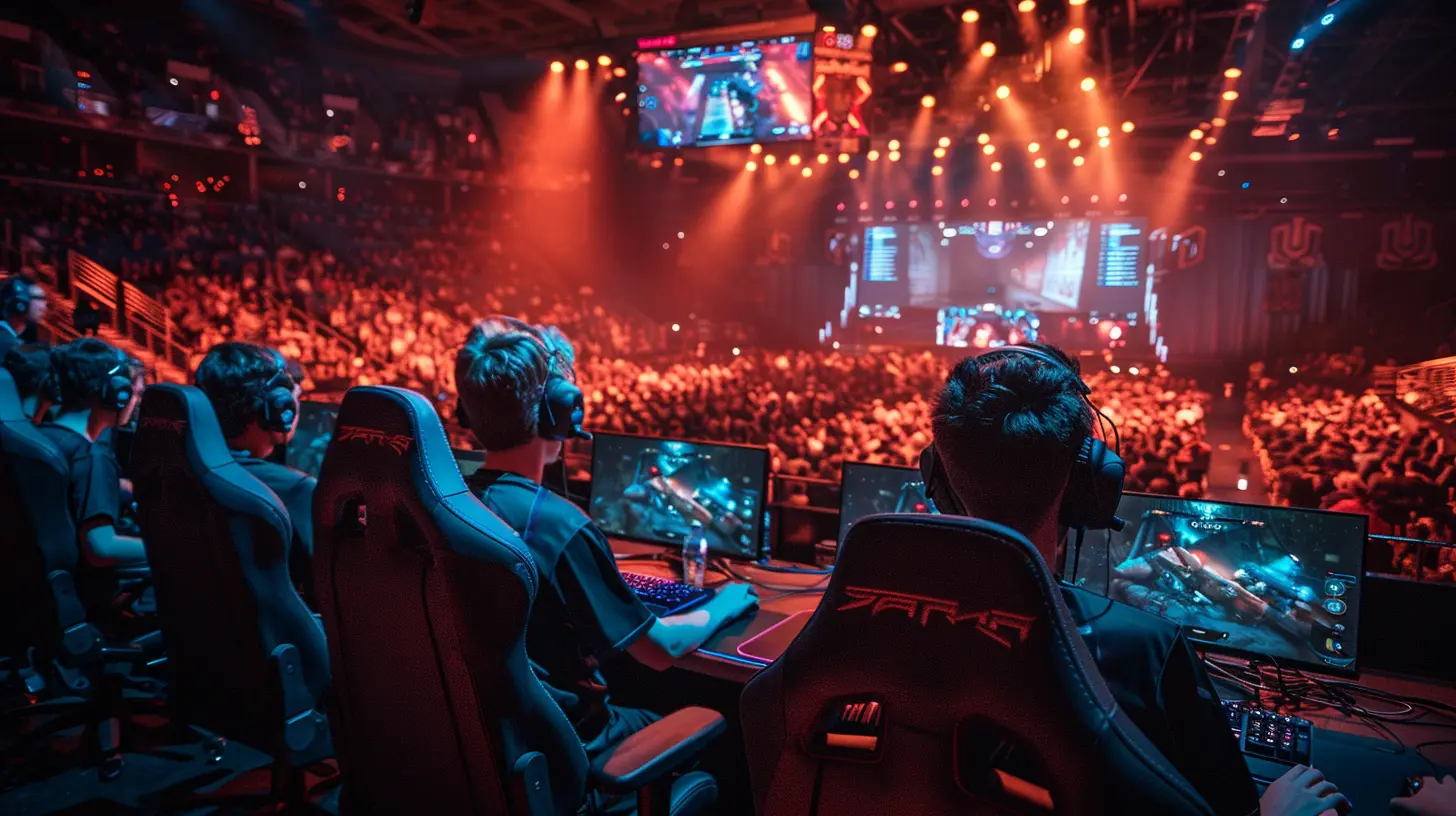
Gaming Leagues Are the New Global Stadiums
Back in the day, we relied on the World Cup or the Olympics to feel united with people across the globe. But now? International gaming leagues are stepping into the spotlight and playing the same role — if not a bigger one — for the younger generation.Whether it's League of Legends Worlds, Dota 2’s The International, or the CS:GO Majors, these aren't just tournaments. They’re global events, with thousands watching live in sold-out arenas and millions more tuning in online from every corner of the world. Kinda like the Super Bowl, but with headshots and spell-casting, right?
What makes this even more exciting is the cultural connection. Teams come from South Korea, China, Europe, North America, Brazil, and beyond — each bringing their own playstyle, fan base, and flair.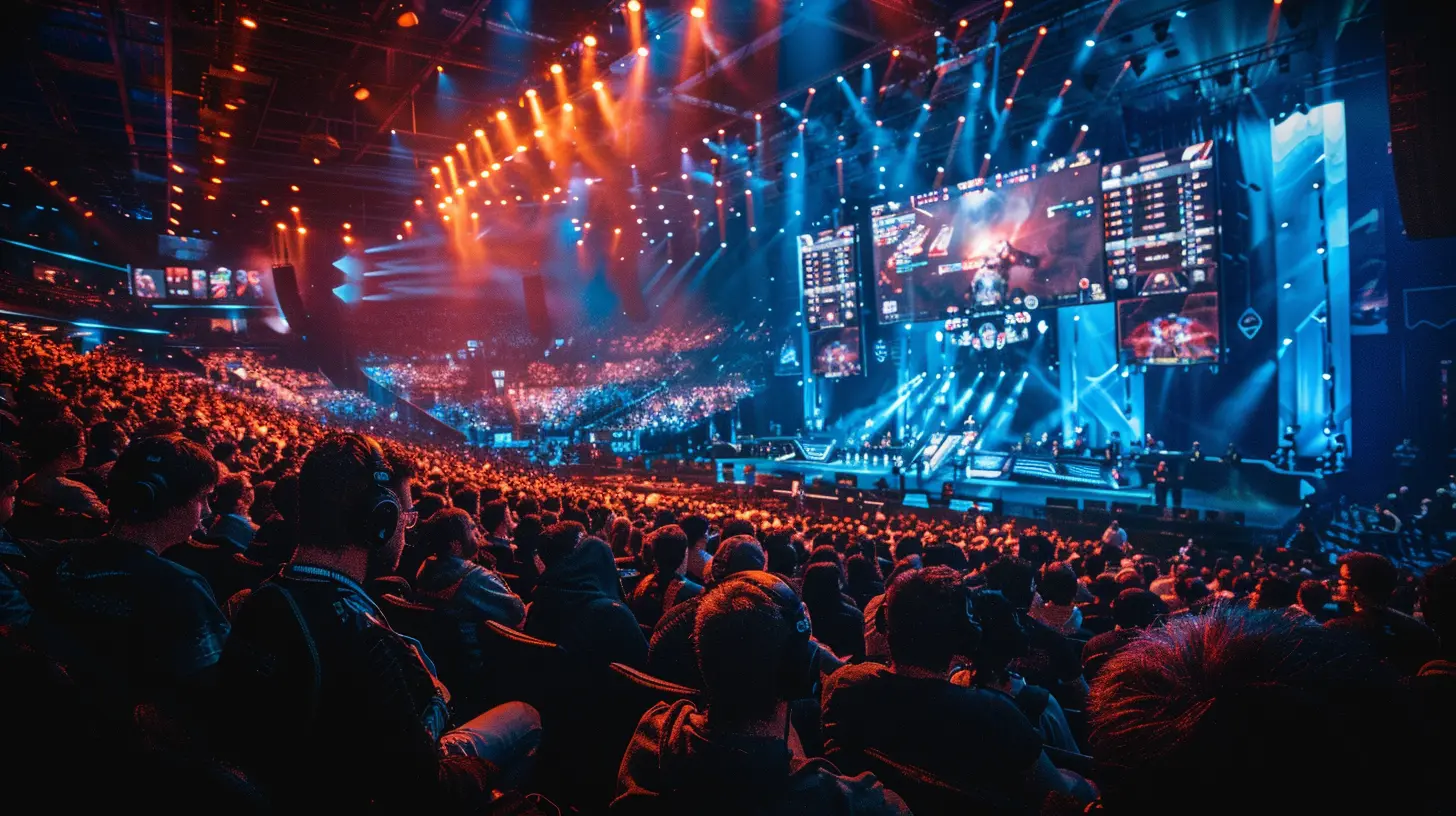
More Than Just a Game: A Cultural Exchange
Ever watched a Brazilian team in a Valorant match or a South Korean squad in StarCraft? The passion, the strategies, the crowd reactions — they hit differently. International gaming leagues act like a giant cultural exchange. It’s a place where national pride meets internet memes. Think of it as the United Nations but with controllers and keyboards.Players often become local legends. A single esports tournament can teach fans about different cultures — from the music used in intros to the slang used on streams. And let’s be honest, how many of us picked up a little Korean or Swedish just from watching our favorite pro players?
Gaming transcends language. It’s a universal medium that allows different cultures to coexist, collaborate, and even clash — in the most entertaining ways.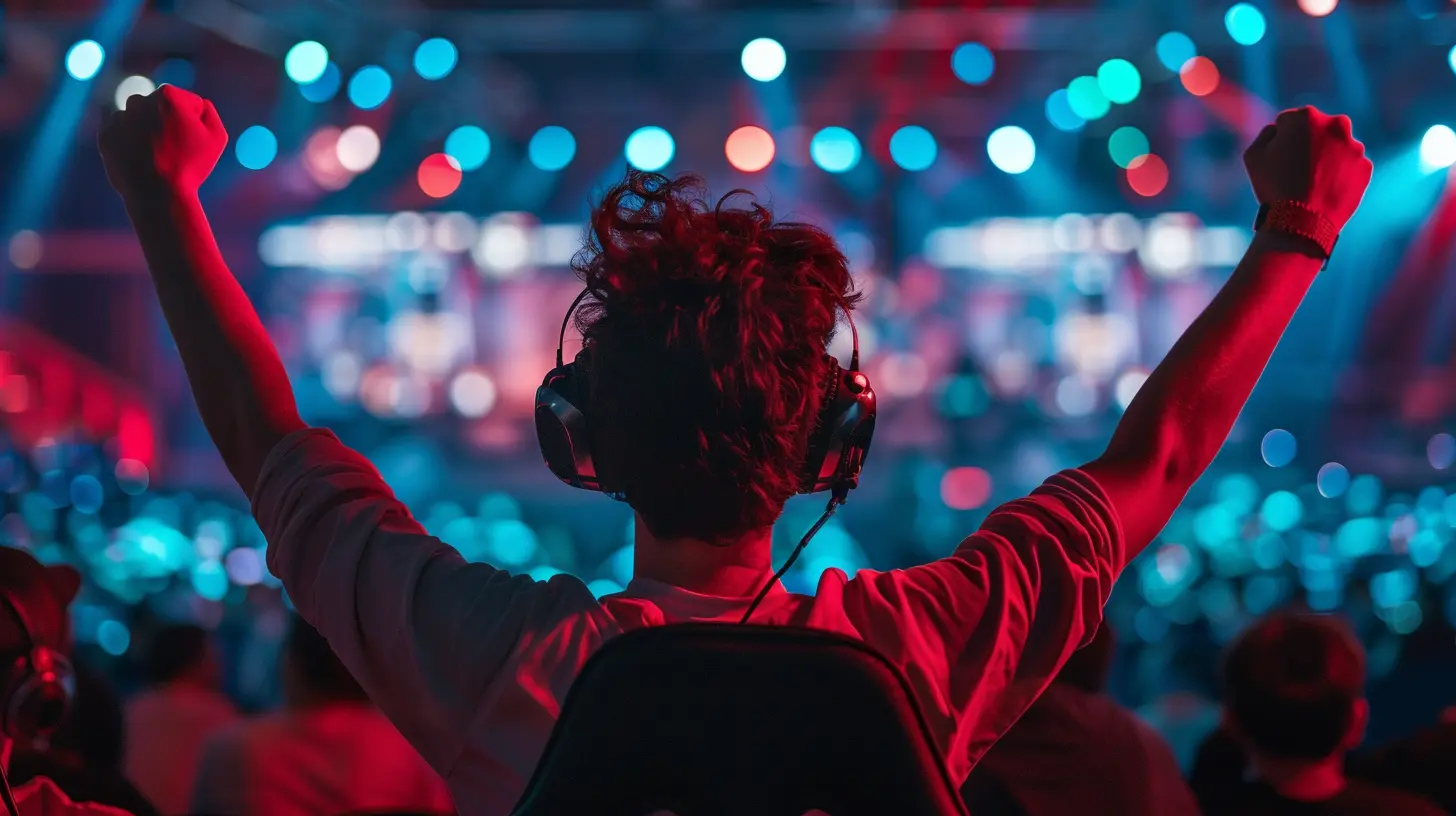
The Rise of New Heroes and Role Models
Forget your traditional sports celebs for a second. Today’s youth are looking up to people like Faker (LoL), s1mple (CS:GO), and Arteezy (Dota 2). These aren’t just skilled players — they’re cultural icons.International gaming leagues give these players a massive platform. And with this visibility, they also become vehicles for cultural representation. A kid in Argentina can look up to a Filipino gamer and realize that, hey, maybe they can go pro too.
Representation matters. These leagues are proving that talent exists everywhere, and with enough hustle, anyone — regardless of background — can make it on the world stage. That’s powerful.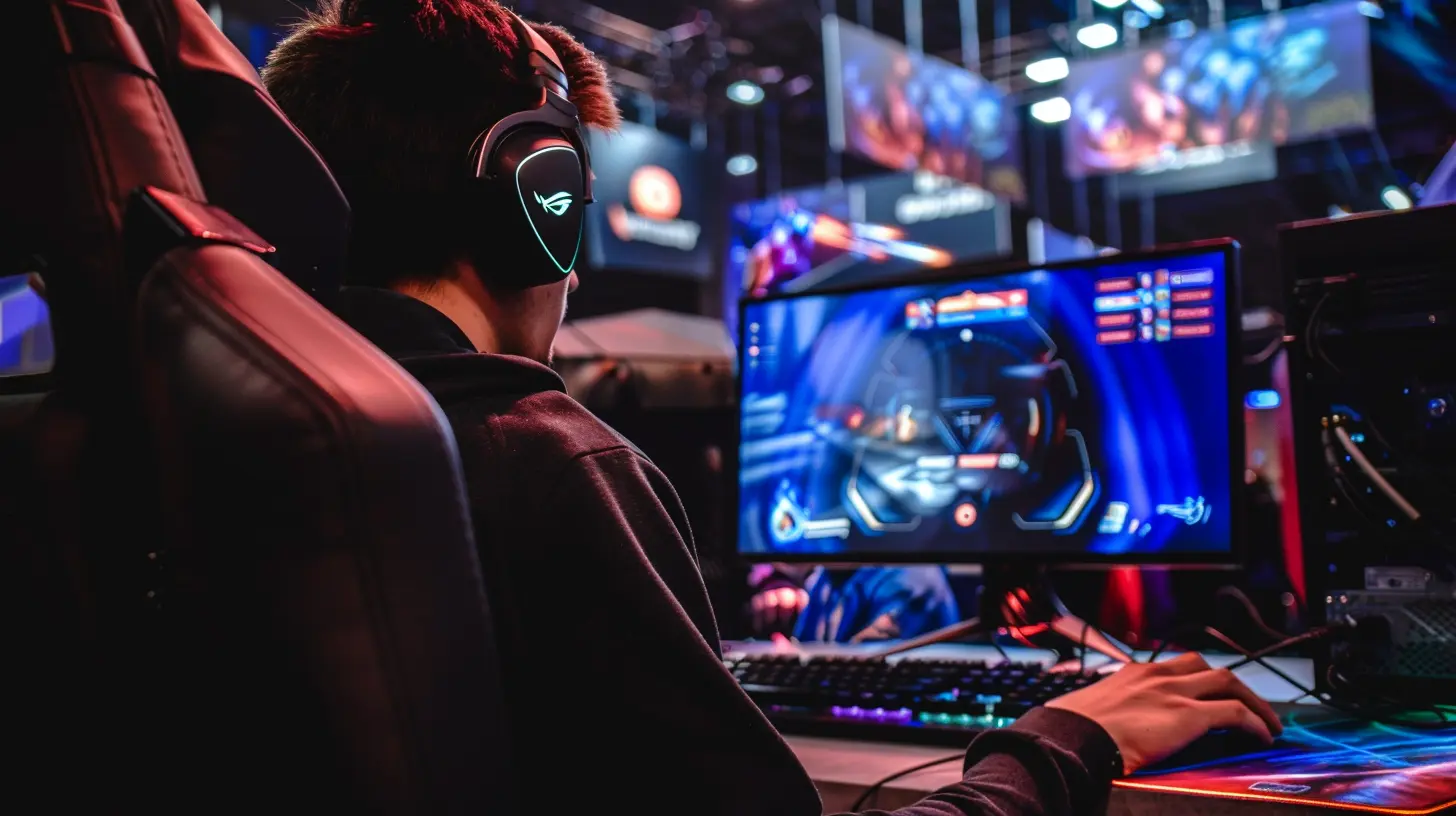
Shared Entertainment = Shared Culture
Gaming used to be thought of as a “niche” hobby — something people did alone or in small friend groups. But now, with the rise of international competitions and massive online communities, it’s become one of the biggest forms of shared entertainment.And shared entertainment? That leads to shared culture.
Ever heard someone quote a caster’s catchphrase? Or laugh at a meme born out of a tournament moment? That’s cultural impact in real-time. People across languages and time zones are vibing to the same moments, the same jokes, the same heartbreaks when their team loses a 1v1 in OT.
It’s like everyone’s watching the same movie, but the actors are real people, and the ending is unscripted.
Breaking Down Stereotypes, One Game at a Time
For years, gamers were stereotyped as lazy nerds living in basements. But international gaming leagues have flipped that narrative on its head.Now, gamers are athletes. They're disciplined, competitive, and strategic. Teams train for hours, employ coaches, psychologists, analysts — the whole nine yards. These leagues showcase that games are serious business and that talent plus hard work can take you global.
Plus, the diversity in the scene smashes old-school ideas about race, gender, and geography. More women, more non-Western teams, and more underdog stories are making waves in the esports world. This helps challenge broader societal stereotypes, not just about gaming but about who gets to be successful.
Economic Boosts and National Pride
Let’s talk money — because the cultural impact also extends to the economy. Hosting an international league event brings in tourism, sponsorships, jobs, and a boom to local businesses. It’s like having the World Cup in your city but for gamers.Governments have even started investing in esports infrastructure. South Korea and China already lead the pack, treating esports like a national asset. And guess what? This boosts national pride too. Seeing your country's team go toe-to-toe with the global giants? That’s a win whether they get the trophy or not.
Building Bridges Across Borders
In a world that often feels more divided than ever, gaming is doing something beautiful — it’s building bridges.Players from different countries form mixed-nationality teams. Fans from Iraq cheer for a Russian squad. A South African player becomes a fan favorite in the U.S. This level of international camaraderie doesn’t just happen in traditional sports. Gaming makes it part of the norm.
There’s no need for a visa or a passport. All you need is a decent ping and a shared passion. That’s the power of international gaming leagues — they make the world feel smaller and more connected.
The Influence Reaches Beyond the Screen
It’s not just the games. Fashion, music, and even language are being shaped by the gaming scene.Think about the gaming-themed apparel, the esports anthems released for every big event, or the way slang from pro players ends up in everyday conversations. These leagues have become cultural trendsetters.
Brands once scared to touch video games are now sponsoring entire leagues. Gucci, Red Bull, Louis Vuitton — they’re all in. That kind of mainstream attention helps legitimize gaming even more, bringing it into the cultural fold alongside TV, sports, and music.
Fandoms That Feel Like Families
If you've ever been in an esports Twitch chat during Worlds or followed your favorite team’s journey through Reddit threads, you know exactly what we're talking about — these fandoms are tight.They share art, theories, fan songs, and endless banter. Some friendships (and even relationships!) are formed purely through mutual love of a team. That’s real, lasting cultural connection created by gaming leagues.
Just like people bond over their favorite football clubs, gaming fans carry the same loyalty, passion, and sometimes heartbreak. It’s tribal, in the best possible way.
Not All Sunshine: Cultural Clashes and Growing Pains
Of course, it’s not always smooth sailing. When cultures clash — even virtually — misunderstandings happen. There can be language barriers, regional bias, or even racism and toxicity in communities. But here's the thing: these leagues also force us to confront those issues head-on.Many organizations are growing wiser, implementing codes of conduct, and encouraging diversity and inclusivity. And because these leagues are so visible, they have the power to influence positive change.
We're still in the growing phase. It's not perfect. But the dial is moving in the right direction.
The Future Is Bright — And Borderless
The train’s not stopping anytime soon. With VR, AR, and the metaverse becoming more than just buzzwords, international gaming leagues are going to get even more immersive. Imagine attending a Worlds final as a digital avatar, standing next to people from 50+ countries — all from your living room.As technology evolves, so will the cultural impact. The gap between fans and players will shrink. The lines between countries, cultures, and even languages will blur even further.
And honestly? We can’t wait.
Final Thoughts
International gaming leagues are way more than competitive entertainment. They're changing how we perceive culture, community, and connection. They’re giving rise to new role models, creating global moments, and proving that behind every gamertag is a real person with a story, a passion, and a culture worth sharing.So, the next time someone tells you “it’s just a game,” you know better. It’s a movement. A cultural tidal wave. And we’re all riding it together.
all images in this post were generated using AI tools
Category:
Gaming LeaguesAuthor:

Pascal Jennings