The Best Examples of Character Design in Video Games
8 July 2026
When we talk about video games, it's easy to get wrapped up in epic storylines, cutting-edge graphics, and jaw-dropping gameplay. But there’s one element that stands undefeated when it comes to leaving a lasting impression — character design.
Ever played a game and thought, “Wow, I want to be this character,” or maybe just couldn’t get a certain NPC out of your head? That’s not a coincidence. Great character design sticks with you. It gives a game its soul, its personality, and most importantly, its connection to the player.
In this article, we’re diving into the best examples of character design in video games — characters that didn’t just look cool but had layers, depth, and presence. Get ready to meet icons that defined generations and broke boundaries.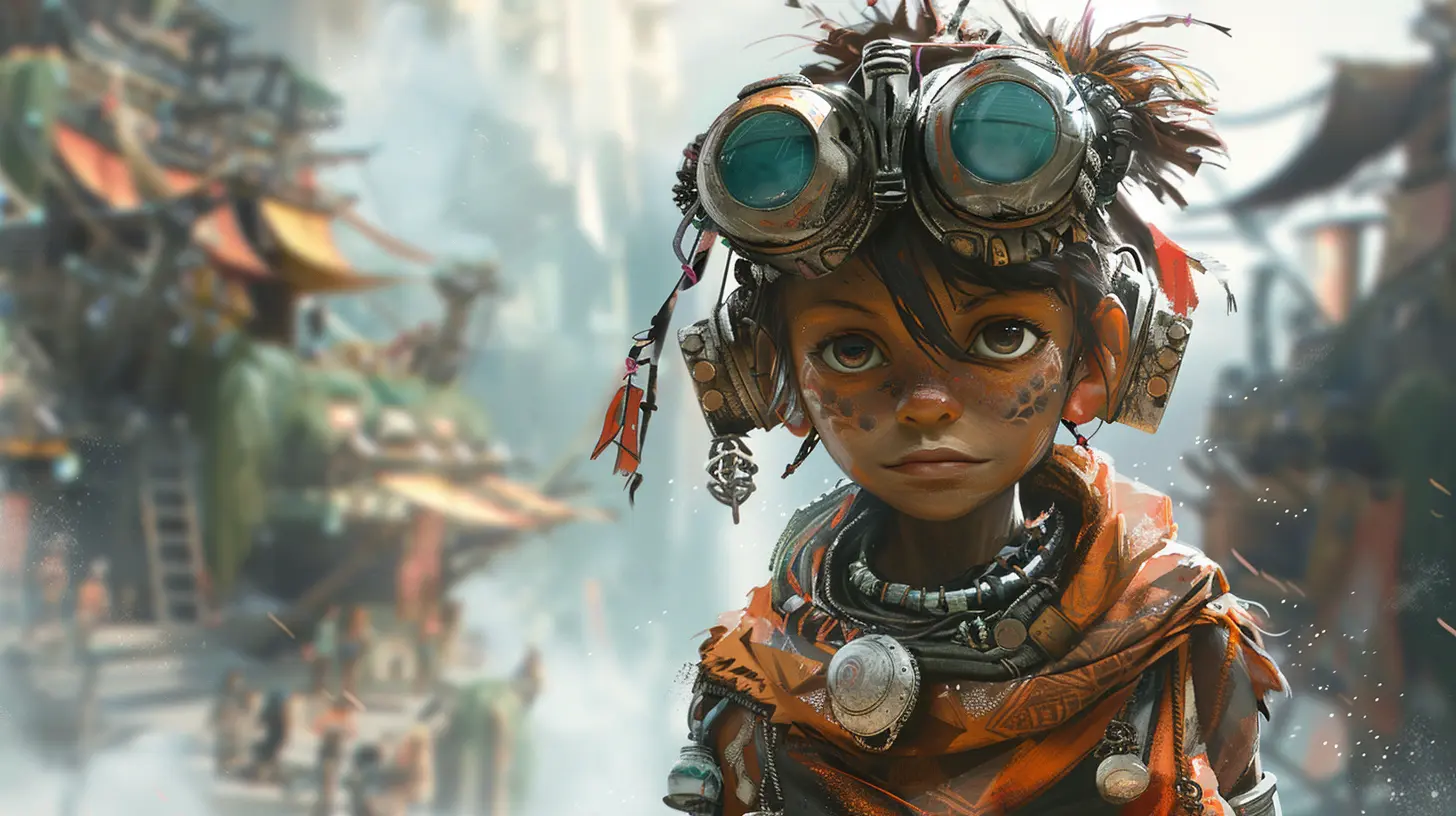
Why Character Design Matters
Character design isn't just about how a character looks — it's about who they are and how they make you feel. A well-designed character communicates their role, personality, and even a bit of their backstory just by standing still. Sounds wild, right?Think of character design as the cover of a book. It’s the first impression, the vibe-setter. A player might not know the lore or the gameplay yet, but the character? That’s what pulls them in.
Good design balances aesthetics, storytelling, and gameplay mechanics. It's like giving a face, body, and soul to pixels and polygons. And when it’s done right? Magic happens.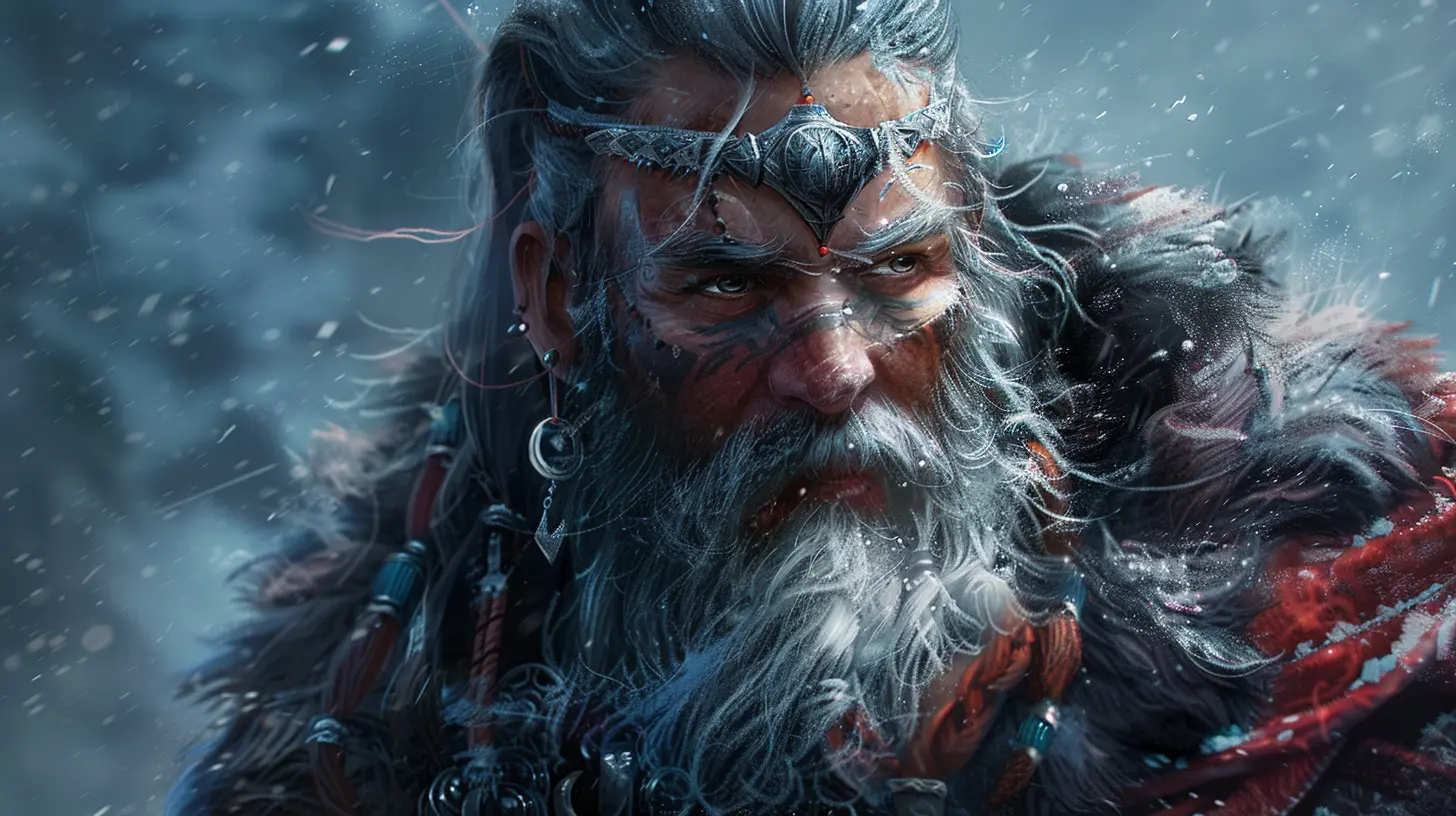
Mario — The Timeless Mascot
Let’s start with the legend himself: Mario. At first glance, he seems pretty simple — red hat, overalls, bushy mustache. But that simplicity is genius.Nintendo had limited pixels to work with in the early '80s, so the design had to be clear and recognizable. The overalls made his arms visible, the hat solved hair animation problems, and the mustache? That gave expression with limited detail.
But here’s the thing — Mario’s design has stood the test of time. He’s instantly recognizable, friendly, and approachable. He doesn’t need gritty realism or elaborate armor. He’s proof that simplicity, when done right, beats complexity every time.
Lara Croft — Evolution of a Legend
From pointy polygons to a modern-day icon, Lara Croft is the poster child for character evolution done right. When Tomb Raider first launched in 1996, Lara was designed to break the mold — confident, athletic, and intelligent.Over the years, her design shifted dramatically. What started as somewhat exaggerated visuals evolved into a grounded, realistic, emotionally rich character. In recent games, she wears practical gear, shows emotional depth, and feels human.
Lara’s journey reflects a broader evolution of how female characters are portrayed in games, and her design evolution tells its own powerful story.
Kratos — Rage Refined
Kratos from God of War is a masterclass in emotional storytelling through design. In the early God of War titles, he was all rage — shirtless, pale skin marked with red tattoos, and screaming his way through Greek mythology.But the 2018 reboot gave him a serious glow-up. With a full beard, weathered armor, and a more subdued posture, Kratos became a father, a mentor, and a character of true depth. His design visually reflects his emotional growth and maturity.
The moment you see him, you know he’s been through battles — not just on the field, but within himself.
Ellie — Bold, Brave, and Raw
Ellie from The Last of Us series is one of the most compelling characters ever designed. Naughty Dog didn’t just create a character — they designed a person.Her appearance is realistic, not idealized. Her clothes are practical, her posture tells you she’s wary but resilient, and her expressions? Pure emotion.
Ellie’s design grows with her. From a curious teenager in the first game to a battle-hardened adult in the sequel, her character design mirrors her emotional journey — a rare and powerful thing in gaming.
Geralt of Rivia — The Monster Hunter with a Heart
Geralt isn’t your average fantasy protagonist. The white hair, cat-like eyes, and scarred face scream "dangerous," but dig deeper and you find a character with layers of compassion, humor, and honor.CD Projekt Red nailed Geralt’s design in The Witcher series. His armor looks worn and functional, his expressions are subtle, and his voice acting adds even more life.
He’s the kind of guy who’ll slay a monster by day and sing sad songs under the stars at night. And his design tells you all that without needing a word.
Aloy — A Tech-Savvy Survivor
Aloy from Horizon Zero Dawn is a standout character in every sense. Her design blends tribal aesthetics with high-tech elements, showcasing a world where nature and machines collide.From her red dreadlocks to her practical gear and bow-focused weaponry, every part of Aloy’s design screams independence, intelligence, and adaptability.
She’s not just a pretty face — she’s a strategist, a survivor, a thinker. And all of that comes through before she even opens her mouth.
Master Chief — The Mystery Behind the Helmet
You’d think a character who never shows his face wouldn’t be that compelling, right? Wrong. Master Chief’s armor is iconic. The green suit, the golden visor — it's like a fortress around his identity.But that's what makes his character design brilliant. It’s not about what you see—it's about what’s hidden. The mystery adds to his legend. He becomes a vessel for your own heroism.
Despite his lack of facial expression, Master Chief evokes emotion. His silence is louder than words.
Senua — An Artistic Triumph
In Hellblade: Senua’s Sacrifice, Ninja Theory tackled something most games avoid: mental health. And they did it with grace, empathy, and stunning character design.Senua’s facial expressions, movements, and voice work combine into something deeply human. Her face is painted for battle, but her eyes show fear, determination, and internal struggle.
Her design isn’t just about visuals — it’s about emotion. And that’s a rare achievement in the gaming world.
V (Cyberpunk 2077) — Customizable Yet Distinct
In Cyberpunk 2077, you create your own version of "V", but no matter how you customize them, the character still feels strong, stylish, and grounded in the world of Night City.The design team managed something unique — a completely customizable character that still feels like they belong in the larger narrative. Whether male, female, cyber-enhanced or not, V captures the essence of the cyberpunk genre.
That edgy blend of neon, tech, and grit? It's baked right into the design.
The Power of Silhouettes
One major rule in excellent character design? The silhouette test.If you can recognize a character just by their outline, the design is doing its job. Think about Sonic, Pikachu, or even Samus Aran in her Power Suit. These silhouettes are etched into gaming history.
Why does this matter? Well, in games, especially fast-paced ones, players need to identify characters immediately. A strong silhouette ensures clarity, branding, and memorability.
Personality Through Details
Great character design lives in the small stuff. The slouch of a tired warrior. The confident swagger of a rogue. The nervous fidget of a spellcaster unsure of their powers.Details sell the fantasy. Whether it’s creases in clothing, battle scars, or even how the character interacts with the environment — they all add up.
These details aren't just about realism—they're about relatability. They pull us closer and immerse us deeper.
Art Direction and Consistency
It’s not enough for a character to look cool — they also need to match their world. A gritty, war-torn soldier might stand out awkwardly in a cartoonish fantasy land.Great design comes from synergy between character and world. Think about the cel-shaded heroes of Borderlands or the painterly figures of Okami. In each case, characters and settings walk hand-in-hand.
Consistency is the secret sauce. It’s what makes the whole experience feel immersive and intentional.
Animation Brings Design to Life
Design isn’t just how a character looks — it’s how they move. Animation gives life to static art.Take Spider-Man on PS5 — his animations are fluid, acrobatic, and expressive. You feel his agility in every swing, his tension in every battle. Without top-tier animation, even the best design can feel lifeless.
Design and animation? They’re the ultimate tag-team.
Closing Thoughts
Character design is more than just visuals — it’s storytelling without speaking. It’s emotional impact in a glance. It’s everything that makes us connect, care, and come back for more.Whether it’s the iconic mustache of Mario, the silent strength of Master Chief, or the emotional depth of Senua, these characters didn’t just entertain us — they inspired us.
And that’s the magic of truly great character design.
So the next time you boot up your favorite game, take a moment to really look at the characters. Behind every scar, every outfit, and every smirk, there’s a story being told — without a single word.
all images in this post were generated using AI tools
Category:
Game GraphicsAuthor:

Pascal Jennings