The Art of Balancing Weapons in Shooters
3 August 2026
Let’s be honest—there’s nothing more satisfying than landing a crispy headshot with your favorite weapon in a shooter, right? But have you ever wondered why some guns feel just right, while others seem either completely useless or wildly overpowered?
That’s not by accident.
Behind the scenes, designers wrestle with an incredibly tricky beast: weapon balance. It’s messy, it’s complicated, and it honestly never ends. Let’s dive deep into the art (and madness) of balancing weapons in shooters—why it matters, how it’s done, and why it’s never quite perfect.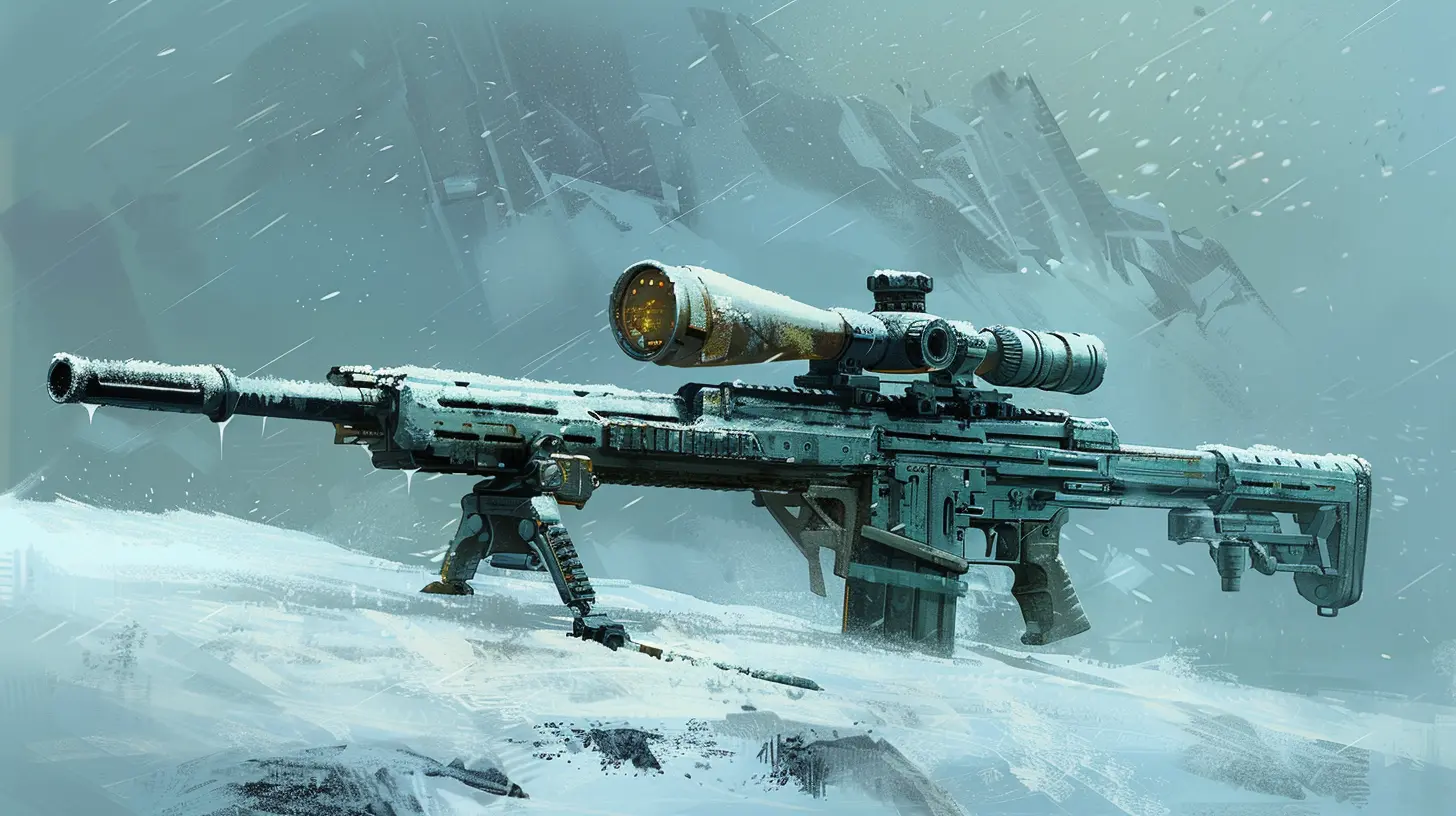
Why Weapon Balance Matters
First things first—why is balancing weapons even a big deal?Creating Fair Competition
In any shooter, especially multiplayer ones, everyone should feel like they have a fighting chance. If one gun totally dominates the field, the game quickly turns into a one-weapon meta. That kills variety and frustrates players stuck with subpar equipment.Keeping Gameplay Fresh
Balanced weapons ensure players aren’t picking the same loadouts every match. You want folks experimenting with shotguns one round, sniping the next, maybe even going full Rambo with an LMG. Balance fuels creativity and keeps the gameplay loop engaging.Encouraging Skill Expression
Well-balanced weapons reward skill. A gun with a high skill ceiling (like a bolt-action sniper) might be lethal in the right hands, but terrible for casual players. That’s okay—as long as its power doesn't outweigh its difficulty to master.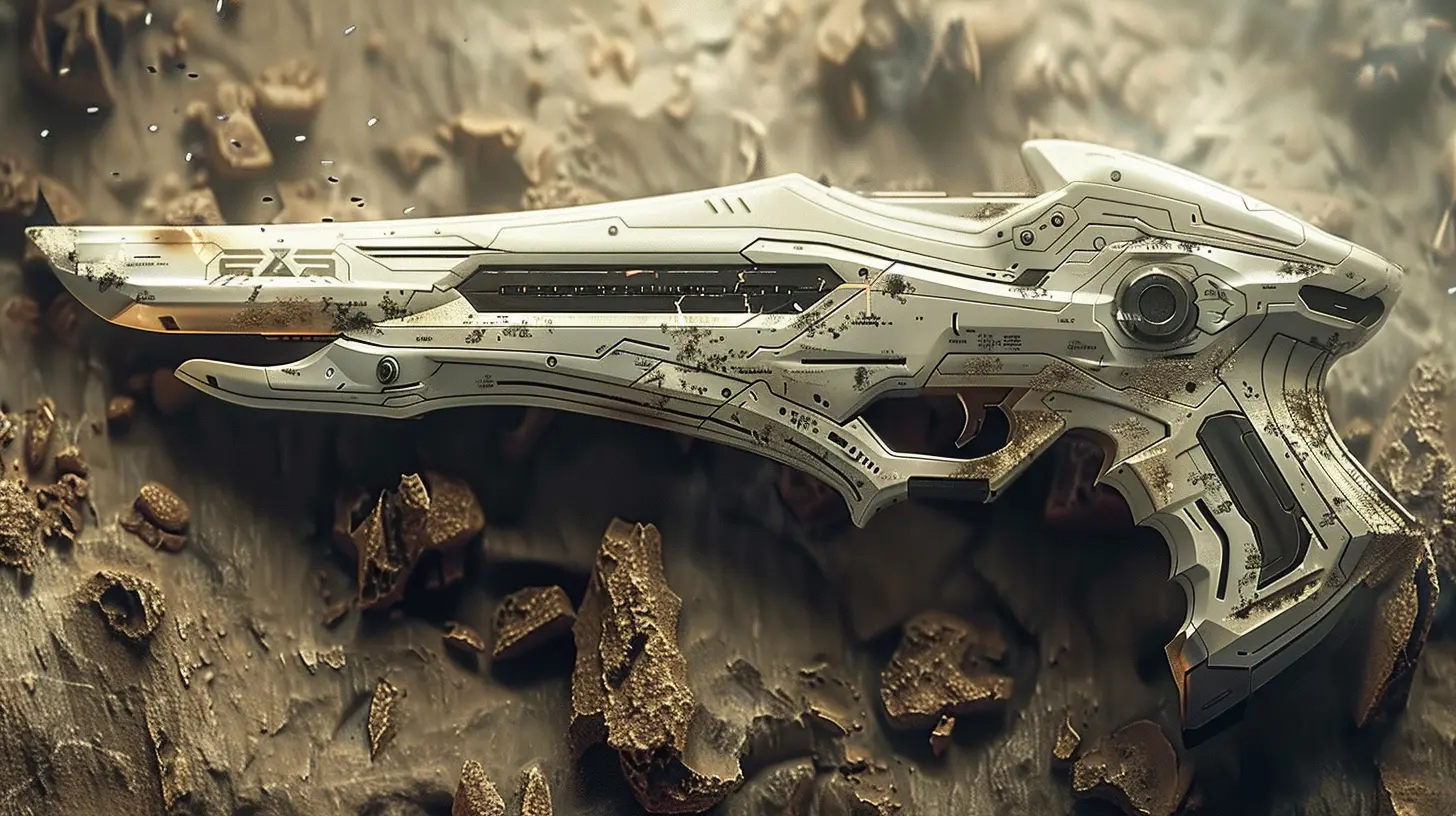
The Building Blocks of Weapon Balance
Balancing a weapon isn't just slapping on some numbers and calling it a day. Developers look at a ton of different variables.1. Damage Output
This is the most obvious one. How much pain does your gun bring? High damage might sound great, but if there’s no trade-off—like low fire rate or small ammo capacity—it can feel unfair.2. Rate of Fire
A gun that sprays bullets like a garden hose can shred enemies fast, even if each bullet does low damage. That’s why balancing fire rate against damage is critical.3. Accuracy and Recoil
An accurate weapon with low recoil can dominate at range. But throw in some weapon sway or unpredictable recoil patterns, and suddenly, you’ve got to work harder to hit your shots.4. Reload Time
A slow reload can be the Achilles’ heel of an otherwise powerful gun. It's the classic risk-reward—unleash hell, but hope no one rushes you while you're reloading.5. Range and Bullet Drop
Sniper rifles need to feel dominant at long distances, but nearly useless up close. Shotguns should tear up close-quarters, but be laughably bad at range. When those rules get broken (looking at you, slug shotguns), chaos ensues.6. Movement Penalty
Heavier weapons might slow your character down. This affects positioning, flanking, and escape—another trade-off in the arsenal-balancing act.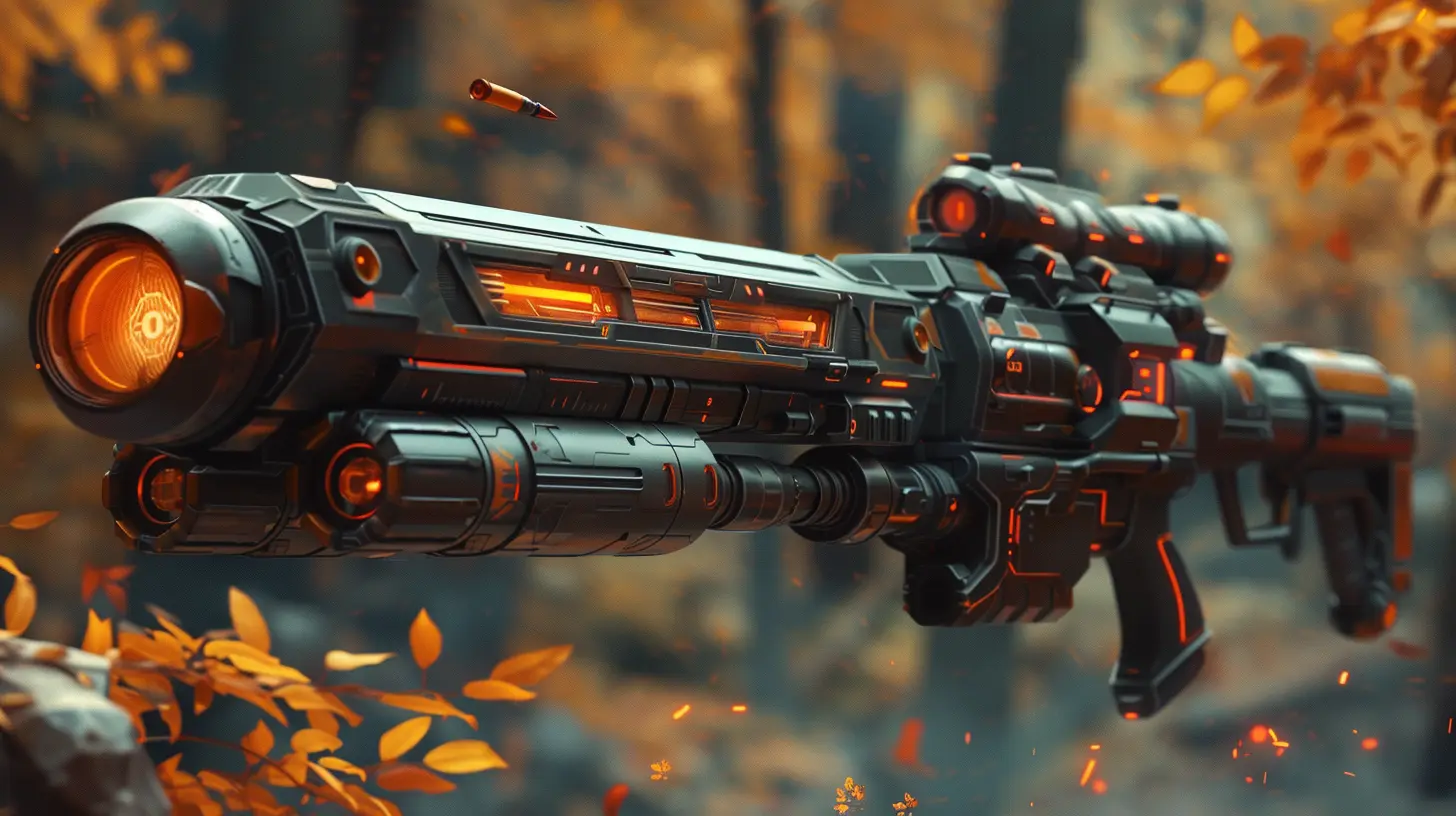
The Curse of the Meta
Once players find “the best gun,” it's game over for the rest of the armory. This is what players call the meta—the most effective tactics available. And once a weapon becomes meta, everyone uses it.This challenges balance in huge ways.
Why Metas Form
Players will always min-max. It’s in our nature to find the smallest edge. If a single weapon gives consistent wins, it’ll snowball in popularity.How Devs Respond
Developers usually roll out patches with buffs and nerfs. These tweaks adjust stats in tiny (or sometimes game-changing) ways—like reducing damage, increasing recoil, or tweaking reload times.But here’s the kicker: changing one thing often breaks something else.
You nerf a dominant assault rifle? Suddenly, SMGs dominate. You buff pistols? Now everyone’s John Wick. It’s a high-stakes game of whack-a-mole.
Real-World Examples of Great (and Not-So-Great) Weapon Balancing
Let’s look at some actual cases from popular FPS titles to see how weapon balancing works—or doesn’t.Counter-Strike: Global Offensive
The AWP is the iconic one-shot kill sniper rifle. It’s powerful, but balanced by its cost, slow movement, and long reload. It's a perfect example of a weapon that feels overpowered but is finely balanced by its downsides.On the flip side, remember the R8 Revolver when it first dropped? That thing could one-tap across the map and didn’t cost much. It was chaos. Valve nerfed it fast, but not before the community went full cowboy.
Call of Duty Series
Oh boy. Every CoD launch has one weapon that makes players rage. Whether it’s the MP40 in World War II or the DMR 14 in Warzone, overpowered weapons are kind of a tradition.But credit where it’s due—Activision has gotten better at rolling out quick balance patches. A gun might rule for a week or two, but the days of 6-month metas are (mostly) behind us.
Apex Legends
Respawn plays a smart card here by rotating weapons in and out of care packages and crafting. This lets them "vault" overpowered guns without straight-up removing them. Genius!Plus, every gun has a distinct personality. The Wingman? High skill, high reward. The R-99? Bullet hose, but only if you can control it. It’s a playground of balanced chaos.
Challenges Developers Face
Okay, so why don’t devs just balance everything perfectly and call it a day?Spoiler: It’s a lot harder than it looks.
1. Different Player Skill Levels
What’s balanced for a pro might be overpowered for a noob. Auto-shotguns vs. bolt-action snipers, anyone?Designers have to walk a tightrope between accessibility and mastery. That’s a tough act.
2. Map Design and Game Modes
A weapon that’s awesome on one map may be garbage on another. Snipers are king in open maps but useless in tight, corridor-heavy layouts.Adding or removing game modes can instantly shift the weapon balance too. Ever tried using a shotgun in a giant battle royale map? Yeah... good luck with that.
3. Community Feedback
Players are passionate. Sometimes too passionate.There’s a fine line between listening to feedback and overreacting to loud voices. Devs need data, not just opinions, to make informed balance decisions.
The Tools Behind the Balance
So how do developers actually balance this stuff? They’ve got some cool tricks up their sleeves.Playtesting
Internal QA teams grind the builds before launch, but more importantly, developers monitor live gameplay after release. There's only so much you can simulate in-house.Weapon Heatmaps
Modern games collect crazy amounts of data. Weapon heatmaps show which guns are used most, where they’re used, and how effective they are. If one gun's lighting up killfeeds all over the map, it’s likely too strong.User Stats & Analytics
Kill/death ratios, win percentages, accuracy—devs track everything. If a weapon has unusually high stats across the board, that’s a red flag.Balancing Isn’t Just Numbers—It’s Feel
Here’s something that often gets overlooked: weapons need to feel good.A well-balanced gun that sounds like a Nerf blaster isn’t satisfying. Likewise, a weapon might be statistically fair but still feel unfair to die by. That emotional response matters.
Think about it:
- Does the recoil feel realistic?
- Is the reload animation snappy and cool?
- Does the sound design make you go “whoa” when it fires?
Balance isn’t just math—it’s art.
The Future of Weapon Balance
As gaming evolves, so does weapon balance. Here are some trends to watch:AI and Machine Learning
Imagine using AI to adjust weapon stats in real-time based on player data. We’re not there yet, but it’s coming. That could mean fewer overpowered metas and smoother gameplay tweaks.Community Involvement
More studios are opening up test servers and public feedback loops. This lets players try balance changes before they go live. It’s like crowdsourcing your playtesting.Cross-Platform Considerations
A weapon might dominate on console because of aim assist, but be weak on PC. Devs are starting to tune weapons differently across platforms. That’s a huge win for balance.Final Thoughts: Balance Is a Never-Ending Battle
Here’s the truth—weapon balance is an ongoing process. You can’t “solve” it. New players join, metas shift, patches roll out, and everything changes.But that’s part of what makes shooters so thrilling. You never know when your favorite pew-pew stick becomes the new king of the battlefield—or when it gets nerfed into the dirt.
So next time you pick up a gun in your favorite shooter, just appreciate the insane amount of thought that went into making it feel just right.
Or at least fair enough to not throw your controller across the room.
all images in this post were generated using AI tools
Category:
Game BalancingAuthor:

Pascal Jennings