Photogrammetry and Its Role in Realistic Game Worlds
7 August 2026
Creating jaw-dropping game worlds isn’t just about flashy graphics and powerful hardware anymore. It’s about depth, realism, and immersion. And let’s be honest—when we walk through a dense forest in a survival game or tiptoe across ancient ruins in a sprawling RPG, we want it to feel real.
That’s exactly where photogrammetry steps in. It’s the secret sauce behind some of the most visually stunning games we’ve played in recent years. But what is photogrammetry, and why is it such a game-changer in the world of game development?
Let’s take a deep dive into this tech magic and uncover how photogrammetry is shaping the future of realistic game environments.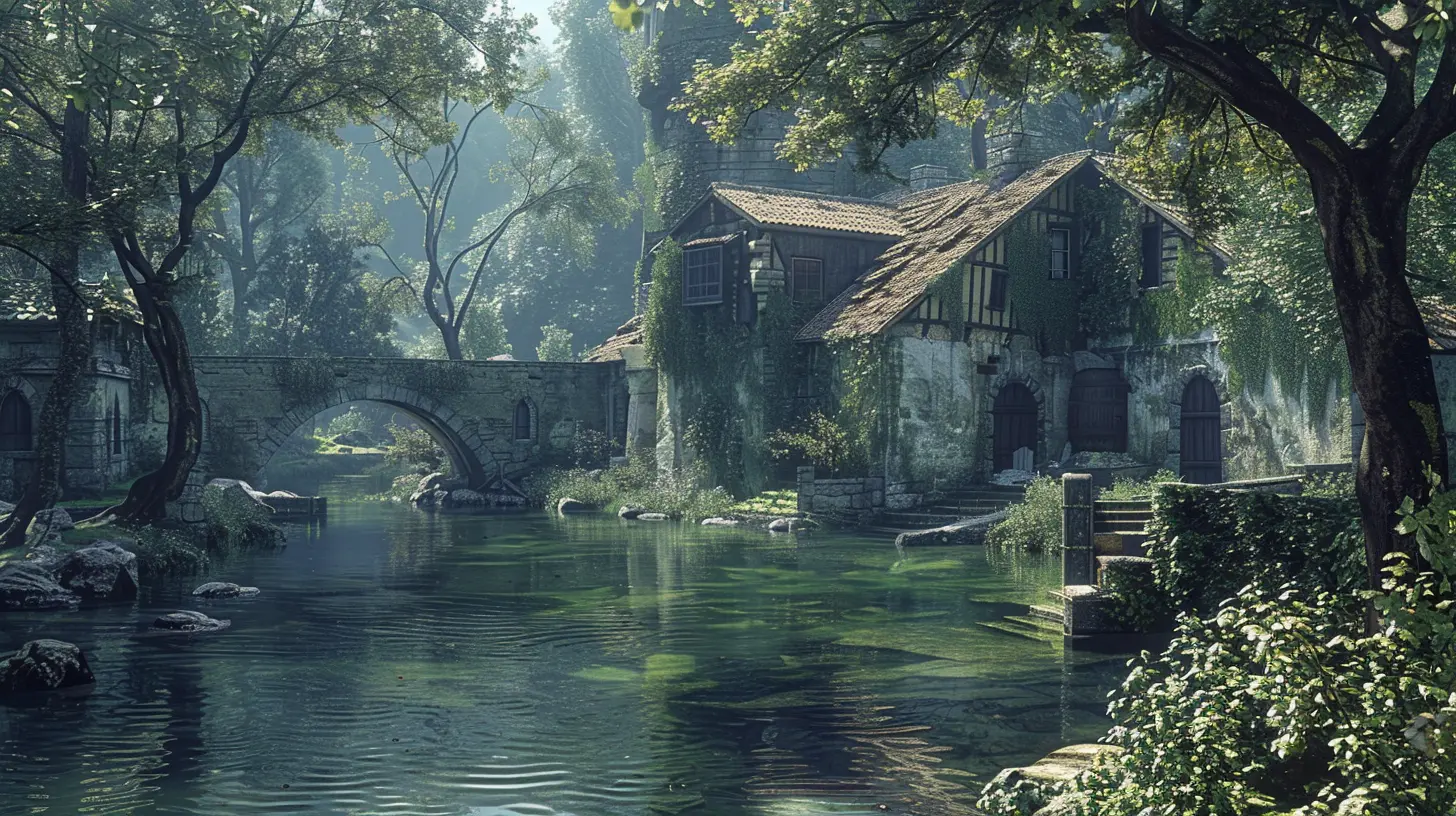
What Is Photogrammetry?
In simple terms, photogrammetry is the process of capturing real-world objects or environments using photographs—and then turning those photos into detailed 3D models using specialized software.Sounds cool, right? Well, it gets even cooler when you realize that game developers can use this to scan everything from an old brick wall to an entire mountain range and replicate it in-game with insane accuracy.
Imagine this: instead of handcrafting every rock, tree, and texture from scratch, you could just scan them from real life and drop them right into your game. That’s photogrammetry in action.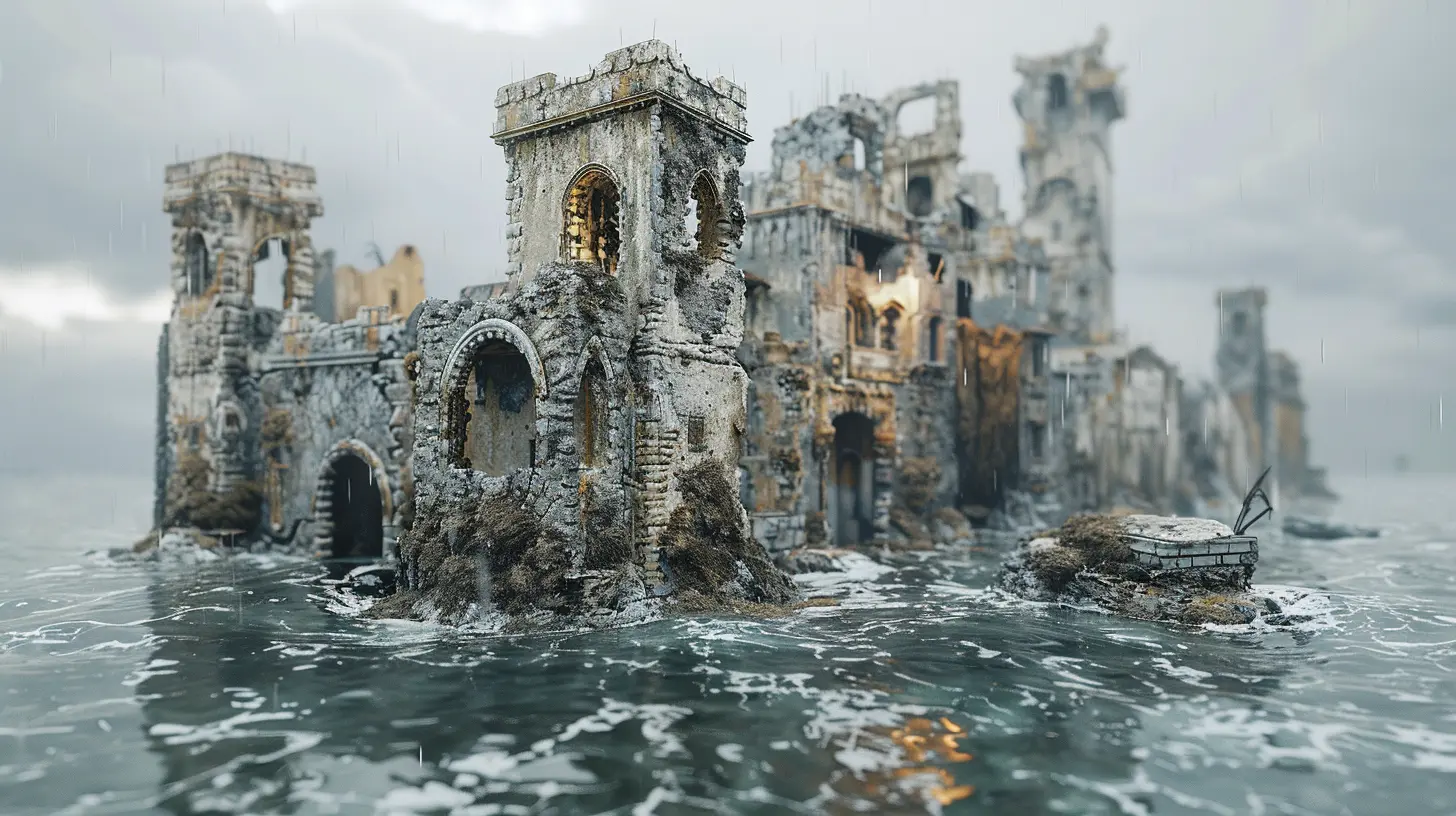
How Does Photogrammetry Work?
Okay, let’s not get too technical, but here’s the gist of it:1. Snap a Ton of Photos
Developers snap hundreds (sometimes thousands) of high-resolution photos from every angle of an object, surface, or environment.
2. Process With Software
Software like RealityCapture, Agisoft Metashape, or CapturingReality stitches those photos together to generate a high-detailed 3D model.
3. Clean Up the Model
Artists then clean, optimize, and retopologize the model so it runs smoothly in-game without frying your GPU.
4. Texture Mapping
The software maps the real-world colors and textures directly onto the model to make it look ultra-realistic.
Boom. Real-world stuff brought to life inside your game world.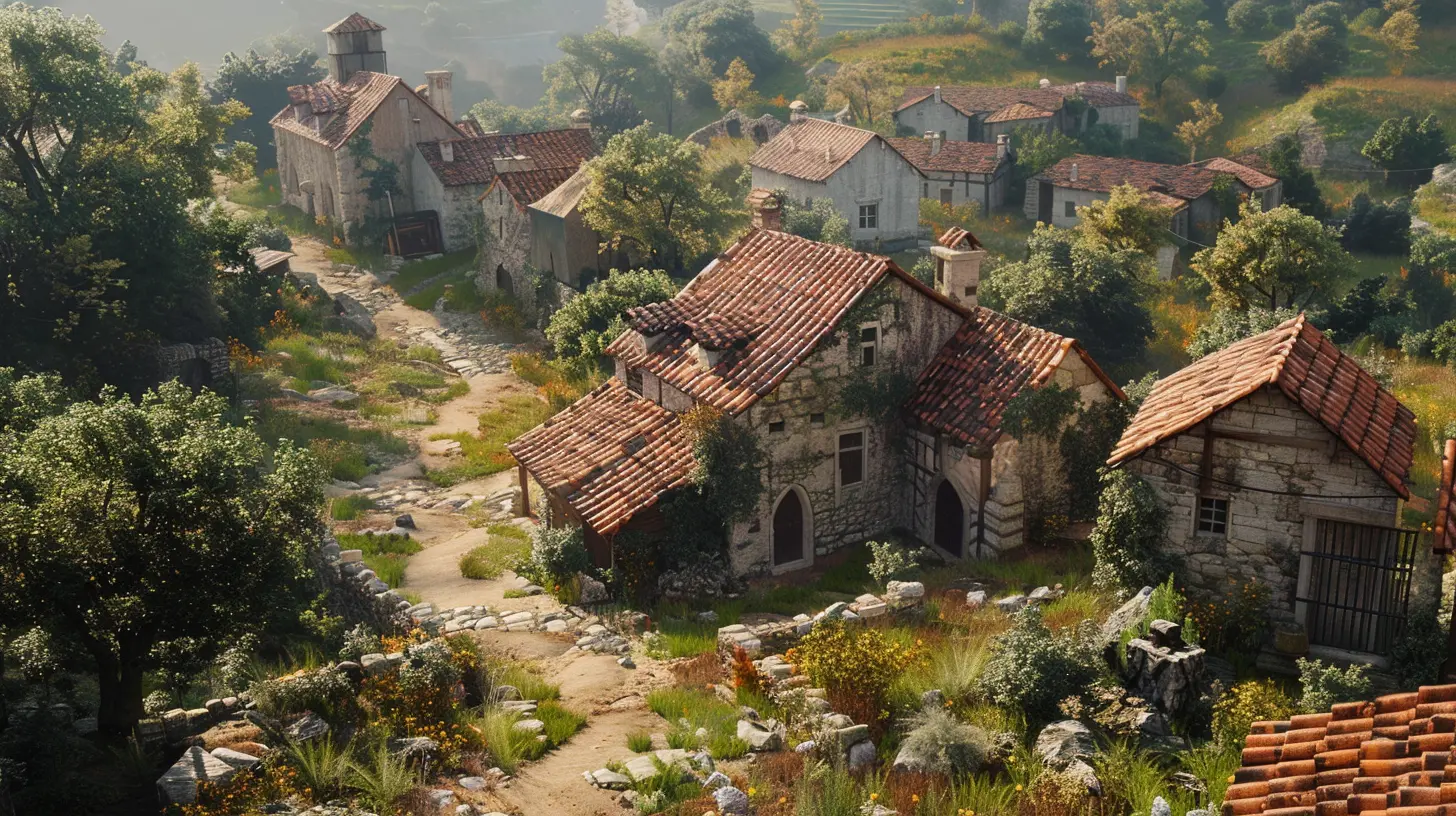
Why Is Photogrammetry a Big Deal in Gaming?
Think back to games like The Vanishing of Ethan Carter, Star Wars Battlefront, or Red Dead Redemption 2. These titles didn’t just look good—they looked real. And that’s largely because their environments were created using photogrammetry.This tech saves time, builds authenticity, and enhances immersion. Players don’t just play in these worlds—they believe in them.
1. Hyper-Realism Without the Crunch
Let’s face it, building realistic assets by hand requires tons of time and effort. Texturing alone can be a nightmare.Photogrammetry streamlines this process. Developers can spend more time designing gameplay, storylines, or mechanics, while still delivering movie-quality visuals. It’s a win-win for both devs and players.
2. Immersive Storytelling Through Environment
Game worlds tell stories—sometimes even better than dialogue does. A crumbling cathedral, a graffiti-covered underpass, or a mossy gravestone can say more than a cutscene.Photogrammetry captures all those tiny imperfections—the cracks, dirt, and wear—that breathe life into digital worlds. It makes history feel heavy, and every corner of the map feel meaningful.
3. Faster Turnarounds, Bigger Worlds
Once you've got a solid photogrammetry pipeline down, asset creation becomes much faster compared to traditional modeling.That means bigger worlds, faster development cycles, and more updates post-launch. For open-world or sandbox games, photogrammetry is a total game-changer.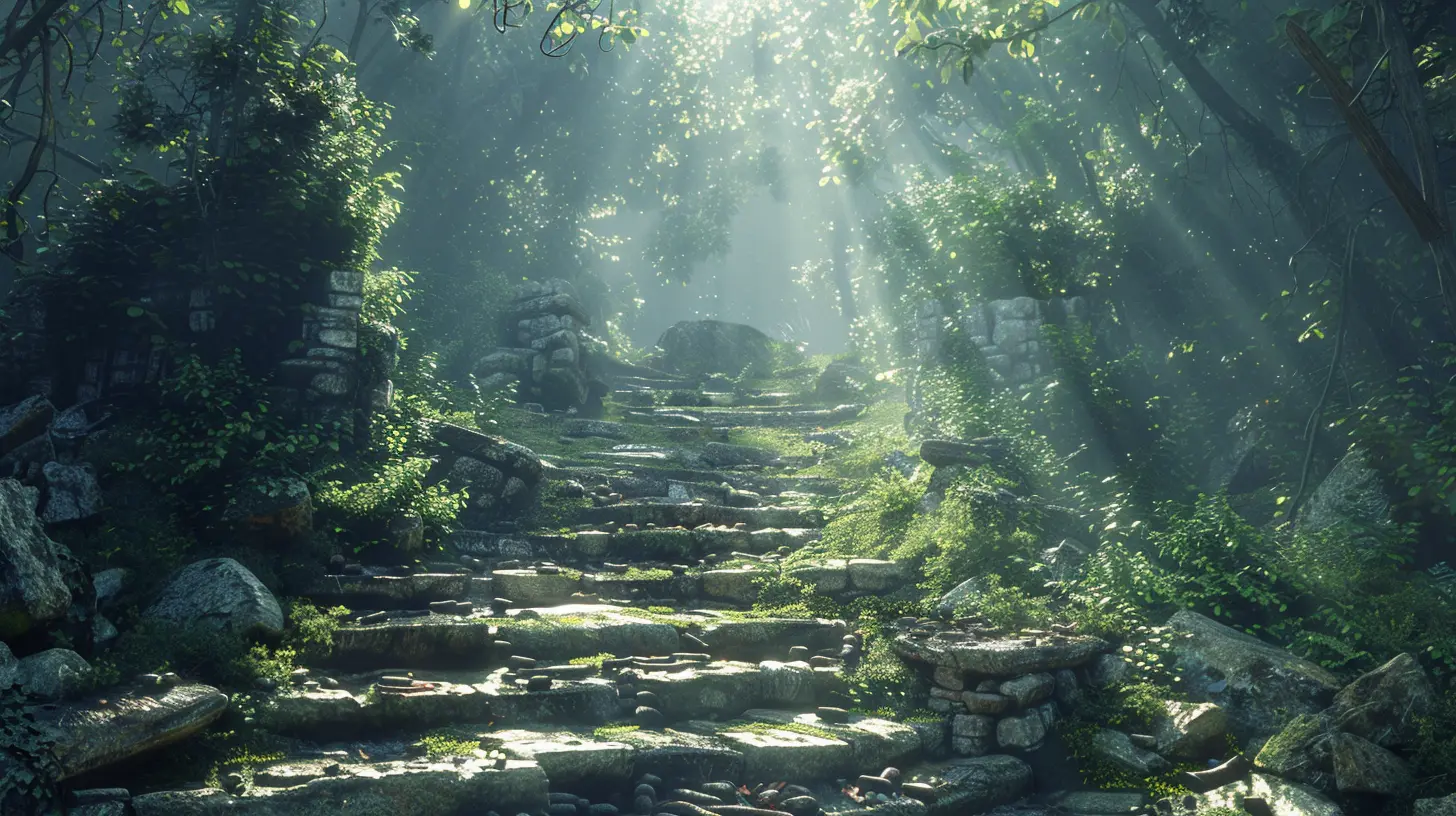
Pros and Cons: Is Photogrammetry Perfect?
No tech is flawless. While photogrammetry is seriously powerful, it comes with its own quirks and challenges.✅ Pros
- Incredible Detail – Captures real imperfections and micro-details no artist could easily replicate.- Time-Saving – Reduces manual work on modeling and texturing.
- Cost-Efficient Long-Term – Though the setup can be expensive, it pays off as asset creation scales.
- Boosts Immersion – Players love realism. It deepens emotional connection with the world.
❌ Cons
- Hardware and Software Costs – High-quality cameras, drones, and software aren’t cheap.- Massive File Sizes – Raw models can be data-heavy and require serious optimization.
- Not Always Flexible – Customizing or altering scanned assets can be tough.
- Lighting Issues – Photos must be taken under consistent lighting for proper results.
But despite these drawbacks, the benefits often outweigh the downsides—especially when used smartly.
Real-World Examples in Gaming
Let’s get to the juicy bits—who’s using photogrammetry and how?? The Vanishing of Ethan Carter (2014)
This indie gem was one of the first games to really use photogrammetry prominently. The result? A hauntingly beautiful world that feels like you could walk into it.? Star Wars: Battlefront Series
Dice and EA used photogrammetry to scan actual props from the Star Wars archives. Everything from stormtrooper suits to blaster rifles got the digital treatment. The result? A galaxy that feels completely authentic.? Red Dead Redemption 2
Want to know why the wilderness in RDR2 feels almost too real? Yep—photogrammetry. Rockstar nabbed real-world scans of forests, rocks, trees, and more to design the American frontier.? Call of Duty Series
From Modern Warfare to Warzone, newer CoD games use photogrammetry to build hyper-detailed environments that mimic real war zones and structures.The Future of Photogrammetry in Games
We're only scratching the surface of what photogrammetry can do. As technology evolves, it’s going to get faster, cheaper, and even more accessible.Let’s look at a few trends shaping the future:
1. AI + Photogrammetry = Faster Pipelines
Machine learning is being integrated into photogrammetry workflows, helping clean up models, fill missing data, and optimize assets in seconds instead of hours.Imagine AI autocompleting broken parts of a scanned object, or matching lighting and shaders perfectly—that’s the next big step.
2. Real-Time Photogrammetry in Games?
We’re not there yet, but imagine walking around your neighborhood with a phone, capturing it in real-time and dropping it into your game engine.With advancements in mobile LiDAR (Apple’s newer iPhones and iPads have it already), this is becoming more realistic—no pun intended.
3. Democratization for Indie Devs
Tools are getting more user-friendly, and even budget-friendly. Free and open-source photogrammetry software means indie developers can get in on the action too. You no longer need a Hollywood-sized budget to create AAA-quality environments.Challenges Developers Still Face
Even with all its perks, photogrammetry isn’t a plug-and-play solution. Developers still wrestle with a few key issues:- Performance Optimization: High-detail assets can throttle frame rates. They need careful LOD (Level of Detail) management.
- Consistency Across Assets: Not all scans look the same—lighting, texture quality, and resolution can vary wildly.
- Artistic Control: Sometimes you want the world to look a bit... stylized. Photogrammetry gives you realism, but tweaking that into a specific art direction can be tricky.
Tips for Gamers: Spotting Photogrammetry in Games
Ever wondered how to tell if a game uses photogrammetry? Keep an eye out for:- Ultra-detailed textures on rocks, trees, or architecture
- Environments that feel a little too real
- Real-world imperfections like chipped paint, moss, or water stains
- Objects that look like they’ve been scanned rather than modeled (because they have!)
Final Thoughts: Realism Isn’t Just A Trend—It’s the Future
Photogrammetry is more than just a buzzword. It’s a powerful creative tool that's changing how we build virtual worlds. Whether you're roaming an abandoned city in a post-apocalyptic RPG or admiring the historical accuracy in a WWII shooter, chances are you've been immersed in environments built or enhanced with photogrammetry.And the best part? Technology keeps advancing. What feels cutting-edge today might just be baseline tomorrow. As gamers, we’re in for a wild, beautiful, and incredibly realistic ride.
So the next time you stop mid-game just to admire a crumbling wall or lifelike forest floor, remember—someone probably went out into the real world, took a hundred photos of the real thing, and used photogrammetry to bring it into your screen.
That’s the magic of blending reality with imagination. And photogrammetry is the bridge that makes it happen.
all images in this post were generated using AI tools
Category:
Game GraphicsAuthor:

Pascal Jennings
Discussion
rate this article
1 comments
Caden Meyers
Photogrammetry truly transforms gaming environments. The level of detail and realism it brings is impressive. It's exciting to see how this technology shapes our experiences and enhances immersion in virtual worlds. Great insights in this article!
August 7, 2026 at 2:21 AM