Interpreting the Final Scenes of The Legend of Zelda: Breath of the Wild
12 December 2025
So, you’ve finally done it. After 100+ hours of cooking dubious meals, taming wild horses, yeeting off cliffs with your paraglider, and ugh... hunting down those pesky Koroks, you’ve reached the long-awaited finale of The Legend of Zelda: Breath of the Wild.
And what a ride it’s been, right?
But now that Ganon’s been squashed like a Calamity-induced bug and peace has settled back over Hyrule, you’re probably sitting there wondering... "Wait, that’s it? What did that ending even mean?"
Don’t worry, fellow adventurer. You're not alone. Let’s crack open the mystery shrine together and take a deep dive into interpreting the final scenes of one of the most beloved games in recent memory.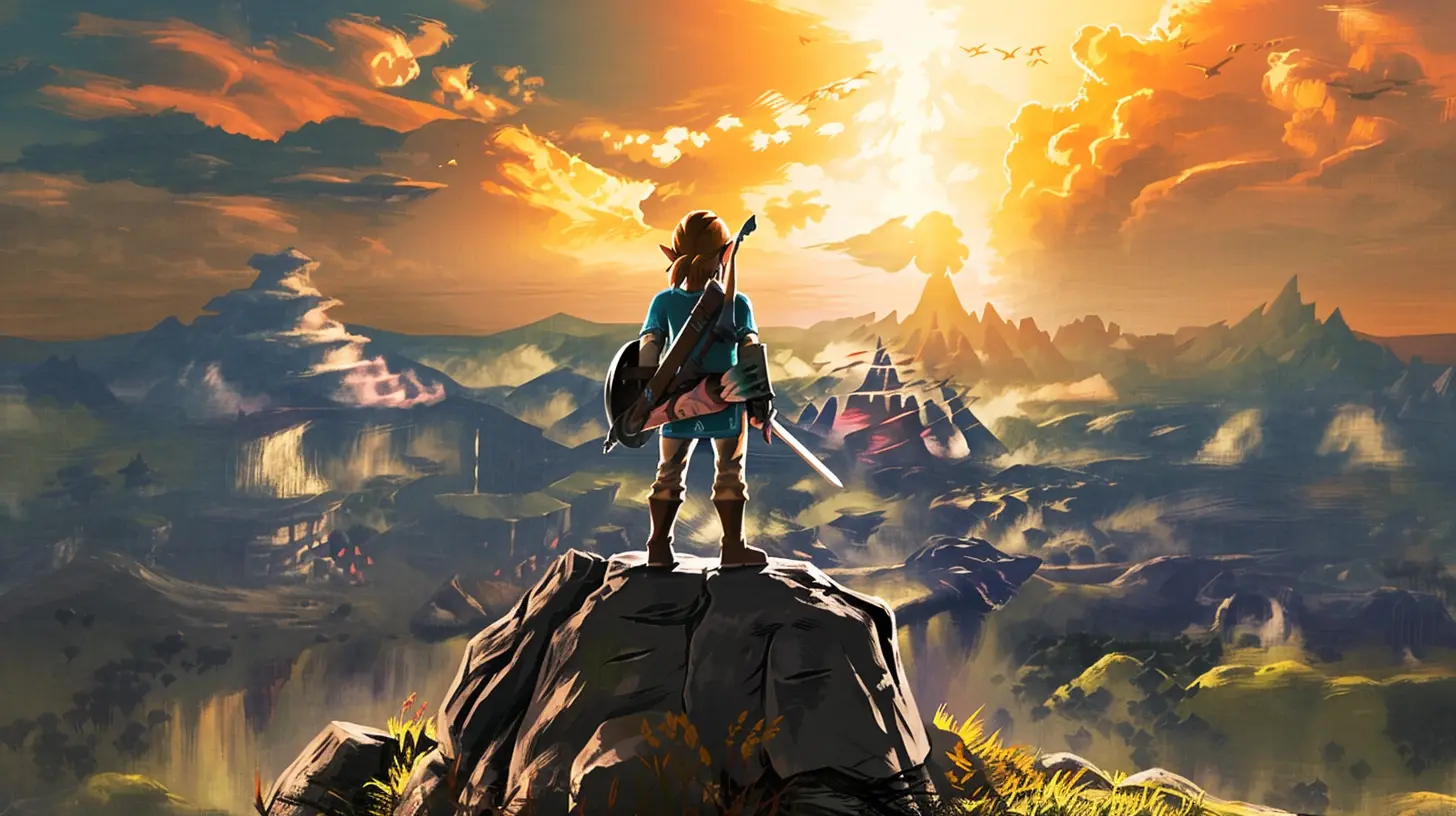
🧭 Setting the Stage: What Even Happened?
Before we start unraveling all the juicy bits, let’s quickly remind ourselves what goes down in the final scenes.Link defeats Calamity Ganon, a world-ending spaghetti monster composed of pure malice and bad vibes. Depending on whether you saved all four Divine Beasts and recovered all your memories (looking at you, Completionists), you’re treated to one of two endings.
The Basic Ending:
You slay Ganon, Zelda uses her light powers to seal him for good, and the game cuts to a peaceful sunrise. Roll credits.The Secret/True Ending:
Same stuff happens, but after the credits, we see Zelda and Link talking about rebuilding Hyrule. She mentions something about certain divine powers no longer working and expresses a newfound appreciation for the journey ahead.It’s short. It’s subtle. It’s loaded with cryptic meaning. And it leaves more questions than a Sheikah puzzle room.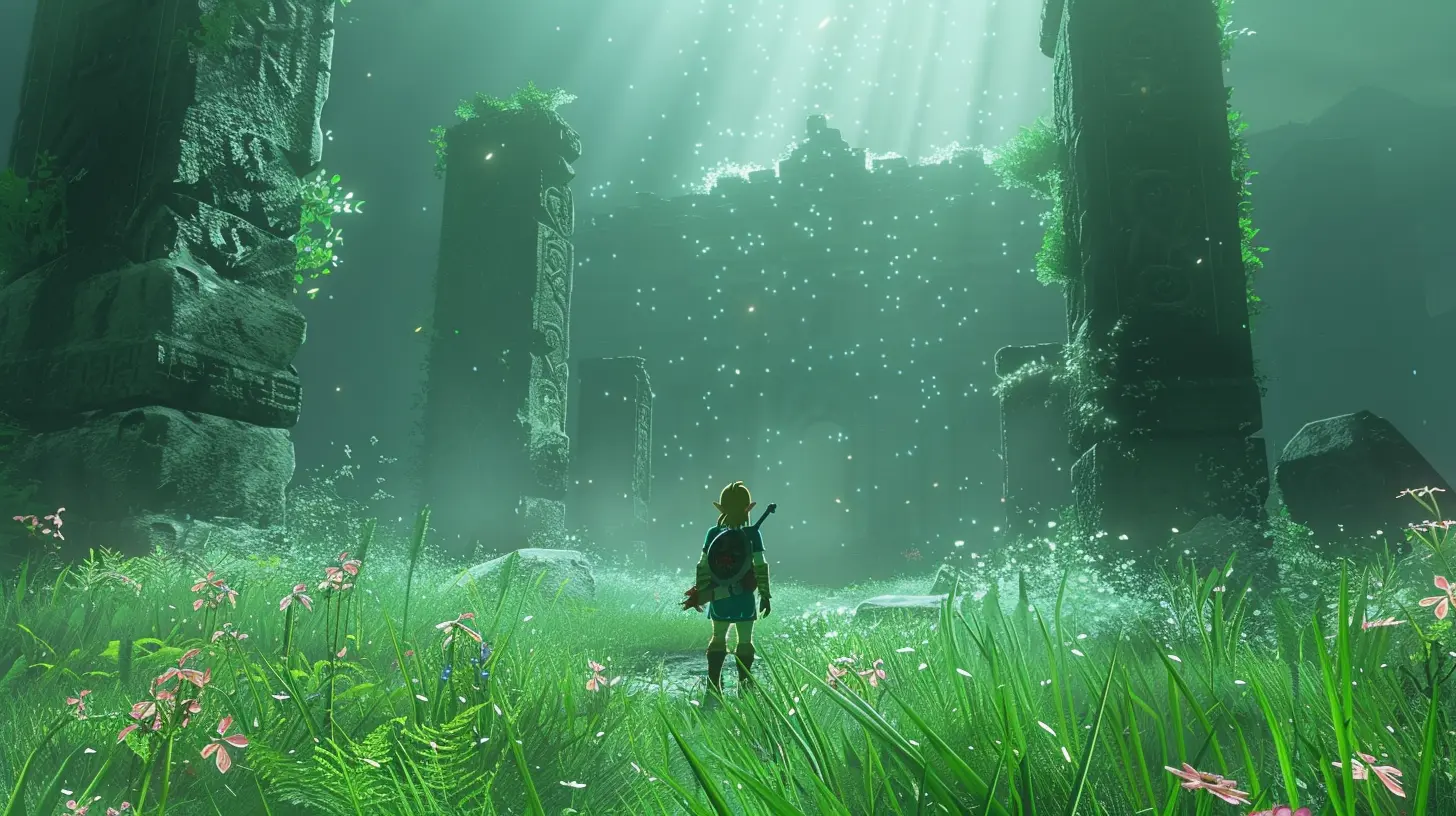
🧠 Zelda’s Powers: Gone or Evolving?
Let’s talk about the first big “Wait, what?!” moment in the true ending—Zelda says she can no longer hear the voice of the Goddess Hylia.Hold up. What gives?
The way I see it, Zelda’s statement could go two ways:
1. Her Powers Were Only Temporary
Zelda’s divine sealing magic may have been a one-time-use kind of deal—like that instant-use Guardian Sword you get for helping the robot in Akkala. Goodbye, Hylia hotline.This idea paints Zelda as someone who played her part in the big cosmic chess game, and now it's on to normal princess duties—y’know, like diplomacy and castle remodeling.
2. Her Powers Are Evolving
Or maybe, just maybe, Zelda doesn’t need divine babysitting anymore. The lack of Hylia’s voice could hint that Zelda is becoming something more—an independent, wiser, and stronger version of herself.Progress, baby.
It’s almost symbolic, right? Losing that divine connection could represent growing out of her old self, shedding the past, and stepping into her own boots (and tiara) as a leader of the new Hyrule.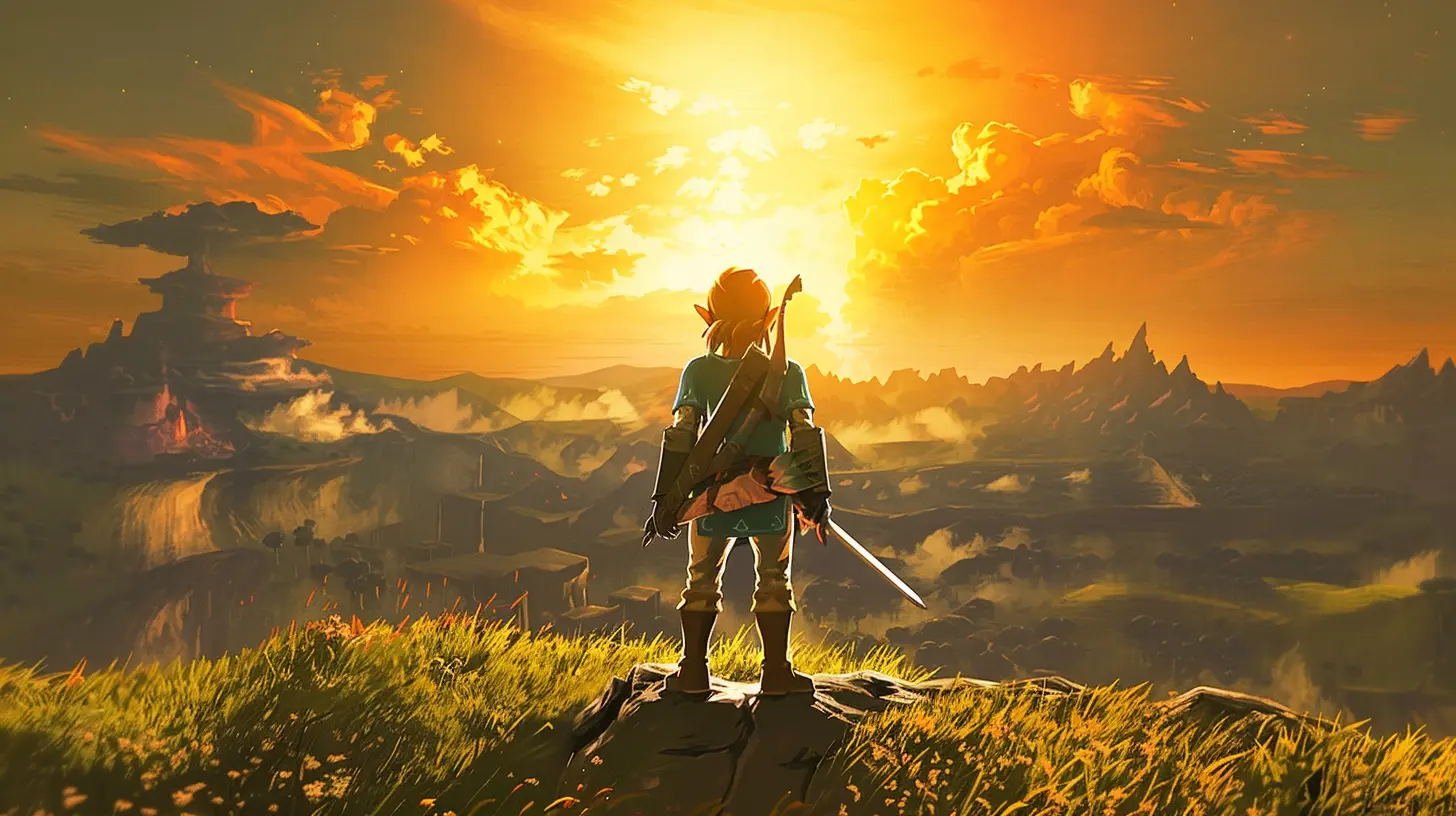
🏹 Link... The Silent Protagonist or Secretly Deep?
Okay, let’s get this out of the way—Link still doesn’t speak. Not one word. Nada. The man’s a walking Triforce emoji with a big ol’ sword.But don’t be fooled—his silence doesn’t mean he’s got nothing to say.
Link’s journey is a metaphor—you know, like those artsy movies where everything has hidden meaning. He wakes up with no memory, confused, and alone... sounds familiar, huh?
As you recover his lost memories and see flashbacks with the other Champions and Zelda herself, it becomes clear that Link is more than just a swordsman. He’s loyal, compassionate, and willing to shoulder an impossible burden for the sake of others.
Think about it. He literally walks into battle against an ancient curse with only a stick and some spicy peppers because someone asked him to. That’s deep.
The Final Scene’s Takeaway?
Link may not say a word, but the final scenes show him as a man of action. He doesn’t need to speak—he listens. He protects. And he’s ready to face the next chapter, sword in hand, Hylian shield on back, hair perpetually windswept.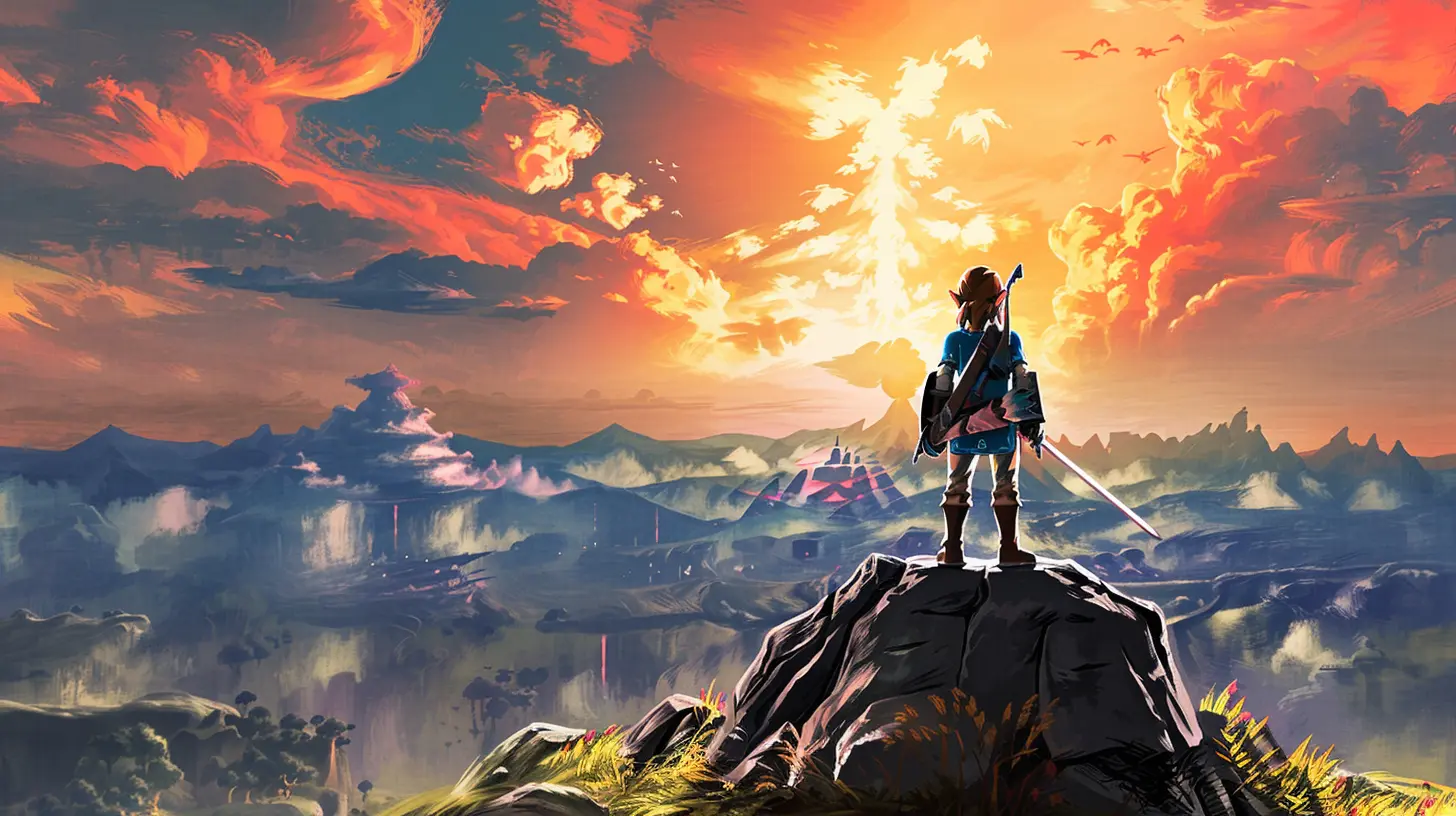
🏔️ What Does the Ending Mean for Hyrule?
Okay, so evil’s been sealed (again), Zelda’s already talking about new problems, and Link’s all geared up. But what about big-picture stuff?Hyrule's in Ruins... Now What?
Let’s face it: Hyrule got wrecked. Like, "oops-no-auto-save-for-5-hours" level wrecked. The landscape is riddled with the ruins of a once-great kingdom, villages are abandoned, and don’t even get me started on those Guardian remains just chilling everywhere.But the final scene hints at something refreshing—hope.
Zelda and Link aren’t just riding off into the sunset. They’re ready to rebuild. Rebuild the land. Rebuild relationships. Rebuild the future.
If that’s not some wholesome post-apocalyptic optimism, I don’t know what is.
🐎 What About the Champions?
Ah, the Champions. Those four legendary warriors who loved dramatic entrances and died spectacularly.In the final battle, we see their spirits helping Link by blasting Ganon with laser beams from their Divine Beasts. Super cool. Also very... final.
Their appearances in the ending (especially in the true ending) feel like a fond farewell. Like your college friends waving goodbye as you head into adulthood. They're gone, but their legacy lives on—literally, through the people of Hyrule they’ve inspired.
And hey, if you’ve played Age of Calamity, you probably cried a few extra tears knowing their deeper backstories. No shame in that.
🌟 The Symbolism Is Strong With This One
If there’s one constant in Zelda games, it’s symbolism. The final scenes of Breath of the Wild are no exception.Here are a few tasty metaphorical morsels:
- The Castle in Ruins – A symbol of the fall of the old order. It represents the end of divine rule and the start of something... more human.
- The Light of the Sun Rising – New beginnings, awakening, enlightenment. You know, the usual “good stuff is coming” vibes.
- Zelda’s Blue Champion’s Tunic – She sheds her royal garb and puts on something practical. She’s not just a princess anymore; she’s a warrior, a builder, and a partner.
🔮 Where Does This Leave the Sequel?
Now here’s the juicy part. Nintendo saw your confusion and said, “Hey... let’s make a sequel.”Breath of the Wild 2—or Tears of the Kingdom as it’s now officially called—is promising darker themes, a floating Hyrule, and some seriously cryptic imagery (hello, zombified Ganondorf?).
The ending of the original game acts as a perfect springboard.
Everything’s fresh. We’re post-calamity. Zelda and Link are now co-adventurers (finally!). And the possibilities are endless—just like your Korok seed counter.
So, did the ending feel short? Sure. But strip away the expectations, and it’s more of a soft whisper that says: “This is just the beginning.”
🔥 Final Thoughts (No, Not From Death Mountain)
The final scenes of The Legend of Zelda: Breath of the Wild might not offer explosive fireworks or dramatic soliloquies, but they don't need to.They’re quiet. Hopeful. Introspective.
It’s a storytelling style that respects you as the player. You’re not spoon-fed answers. You’re given breadcrumbs and asked to craft your own meaning. It’s like Miyamoto handed you the pieces and said, “You’re the Hero of Time. Figure it out.”
And honestly? That’s kind of beautiful.
So whether you saw Zelda’s final words as a goodbye to divine intervention or a hello to a new era... whether you thought Link was silently brooding or just hungry for more grilled meat skewers... one thing’s for sure:
The adventure may end, but the legend? It’s just getting started.
all images in this post were generated using AI tools
Category:
Game Endings ExplainedAuthor:
Pascal Jennings
Discussion
rate this article
2 comments
Raine Jones
Embrace the adventure ahead!
December 25, 2025 at 4:11 AM
Pascal Jennings
Thank you! Every adventure brings new insights, just like interpreting those final scenes!
Berenice McQuillan
Great insights! The final scenes of Breath of the Wild truly capture the essence of adventure and emotional depth. Thanks for sharing your perspective!
December 22, 2025 at 4:21 PM
Pascal Jennings
Thank you for your kind words! I'm glad you resonated with the themes of adventure and emotion in those final scenes.