Inside the Mind-Bending Finale of Control
10 August 2026
If you've played through Remedy Entertainment’s mind-warping game, Control, you're probably still scratching your head about what exactly went down in that finale. Don’t worry—you’re not the only one. The ending of Control isn’t just some neat little wrap-up. It’s a deep dive into metaphysical chaos, identity, and interdimensional shenanigans that’ll leave your brain buzzing.
So, let’s pull back the veil, dodge floating bodies, and unravel the mysterious, surreal, and brilliantly bizarre final act of Control—together.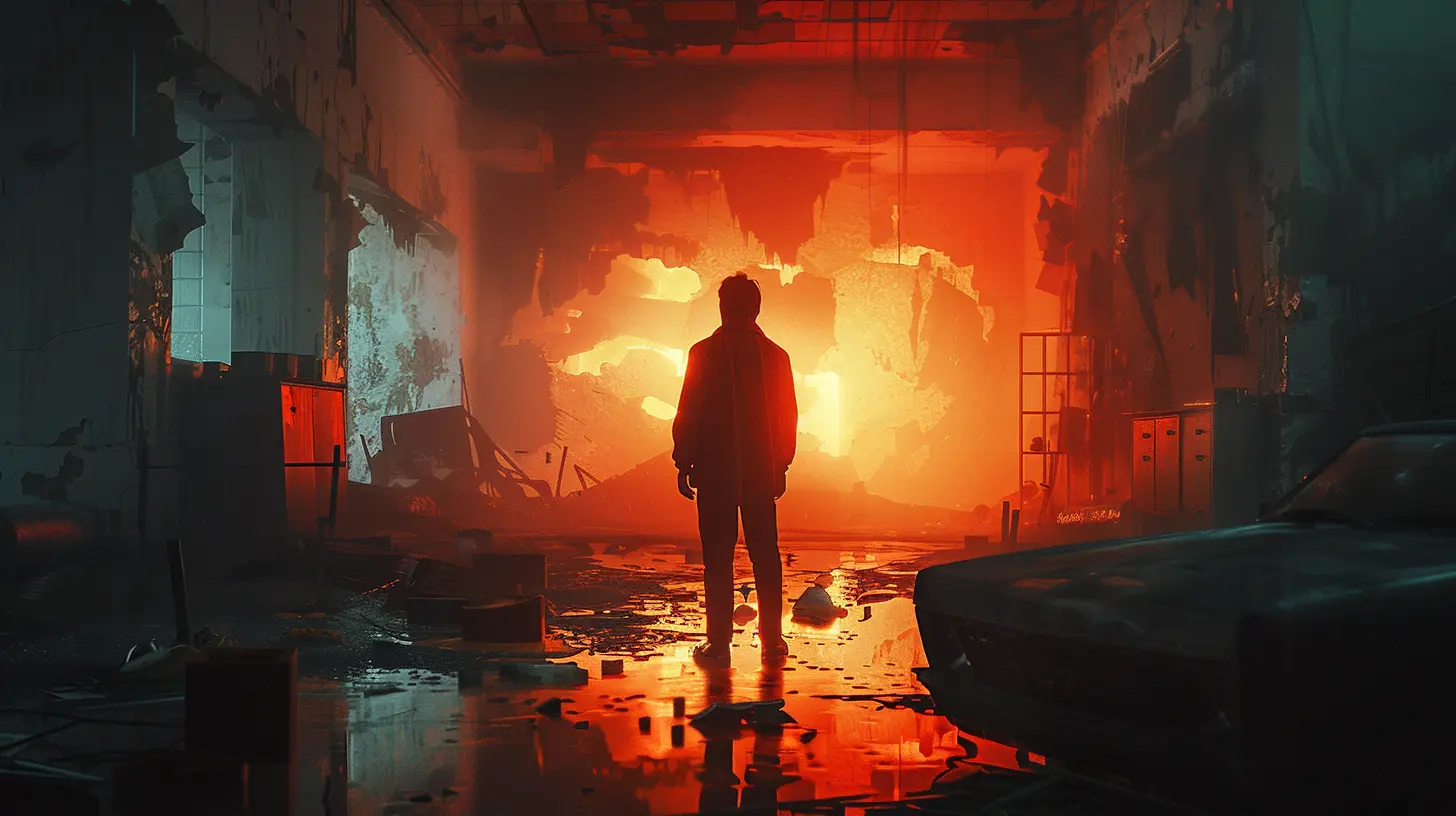
Welcome to the Oldest House (Again)
First off, it’s important to remember how Control sets the tone. From the moment Jesse Faden enters the Federal Bureau of Control (FBC) inside the shape-shifting Oldest House, you realize you’re not walking into your typical video game. You’re in a place where gravity doesn’t matter, whispers echo from nowhere, and a mind-bending energy called the Hiss is screwing with reality at its core.You’re not just fighting enemies here—you’re fighting concepts.
But it’s the finale, when Jesse fully embraces her role as the Director and dives deeper into the Bureau’s twisted heart, where things go full Inception meets Twin Peaks.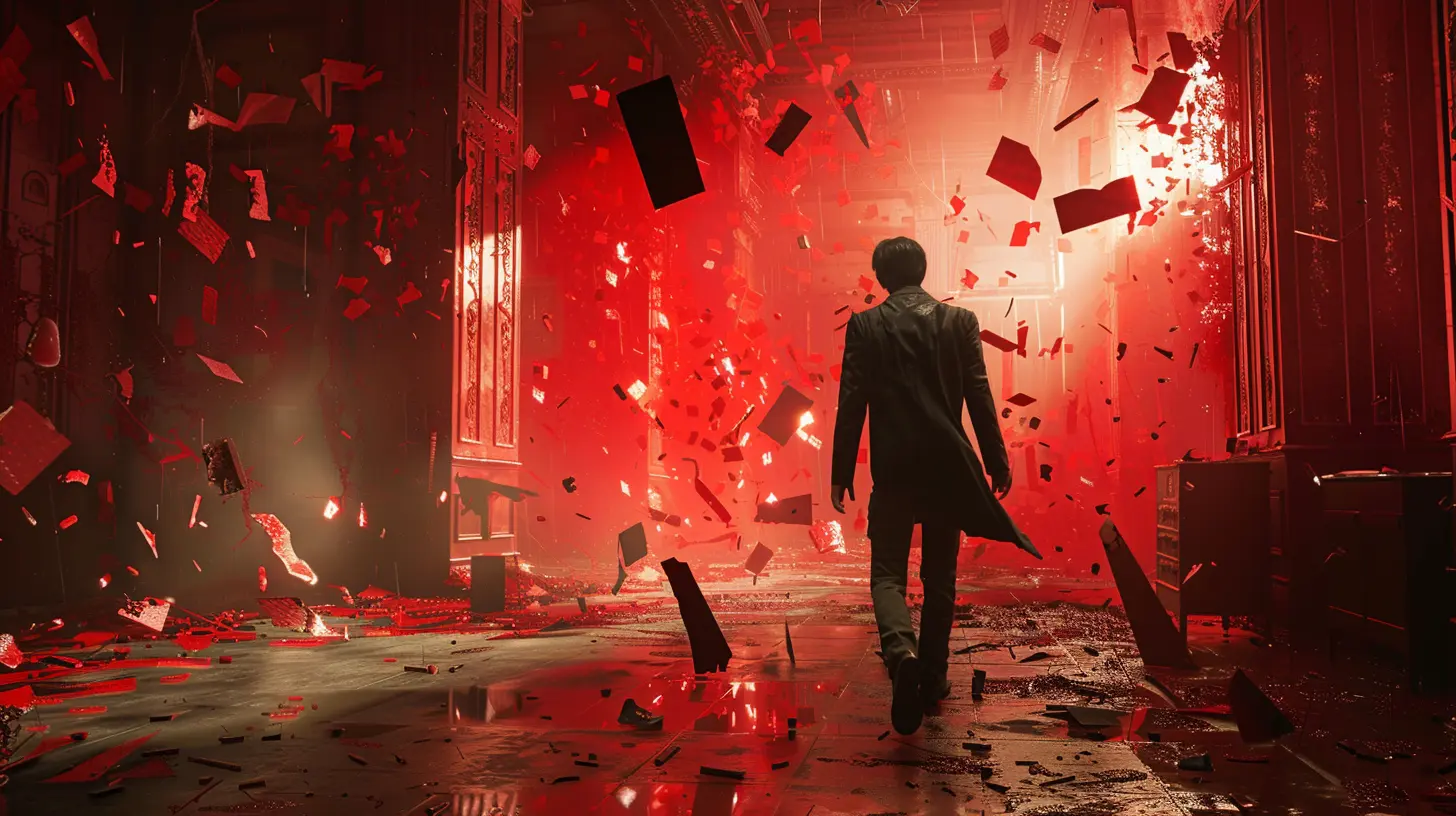
Jesse’s Journey: A Battle for Control (Pun Intended)
Jesse Faden starts off looking for her brother Dylan, but the deeper she goes, the more she realizes this isn’t just about family. It's about identity, destiny, and the very fabric of reality. And the finale? That’s when it all hits the fan.Let’s break it down.
The Ashtray Maze and the Build-Up
Before we even get to the true ending, we’ve got that glorious, psychedelic Ashtray Maze. If you haven’t played it, imagine sprinting through a living Escher painting to the beat of a thundering rock song. It’s one of the most unforgettable sequences in any game, and it perfectly sets the stage for what’s to come.This isn’t a traditional boss-fight climax. It’s a narrative crescendo where everything you've experienced gets turned on its head. You thought you had some idea of what the Hiss was? Yeah, nope.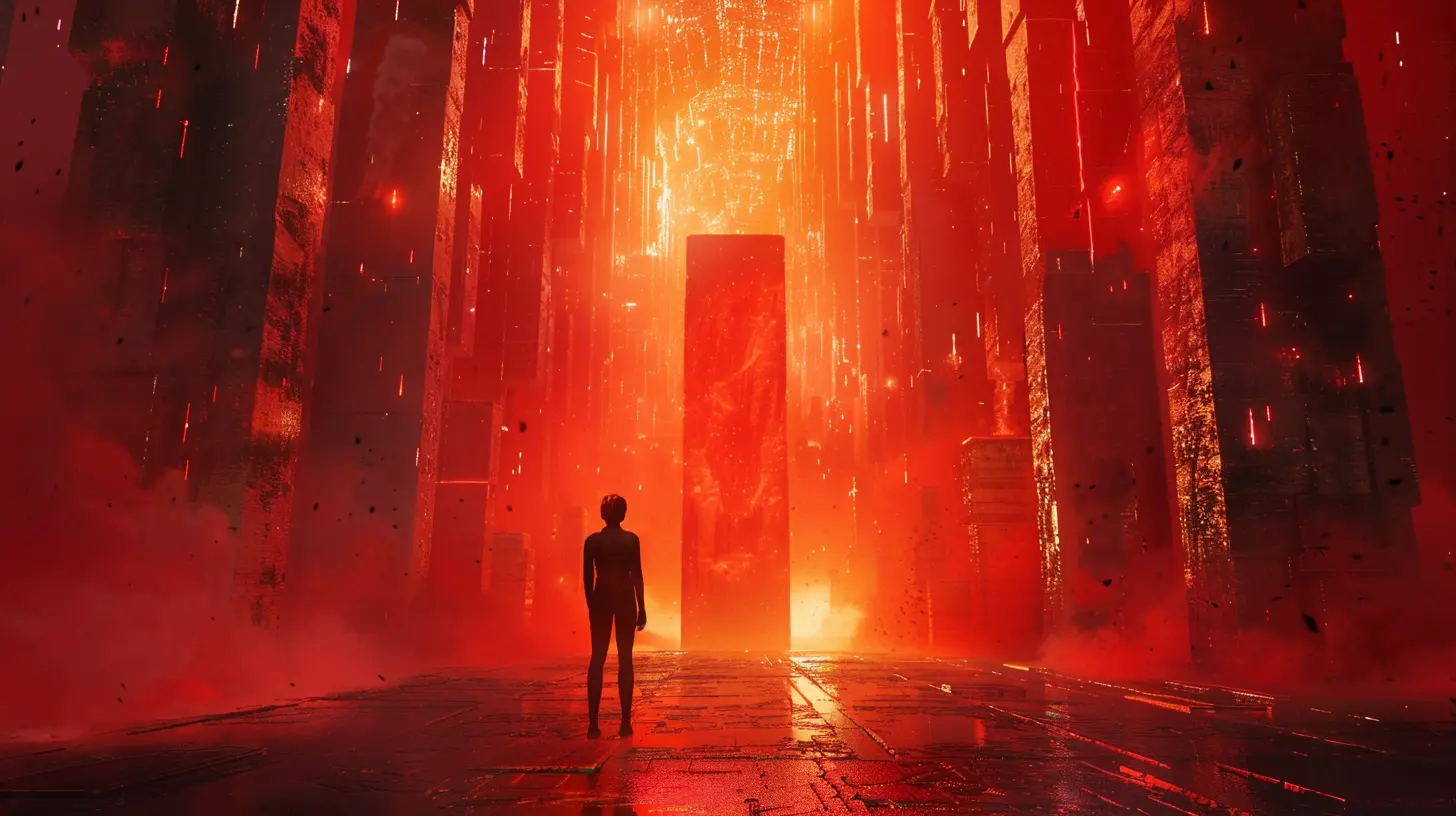
The Dreamlike Descent: What’s Real and What’s Not?
The finale begins with a jarring twist. After a slew of revelations, Jesse is suddenly thrust into what looks like... a mundane office job? The next few minutes are a confusing loop where you repeatedly “start your day” at the Bureau, only to end up resetting. It’s surreal, repetitive, and deeply unsettling.Why? Because it’s the Hiss trying to break her.
This part of the game isn’t just playing tricks for the fun of it—it’s a symbolic clash between Jesse’s conscious mind and a force trying to rewrite her existence. The monotony of the workplace, the echoing voices, the splintered thoughts—it’s all a metaphor for identity erosion.
It’s not just Jesse’s battle. It’s ours too. If you've ever felt like you're stuck in a loop, questioning what’s real and what’s imposed, this whole sequence hits hard.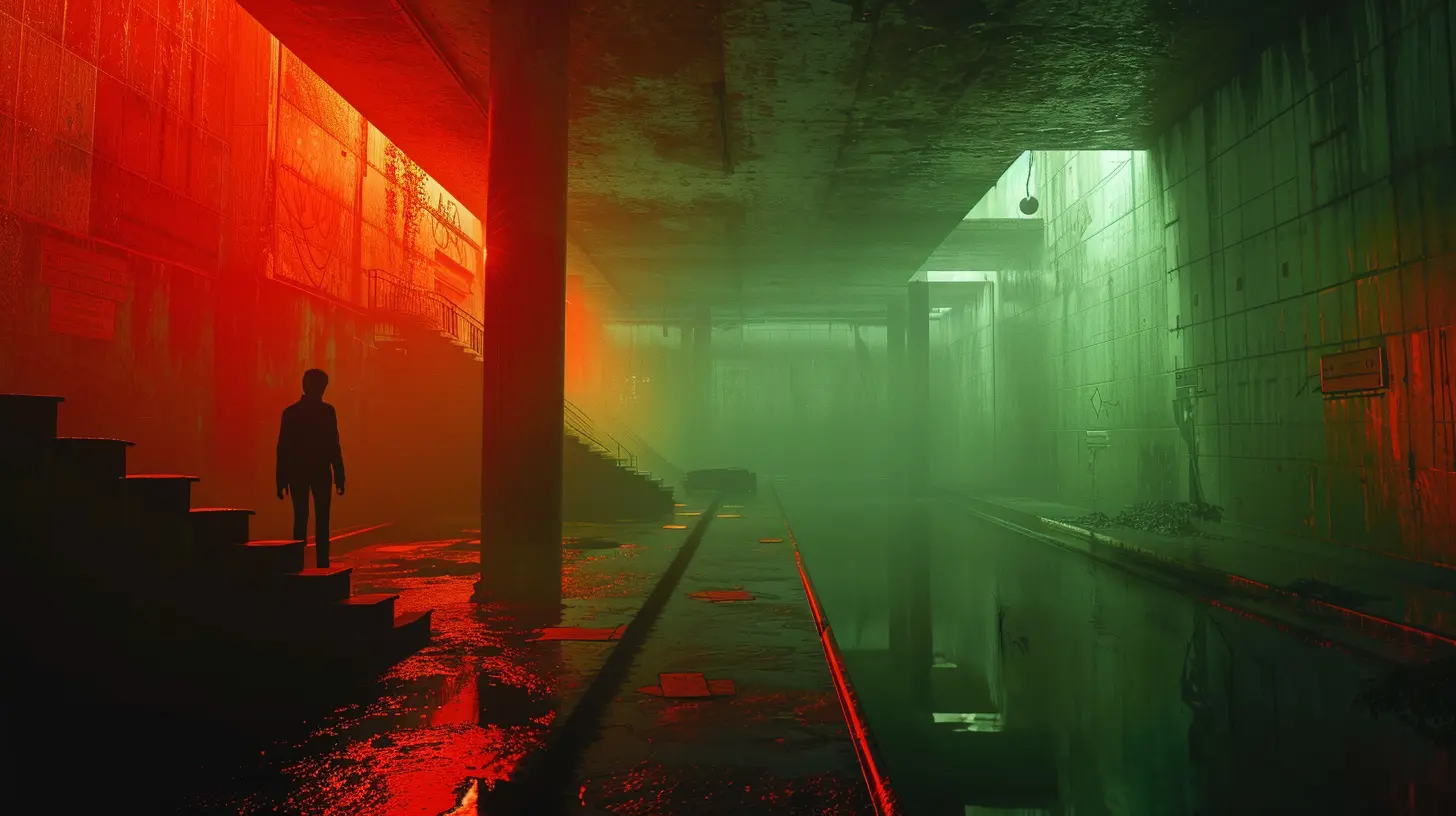
The Big Reveal: Jesse’s “Origin Story”
So, what actually is the Hiss?It’s never fully, neatly explained. But that’s kind of the beauty of Control. The Hiss is a resonance, a frequency from another dimension that invades minds and reshapes them. It’s the anti-thesis to control (get it?), a force of chaos and submission.
And Polaris? That’s the other side. A benevolent resonance that Jesse connects with as a child, giving her the strength to resist.
In the final moments, we find out that Polaris isn't just a voice in Jesse’s head—it’s what’s been protecting her. But even that protection starts cracking under the Hiss’s pressure. Jesse loses Polaris. She falls. She begins slipping into the Hiss’s grasp.
Cue the fake credits.
Yes, they literally roll credits as if it’s game over.
But it’s not.
Fake Endings and False Realities
That "ending" is one of the biggest tricks the game pulls. It slaps you with credits while Jesse floats, consumed by the Hiss—like her story just ends here. But then, boom—you’re thrown back into that looping office job, and the real final act kicks in.It's a genius move by the developers. Not only is it a meta-commentary on narrative expectations, but it reinforces the game's core theme: nothing is what it seems.
Eventually, Jesse breaks free. She takes the fight to the Hiss-infested Dylan, her brother. And that’s where the final emotional weight lands.
Dylan’s Fate: A Tragic Mirror
The heart of this ending doesn’t lie in a blockbuster fight scene or some cosmic explosion. It lies in the quiet, gut-punch moment when Jesse reaches Dylan. The Hiss has him. He’s barely responsive. And despite everything, Jesse still tries to save him.But she can’t.
This is where Control says something powerful. Not every story ends with redemption. Not everyone can be saved. Jesse accepts the reality, even if it breaks her.
This moment is a gut-wrenching flip from “girl with powers” to “leader accepting painful truths.” It’s raw. It’s honest. And it cements Jesse as not just a survivor, but as the true Director.
The Ending That’s Not Really an Ending
After the emotional climax, Jesse steps into her role fully. She’s now the Director of the FBC, tasked with cleaning up the mess, rebuilding from the wreckage, and figuring out how to stop the Hiss for good.But the game leaves a lot unanswered.
Questions about the Board, the nature of the Oldest House, and whether the Hiss is truly gone remain floating in the ether. This isn’t tied up in a bow because, well, it’s not meant to be.
Control ends by opening more doors than it closes.
And that’s what makes it brilliant.
Why the Ending Works (Even If It’s Confusing)
Let’s be real: endings in games can be hard to nail. But Control manages to deliver something that sticks with you—not because it gives you every answer, but because it lingers in your mind. It’s like waking from a dream and trying to piece it back together.Remedy’s narrative design embraces mystery and discomfort. It acknowledges that human consciousness is messy and unreliable, especially when pushed to its limits.
There’s no final boss explosion or victory dance.
Instead, there’s confrontation, acceptance, and transformation.
The Deeper Themes Behind the Finale
Let’s go a bit deeper, shall we?Here’s what the finale really taps into:
- Control vs. Chaos: Jesse’s journey is all about finding control in a world that defies logic. Whether it’s wrangling her powers or making peace with her brother’s fate, she has to ground herself.
- Identity: Who is Jesse outside of Polaris? Outside of the Bureau? Her path is about claiming her identity, not just as a tool of the Bureau, but as her own person.
- Perception vs. Reality: The game constantly plays with how we perceive things. The finale cranks this up, questioning what's real—forcing Jesse (and us) to decide what we believe to be true.
So…What Comes Next?
If you finished Control and immediately searched “Control ending explained,” you’re not alone. But that’s by design. The game wants you to think, theorize, and stay curious.And Remedy has teased that the universe of Control is just getting started. In fact, it shares the same universe as Alan Wake—which takes these ideas even deeper into psychological thriller territory.
With a sequel now in development and lingering questions about the Bureau, the Board, and the multiverse, you can bet we haven’t seen the last of Jesse Faden.
Final Thoughts: Embracing the Unknown
The ending of Control doesn’t give you all the answers—and that’s okay. Because sometimes, the best stories are the ones that leave a little space for interpretation.It’s a finale that challenges you to sit with ambiguity, embrace mystery, and find your own version of “truth” somewhere between the cracks in reality.
And isn’t that kind of beautiful?
all images in this post were generated using AI tools
Category:
Game Endings ExplainedAuthor:

Pascal Jennings