How to Start Your Own Local Gaming League
30 July 2026
So, you love gaming. You’ve probably spent dozens (if not hundreds) of hours climbing ranks, strategizing with your squad, or trash-talking your way through friendly matches. But what if I told you that your passion for games could become something bigger? Like… way bigger. Imagine starting your very own local gaming league—yep, your own community, your rules, your brand.
Think about it—a place where like-minded players from your town, school, or local area gather not just to play, but to compete, connect, and geek out over games. Sounds epic, right? If you’re nodding your head, keep reading. In this guide, I’m going to walk you through how to start your own local gaming league—from the first spark of an idea to a full-blown live championship.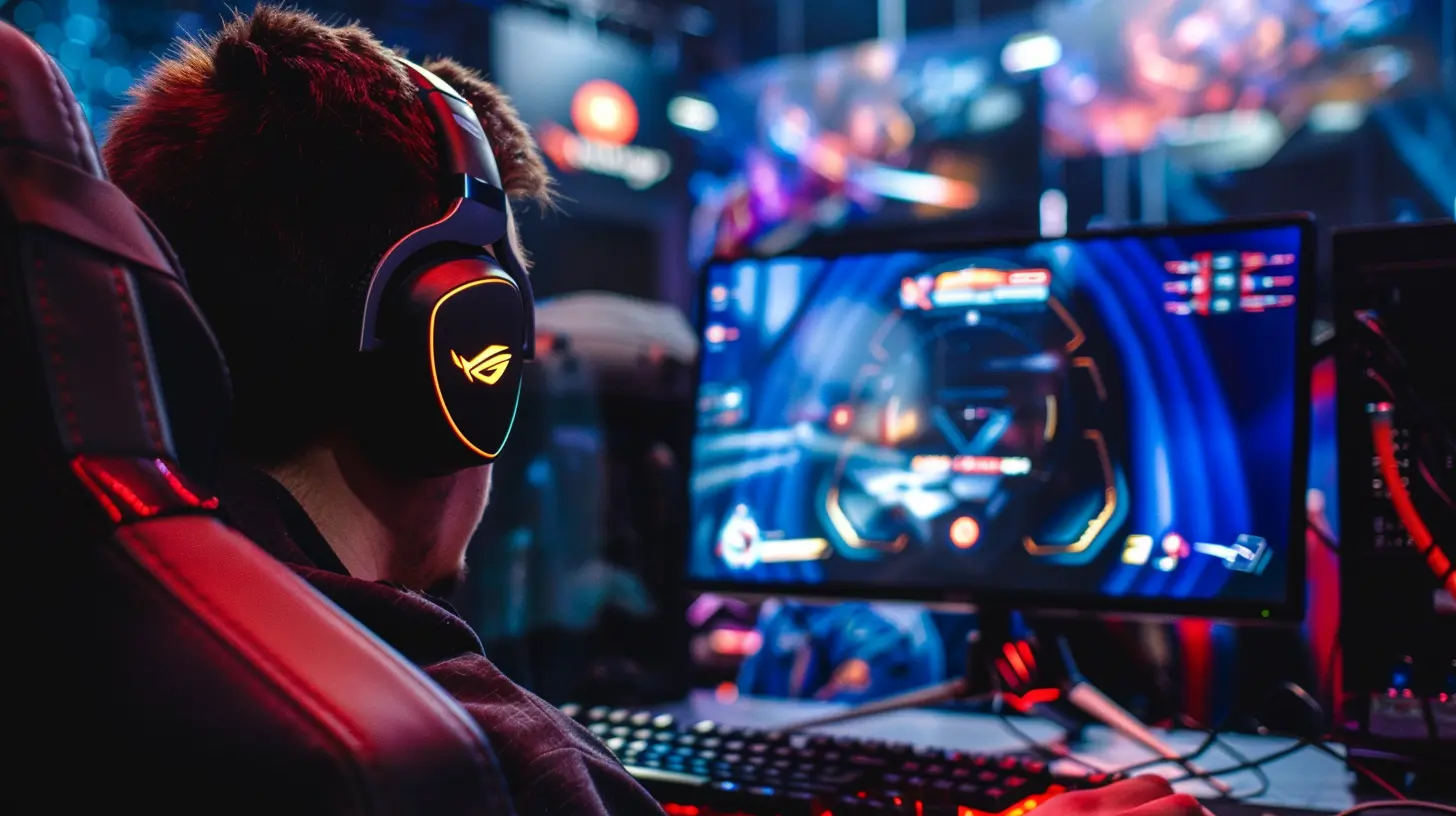
Why Start a Local Gaming League?
Let’s face it: online play is fun, but playing in person hits differently. Local leagues bring people together. You get to experience that electric atmosphere of a live match. You see players pop off with a clutch win. You hear the crowd go wild (okay, maybe it’s a handful of folks at a rec center, but still...).Here’s why starting one is totally worth it:
- Build community: Meet awesome people who love what you love.
- Improve skills: Playing against local talent sharpens your edge.
- Host events: Bring the hype to life—LAN parties, tournaments, merch, you name it.
- Boost your rep: Are you the face of gaming in your town? You will be.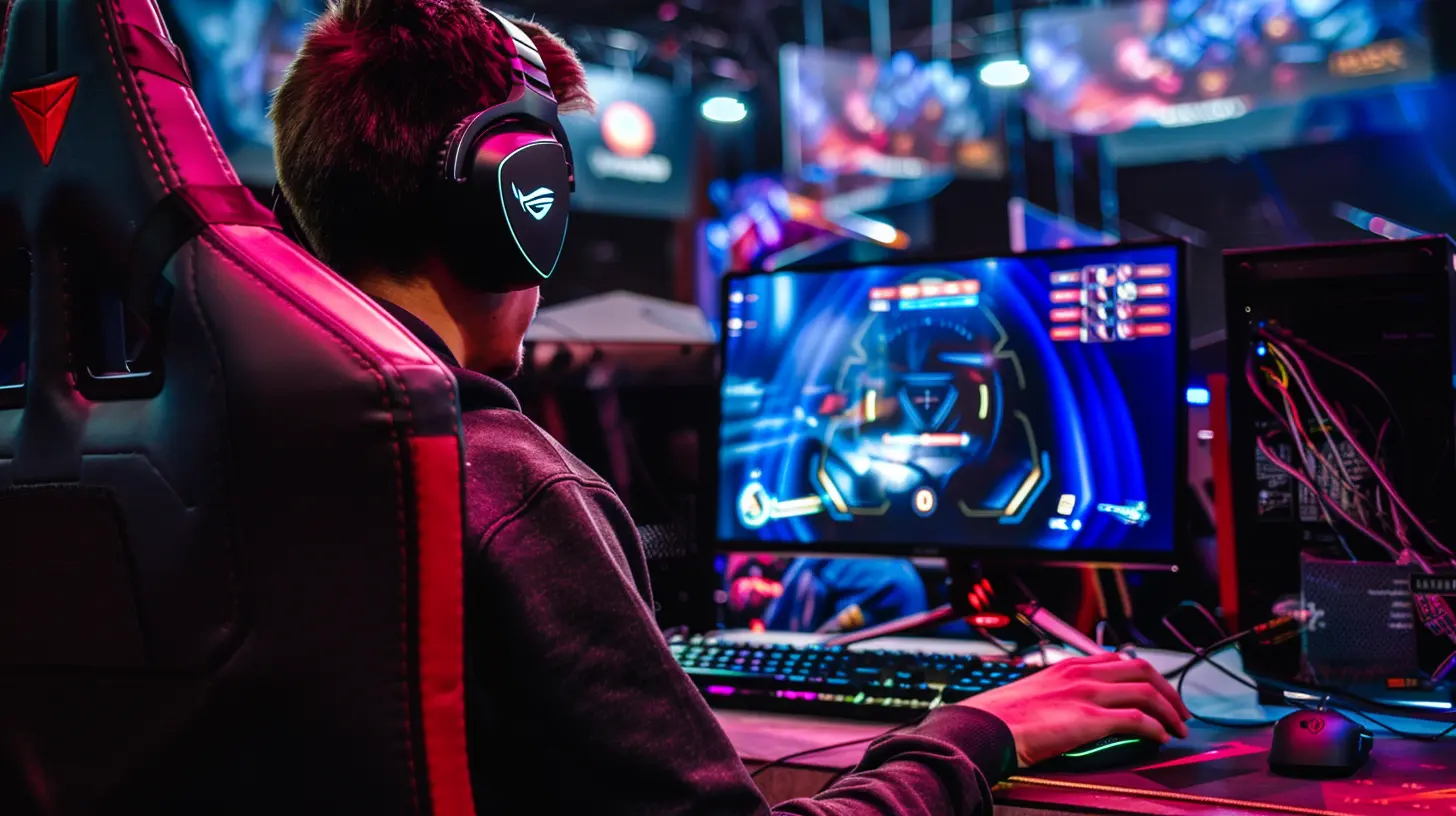
Step 1: Pick the Right Game(s)
Alright, first things first—you need to decide what games your league will feature. Are you rallying your friends for a 5v5 in Valorant? Or are you more about the FIFA, Smash Bros, or Rocket League vibes?Think About:
- Local interest: What are gamers in your area playing?- Accessibility: Do players need high-end PCs or is it console-friendly?
- Competitive balance: Games with ranked modes or pro scenes help structure competition.
- Cross-platform play: Makes it easier for players with different systems to join.
Still unsure? Test the waters! Run a poll on social media or gaming forums to find out what people wanna play.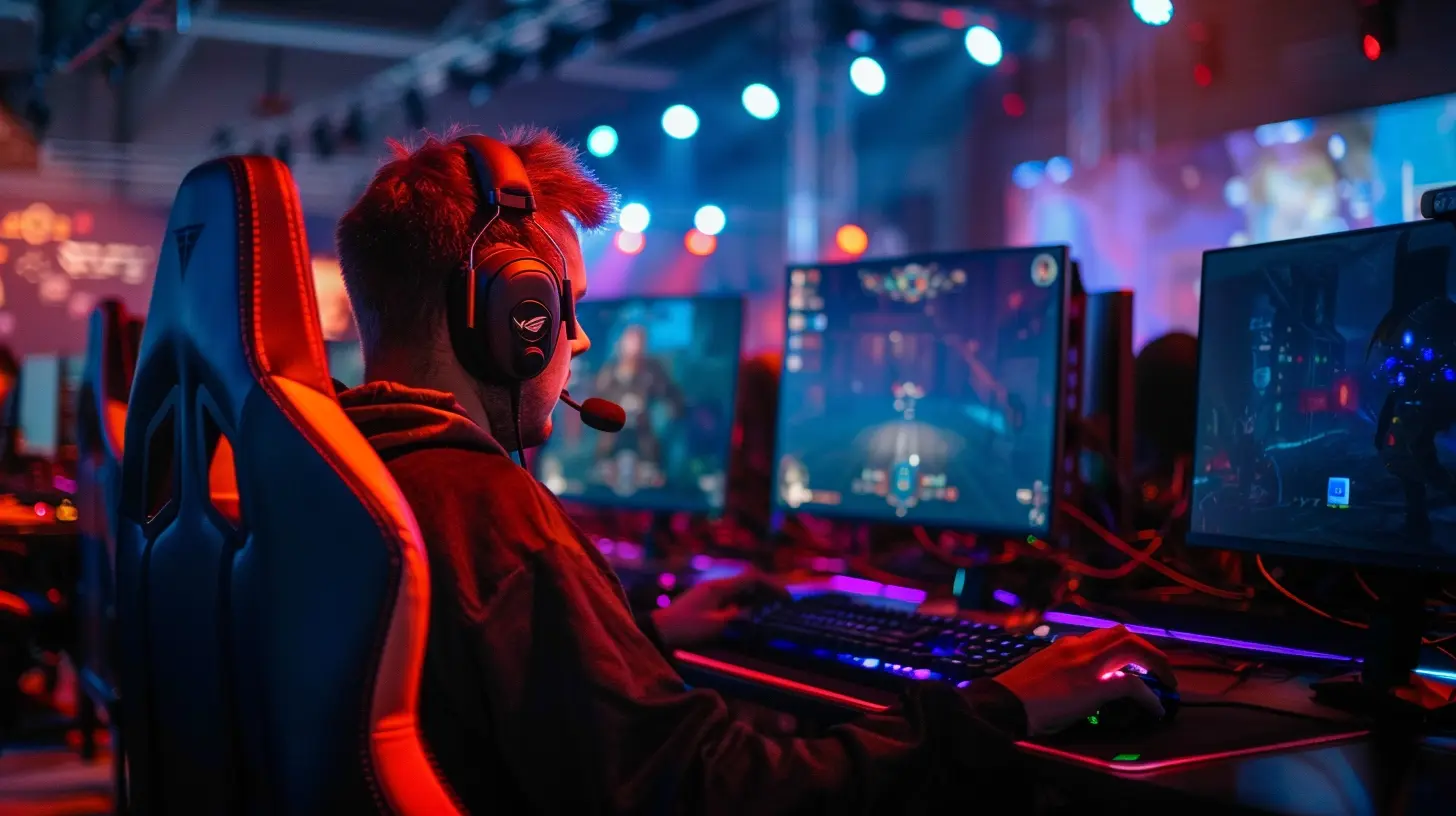
Step 2: Get Your Founding Team
Sure, you could go solo, but trust me—it’s way easier (and more fun) with a squad. Surround yourself with people who bring different skills to the table.Here’s your dream team:
- Organizer: The brain behind the schedule and logistics.
- Promoter: Social media wizard who gets people hyped.
- Techie: Handles streams, equipment, and scoreboards.
- Referee/Moderator: Keeps matches fair and handles disputes.
You don’t need a massive team—just dedicated folks who share your vision.
Step 3: Choose a Format That Works
Next up—how are you running the league? Weekly matches? Bi-weekly LANs? Single or double elimination? Don’t worry, this part sounds more intimidating than it is.Here are a few ideas:
- Round-Robin: Every team plays each other. Fair, but can drag on.- Bracket Style: Great for one-day events. Think March Madness for gamers.
- Seasonal: Run your league like a sports season, with playoffs and finals.
Pro tip: Keep it simple for your first run. You can always scale later.
Step 4: Find a Physical Location (Or Go Hybrid)
Now, this is where things get real. You’ll need a venue if you’re aiming for in-person play. Depending on your budget, here are some solid options:Budget-Friendly Locations:
- Libraries or community centers: Often free or super cheap.- Local schools or colleges: Especially if they already have an esports club.
- LAN cafes or game stores: Built-in setups and gamer-friendly vibes.
Don’t have physical options? No sweat. Start online with Discord, Twitch, or even Zoom for coordination. You can always go hybrid once interest grows.
Step 5: Get the Gear in Check
If you’re doing in-person matches, make sure your gear doesn’t hold you back. Here's a quick checklist:For Console/PC Setup:
- Enough consoles or PCs- Stable internet (wired if possible)
- Headsets and controllers
- Backup gear (cables, adapters, battery packs)
For Running the Event:
- Projector or screen for spectators- Stream setup (camera, mic, capture cards)
- Brackets software (Challonge, Smash.gg, etc.)
- Sign-up sheets or online registration
And hey—don’t panic if you don’t have everything straight away. Borrow, rent, or gradually upgrade.
Step 6: Promote Like a Pro
You can have the best league in the world—but it won’t matter if nobody’s heard of it. Marketing isn’t just for businesses. It’s how your league gets players, fans, and maybe even sponsors down the road.Promotion Channels to Try:
- Social Media: Instagram, Twitter/X, TikTok—get visual, get loud.- Local Game Stores: Post flyers or talk to the owner.
- Reddit & Discord: Share your league in relevant communities.
- Word of Mouth: Tell your friends, and get them to tell theirs.
Make it look cool. Create a logo, brand it with color themes, maybe even an anthem (okay, maybe not that, but you get the idea).
Step 7: Launch Day—Run Your First Event!
The big day is here! Nerves? Totally normal. Just remember: your goal isn’t to run the perfect event—it’s to bring people together through gaming.Tips for a Successful Launch:
- Arrive early to set everything up.- Test your tech. Then test it again.
- Have a printed or digital bracket ready.
- Assign roles (who’s casting, who’s scorekeeping, who’s managing sign-ups).
- Offer snacks or drinks—gamers love grub.
And after the event? Celebrate! Post photos, match highlights, and funny moments on social media. Tag everyone and build that buzz.
Step 8: Keep the Momentum Going
You did it! You ran your first league event, and now you’re wondering: “What’s next?” Great question.Here’s how you keep building:
- Collect feedback: Ask players what they liked or didn’t.
- Create a schedule: Monthly or seasonal events keep your audience engaged.
- Start a leaderboard: Rankings make players invested long-term.
- Look for sponsors: Local businesses or gaming brands might chip in.
And remember, it’s okay to start small. Even if it’s just 10 players showing up regularly, that’s the start of something awesome.
Step 9: Level Up—Go Bigger, Go Pro
Once your local gaming league gains traction, you might consider going pro(ish). This could be the stepping stone to:- A regional tournament
- Streaming full-time on Twitch/Youtube
- Creating merch or league jerseys
- Partnering with bigger esports orgs
You started as a fan. Now you’re a founder. You’re turning pixels into real-world community. That’s freaking powerful.
Common Challenges & How to Tackle ‘Em
Alright, let’s get real—there will be bumps. But they’re not deal-breakers if you plan ahead.Not Enough Players?
- Cross-promote with other local gaming groups.- Incentivize sign-ups with prizes, raffles, or free pizza.
Tech Issues on Match Day?
- Always have backups (chargers, extension cords, spare gear).- Do test runs ahead of time.
Toxicity or Drama?
- Set clear rules and enforce them. One bad apple can spoil the whole vibe.- Have a code of conduct. Make players sign it if needed.
Tackle problems head-on, and don’t be afraid to make changes. A good league evolves with its community.
Final Thoughts
Starting your own local gaming league sounds like a big mission—and it is. But it’s also one of the most fulfilling things you can do as a gamer. You’re not just playing the game anymore; you’re shaping the scene.You don’t need a million-dollar sponsor or a huge team. You just need passion, a plan, and the guts to hit “Start Match.”
So… are you ready to press play on your league journey? Because your gaming community is waiting, and you just might be the person to bring it all together.
Game on, legend.
all images in this post were generated using AI tools
Category:
Gaming LeaguesAuthor:

Pascal Jennings