How the Ending of Undertale Rewards Your Moral Choices
26 June 2026
Undertale isn’t your typical RPG. It doesn’t reward you just for grinding through enemies or hoarding loot. Nope, it goes much deeper than that. In fact, how you choose to interact with the world — whether you show mercy or go full-on chaos — determines the kind of story you’ll see at the end. Pretty wild, right?
But what really makes Undertale special is how it judges your actions. Not just in a "good ending or bad ending" kind of way, but in a way that makes you reflect on who you are as a player. It’s like the game holds up a mirror and says, “So… why did you do that?” Let’s dive into how the ending of Undertale beautifully and cleverly rewards (or punishes) your moral choices.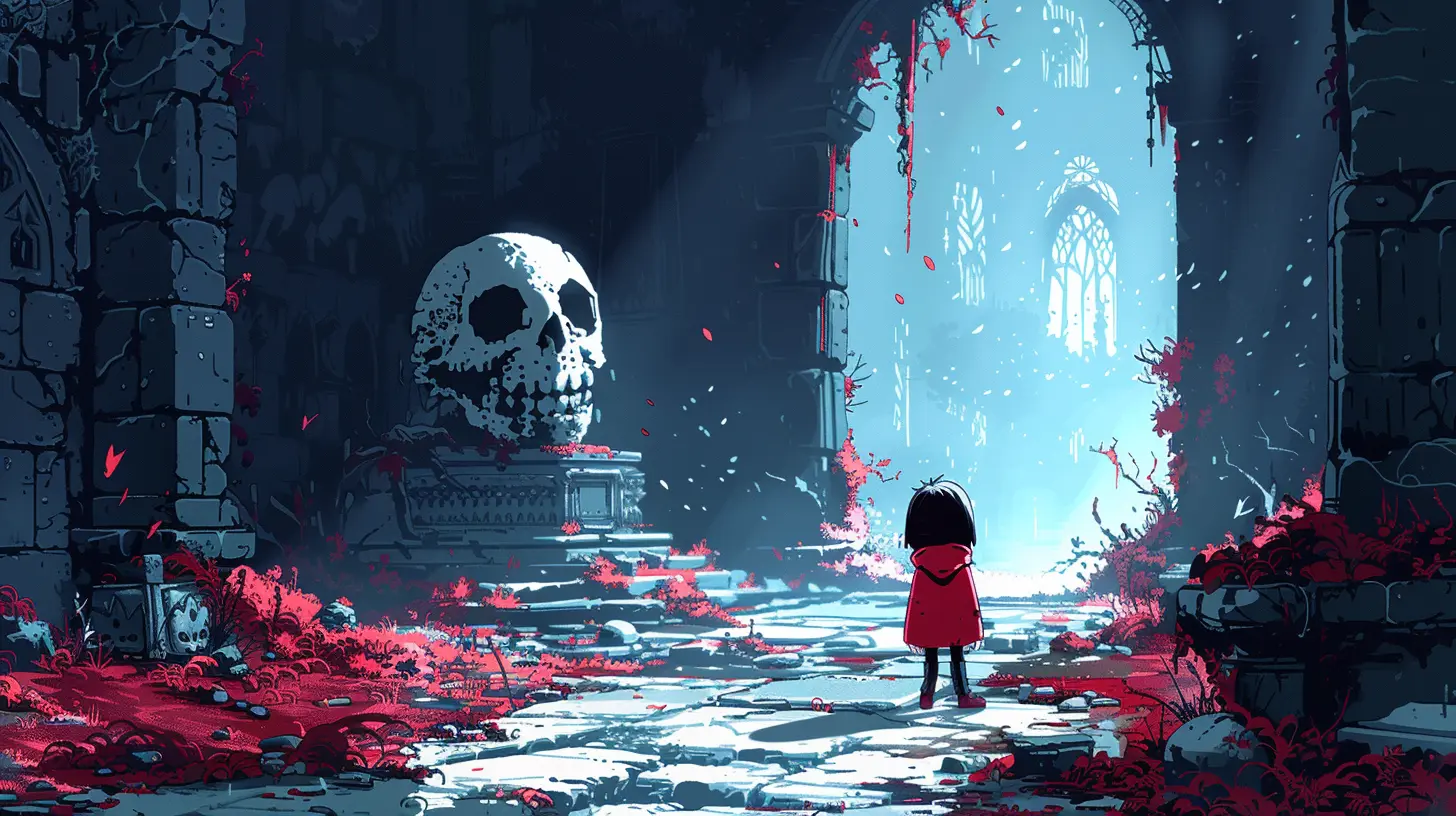
The Beauty of Choice in Undertale
Before we even talk about endings, let’s break down the core of the game. Undertale, created by Toby Fox, flips the RPG genre on its head. Instead of forcing you to fight everything that moves, it gives you the option to show mercy to your enemies. Every single "monster" has a personality, a backstory, and often, just a really bad day.So, what do you do? Do you offer kindness, or do you go full sword-swinging maniac? The game doesn’t force your hand. It just watches... and remembers.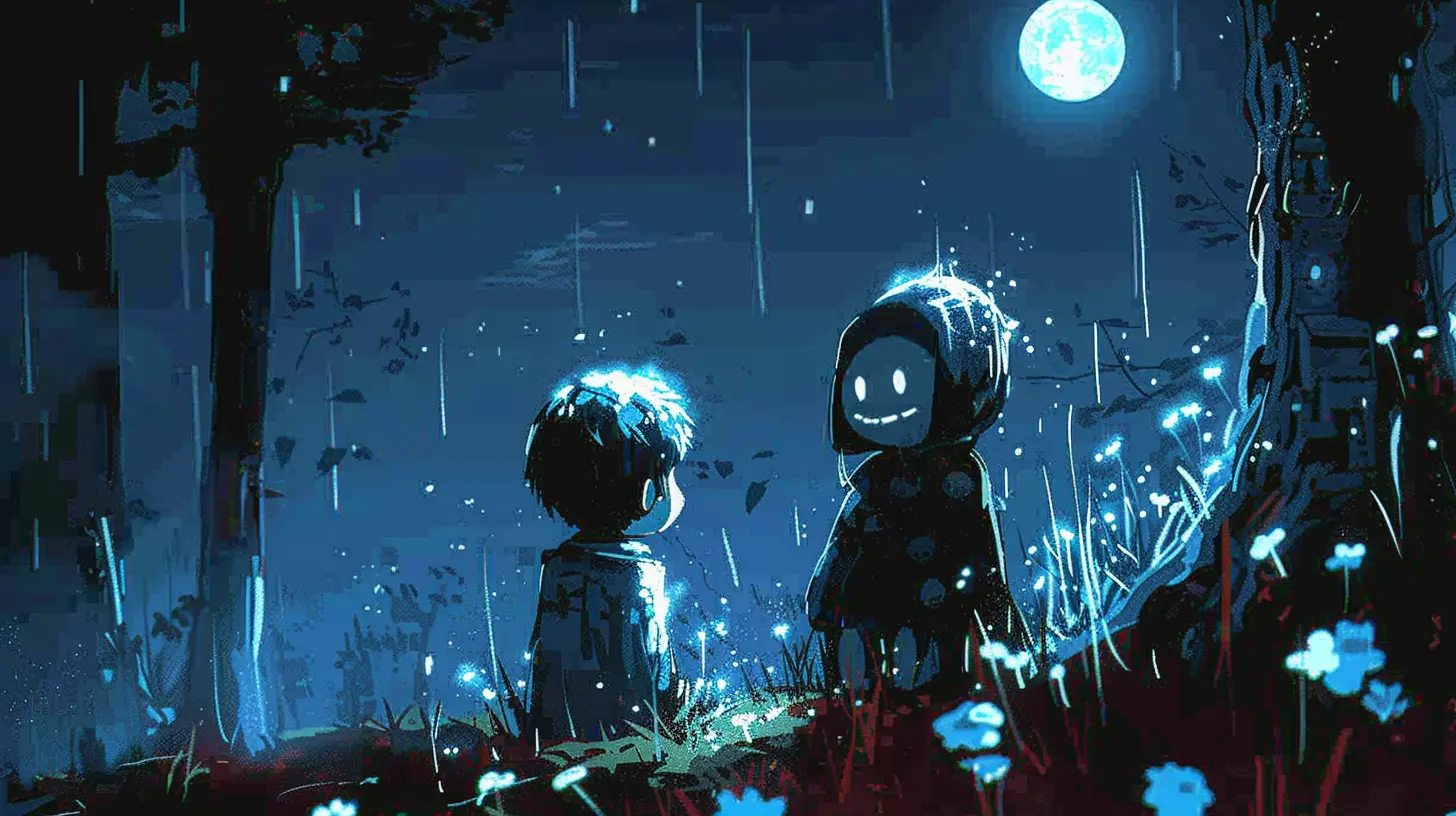
There’s More Than One Ending
One of the most fascinating things about Undertale is that it doesn’t just throw a single “You Win” screen at you. It has multiple endings — and they’re all shaped by your choices:- Neutral Ending
- True Pacifist Ending
- Genocide Ending
Each one is like a completely different story. Like flipping through alternate timelines in some twisted moral multiverse.
The Neutral Ending: A Reflection of Your Choices
Let’s start with the middle ground — the "Neutral" route.This is the ending most players get on their first run. Maybe you spared some monsters, maybe you got annoyed and fought a couple, or maybe you played it safe and didn’t commit to any one playstyle.
In the Neutral Ending, you eventually face off against the final boss (who varies based on your in-game decisions), and while you do save the world kinda, it’s not perfect. The barrier isn’t destroyed, the monsters remain trapped underground, and you leave feeling like you could have done more. And guess what? The game agrees with you.
Flowey, the deeply unsettling flower with a God complex, calls you out. He tells you there’s more to see, more people to save... more forgiveness to offer. It feels incomplete on purpose — like a nudge from the game that says, “Hey, you can do better.”
And that’s no accident. This ending is designed to make you feel something. Maybe guilt. Maybe curiosity. But definitely a sense of unfinished business. Sound familiar?
The True Pacifist Ending: The Game’s Golden Reward
Now let’s talk about the gold standard, the feel-good ending that’ll have you hugging your screen.To unlock the True Pacifist Ending, you have to complete a Neutral run without killing anyone... then go back and tie up loose ends. That means building friendships with key characters like Papyrus, Undyne, and Alphys, and going through some pretty emotional moments.
But the reward? Oh man, it’s worth it.
You get a final battle that redefines the word “epic” — not with violence, but with love, hope, and determination. You watch as everyone comes together, monsters and humans alike, to break the barrier. And in the end, you walk into the sunlight, surrounded by friends, knowing you did the right thing.
Here’s the kicker: The game doesn’t just say “congrats” and roll credits. It feels genuinely joyful. It reflects back that your kindness mattered. Every choice to show mercy, every little effort to connect with someone, led up to this moment. It’s Undertale’s way of saying, “Hey, being good is the best weapon.”
And let’s be honest — in a world where most games reward violence, that’s kind of a revolutionary idea.
The Genocide Ending: Brutally Honest and Unforgiving
Now for the darkest timeline.The Genocide Route isn’t just about killing. It’s about going out of your way to destroy everyone. You don’t just fight random encounters — you actively hunt down every last creature in every area. It’s deliberate. It’s chilling.
And the game knows it.
Characters react differently. Towns grow eerily silent. The music turns sinister. The NPCs who once smiled at you now run in fear or brace for death. And then… there’s Sans.
Oh boy. If you’ve played the Genocide route, you know that Sans’ boss fight is one of the most insane, difficult, and emotionally loaded battles in any indie game. And that’s because it’s not just about skill. It’s about judgment. He knows what you’ve done. He saw your choices. And he’s the last line of defense before you destroy everything.
When — and if — you win, the ending doesn’t celebrate you. It condemns you. It breaks the fourth wall, strips away the charm, and replaces it with a hollow void. Even Flowey’s scared of you. You become a monster.
And later, if you ever try to start a new game, the game remembers. That’s right — your choices don’t just vanish. There’s a permanent scar in the code, a haunting reminder that actions have consequences.
If that’s not a brutal commentary on player morality, I don’t know what is.
The Moral Philosophy of Undertale
So what’s the big takeaway here?Undertale doesn’t just give you moral choices; it judges them. It doesn’t hand you a “Good” or “Evil” badge and call it a day. It integrates those choices into both the gameplay and the narrative in a way that actually makes you think about what kind of player — and person — you are.
Other games might give bonus XP for taking the moral high road. Undertale gives you a better story. A more heartfelt ending. A sense that your compassion actually changed something.
It’s like the difference between feeding someone because the quest log says so and doing it because you care. Undertale doesn’t reward you with power — it rewards you with purpose.
The True Genius: Emotional Consequences
What really sets Undertale apart is the emotional weight of your decisions. The game doesn’t just remember your actions; it makes you remember them, too.If you go Genocide, sure, you get a wild boss fight. But every step is filled with dread. You easily start to hate yourself. And when you go Pacifist? It fills you with so much joy and relief that it genuinely makes you smile.
That’s more than gameplay. That’s storytelling on another level.
Final Thoughts: Undertale Is a Moral Masterpiece
In a sea of games that focus on stats, loot, and level-ups, Undertale stands out by asking a much deeper question:> “What kind of person are you when no one’s watching?”
The ending you get isn’t just a summary of your stats — it’s a reflection of your soul, your choices, your values. Whether you spare every soul or slash through them, the game doesn’t just end. It lingers. It makes you think.
And that, my friends, is how the ending of Undertale rewards your moral choices — not with shiny swords or legendary armor, but with something far more valuable:
A better you.
all images in this post were generated using AI tools
Category:
Game Endings ExplainedAuthor:

Pascal Jennings
Discussion
rate this article
1 comments
Dax Reese
Undertale's ending hits differently based on your choices. It really makes you reflect on your actions, blending fun with a powerful message. It's a perfect example of how games can inspire growth.
July 1, 2026 at 3:04 AM