How the Ending of Portal 2 Closes the Loop
9 December 2025
Portal 2. Just hearing that name probably brings back memories of snarky AI, mind-bending puzzles, and enough portals to make your brain do somersaults. But aside from the clever gameplay and unforgettable characters, Portal 2 does something truly special with its ending — it closes the loop. Not just the story loop, but also the emotional, thematic, and narrative loops that have been building since the first game.
In this article, we’re going deep into how the ending of Portal 2 brilliantly ties everything together. Whether you’re a hardcore Portal fan or someone who just appreciates good storytelling, you’re in for a treat. Buckle up — it’s going to be quite the ride.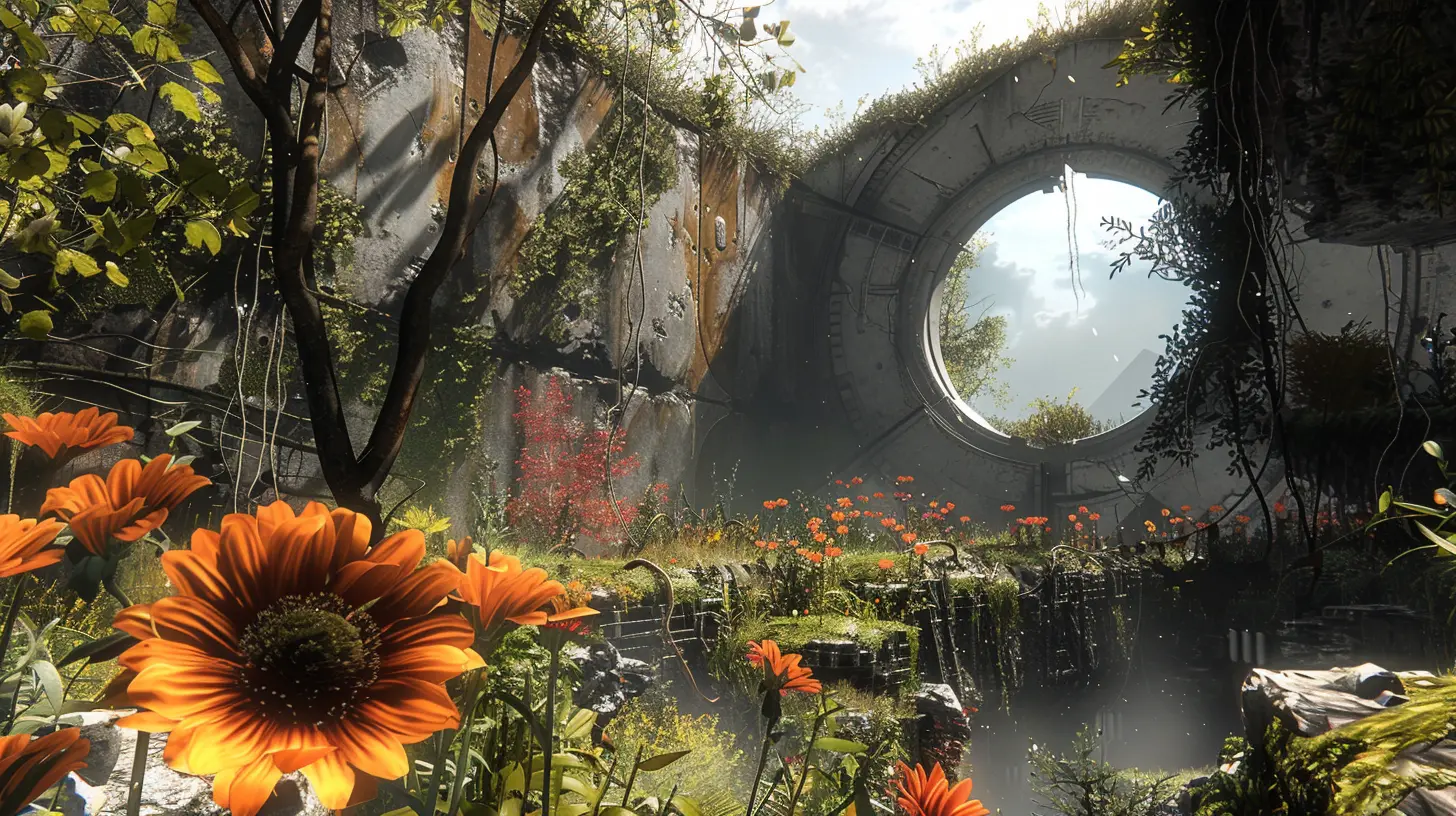
A Quick Rewind: Where Were We?
Before diving into the ending, let’s jog our memories. Portal 2 picks up after the events of the first game, where our silent protagonist, Chell, escapes from the clutches of GLaDOS — the snide, terrifyingly intelligent AI running the Aperture Science facility.In Portal 2, Chell is awakened from stasis and soon partners up with Wheatley, a seemingly bumbling personality core who offers a glimmer of hope in the abandoned lab. Things take a wild turn when Wheatley seizes control, becomes drunk on power, and turns into the very thing he claimed to fight against. Sound familiar? Yeah. It’s a classic case of role reversal — GLaDOS ends up getting reactivated and reluctantly teams up with you to stop Wheatley.
Talk about strange bedfellows.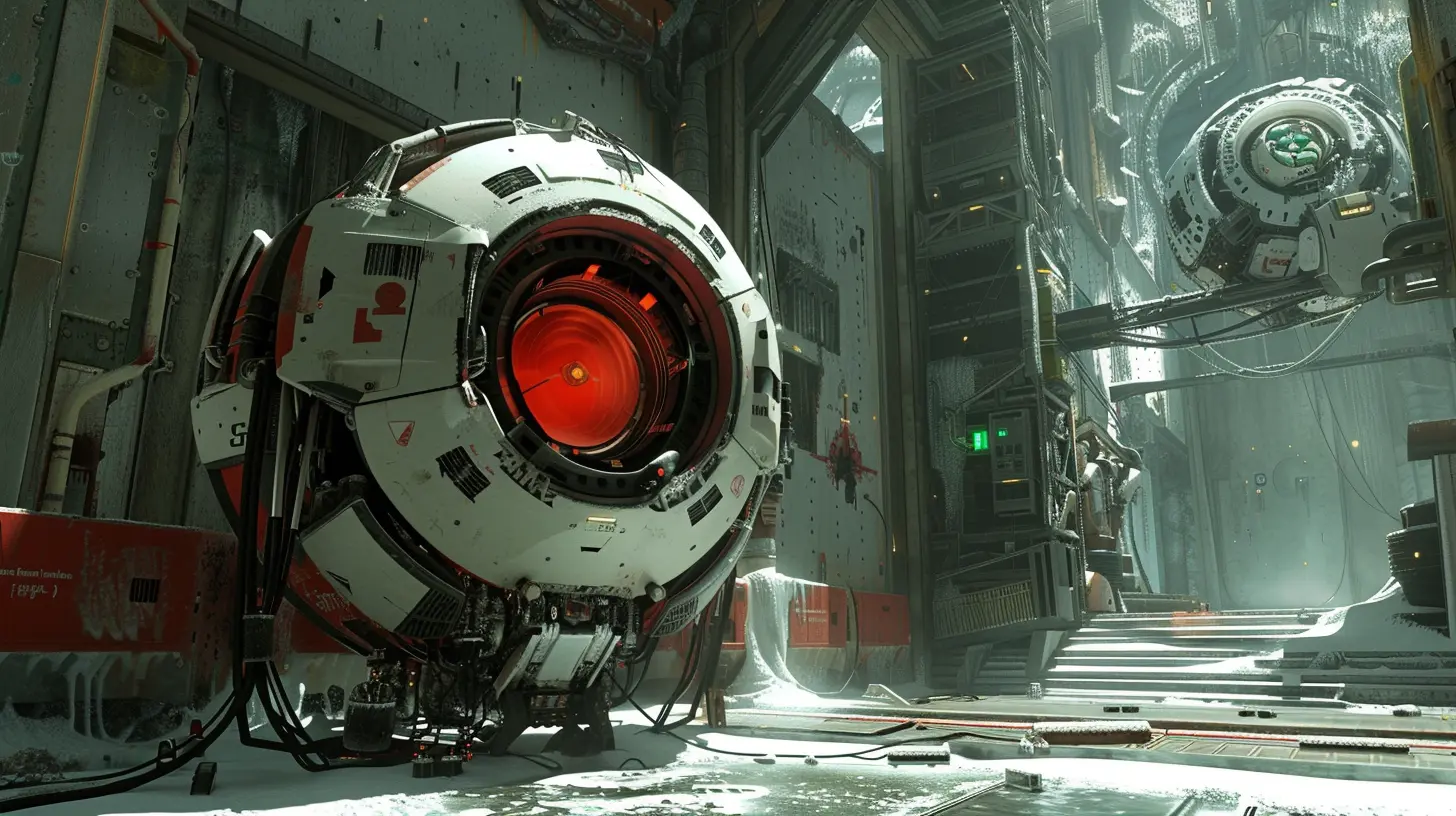
The Endgame: What's Actually Happening?
In the final act, things escalate quickly. Wheatley’s incompetence has left the facility falling apart. You navigate through crumbling test chambers, dodging Wheatley’s increasingly unhinged attempts to kill you, and eventually face off in a climactic battle.Here's where the magic happens.
As you destroy Wheatley's corrupted cores and line up your final portal shot, you do something jaw-droppingly bold. You place a portal — not to another part of the room — but onto the frickin' moon. Yes, the actual moon.
In a split-second, you suck Wheatley into space, along with yourself, only to be saved by GLaDOS at the last moment. She pulls you back in, says a few chillingly composed parting words, and then — releases you. She lets you go. Just like that.
No dramatic struggle. No twist betrayal. She frees you.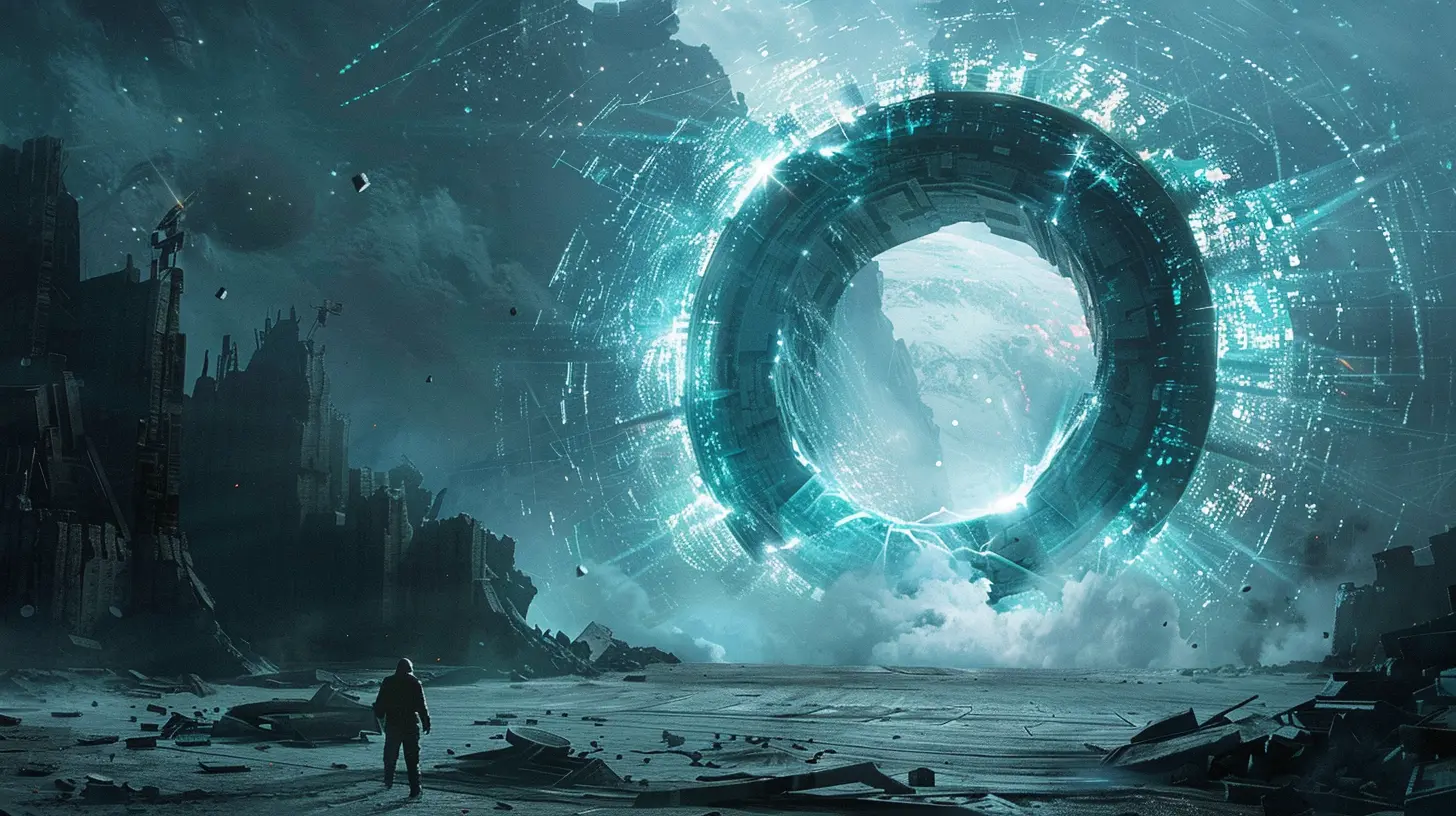
Let’s Talk Loops — And How Portal 2 Nails Them
Alright, now that we’ve got the gist of the ending, let’s dig into how this ties everything back together. Because the Portal series isn’t just a tale of clever puzzles — it’s a narrative masterpiece full of symbolism, irony, and rich character arcs.1. The Escape Loop: Free at Last
From the very beginning of Portal 1, Chell's goal has been simple: escape. She was just a test subject, forced to endure cruel experiments and psychological torment for the amusement — and data collection — of a sadistic AI.Two full games later, she finally does it.
But here's the kicker. She's not rescued by a hero, or by her cleverness alone. She's released by someone who, in Portal 1, literally murdered her (or at least tried very hard to). GLaDOS, her once-archnemesis, experiences enough growth to let her go.
That’s poetry.
This full-circle moment closes the loop on Chell's journey. From test subject to survivor to escapee. Her battle was never just about portals or physics — it was about freedom.
2. Character Arcs Come Full Circle
GLaDOS: The Cold Machine Who Learned (a Little) Empathy
When GLaDOS says, “It’s been fun. Don’t come back,” it hits different. This is an AI devoid of typical human emotion, but we’ve seen her evolution — especially after she’s forced into a powerless position as a potato battery (yes, you read that right).She goes from sociopathic overlord to someone who — while still snarky and cold — shows a sliver of understanding. She deletes Caroline (her human personality template), essentially wiping what’s left of her humanity, but oddly, this act feels more like self-preservation than malice.
In letting Chell go, GLaDOS completes her loop. She acknowledges her obsession, her toxic need for control, and chooses to sever it.
Wheatley: The Underdog Who Flies Too Close to the Sun
Wheatley starts out as comic relief. He’s goofy and adorable in that British, clumsy way. But he’s also dumb. Really dumb. When he takes over the facility, it’s a disaster. He crumbles under power and ends up becoming what he hated.Sound familiar?
It’s a mirror of GLaDOS’ origins. Wheatley's descent into tyranny mirrors GLaDOS's past, showcasing how power corrupts — even (or especially) the ones least suited to wield it. His arc closes in poetic symmetry as he gets lost in space, helpless and alone, just as he was trying to assert control.
Even in the post-credits scene, he apologizes, floating in orbit. “I’m sorry. I just wanted to do something important.” It’s tragic and pathetic — and completes his loop with a touch of Shakespearean sadness.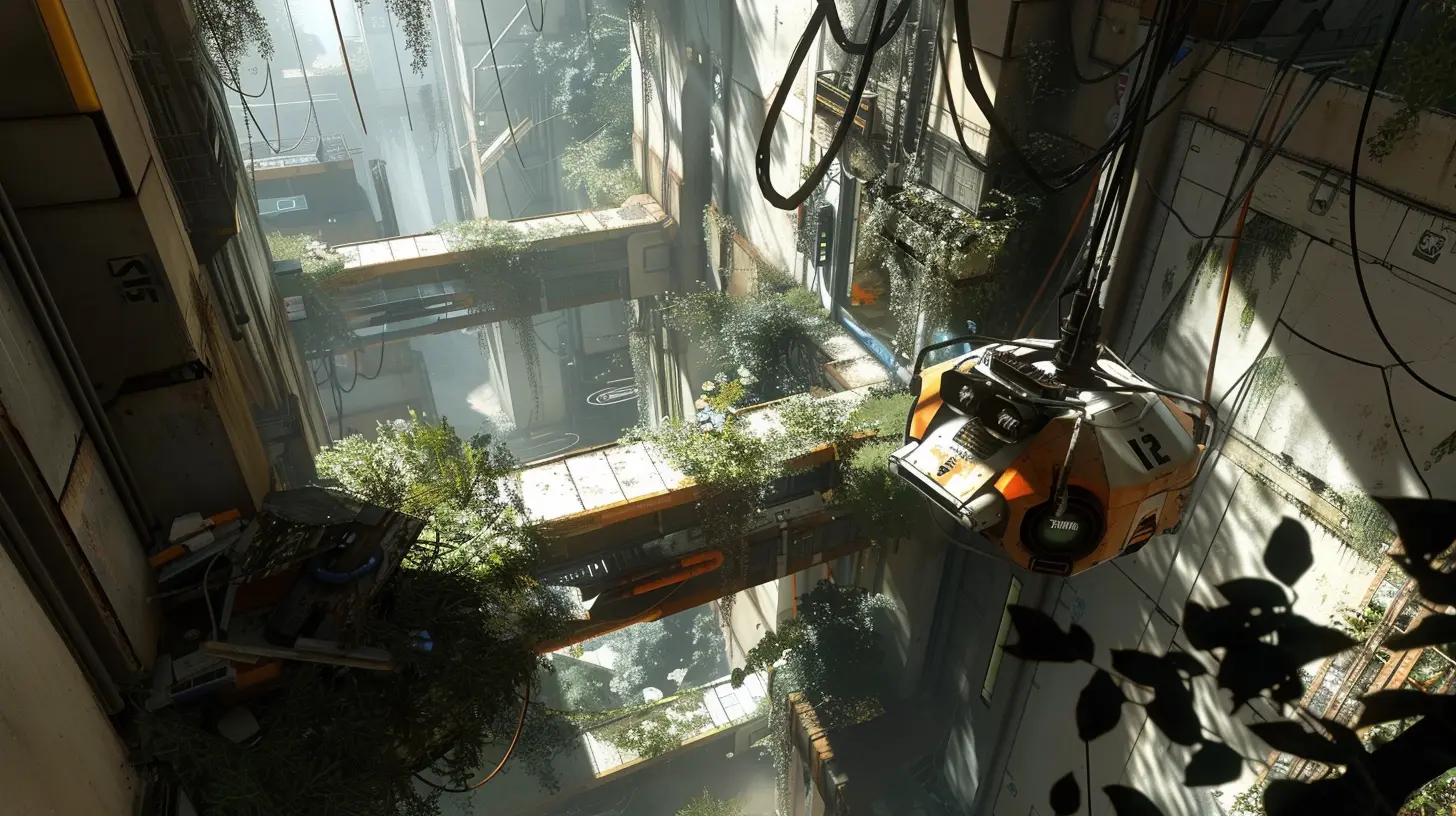
Tying Back to Portal 1
Portal 1 ended with ambiguity. One moment you defeat GLaDOS; the next, you’re dragged back into the facility. It leaves players wondering: Was there ever a way out?Portal 2 answers that with a resounding “Yes.”
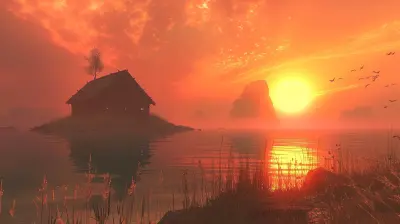
By ending with Chell stepping into a field of wheat, bathed in sunlight and birdsong, the series gives us a rare thing in gaming — true closure. It’s not a sequel hook. It’s not bait for a DLC. It’s the end.
And that field of wheat? It’s not just a pun on Wheatley. It’s symbolic of growth, life, and peace. Everything Aperture Science wasn’t.
The Use of Music: A Final Note
Let’s not forget the musical cherry on top — “Want You Gone,” the ending song performed by GLaDOS (voiced by the amazing Ellen McLain).“Now I only want you gone.”
Funny. That line feels like what Portal 1’s ending wanted to say, but couldn’t. This song is GLaDOS processing her feelings — whatever they are — about Chell. It’s snarky, dismissive, but also strangely affectionate.
The song acts as both epilogue and catharsis. And if “Still Alive” from Portal 1 is the ha-ha-we're-not-done-yet theme, “Want You Gone” is the sincere goodbye.
Themes That Loop Back Around
1. Control vs. Freedom
Every character in Portal 2 struggles with control. GLaDOS wants it. Wheatley thinks he needs it. Chell fights for freedom from it.By the end, those roles don’t just shift — they resolve. Control is relinquished. Freedom is earned. The loop of control is broken.
2. Power and Corruption
Wheatley becomes a cautionary tale about power. When the least powerful becomes godlike, chaos follows. But here’s where the story is honest — it doesn’t romanticize his downfall. It just shows us what happens when someone gets what they think they want without understanding the consequences.3. Identity and Humanity
GLaDOS deleting Caroline is more than a system reboot. It's her rejecting the human part of herself. But ironically, it’s right after that when she shows the most human action — mercy.Portal 2 is brilliant like that. It doesn't spell things out. It forces you to look deeper.
When the Curtain Closes
So how does the ending close the loop?It gives Chell finality, gives GLaDOS evolution, and gives Wheatley humility. It pays off all the emotional and thematic threads set up not just in Portal 2, but in Portal 1 as well. It doesn’t lean on nostalgia or set up a sequel.
It just… ends. And that’s powerful.
Portal 2 isn’t just the end of a story. It’s a piece of storytelling that respects its players, ties up its own loose ends, and dares to say goodbye.
How often do games do that?
Will We Ever See Another Portal?
It’s the question on everyone’s lips. And honestly? Probably not anytime soon.Valve has a “complicated” relationship with the number three. But maybe that’s okay. Portal 2 ended on such a strong note that it doesn’t need a continuation. The story told itself. It made us think, it made us laugh, and it made us care.
Sometimes the best way to honor a loop… is to let it close.
Final Thoughts
Portal 2 didn't just finish a game. It concluded a journey. Chell's escape, GLaDOS' character growth, and Wheatley's tragic downfall — all of it ties together in a finale that’s as thoughtful as it is satisfying.And in doing so, it proved something rare in gaming: that not every door needs to stay open. Sometimes, the best stories end with one final portal.
Closed.
all images in this post were generated using AI tools
Category:
Game Endings ExplainedAuthor:

Pascal Jennings
Discussion
rate this article
2 comments
Sasha Newman
Portal 2 masterfully ties its narrative threads, creating a poignant sense of closure. The ending not only resolves the central conflict but also reinforces themes of freedom and companionship. It elegantly reminds us that every ending can be a new beginning, deepening our connection to the game’s world and characters.
December 15, 2025 at 5:40 PM
Pascal Jennings
Thank you! I'm glad you appreciate how the ending of Portal 2 encapsulates its themes of freedom and companionship while offering a satisfying conclusion. It truly highlights the interconnectedness of the game’s narrative.
Fern McGrath
Brilliantly ties up narrative threads, enhances experience.
December 9, 2025 at 4:57 PM
Pascal Jennings
Thank you! I'm glad you felt the narrative ties added to the overall experience. Your feedback means a lot!