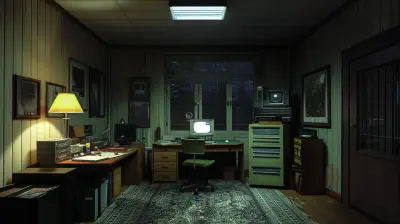
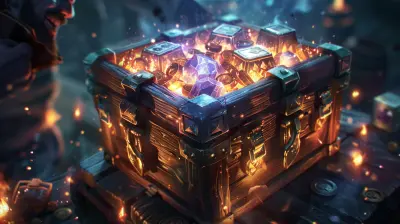
How Texture Quality Affects Player Immersion
31 October 2025
Let’s be real: when we’re gaming, we want to feel like we’re inside the world — not just looking at a screen. Whether it's creeping through a dark alley in a survival horror game or soaring through the skies in a fantasy realm, every little detail matters. One of the unsung heroes of that immersive experience? Texture quality.
Yep, you heard that right — those tiny, often-overlooked details slapped onto walls, weapons, characters, and pretty much every surface in a game can literally make or break the vibe. So, let’s dive into how texture quality affects player immersion and why it might just be the secret ingredient behind your favorite gaming memories.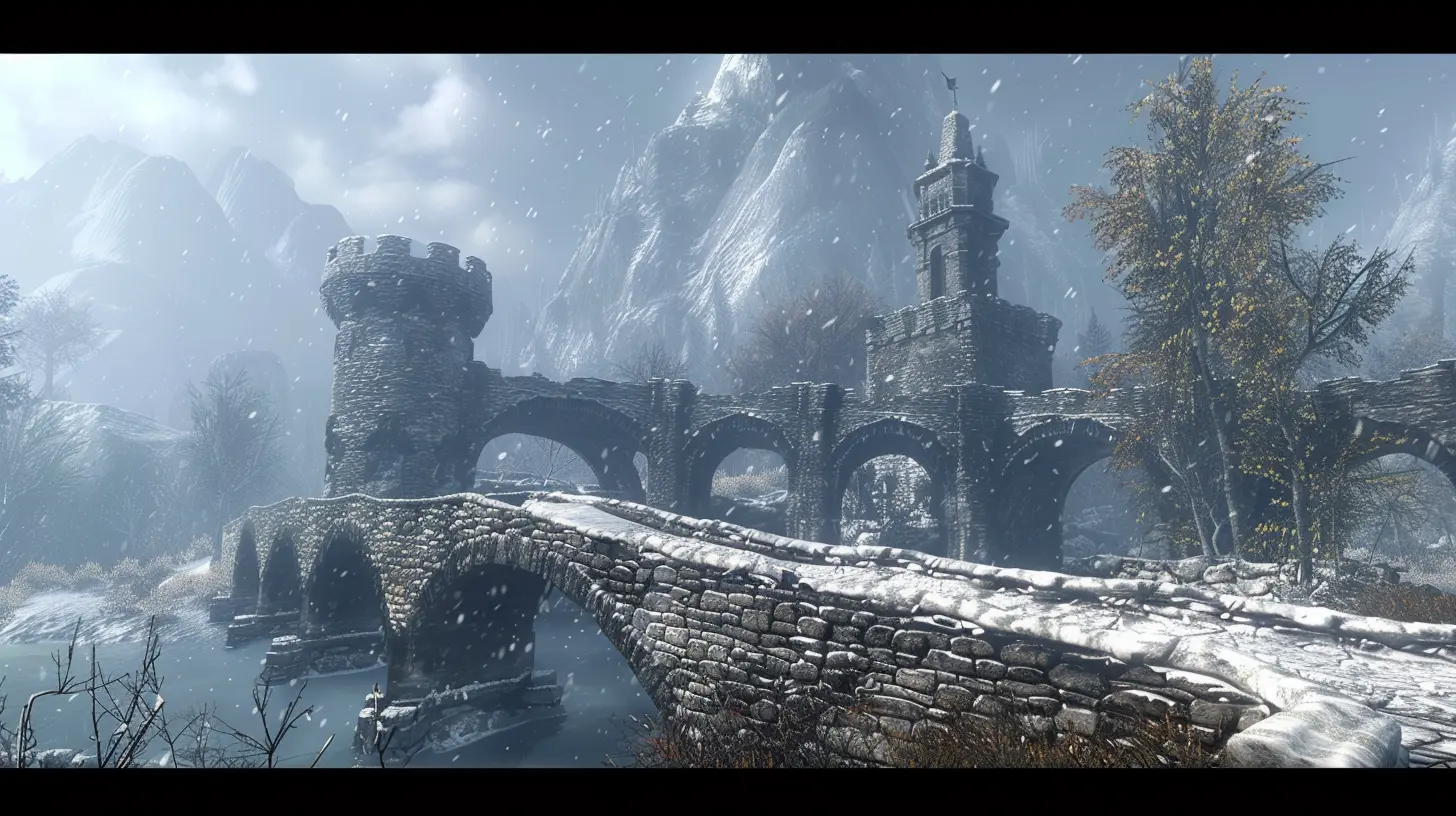
What Even Is Texture Quality, Anyway?
Before we geek out on the details, let’s break it down real quick. In the gaming world, a “texture” is basically an image that’s wrapped around 3D models to give them details like color, bumps, scratches, or even glowy runes. Think of it like wrapping paper — the shape of the gift stays the same, but the wrapping makes it look way cooler.Texture quality refers to how detailed and crisp those images are. High-quality textures are sharp and lifelike. Low-quality textures? Well... they kind of feel like someone smeared watercolor over your screen.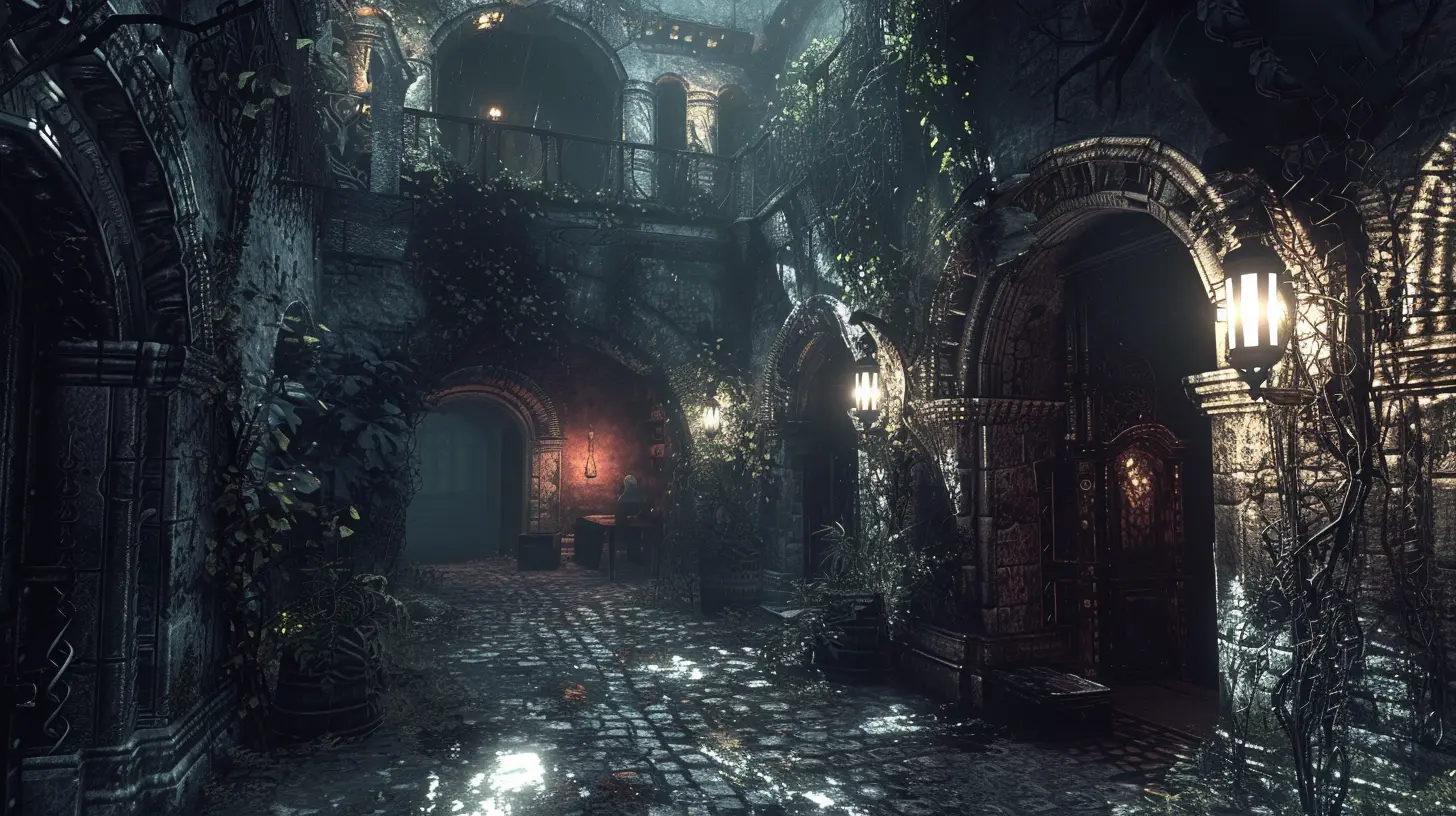
First Impressions Matter — A Lot
You know that feeling when you fire up a game for the first time and your jaw kinda drops? That’s usually because of art, lighting, and — you guessed it — textures. The visual fidelity helps us form an emotional connection right off the bat.High-res textures can make a metal sword look cold, heavy, and battle-worn. On the flip side, slap on a low-res, blurry texture, and suddenly that same sword looks like it’s made out of cardboard. Yikes.
And this doesn’t just apply to weapons. Characters, buildings, landscapes — they all benefit from good textures. When these elements look real (or at least convincingly stylized), our brain buys into the world more easily.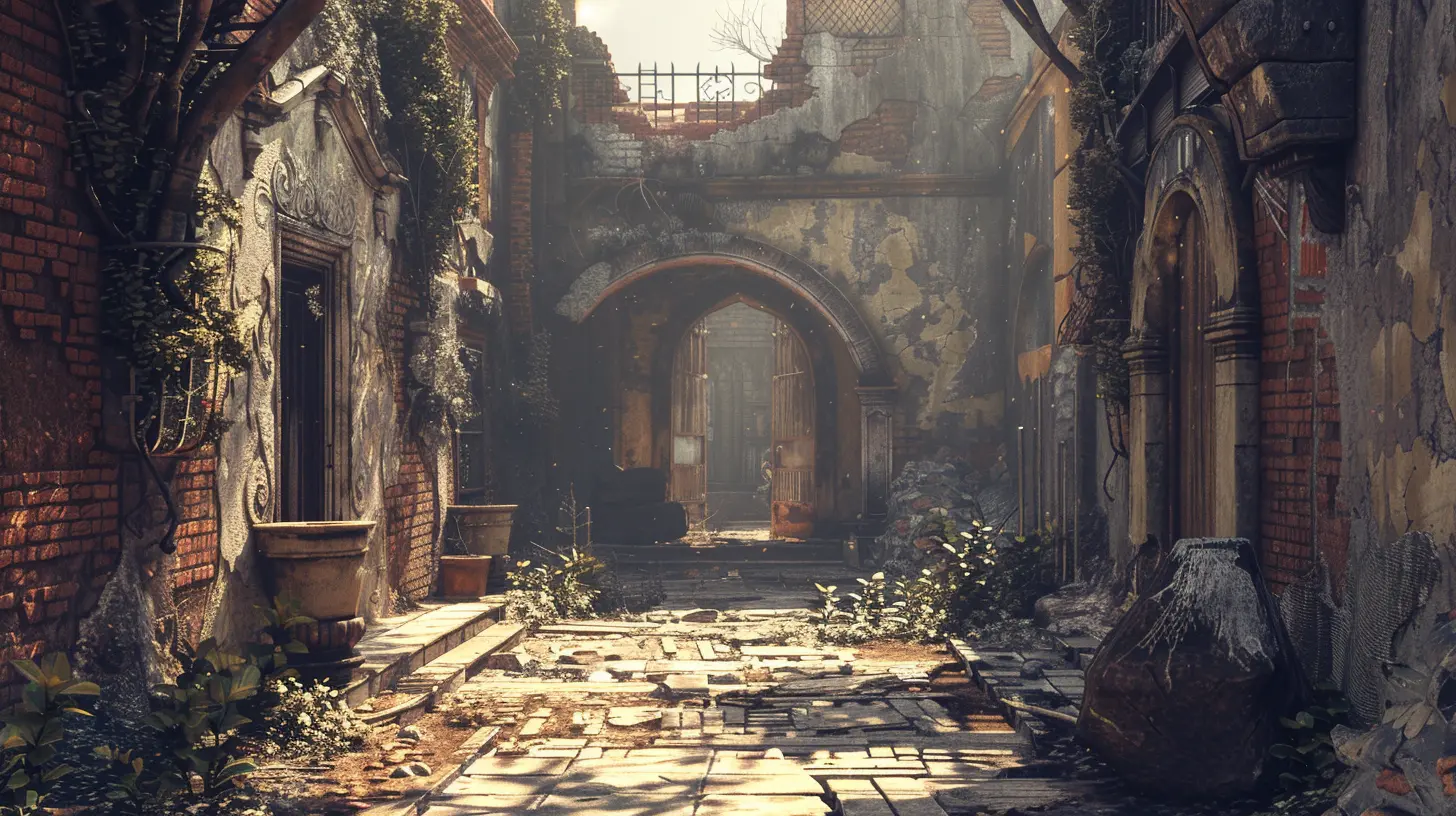
The Brain Loves Consistency
Have you ever been in a gorgeously rendered open-world game, walking through a detailed city, only to stumble upon a door with a blurry, pixelated texture? It’s jarring, right?Our brains crave visual consistency. When textures vary in quality or feel out of place, it pulls us out of the experience. One minute you’re a stealthy assassin, the next you’re wondering if your graphics card is dying.
Great games always aim for cohesive design. That means maintaining texture quality across the board helps build a more believable, immersive world — no weird visual hiccups to yank us back to reality.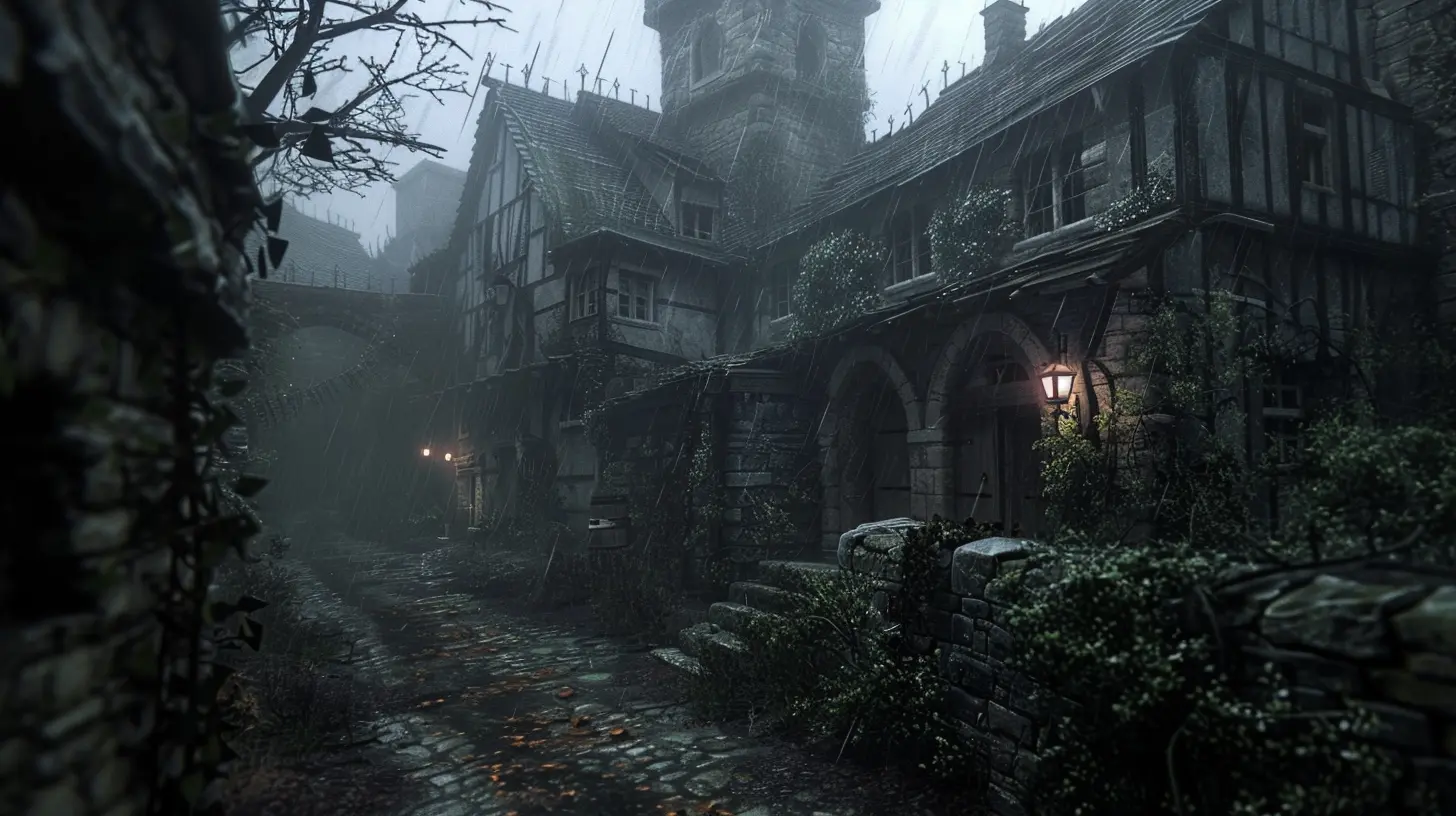
Texture Quality and Realism Go Hand in Hand
Let’s talk realism — not just in terms of photorealistic graphics, but realism that feels right for the game’s universe. You don’t need gritty textures in a cartoony platformer, but the textures still need to match the game's style and be sharp enough to feel intentional.In AAA titles, high-quality textures simulate everything from the pores on a character's face to the cracks in ancient stone ruins. All these details give players cues — tactile feedback, visual depth, and environmental storytelling. It's like reading a novel where every sentence builds the vibe — but instead, you're reading the world with your eyes.
Environmental Storytelling: The Silent Narrator
Have you ever noticed blood spatters on a wall, claw marks on the floor, or peeling paint that hints at years of decay? That’s not just decoration — it’s storytelling. And textures are the ink that writes those silent stories.Games like The Last of Us, Red Dead Redemption 2, and Cyberpunk 2077 absolutely crush this. Every corner tells a tale — and high-quality textures are what make those stories legible and believable. You feel like you’re walking through a lived-in world, not a cardboard movie set.
When Texture Quality Fails — Immersion Breakers
Let’s flip the coin. Ever seen a great game ruined by muddy textures? Maybe that “ancient scroll” you picked up looked more like a soggy napkin. Or the NPC’s armor looked like it was painted on with crayons?Poor texture quality can absolutely shatter immersion. It makes the world feel unfinished or fake — and once you start noticing the flaws, it’s hard to unsee them. It’s like watching a 4K movie in standard definition — everything feels flat, lifeless, and kinda meh.
Performance vs. Pretty: Can We Have Both?
Here’s where things get tricky. Not everyone is running a high-end gaming rig or next-gen console. Texture quality eats up memory and performance. Developers often let players tweak texture settings to find that sweet spot between gorgeous visuals and smooth frame rates.But lower texture quality often means sacrificing immersion. So if you’re playing on a lower-end system and wondering why the game feels a bit… off? It could be because your textures are muddy, even if the gameplay is still solid.
Some games use clever tricks like texture streaming or dynamic scaling to give you the best of both worlds. But it’s a balancing act — and not every title nails it.
VR Gaming: Where Texture Quality Really Matters
If there’s one area where texture quality becomes extra-crucial, it’s Virtual Reality. In VR, immersion is the whole point. You’re not just looking at a screen anymore — you’re inside the game.Low-res textures in VR feel like putting on glasses with the wrong prescription. They break the illusion. Every texture, from the floor beneath your feet to the hands in front of you, needs to be sharp and convincing. Otherwise, the magic fades fast.
Stylized Games Still Rely on High-Quality Textures
You might think texture quality only matters in realistic games, but that’s not true. Cartoony, stylized, or pixel-art games still benefit from sharp, well-crafted textures.Take Games like Overwatch or Fortnite — they don’t aim for realism, but their textures are clean, colorful, and consistent. That’s what makes their worlds feel solid and alive.
Even retro-inspired games today often use high-res pixel textures or hyper-clean design to stand out. So texture quality is about clarity and cohesion more than just mimicking the real world.
The Psychology of Detail: Why Our Brains Care
We’re wired to respond to detail. The more detailed and believable an environment is, the more our brains accept it as “real.” This is why you can feel emotionally connected to a game world — because your mind recognizes the patterns, textures, and subtle cues that mirror reality.High-quality textures feed into that realism. They add visual noise and imperfections that our eyes associate with real materials. When a worn leather bag looks genuinely worn, our brain says, “Cool, this world has history.”
That’s not just immersion. That’s straight-up engagement.
Developers’ Perspective — Why They Sweat the Textures
From a developer’s point of view, creating high-quality textures is both an art and a science. Artists carefully craft each surface, sometimes using real-world photo references or even scanning real textures (like wood grain or fabric) to get everything just right.There’s also baking techniques, PBR (physically based rendering), and layers upon layers of texture maps — all to make things pop, reflect light realistically, and feel tactile.
It’s a ton of work. But when players pause to appreciate a single stone tile or the stitching on a coat? It’s totally worth it.
Texture Mods: How the Community Cranks It to 11
Let’s give a shout-out to the modding community. Dedicated fans often pump out texture packs that overhaul games, making them look like remastered versions. Skyrim, GTA V, and Minecraft are legendary for this.These mods massively boost immersion. Suddenly, old games feel new again — all thanks to sharper, richer textures. It’s like slapping a fresh coat of paint on your favorite room. Everything just feels better.
Final Thoughts: It’s All in the Details
So, does texture quality really affect player immersion?Absolutely. Whether you’re scaling mountains, navigating post-apocalyptic ruins, or just vibing in your cozy farmstead, texture quality plays a sneaky but pivotal role. It’s the invisible glue that holds a game world together, making it look and feel believable.
Next time you boot up your favorite game, pause and take a look at the walls, the ground, your character’s clothes. Those textures? They’re doing a lot more lifting than you might’ve thought.
And if you ever feel like something’s missing in a game, maybe — just maybe — it’s not the gameplay. It might just be the textures playing tricks on your sense of immersion.
all images in this post were generated using AI tools
Category:
Game GraphicsAuthor:

Pascal Jennings
Discussion
rate this article
1 comments
Atlas Roberts
Ever wonder why a single pixel can shatter the illusion? Dive into the unseen depths where texture quality blurs the line between reality and fantasy, unraveling the enigma of immersion that keeps players entranced in their digital worlds.
November 6, 2025 at 4:21 AM
Pascal Jennings
Absolutely! A single pixel can break immersion by highlighting discrepancies in texture quality, reminding players they are interacting with a crafted digital space rather than reality. This interplay is crucial in maintaining the illusion of immersion.