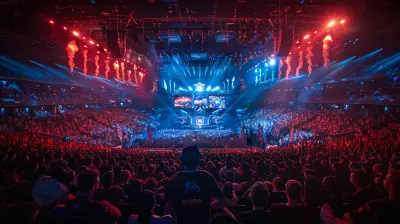
How Regional Gaming Leagues Are Powering Local Talent
24 May 2026
So, picture this: a kid in a small town, gaming away in their bedroom, dreams of going pro. No fancy rig, no Hollywood setup — just passion, raw skill, and a stubborn streak. Fast forward, and they’re in a local tournament, crushing it, getting noticed, and suddenly, boom — they’re on the map. That’s the magic of regional gaming leagues.
Yep, regional leagues are the secret sauce behind the rise of local gaming talent. And honestly? They're rewriting the rules of how gamers go from "just playing for fun" to "full-blown esports stardom."
Let’s break it all down, shall we?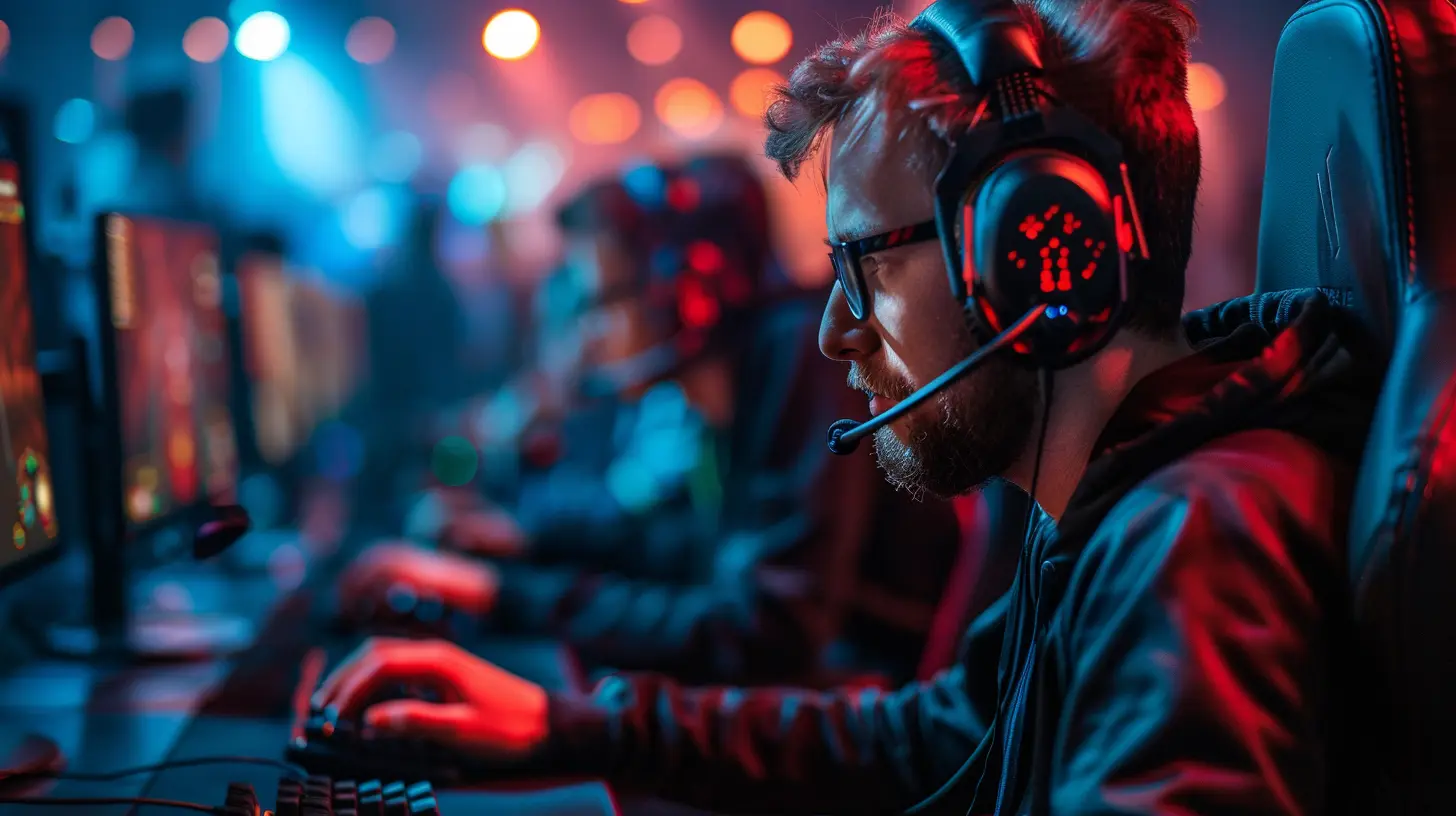
? What Are Regional Gaming Leagues, Anyway?
Think of regional gaming leagues like the neighborhood basketball games but with digital arenas. They're organized competitions serving specific geographic areas — cities, states, or even countries. These leagues are where players from a region battle it out to prove who’s boss before leveling up to national or even international tournaments.But wait, it’s not just about competition — these leagues are platforms. They connect, uplift, and showcase the diamonds in the digital rough.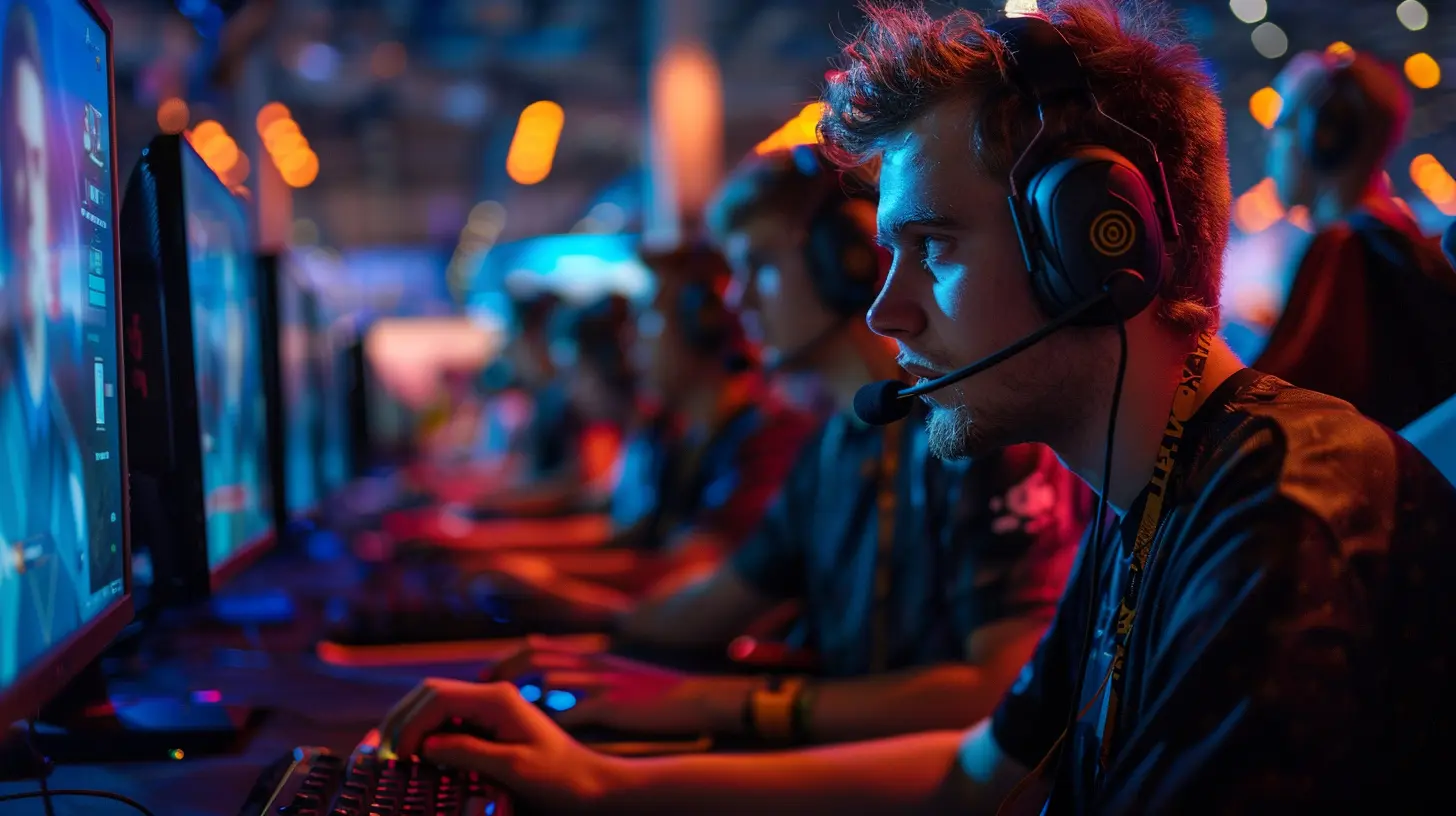
? Why Regional Leagues Matter More Than Ever
If you’ve been anywhere near a Twitch stream lately, you’ve probably noticed esports is blowing up. Big time. But here’s the deal: Global stages like the ESL, LCS, or The International only spotlight the crème de la crème.So, where do under-the-radar players get their shot?
Yeah, you guessed it.
Regional leagues serve as the proving grounds. They’re the unsung heroes that help players polish their skills, build confidence, and get that crucial first taste of competitive play.
It’s like the minor leagues in baseball — gritty, grounded, and full of hungry talent.
? Skill-Building on Steroids
Let’s talk about the grind. You don’t become a pro overnight. It’s all about consistent practice, gameplay refinement, and adapting under pressure.Regional tournaments offer exactly that.
You’re playing against local rivals who know your moves, who’ve seen your tricks — and that pushes you to constantly evolve. It’s a real-life dojo for gamers.
And trust me, there's no friendly fire here — just friendly ferocity.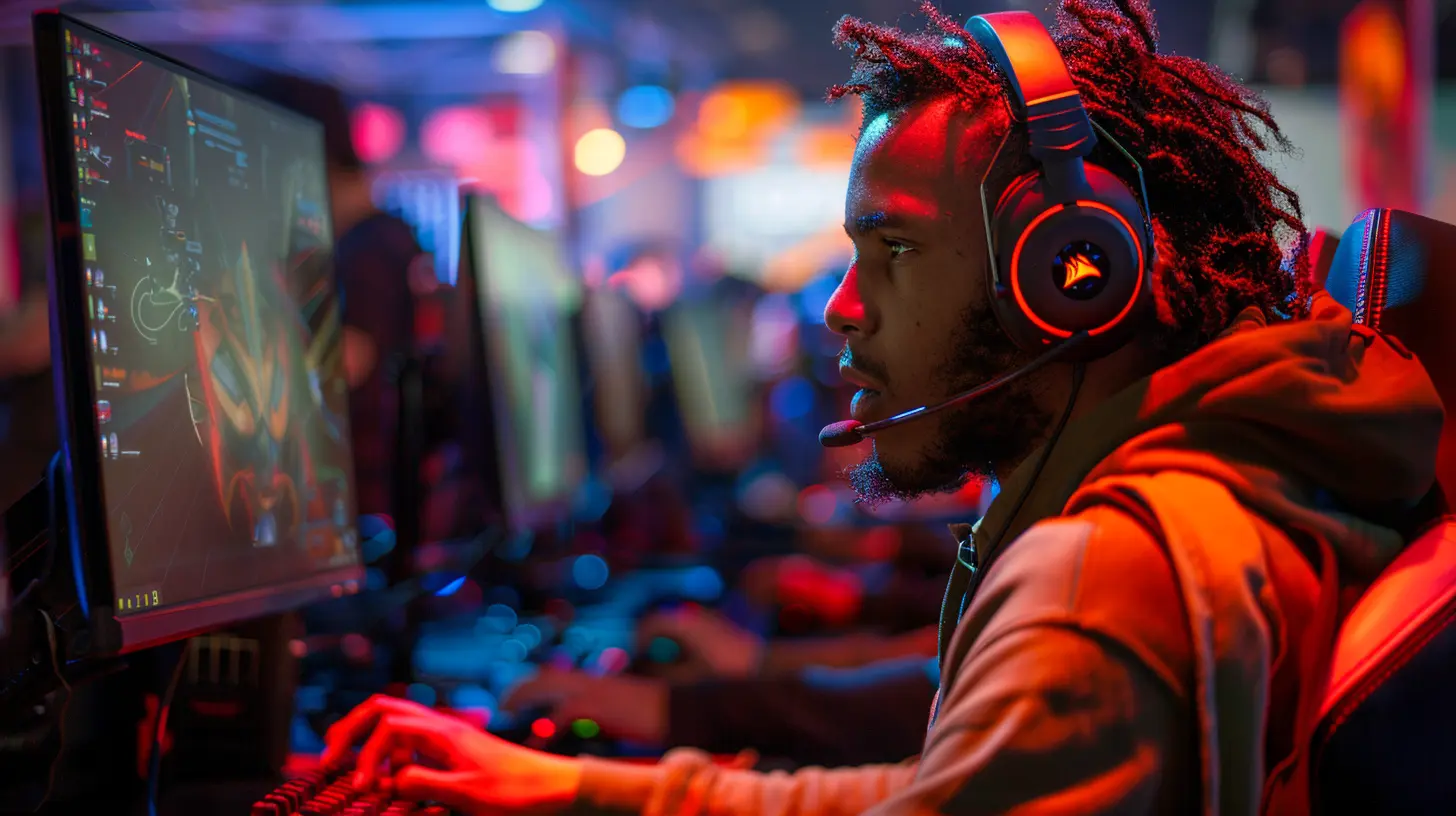
? Growing Talent From the Ground Up
The coolest part? These leagues are democratic. You don’t need a massive fan following or a sponsor breathing down your neck.All you need is skills, time, and guts.
This low-barrier entry means more players from diverse backgrounds get a shot. Think students, freelancers, even parents — all bonding over digital warfare and climbing the ranks.
It’s like open-mic night, but for gamers.
? Spotlighting Local Legends
There’s something poetic about being the best in your town, right? Regional leagues allow gamers to build their local rep before going global.And local fame matters. A lot.
Why? Two reasons:
1. Community support: Local fans are ride-or-die. They’ll cheer louder, support harder, and follow your career like proud parents at a school play.
2. Team scouts: Organizations often scour these leagues looking for the next big thing. If you’re dominating a regional circuit, trust me — someone’s watching.
? Local Scenes, Real Opportunities
Let’s talk dough. Yes, regional leagues may not offer prize pools like the World Championships, but they often provide stepping stones to sponsorships or invitations to bigger events.Sometimes, even small local success can attract brands looking to back the next prodigy. And in today’s influencer-driven world? Your local wins can fuel your TikTok, YouTube, or Twitch growth too.
Suddenly, you're not just a gamer. You're a brand.
??? Community + Camaraderie = Wombo Combo
One of the lesser-talked-about perks of regional gaming is the community vibe.It’s not all tryhard energy and competitive smack talk. There’s genuine bonding happening — like LAN parties, Discord hangouts, and late-night scrims.
In some ways, regional leagues are like high school sports. Everyone trains, competes, and cheers for each other — despite all the salty trash talk.
Gamers emerge not just as better players, but as part of a tight-knit crew. And that sense of belonging? Priceless.
? The Semi-Pro Pipeline
Not every regional champ ends up in the big leagues (and that’s okay). But plenty use the experience to land cool gigs in gaming.Think:
- Streamers with a dedicated following
- Coaches for youth esports clubs
- Local shoutcasters and analysts
- Tournament organizers and admins
These leagues aren’t just creating players — they’re building the future workforce of esports.
? Real-Life Success Stories
Need some proof? Let’s dish out a couple of glow-ups:- TenZ – Before becoming a Valorant sensation, Tyson Ngo was grinding in smaller circuits in Canada. His roots in the North American regional scene helped him stand out.
- Knight – One of China’s top LoL players, Knight sharpened his skills in regional LPL development leagues before hitting national fame.
- Southeast Asia’s Mobile Legends scene – Originally dismissed by the hardcore PC crowd, local tournaments have propelled players into global recognition, with fanbases rivaling top-tier CS:GO pros.
These aren’t one-offs. They’re proof that greatness often grows in local soil.
? Regional Leagues: A Global Game-Changer
Let’s zoom out. What happens when regional leagues thrive?The entire ecosystem gets stronger.
Imagine dozens of small ponds, each breeding their own big fish. Now think about what happens when all those ponds connect — yeah, it's a storm of talent.
Games like PUBG Mobile, Dota 2, and Free Fire have exploded in countries like Brazil, India, and the Philippines because of thriving local competitive scenes. Translation: when the grassroots grow, the forest flourishes.
?? Tech Meets Territory
Thanks to better internet infrastructure and streaming platforms, even remote communities are getting in on the action.Platforms like Challonge, Battlefy, and Toornament make it easier than ever to run leagues without a fancy production crew.
Add Discord servers and social media and suddenly, you’ve got a legit local league pulling crowds and views. It’s DIY esports, and it slaps.
? The Role of Developers and Publishers
Let’s not forget the gatekeepers: game developers.When devs support regional leagues — either through funding, in-game visibility, or exclusive partnerships — magic happens.
Blizzard’s Overwatch Contenders, Riot’s PCS (Pacific Championship Series), and Epic’s Fortnite Cash Cups are perfect examples. Structured regional circuits give players a roadmap to follow, from local tournaments to world championships.
No more guessing, just grinding.
? The Future's Local, Baby
Regional leagues are here to stay, and honestly? They’re only getting better.With more organizations investing in local esports programs, schools launching gaming clubs, and cities hosting tournaments in community halls and gaming cafes — it's clear: the future of esports is hyperlocal to hyperscale.
We’re talking talent pipelines faster than a speedrun and communities tighter than your Wi-Fi during a thunderstorm.
So whether you're a casual player, an aspiring pro, or someone who just loves a good esports Cinderella story — keep your eyes on the regional leagues. That's where the real magic begins.
Final Thoughts: From Backyard Battles to Big-Time Glory ?
Let’s keep it real. Gaming isn’t just mashing buttons anymore.It’s ambition, hustle, community, and opportunity — especially when it starts in your own backyard. Regional gaming leagues are more than just competitions. They’re incubators for passion and talent.
So the next time you hear of a local tournament at the mall or a scrim happening on a weekend, don’t scoff.
That might just be where the next global esports superstar is leveling up.
And who knows? That superstar could be you.
all images in this post were generated using AI tools
Category:
Gaming LeaguesAuthor:

Pascal Jennings
Discussion
rate this article
2 comments
Shannon Kearns
Local gaming leagues are like the secret sauce for talent! They turn everyday players into local legends. Who knew that a weekend tournament could spark the next big gaming superstar? Game on!
June 22, 2026 at 4:08 PM
Brittany Jenkins
Love seeing local talent shine through regional gaming leagues!
May 24, 2026 at 2:46 PM
Pascal Jennings
Thanks! It's exciting to see our local talent get the spotlight they deserve.