How Red Dead Redemption 2 Redefines Tragic Endings
1 July 2026
Let’s face it—when we fire up a video game, most of us expect to win. Ride off into the sunset. Save the world, maybe kiss the girl (or guy), and live happily ever after. That’s the standard hero journey, right? But Rockstar’s Red Dead Redemption 2 (RDR2) decided to throw that idea out the window and make us feel something deeper—real, gut-punching sorrow. If you’ve played it, you know exactly what I’m talking about.
This isn’t your average game with a predictable ending. No glittery send-off. No fireworks. Just a haunting, powerful conclusion that sticks with you long after the controller’s down. So, let’s dive into how Red Dead Redemption 2 redefines tragic endings in gaming—and why it’s such a masterpiece in storytelling.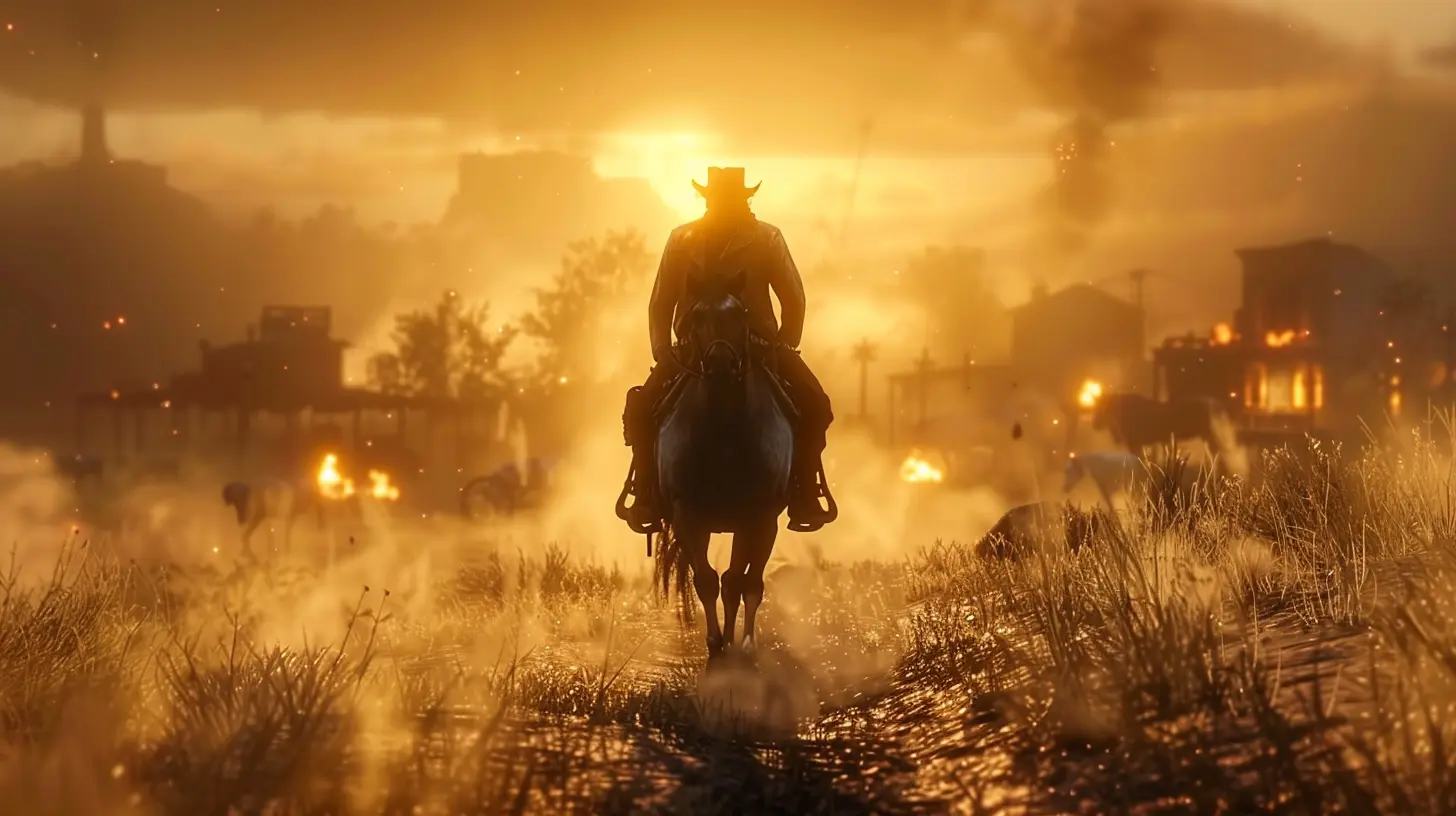
The Beauty in the Breakdown: What Makes a Tragic Ending Work?
Before we get into the meat of Arthur Morgan’s journey, let’s break down why tragic endings hit so hard. Tragedy, when done right, isn’t just about a sad outcome. It’s about emotional investment. It’s about watching someone fall after they’ve shown their greatness. It’s Shakespearean, almost poetic.But here’s the kicker: you wouldn’t care about the tragedy if you didn’t care about the characters. And that’s where RDR2 shines like a dusty gold nugget.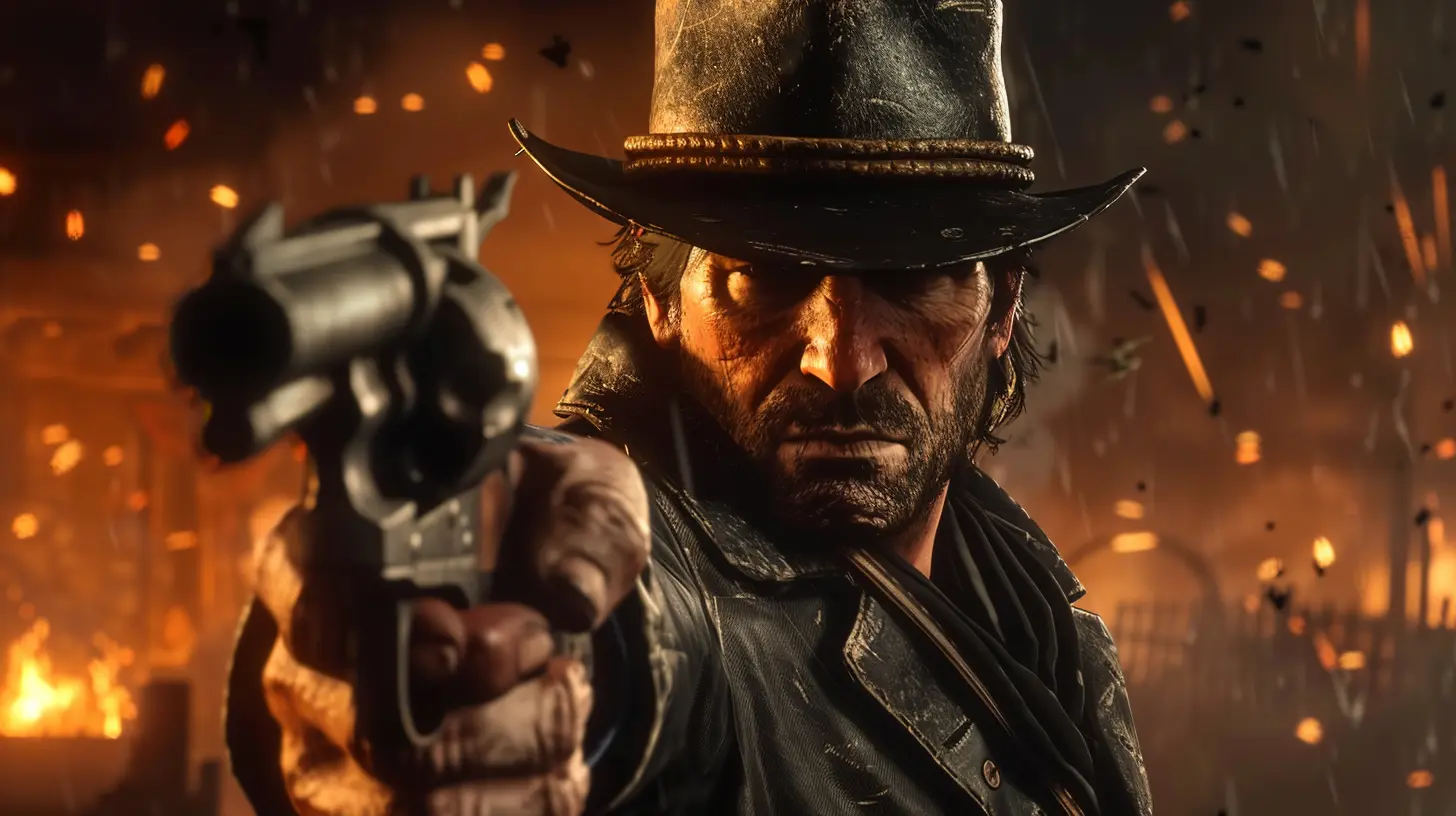
Arthur Morgan: The Heart of the Story
It’s impossible to talk about the tragedy in Red Dead Redemption 2 without talking about Arthur Morgan, the game’s lead and perhaps one of the most emotionally complex protagonists ever crafted in gaming. At the start, he might come off as your typical gruff outlaw, but peel back the layers, and you find a man torn between loyalty and morality.We watch Arthur transform—from an enforcer for Dutch van der Linde’s gang to a man questioning everything. He begins to reflect, to regret, to try and make things right. And that transition? It’s so subtle and human, you hardly notice it until it’s too late.
Knowing that Arthur’s fate is sealed by the tuberculosis diagnosis is like watching a candle burn at both ends. You know where it’s headed, but you can’t look away.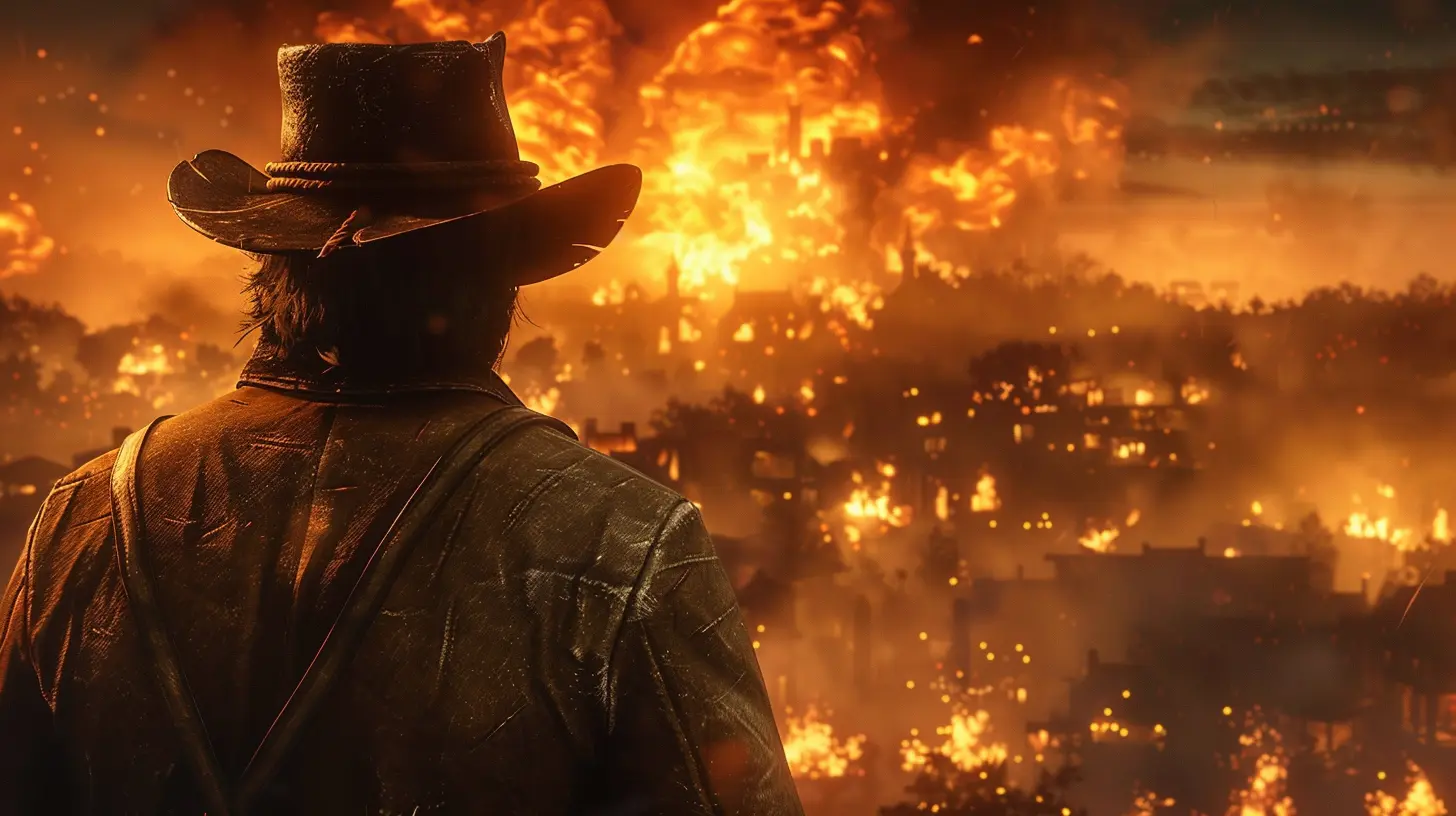
TB Isn’t Just a Plot Device—It’s Symbolic
When Arthur learns he has tuberculosis, it’s not just a plot twist to tug at your heartstrings. It serves as a metaphor for the gang’s—and the Old West’s—slow death. While other games might throw in a disease for shock value, RDR2 uses it to explore deeper themes of mortality, redemption, and the inevitable decay of the world Arthur knew.He’s literally coughing up blood while trying to save people. It doesn’t get more poetic (or tragic) than that.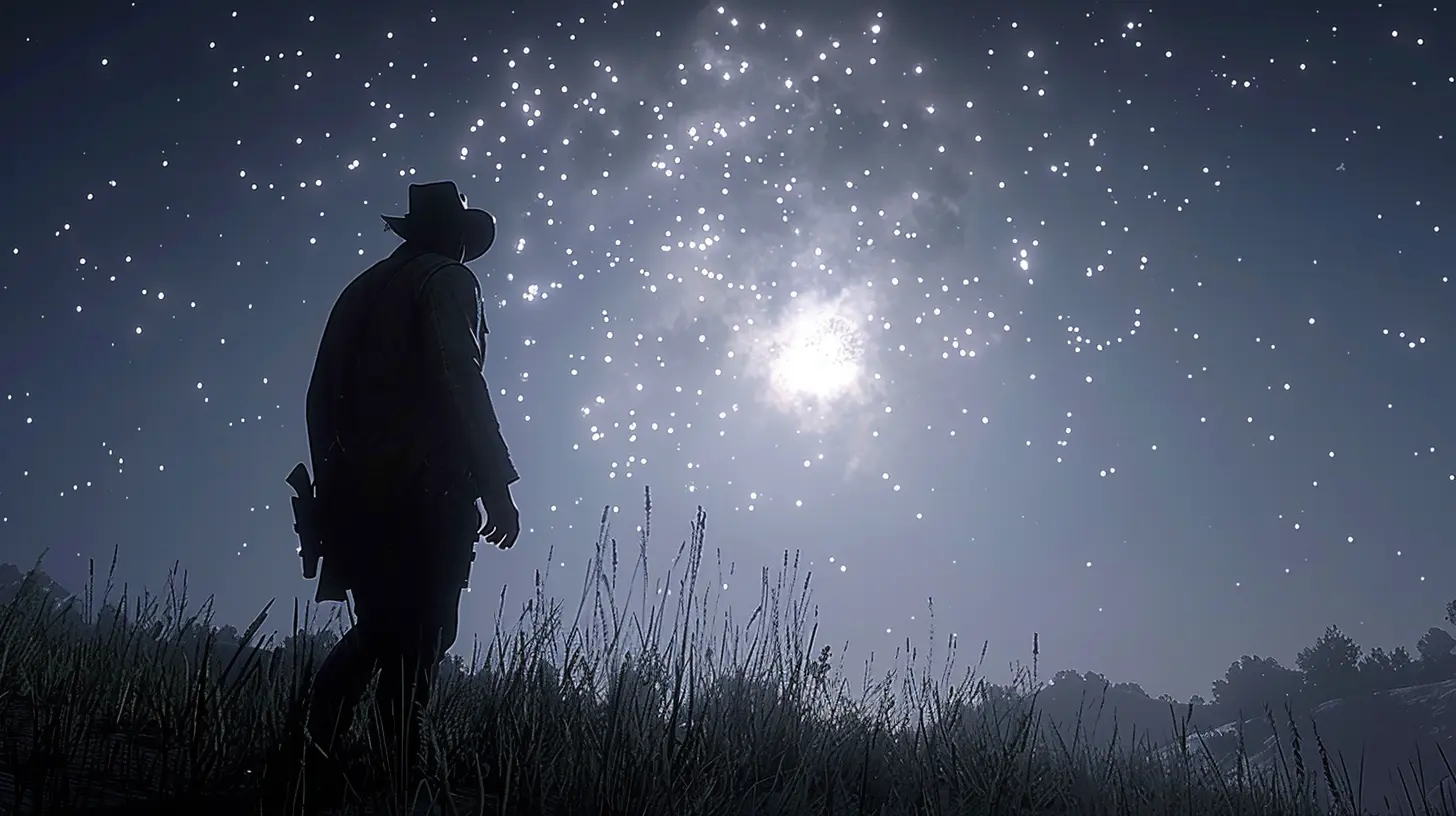
Redemption Arcs Done Right
Let’s talk about redemption. It’s a tricky theme. So many games try to pull it off but end up feeling forced or half-baked. In RDR2, Arthur’s redemption feels natural. Earned. Painfully human.Depending on your choices—yes, your choices—Arthur can go out like a true hero, helping John Marston escape the gang life. Or he can die bitter and alone, full of regret. That’s what makes it so impactful: the ending reflects who you made Arthur become. It’s not black and white; it’s all glorious gray.
The final moments, especially if you’ve maintained a high honor rating, are a masterclass in emotional storytelling. Watching the sunrise, whispering “I tried,” he finally finds peace. Tears? Don’t worry, we’ve all been there.
Dutch’s Descent and the Collapse of the Gang
It’s not just Arthur that gets the tragedy treatment. The whole gang slowly unravels, and it’s heartbreaking. What began as a tight-knit family turns into a fractured mess driven by greed, paranoia, and delusion—mostly thanks to Dutch van der Linde, the charismatic leader who loses his grip on reality.Watching Dutch spiral is like witnessing a slow-motion train wreck. Once a visionary with dreams of utopia, he becomes unrecognizable by the end. His betrayal of Arthur is one of the most devastating moments in the game. He doesn’t just abandon Arthur—he abandons everything they once stood for.
Foreshadowing in Every Corner
Rockstar didn’t just slap on a sad ending and call it a day. No, they planted seeds throughout the narrative, subtly hinting at the tragedy to come. From Arthur’s coughing fits to the changing leaves of the seasons, the game whispers inevitability.Even the soundtrack plays its part. Songs like “May I Stand Unshaken” aren’t just background noise—they're emotional cues, setting the tone for distress before the player even realizes it.
This careful crafting of atmosphere is why the ending hits like a ton of bricks.
Emotional Payoff in Side Missions
You know a game is doing tragedy right when even the side quests can make you cry.Think about the side missions where Arthur helps a widow, teaches a kid how to fish, or returns a lost friend’s belongings to their family. These are quiet moments, but they’re packed with emotional depth. They show the kind of man Arthur is becoming—and who he could’ve been if he had more time.
These aren't filler. They’re character development in disguise, and they make his death all the more gut-wrenching.
The Cycle of Violence and the Cost of Loyalty
One of RDR2’s underlying messages is that violence begets violence. Loyalty to a flawed cause can destroy the soul. Arthur’s unwavering loyalty to Dutch costs him everything—his health, his peace, and eventually his life.The game asks us tough questions: When is it time to walk away? When is loyalty no longer noble but destructive? And who do we become when we finally decide to break the cycle?
There’s no easy answer, and that’s exactly why it works.
The Epilogue: Bittersweet Closure
After Arthur’s death, we step into the boots of John Marston. This shift gives us a brief taste of hope—but only a taste. John’s trying to build a better life, but we already know how it ends (thanks to the original Red Dead Redemption). That bittersweet knowledge adds even more layers to the tragedy.John’s epilogue is like living with the ghost of Arthur. His presence lingers in every quiet moment, in every line of dialogue, in every sweeping view of the countryside.
It’s closure, but it’s also a haunting reminder that some stories don’t get happy endings.
Red Dead Redemption 2 vs. Other Game Endings
Let’s be real—most games fear tragedy. They go for the safe route, the neat bow on top. RDR2 said “nah” and gave us something brutal, honest, and unforgettable.Games like The Last of Us and BioShock Infinite have also flirted with tragedy, but RDR2 commits to it with both feet. It doesn’t offer easy answers or tidy resolutions. And in doing so, it elevates itself from “just a game” to a full-on narrative experience on par with the best films or literature.
Why We Keep Coming Back
So why do we keep replaying it, knowing how it ends? Why do we put ourselves through it again?Because it means something. Arthur’s story resonates because it feels real. The game gives us the freedom to shape his legacy, even if we can’t save him. And that’s powerful. It challenges us to think about who we are, what kind of choices we make, and what redemption really means.
That kind of storytelling doesn’t come around often.
Final Thoughts: A Masterclass in Tragedy
Red Dead Redemption 2 redefines tragic endings by making them deeply personal, richly layered, and emotionally authentic. It tells a story not of failure, but of transformation, of a man trying to outrun his past and find some flicker of light in the darkness.It’s not just a Western. It’s a philosophical journey. And it leaves a mark.
So the next time someone says video games can’t deliver powerful stories, send them Arthur Morgan’s way. Just… make sure they’ve got tissues handy.
all images in this post were generated using AI tools
Category:
Game Endings ExplainedAuthor:

Pascal Jennings
Discussion
rate this article
1 comments
Marissa Wright
This article really captures the essence of Red Dead Redemption 2's storytelling. The way it handles tragedy is both powerful and moving. I'm still reflecting on the game's emotional impact. Great insights here, thanks for sharing!
July 6, 2026 at 2:45 AM