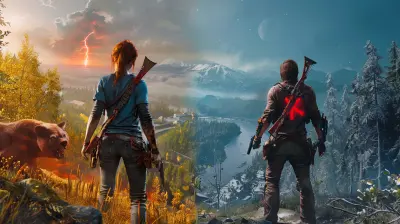
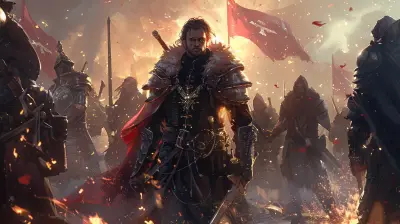
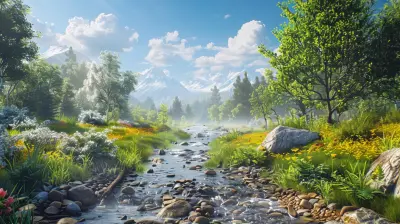
How Non-Photorealistic Rendering Makes Games Stand Out
15 May 2026
Alright, let’s be real for a second.
In a gaming world saturated with jaw-dropping 4K graphics, ray-tracing, and real-time lighting effects that make you question what’s real and what’s not—there’s a certain magic in games that don’t try to look realistic. You know what I’m talking about—the ones that look more like living paintings or comic books than blockbuster movies. That magic? It’s called Non-Photorealistic Rendering (NPR).
And believe me, it’s more than just a stylistic choice. It’s a game-changer—literally.
In this article, we’re diving deep into how non-photorealistic rendering makes games stand out from the crowd. Whether you’re a dev, an artist, a casual gamer, or just someone who appreciates creative visuals, you’ll start seeing your favorite games in a whole new light. So, grab your favorite snack and get comfy—we’re about to paint this topic with bold strokes.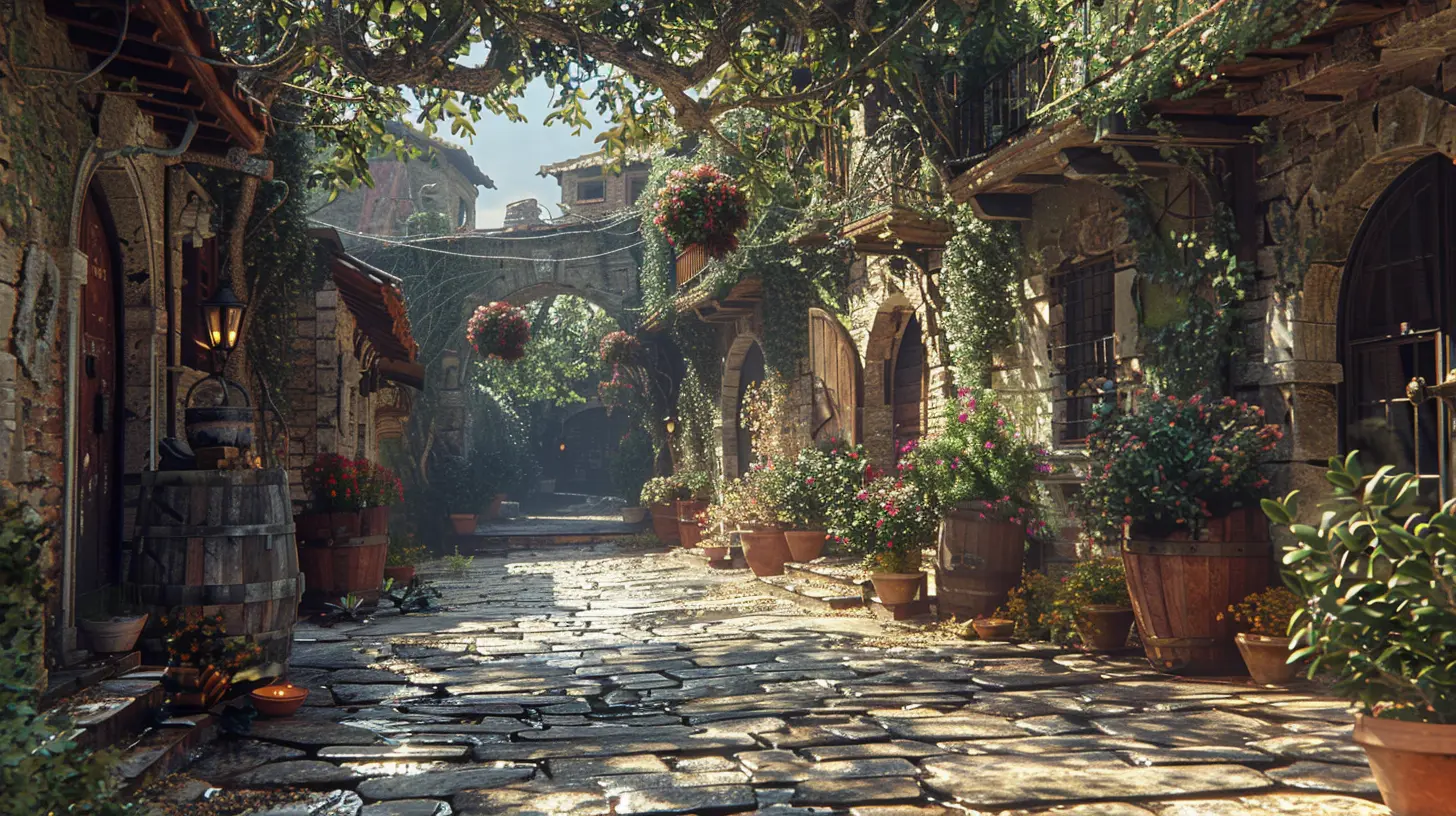
What Is Non-Photorealistic Rendering (NPR) Anyway?
Let’s not overcomplicate this.Non-Photorealistic Rendering is basically a fancy way of saying “we’re not trying to make this look like real life.” Instead of mimicking reality, it focuses on stylization—like cel-shading, hand-drawn textures, sketchy outlines, and even watercolor effects.
Think of it this way: If photorealistic rendering is a high-end DSLR photo, NPR is a gorgeous oil painting or a vibrant comic strip.
And just like in art, the choice of style can completely transform how a game feels.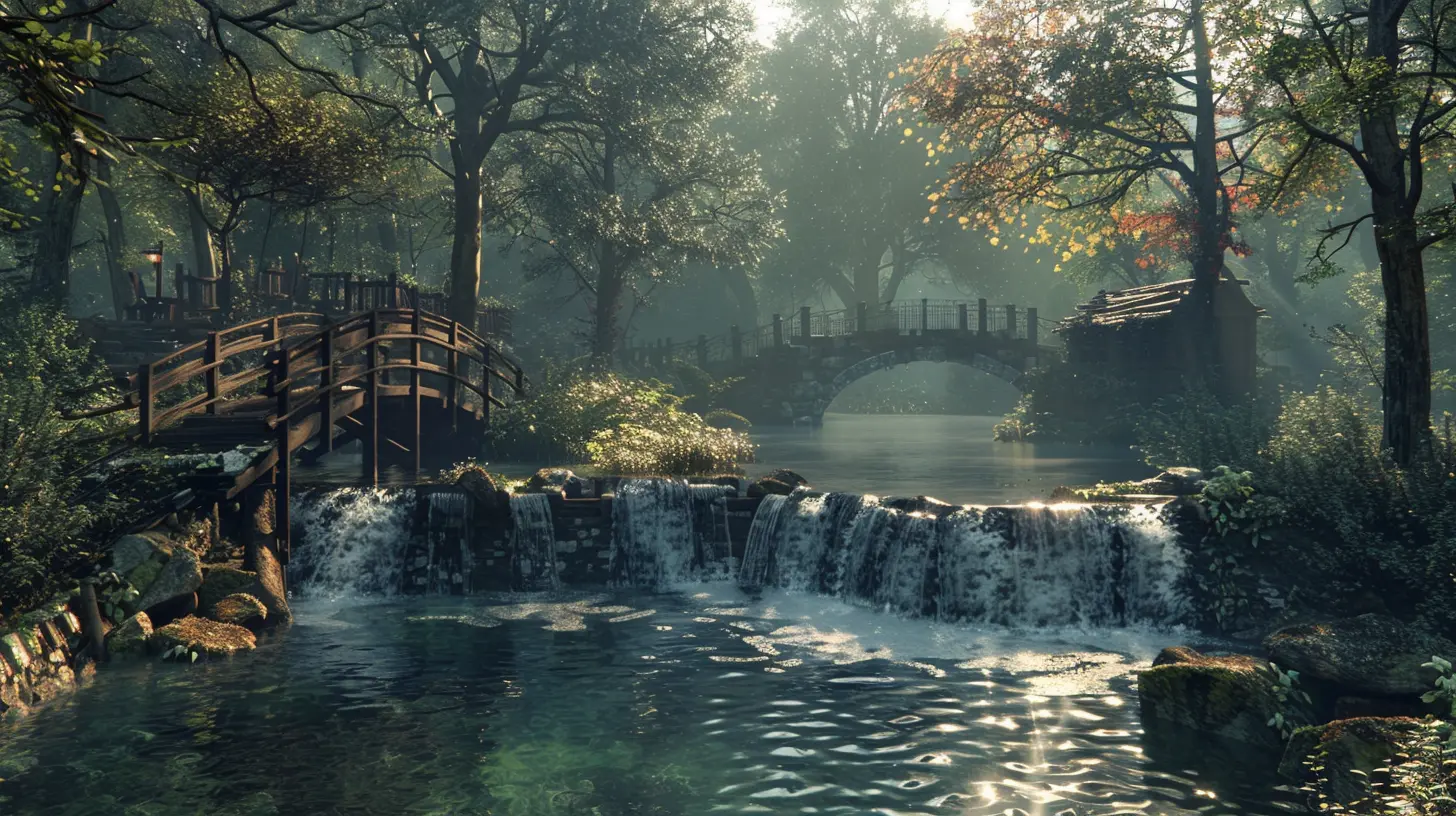
The Power of Stylization: Why Less "Real" Can Be More Immersive
Here’s the thing—realism isn’t the only way to draw players in. Sometimes, stepping into a surreal, hyper-stylized world can actually feel more captivating.Ever played Journey? That game doesn’t try to replicate reality. Instead, it sweeps you into an abstract desert world that feels dreamlike and emotional. Or how about The Legend of Zelda: Wind Waker? Its cartoonish, cel-shaded graphics were divisive at launch, but now it’s considered a timeless visual masterpiece.
What's the secret sauce? Consistency over realism.
Games that use NPR often create their own visual language. And once players learn to speak that language, they’re hooked. It's like stepping into a graphic novel where everything—from the lighting to the animation—feels alive in a different way.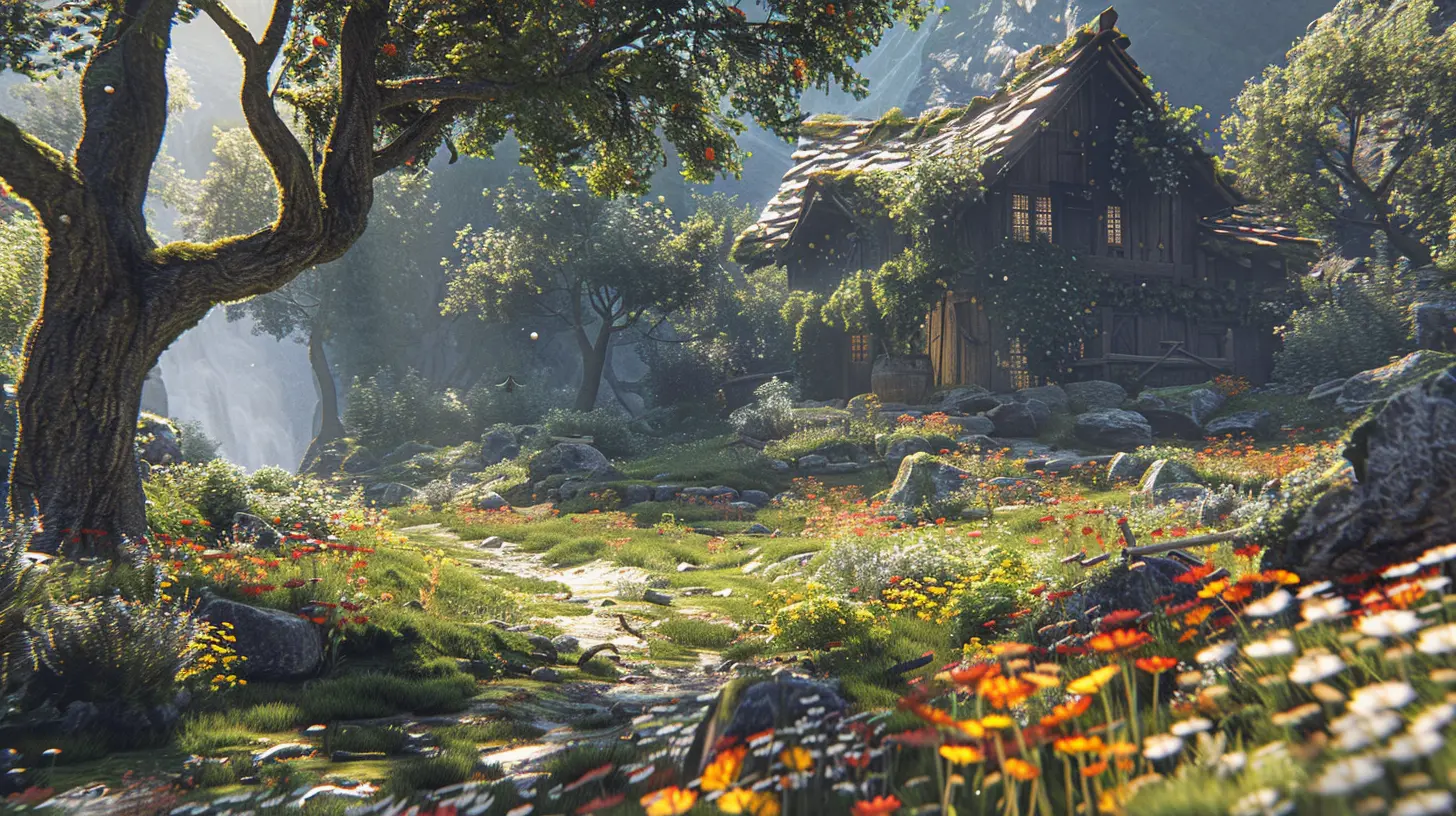
Types of Non-Photorealistic Rendering: A Stylish Buffet
Let’s break down some of the most popular NPR techniques. These are the tools that give games their unique flair.? 1. Cel-Shading
If NPR were a school, cel-shading would be the cool kid everyone knows.Cel-shading is that bold, outlined art style that makes 3D models look flat and cartoon-like. It's what gives games like Borderlands, Okami, and Jet Set Radio their instantly recognizable look.
It’s clean, it’s colorful, and it pops off the screen like your favorite Saturday morning cartoon.
?️ 2. Sketch Rendering
Sketch rendering mimics the look of hand-drawn illustrations. Instead of crisp lines and smooth textures, you get hatching, crosshatching, and rough edges—like a drawing that’s come to life.A great example? The indie gem Gorogoa, which plays like a puzzle-filled storybook.
?️ 3. Painterly and Watercolor Styles
Imagine walking through a constantly shifting painting. That’s what games with painterly NPR aim for.Games like Child of Light and GRIS use watercolor-inspired visuals to create soft, dreamlike atmospheres that ooze emotion.
? 4. Pixel Art (Yes, it counts!)
Surprised? Pixel art totally falls under NPR.While it’s a throwback to retro hardware, modern games like Celeste, Hyper Light Drifter, and Stardew Valley use pixel art in highly creative ways. These games don’t push polygons—they pull on your nostalgia and imagination.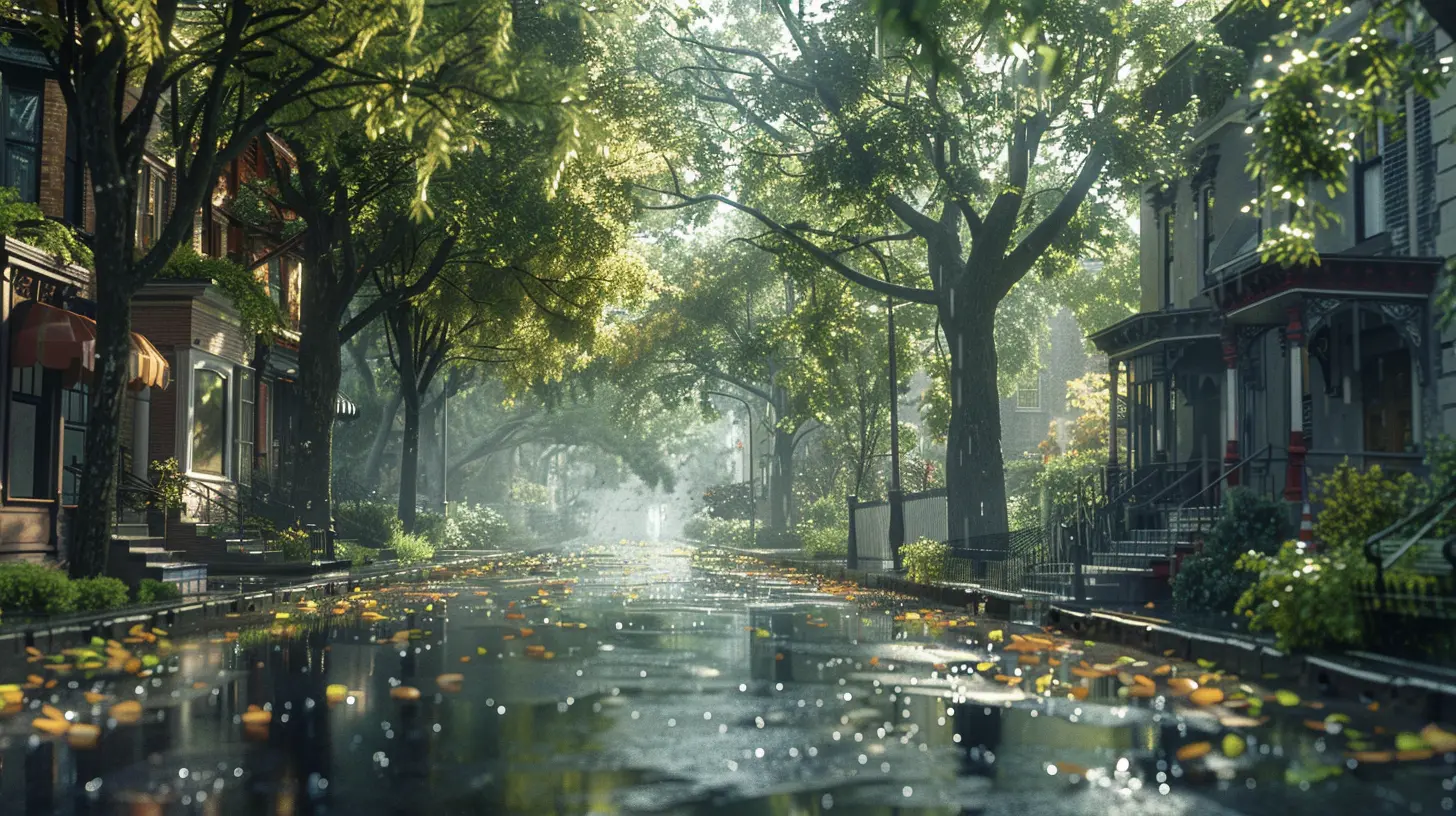
NPR vs Photorealism: It’s Not a Competition (But NPR Wins in Charm)
Let’s do a quick face-off. No shade to photorealism—it’s impressive, don’t get me wrong—but NPR brings something special to the table.| Feature | Photorealism | Non-Photorealistic Rendering |
|--------|--------------|------------------------------|
| Emulates Real Life? | ✔️ Yes | ❌ Nope |
| Timeless Aesthetic | ❌ Often ages quickly | ✔️ Ages better |
| Artistic Expression | ? Limited by realism | ? Boundless |
| Performance Requirements | ? High-end hardware | ? Often lighter |
| Emotional Impact | ? Realistic emotions | ? Stylized emotions hit different |
So yeah, while realism shows off raw tech power, NPR showcases creativity and heart. And isn’t that what games are all about?
How NPR Enhances Gameplay
This might sound weird, but how a game looks can affect how it plays. NPR isn’t just eye candy—it can actually improve gameplay in really cool ways.? Visual Clarity
In games like Hades and Cuphead, the stylized visuals make it easier to focus on what matters. Your character, enemies, bullets—they all pop against the background in a way that’s laser-focused and readable.No squinting at shadows or getting distracted by excessive lens flares.
? Mood and Theme Reinforcement
Want to make a game feel whimsical? Tragic? Surreal? NPR gives you the visual toolbox to match the tone perfectly.For instance, GRIS uses color and abstraction to narrate emotion without a single line of dialogue. That’s powerful storytelling through style.
? Technical Efficiency
Let’s be real—realistic graphics demand beefy hardware. NPR styles often skip the ultra-detailed textures and lighting calculations, which means smoother performance and broader accessibility—especially for indie developers and mobile platforms.Why Indie Developers Love NPR
If there’s one corner of the industry flying the NPR flag high, it’s indie devs.Why? Because NPR lets small teams stand out. When you can’t out-gun AAA studios in realism, you out-style them.
Games like Hollow Knight, Slay the Spire, and Night in the Woods don’t just look unique—they’re iconic. Their NPR visuals grab your eye and linger in your mind long after you put the controller down.
And let’s not forget: stylized games usually age like fine wine, while realistic ones can end up looking awkward a few years down the line.
NPR Is More Than a Trend—It’s a Statement
Stylized graphics aren’t just a workaround—they’re a creative decision. They tell you what kind of world you’re stepping into.When a dev picks NPR, they’re saying, “Hey, we’re not just trying to impress you—we’re trying to connect with you.” It’s bolder, riskier, and incredibly rewarding when done right.
And players are noticing. As the gaming audience grows and evolves, so does the appreciation for visual storytelling that breaks the mold.
Major Games That Aced the NPR Look
Let’s give a quick shout-out to some trendsetters that totally nailed the NPR vibe:- The Legend of Zelda: Wind Waker – Cel-shading on a grand adventure scale.
- Okami – A beautiful ink-and-brush style inspired by traditional Japanese art.
- Cuphead – 1930s cartoons + brutal boss battles = unforgettable.
- Borderlands – Gritty comic book meets Mad Max.
- GRIS – An emotional watercolor journey.
Each of these games chose a visual identity that perfectly matched their gameplay and themes. And honestly? That’s what makes them stick around in our hearts and Steam libraries for years.
So, Why Should Gamers Care About NPR?
Because it’s not just about looking good—it’s about feeling right.When a game dares to look different, it stands out. It tells you from the first screenshot that it’s got something special to offer, something beyond pixels-per-inch or lighting realism.
Think of NPR like your favorite indie band or that cozy coffee shop down the street—it may not be the flashiest, but it’s dripping with character and soul.
And in an industry that sometimes feels like it’s chasing the next big technical breakthrough, that kind of creative bravery? It’s refreshing.
Final Thoughts: Stylized Is Here to Stay
As graphics tech keeps evolving, we’ll keep seeing hyper-real worlds. But alongside them, the NPR scene will keep flourishing.Why? Because players crave experiences that feel different—and style is a huge part of that. Non-photorealistic rendering makes games not only visually distinctive but emotionally memorable.
So next time you fire up a game like Tunic, Sable, or Pentiment, take a second to appreciate the artistry that went into making it not look real.
Sometimes, the most unreal visuals feel the most real.
all images in this post were generated using AI tools
Category:
Game GraphicsAuthor:

Pascal Jennings
Discussion
rate this article
2 comments
Mercy Kearns
Non-photorealistic rendering adds unique style and charm, making games visually memorable and creatively distinct from each other.
June 11, 2026 at 4:35 PM
Pascal Jennings
I completely agree. Non-photorealistic rendering really opens up creative possibilities and gives games their own unique flair. It sets them apart and makes the visuals more memorable.
Heidi West
Non-photorealistic rendering invites players into a vivid imagination, where colors and shapes evoke emotions beyond realism. This artistic expression transforms gameplay into an experience, highlighting storytelling and creativity. It reminds us that games are not just about visuals, but the feelings they inspire.
May 19, 2026 at 3:53 PM
Pascal Jennings
Absolutely! Non-photorealistic rendering does open up a realm of creativity, allowing emotions and storytelling to take center stage. It's a powerful way to engage players beyond just visuals.