How Motion Capture Elevates Character Detail
17 August 2026
Gaming has come a long way since the pixelated days of Pong and Space Invaders, right? Now, when you dive into a game, it's not just the gameplay that pulls you in—it's the realism, the emotion, and the lifelike characters that make you pause and think, “Wow, did they really just do that?”
At the heart of this hyper-realistic transformation is something called motion capture, or mocap for short. This tech isn’t just about slapping sensors on actors—it's about breathing life into digital avatars, making them walk, talk, and feel like real people. So, how exactly does motion capture elevate character detail? Let's unravel that together.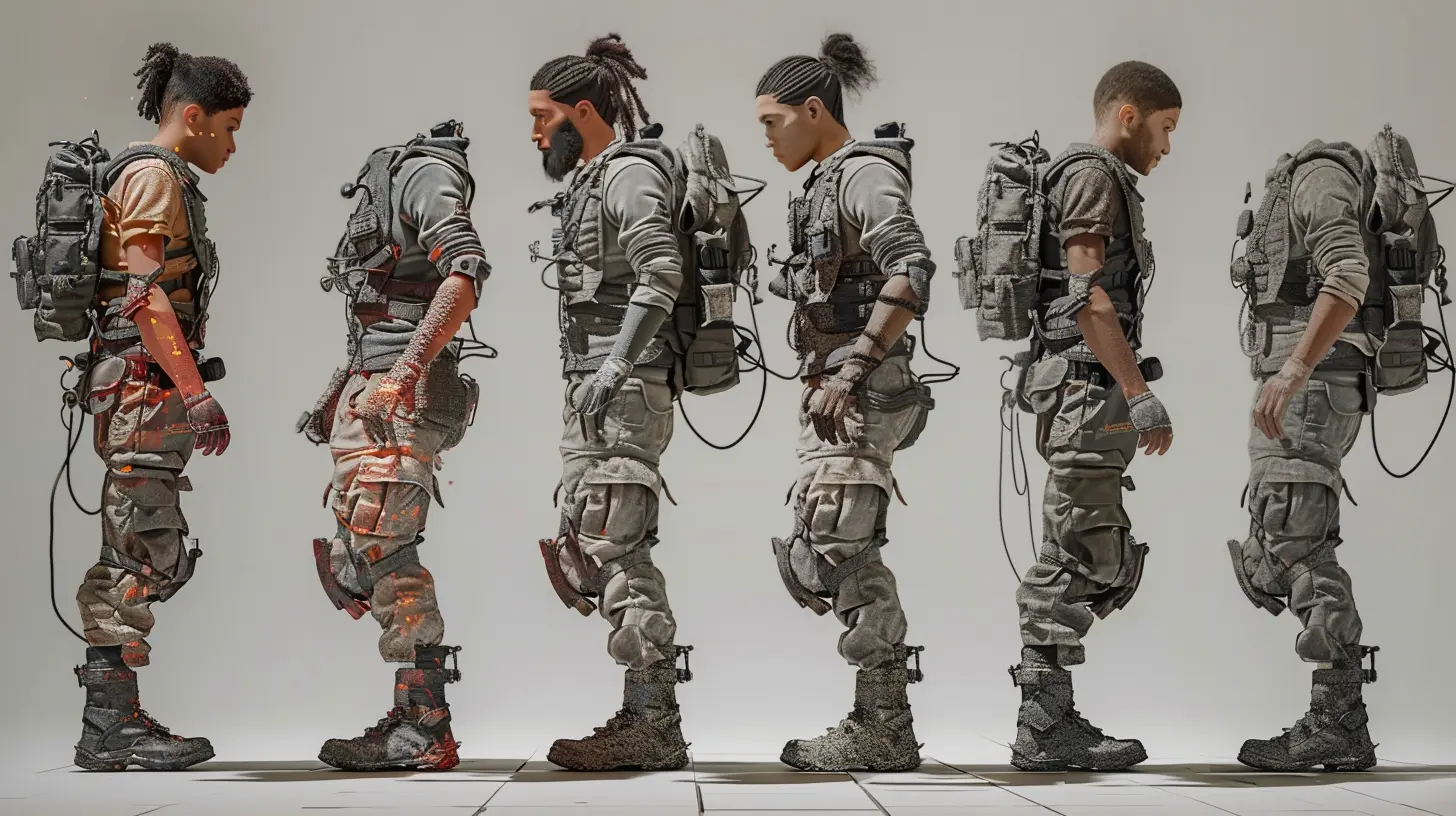
What Is Motion Capture, Anyway?
Before we dive into the deep stuff, let’s get the basics out of the way.Motion capture is the process of recording the movement of objects or people. It’s kind of like recording a dance so you can recreate it perfectly later. In the world of video games, mocap captures an actor's performance—everything from facial expressions to the tiniest finger twitch—and translates that data onto a digital character.
This tech lets developers create animations that are waaaay more realistic than manual animation ever could. Sure, animators are talented, but there’s nothing quite like capturing the nuances of real human movement.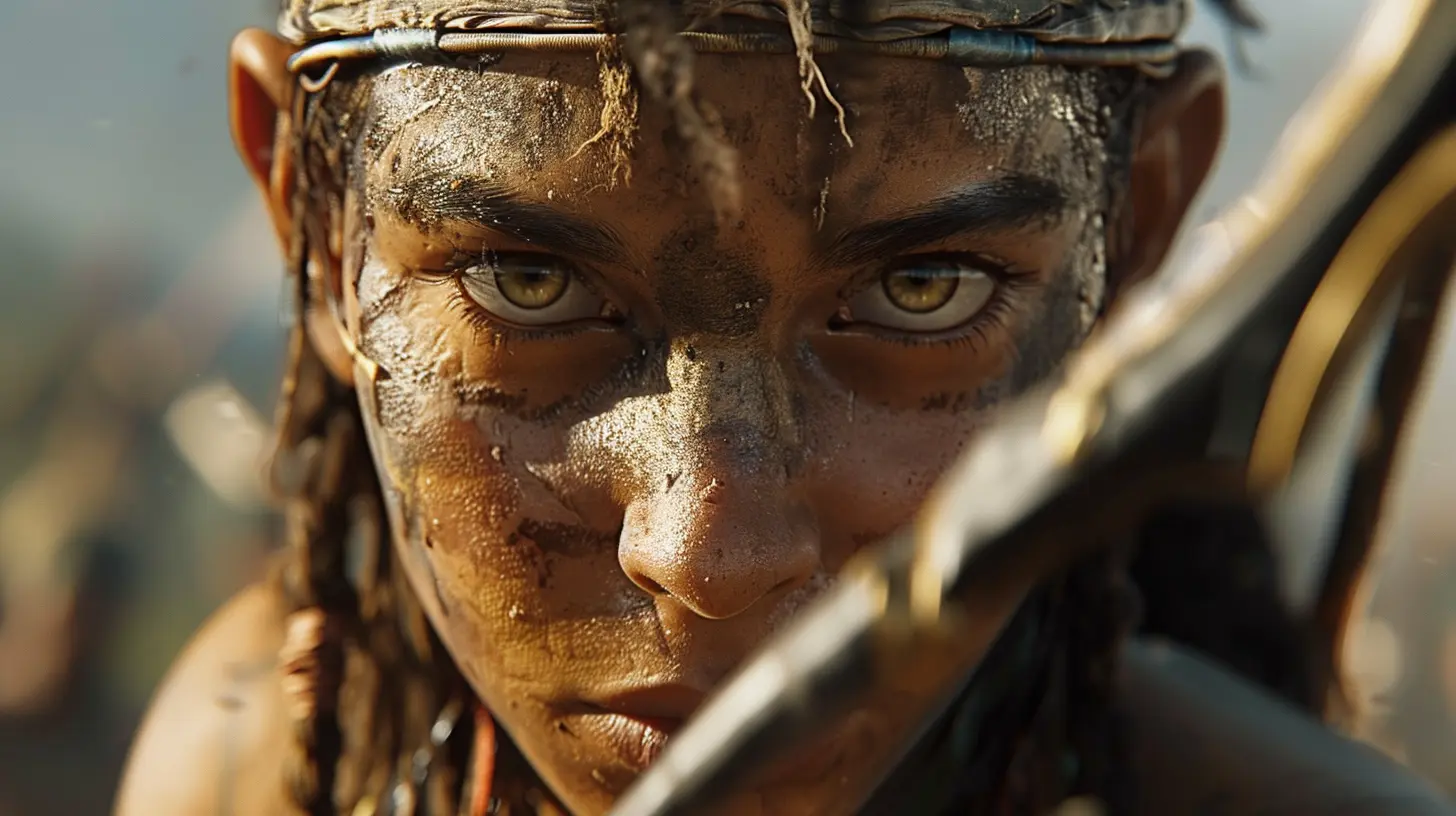
Back in the Day: Gaming Without Mocap
If you’ve ever played a game from the '90s or early 2000s, you know what we’re talking about here. Remember the stiff, robotic movements? Characters would run like they had broomsticks for legs, and emotions were limited to a raised eyebrow (if you were lucky).Animations were hand-drawn or manually rigged, which meant they took tons of time and often lacked that oomph of authenticity. You could sense something was off—it just didn’t feel real.
Then mocap stepped in like a superhero in tights and said, “Relax, I got this.”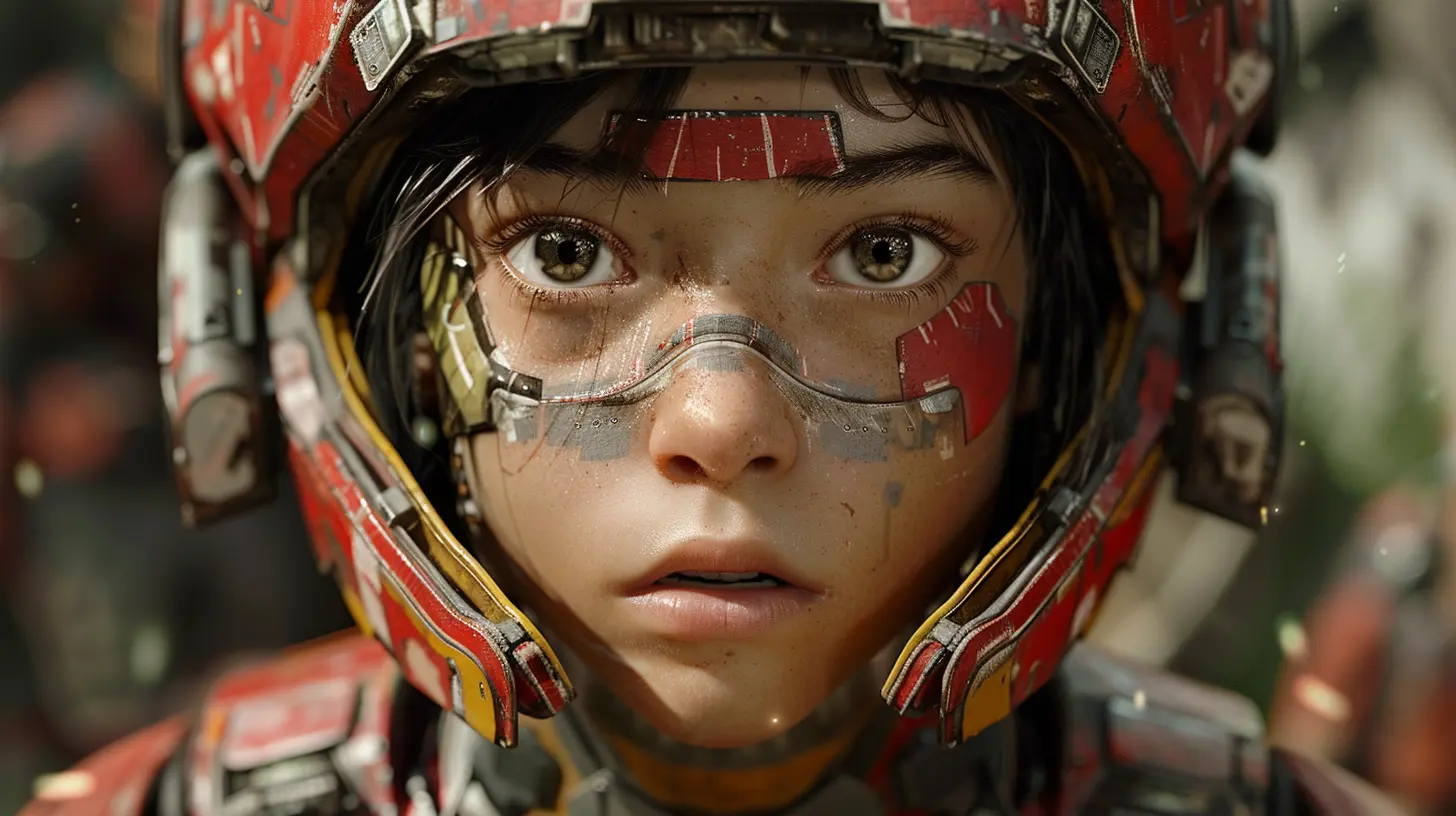
How Motion Capture Brings Characters to Life
1. Capturing Human Nuance
Let’s face it, humans are complex. We scrunch our noses when we’re confused, we shift weight from foot to foot when we’re nervous, and sometimes our body language speaks louder than words.Motion capture is all about those details.
When you’re watching a cutscene in a modern game and notice a character slightly fidgeting or narrowing their eyes ever so slightly—that’s mocap in action. These micro-movements add depth and realism you just can’t fake.
2. Realistic Facial Expressions
Ever played a game where the character looked like they were wearing a frozen Halloween mask? Yeah, no thanks.With facial motion capture, developers can record intricate facial details and bring real emotions into the game. We're talking about eyebrow raises, lip curls, eye twitches—the works.
This is especially huge in narrative-driven titles like The Last of Us, God of War, or Red Dead Redemption 2. The raw emotion in these stories hits hard not just because of the writing, but because of the subtle facial expressions that sell the performance.
3. Natural Movement = Believable Characters
There’s a big difference between a character walking and a character walking like a real person.With mocap, characters move naturally—they stumble, they lean, they have posture. No longer do we see NPCs strolling around like they’re gliding on invisible wheels. Thanks to mocap, there's actual weight and gravity to their steps.
This is especially important in action games. Whether it’s swinging a sword, dodging an enemy, or just sitting down, mocap ensures those movements make sense visually and physically.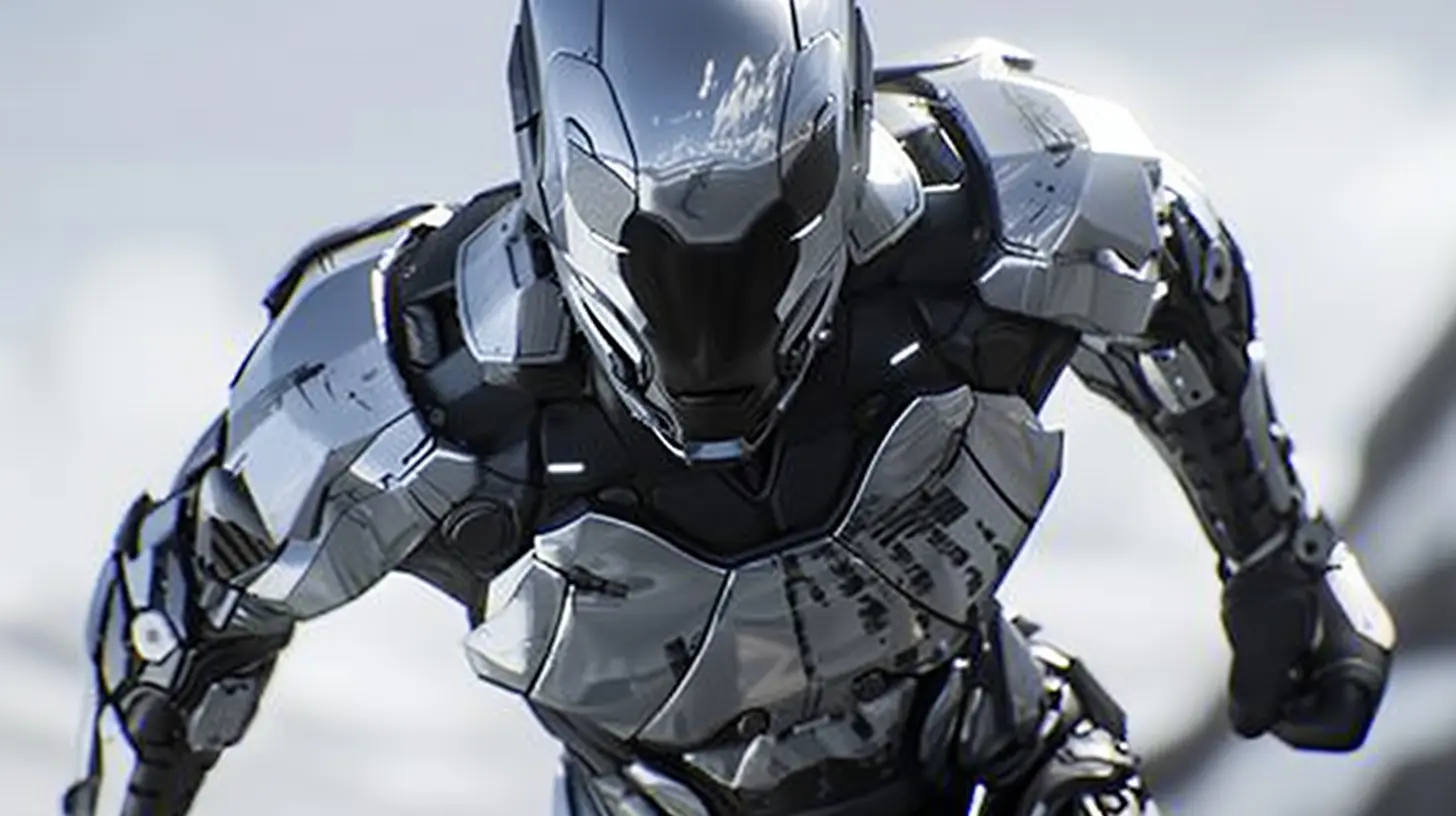
Famous Games That Nailed It With Mocap
Wanna see mocap at its best? Let’s jog through a few examples.? The Last of Us Series
When Joel and Ellie argue, it isn’t just sharp writing—it’s real actors performing those scenes, captured with high-end mocap tech. Their body language, their facial tics, their tearful expressions—it’s all spot-on because it’s real.? Red Dead Redemption 2
This game is practically an interactive Western film. Rockstar used full-body motion capture for main characters and even NPCs. The way Arthur Morgan rides a horse, smokes a cigarette, or tips his hat—it’s all thanks to mocap magic.? Hellblade: Senua’s Sacrifice
This one deserves a standing ovation. With minimal budget but maximum ambition, the developers used cutting-edge facial mocap to portray Senua’s inner struggles. It’s hauntingly beautiful and emotionally raw.? Battlefield and Call of Duty Series
You might not notice it right away, but the intense realism in combat animations, the way a soldier flinches under fire, or the way they reload weapons in the heat of battle—that precision is powered by mocap too.The Tech Behind It All
You’re probably wondering—how does it actually work?Motion Capture Suits
Actors wear skintight suits dotted with reflective markers. These markers are tracked by dozens of cameras, which record how each part of the body moves. Think of it like building a 3D wireframe from real motion.Facial Capture Rigs
For faces, things get even more high-tech. Actors often wear helmets with tiny cameras pointed at their face to capture every muscle movement. Yep, even a subtle smirk is recorded and transferred to the digital model.Software Magic
Once the data is captured, it’s run through powerful software that maps movements to digital characters. Animators can then tweak or refine the motions—but they’re working from an incredibly accurate blueprint.Challenges of Motion Capture
Alright, so mocap is pretty awesome, but it’s not all rainbows and high-fives.✅ It’s expensive. High-end mocap studios with multiple cameras and gear don’t come cheap. Independent devs may struggle to afford it.
✅ It needs skilled actors. You can’t slap a mocap suit on anyone and expect gold. You need performers who understand physical acting and emotional nuance.
✅ Post-processing is a beast. Even after capturing the motion, you’ve got hours—sometimes weeks—of cleaning, refining, and applying the data.
Still, even with these challenges, mocap is being adopted more and more because the results speak for themselves.
Mocap in Indie Games – Yes, It's Happening!
Don’t think motion capture is just for the AAA giants. Indie developers are slowly but surely joining the party. Tools like Rokoko, Perception Neuron, and even smartphone-based mocap apps are making it more accessible.Platforms like Unreal Engine and Unity support motion capture plugins too, offering smaller teams the chance to push realism without killing the budget.
The accessibility gap is closing fast, and it’s only a matter of time before mocap becomes the norm—even for low-budget games.
The Emotional Connection: Why It Matters
Let’s get real here—we don’t play games just for cool explosions or badge-worthy achievements. We play to connect, to feel, to experience.And that emotional connection? It hinges on whether the characters feel real. Motion capture is what turns a digital model into someone you care about, someone you root for, cry with, or even fear.
In short, mocap turns pixels into people.
What’s Next for Motion Capture?
Hold onto your controller, because the future is wild.We’re seeing new innovations like real-time motion capture, where performances can be applied to characters live as the actor moves. This could open doors to live interactive storytelling or even mocap in VR!
AI is also being introduced to enhance mocap data—making it faster, smoother, and easier to tweak.
Eventually, we might not even need suits at all. Just a camera or two could be enough to capture high-quality animation. The tech is evolving, and fast.
Final Thoughts
So, where does this leave us?Motion capture has clearly revolutionized how we create and experience characters in games. It’s no longer enough to have a cool character design—players want to see characters breathe, suffer, laugh, and move like real people. Mocap makes that happen.
It’s like the difference between looking at a statue and having a conversation with a living person. One's impressive; the other is unforgettable.
Whether you’re a gamer, a developer, or just curious, one thing’s certain—motion capture isn’t just elevating character detail…
…it’s redefining storytelling in games.
all images in this post were generated using AI tools
Category:
Game GraphicsAuthor:

Pascal Jennings