How Mobile Games Are Catching Up in Visual Excellence
10 April 2026
Remember when mobile games looked like pixelated mini puzzles or endless runners with basic graphics? Yeah, those days are fading faster than a Snapchat story. These days, mobile games are turning heads with visuals that are nothing short of jaw-dropping. It’s like watching console-quality graphics squeezed into the size of your palm.
So, how exactly did this transformation happen? Why are we seeing games like Call of Duty: Mobile or Genshin Impact that look almost as good (if not better sometimes) than what we play on traditional consoles? Let’s dive right into why mobile games are catching up in visual excellence, and what it means for gamers around the globe.
📱 The Power in Your Pocket: Mobile Hardware Evolution
Let's start with the basics. Over the past decade, smartphones have gone from glorified calculators to miniature gaming beasts. With each new iPhone or Android flagship, we’re getting more processing power, improved GPUs, and better thermal management.➡️ Processors & GPUs Are Leveling Up
The Snapdragon 8 Gen 2, Apple’s A17 Bionic chips, and other top-tier processors are capable of handling some serious graphics. They can run high-resolution textures, complex shaders, real-time lighting, and even ray tracing. That's right—ray tracing on a phone. A few years ago, that would've sounded like science fiction.➡️ High Refresh Rate Displays
Gone are the days of clunky 30 FPS mobile gaming. Many phones now feature 90Hz, 120Hz, or even 144Hz displays. That means buttery-smooth animations and faster response times. Combine that with powerful processors, and you've got a recipe for console-rivaling visual fidelity.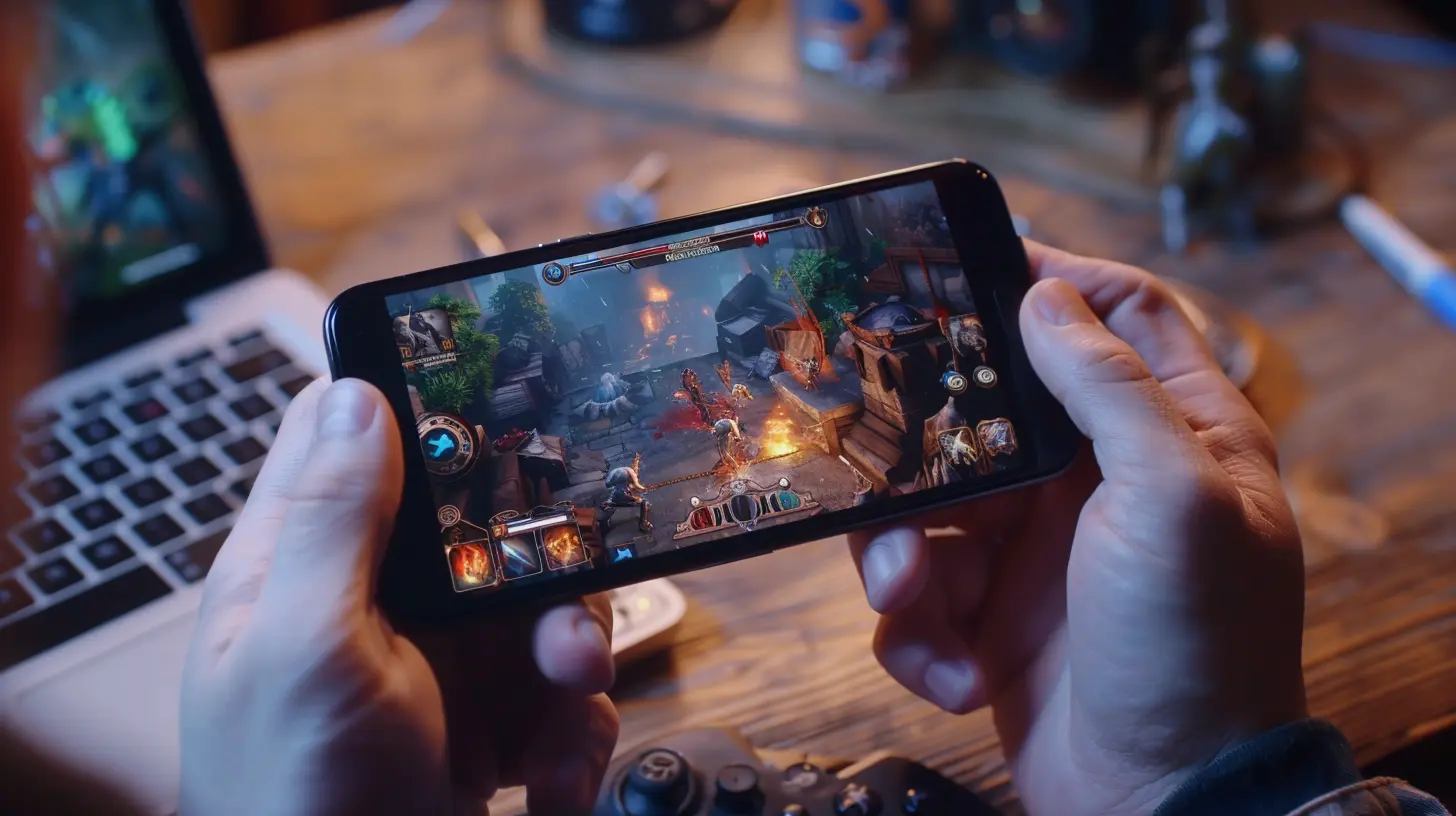
🎮 Game Engines Get a Mobile Makeover
You can’t talk about good graphics without giving a shoutout to game engines. And the coolest part? These engines have started tailoring themselves for mobile platforms.➡️ Unity and Unreal Engine Powerhouses
Games like PUBG Mobile, Fortnite, and Call of Duty: Mobile are perfect examples of how Unreal Engine’s mobile support can push mobile visuals to new limits. Unity is also stepping up its game. These engines allow developers to create 3D environments, lifelike characters, and breathtaking effects—all optimized for mobile.➡️ Visual Effects and Realism
Modern mobile game engines now support ambient occlusion, bloom lighting, dynamic shadows, and advanced particle systems. That’s why when you're running through a battlefield or exploring ancient temples in a mobile RPG, it looks and feels way more immersive than ever before.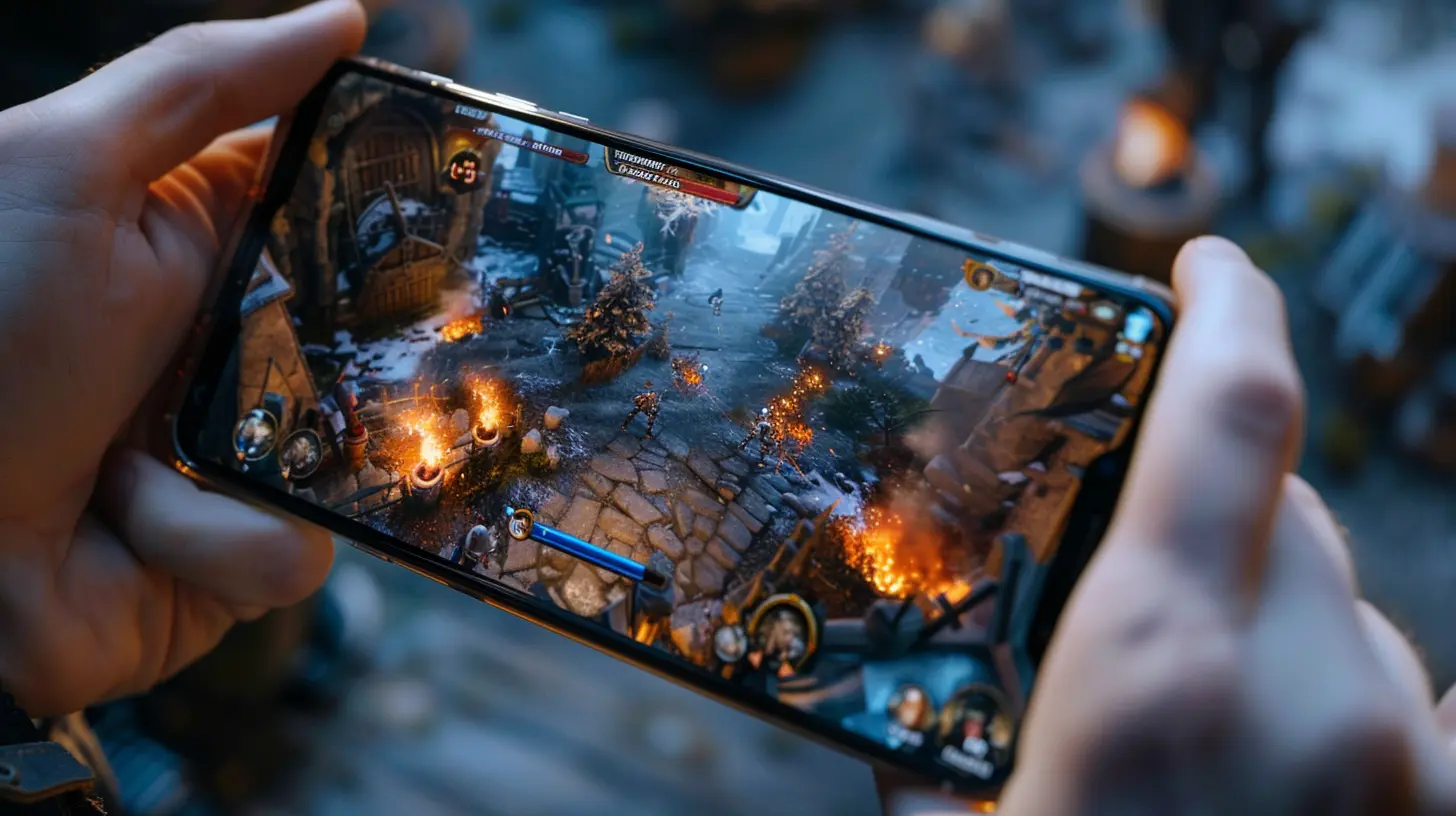
🌎 Art Direction & Creative Vision: More Than Just Raw Power
Okay, so we've got the hardware and the engines. But there's another unsung hero here: art direction.➡️ Stylized vs. Realistic: There’s Room for Both
Let’s face it, not every game needs to look hyper-realistic. Games like Monument Valley or Alto’s Odyssey use stylized graphics to deliver stunning visual experiences. On the flip side, Genshin Impact brings anime-style realism and particle effects that rival any console RPG.Game developers are now thinking mobile-first in their visual design, which means no shortcut graphics just to meet performance needs. Instead, they’re building games that are both beautiful and optimized.
💾 Storage Isn’t a Problem Anymore (Sort Of)
Remember when your phone started yelling “just 5% storage left” because you downloaded a single 500MB game? Yeah, that's still kind of a thing... but way less of a headache now.➡️ Cloud Storage and Game Streaming
With services like Xbox Cloud Gaming, NVIDIA GeForce NOW, and Google Stadia, you can stream high-fidelity games without eating up space. And with 5G internet and Wi-Fi 6, latency issues are becoming negligible.Streaming allows mobile users to access AAA-level visuals without downloading massive game files. Suddenly, your phone can play top-tier PC games with visuals turned on high, all through the cloud.
🔧 Developers Are Going All-In on Optimization
Mobile devices come in all shapes and specs. So how do developers ensure their game looks amazing on both a budget phone and a $1,500 gaming phone?➡️ Scalable Graphics Settings
Games now come with adjustable graphic settings, just like you’d expect on a PC. Want textures crisp enough to count the cracks on a brick wall? You got it. Or maybe your phone's battery is crying for help — drop it to medium or low settings and keep playing.This flexibility lets more people experience the visual magic without breaking their device (or their wallet).
🔍 Real-Time Rendering and AI-Powered Enhancements
This is where things get futuristic.➡️ Real-Time Lighting and Shadows
Thanks to real-time rendering, developers can create dynamic lighting systems that shift based on in-game conditions. Sunrise, sunset, torch-lit caves—it all looks fluid and natural.➡️ AI & Machine Learning are Stepping In
Ever heard of upscaling? AI tools can take a lower-res image and fill in the details to make it look high-res. It’s like giving your game a visual facelift without needing more horsepower. Mobile devs are now using AI-based enhancement tools to improve textures, animations, and even frame rates automatically.🎥 Cinematic Experiences on the Small Screen
There was a time when cutscenes in mobile games were either skippable or simply non-existent. Not anymore.➡️ High-Quality Cutscenes and Storytelling
Games like Arknights, Final Fantasy: Brave Exvius, and The Witcher: Monster Slayer blend gorgeous cinematic sequences with interactive gameplay. These scenes are filled with top-tier animation, voice acting, and camera movements you'd usually see in console titles.You’re getting Netflix-level production values in a mobile game. Wild, right?
🧠 The Psychology of Visuals: Why It Matters
Here’s something you might not think about—our brains love eye candy. The better a game looks, the deeper we get immersed in the experience.➡️ First Impressions Count
Think about it: You open up a game and the visuals smack you in the face (in a good way). That first wow moment can determine whether you keep playing or not. Everyone loves eye-catching visuals—it’s what draws people in at first glance.Even casual players are starting to expect more from their games. The bar has been raised, and developers are stepping up accordingly.
💵 Big Investors Means Big Budgets
Mobile games aren’t indie projects anymore (though we still love indie gems). Now, AAA studios are entering the mobile space with heavy bankrolls and sky-high production values.➡️ Mobile Is the Money Magnet
Let’s not forget, mobile gaming is the most profitable segment in gaming. With billions of users and insane daily engagement, it's not surprising that studios are willing to pump serious cash into making their mobile visuals shine.We’re talking multi-million dollar production budgets, dedicated art teams, and collaborations with Hollywood talent—just for mobile.
🚀 The Future: What’s Next for Mobile Game Visuals?
So, what’s waiting around the corner?➡️ AR & VR Integration
With tech like Apple Vision Pro and Meta Quest, mobile gaming could merge into augmented and virtual realities. Imagine catching Pokémon in your backyard in full 3D AR glory, or playing a horror game where the ghost appears beside your couch. Spooky, huh?➡️ Real-Time Ray Tracing on Mobile
It’s already starting to pop up—but as hardware continues to improve, ray tracing will become standard, allowing for near-photorealistic reflections, shadows, and environment lighting.👋 Final Thoughts: Mobile Is No Longer the Underdog
Let’s not sugarcoat it—mobile games were once treated like the little brother of gaming. A time passer. A way to kill time on the train. But now? They’re stepping out of the shadows, armed with stunning visuals, rich narratives, and immersive worlds.If you haven’t played a mobile game recently, you might want to give it another shot. You’ll be surprised at just how far they’ve come. Heck, you might even forget you’re playing on a phone.
all images in this post were generated using AI tools
Category:
Game GraphicsAuthor:

Pascal Jennings
Discussion
rate this article
2 comments
Sydney Bailey
Exciting evolution in mobile gaming visuals! Can't wait to see how innovation continues to shape the experience.
April 16, 2026 at 2:52 AM
Pascal Jennings
Thanks for your enthusiasm! The pace of innovation is definitely thrilling, and we're just scratching the surface of what's possible in mobile gaming visuals.
Bradley McIlwain
Great insights! It's fascinating to see how mobile games are evolving in visual quality.
April 13, 2026 at 3:56 PM
Pascal Jennings
Thank you! I'm glad you found the insights valuable. The evolution in visual quality is indeed exciting!