How Little Nightmares II Explores Cycles of Fear Through Its Ending
29 April 2026
Little Nightmares II isn’t just creepy vibes and grotesque monsters—it’s a haunting ride through a twisted world that pokes deep into the mind. Sure, it’s got the jump scares and the chilling environments we love in horror games, but the real genius? It’s in how the game's ending turns your gut inside out and leaves a lingering question: are we just running in circles?
Let’s talk about how Little Nightmares II dives head-first into the idea of fear looping endlessly. Because, honestly? The more you think about that ending, the more it messes with your head.
Setting The Tone: A World Built On Anxiety
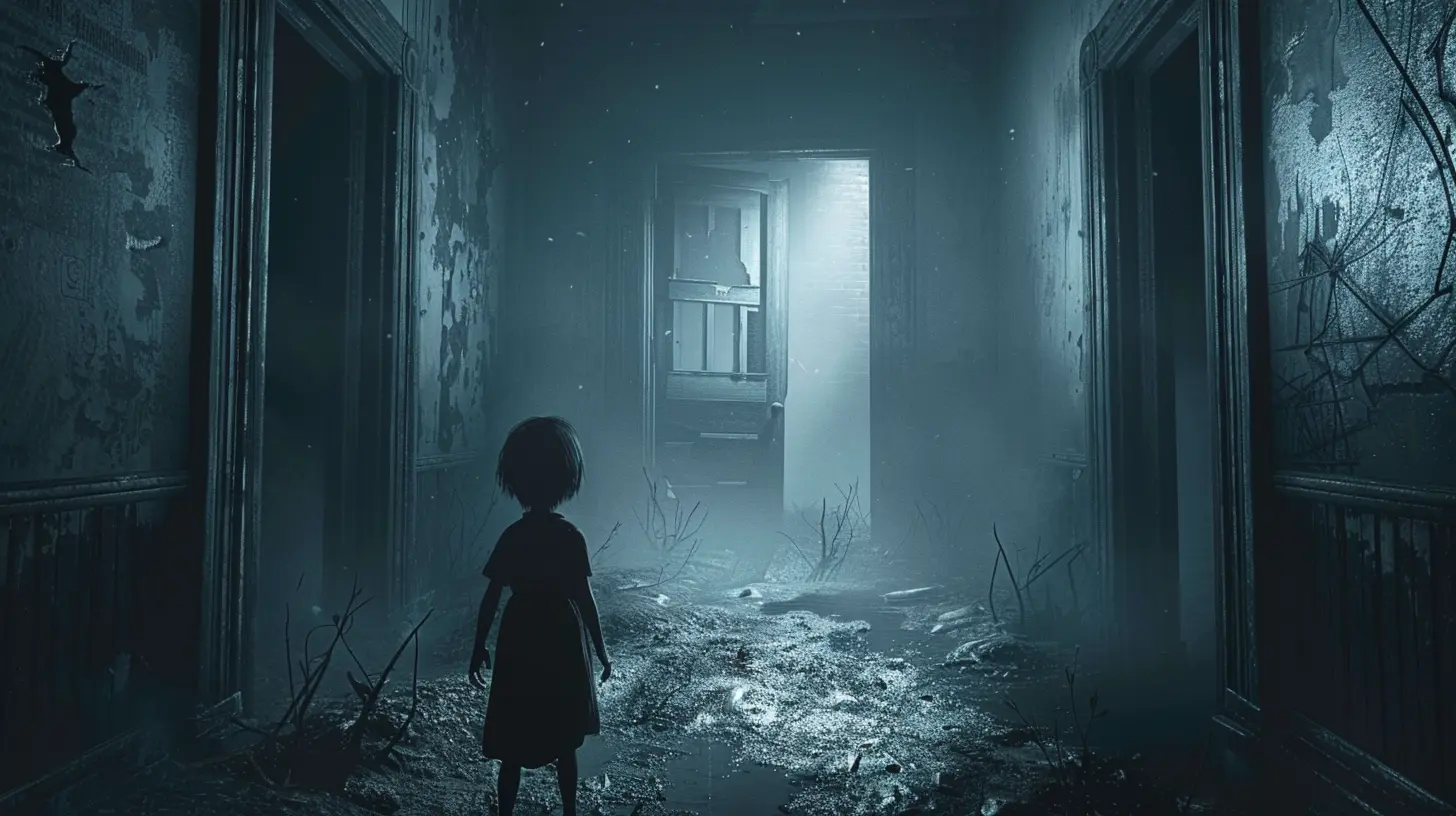
From the moment you take control of Mono, you’re already thrown into a place that feels wrong. The world is decaying, filled with distorted adults and televisions that seem to pull people into their hypnotic glow. Everything screams discomfort.But it goes deeper than just creepy. The game doesn't just want you to be afraid—it wants you trapped in fear. You’re constantly looking over your shoulder, listening for creaks, and bracing for the next horrifying figure. That tension? It’s intentional, and it sets up one massive theme: fear as a never-ending experience.
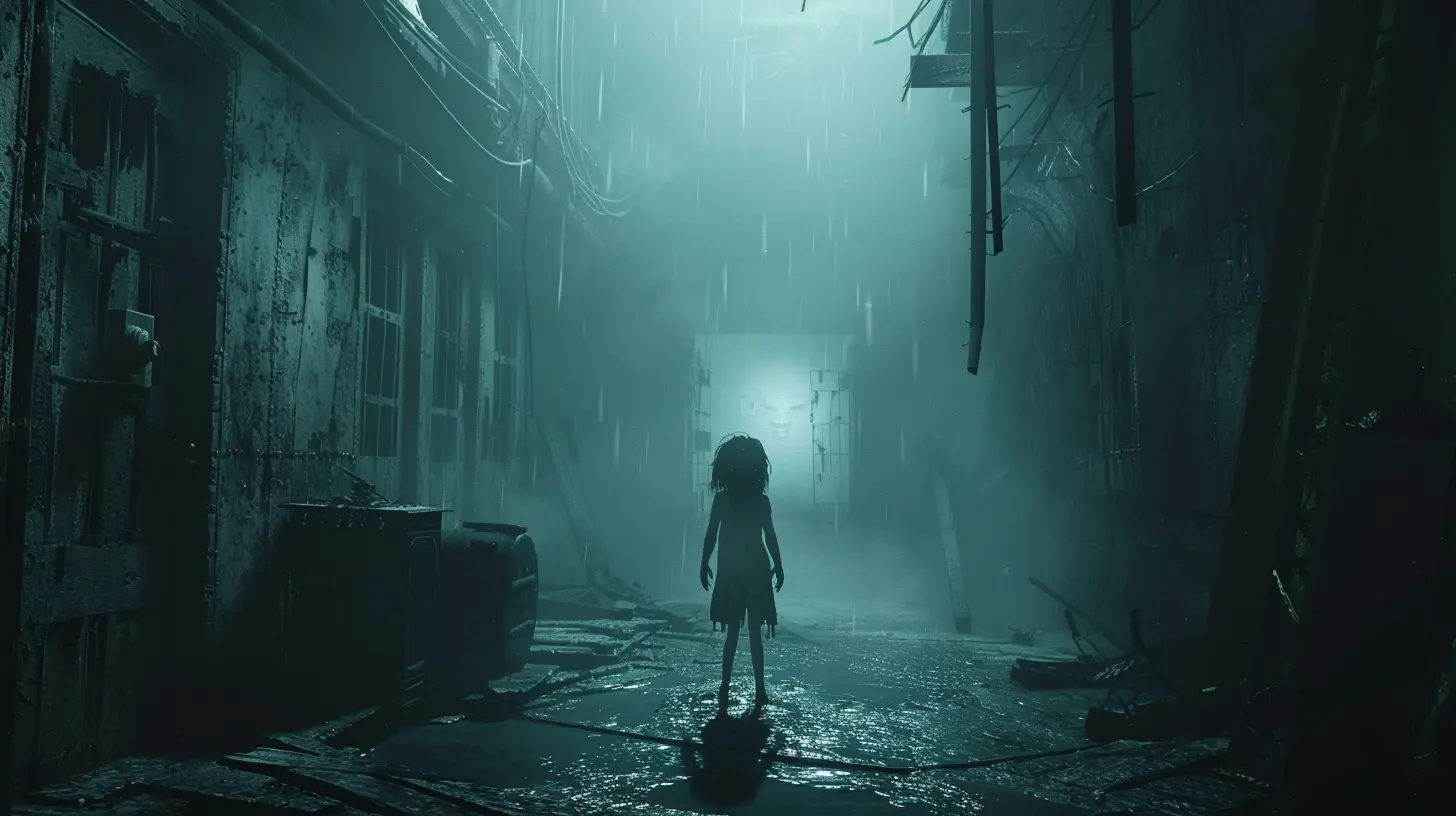
Mono and Six: A Connection Bound by Fear
Mono and Six aren’t your typical action duo. They’re quiet, emotionally bruised, and forced to survive together in a nightmare-scape. There’s a strange, wordless bond between them that makes you care even though they barely express anything. You cheer when they help each other, panic when they’re separated, and feel relief when they reunite.But it’s that very bond that holds a dark twist.
Throughout the game, Mono protects Six. He risks everything for her. But just when you think their connection is unbreakable… the ending hits like a freight train.
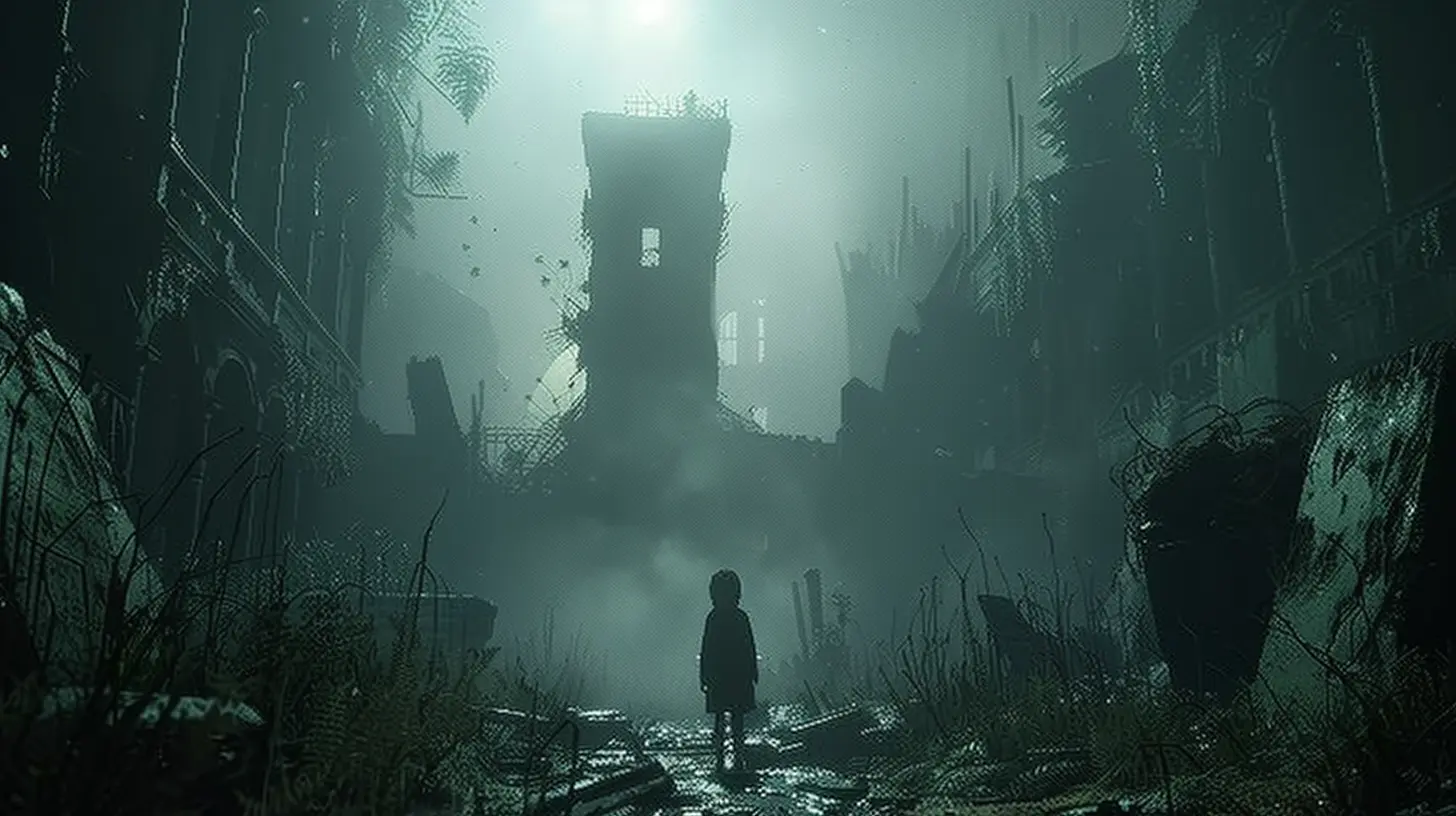
Spoiler Alert: The Ending We Can’t Stop Talking About
Alright, let’s rip off the band-aid: the ending is soul-crushing. After defeating the Thin Man and apparently saving Six, Mono reaches for her hand to escape.And she lets him fall.
That moment? It's not just a betrayal—it’s a loop-closing, mind-bending gut punch. Suddenly, everything feels different. What if this wasn't about escaping fear... but becoming it?
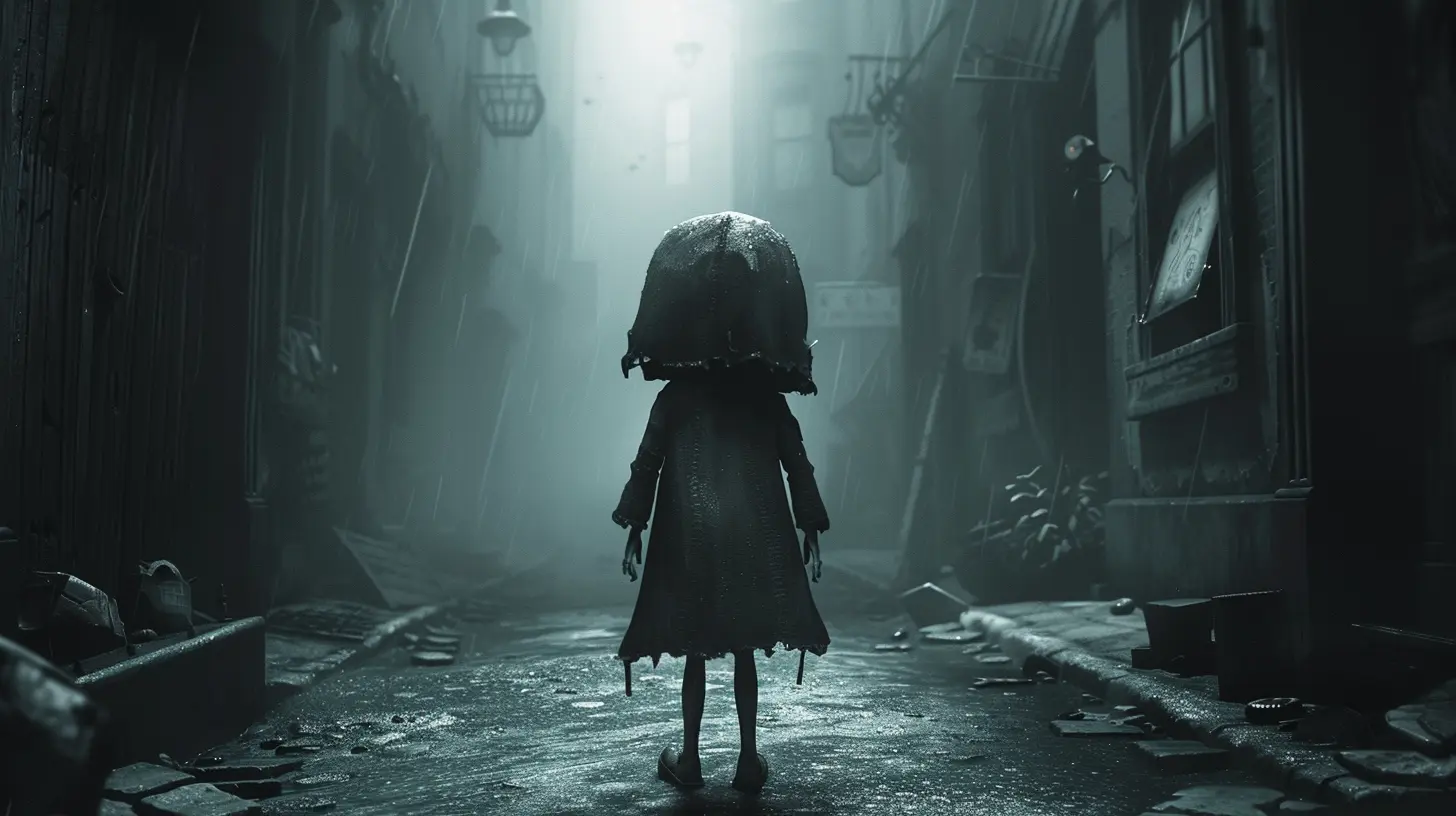
The Birth of Fear: Mono Becomes the Thin Man
As you fall into the pit, you don’t die. Instead, Mono sits. He waits. Time distorts. The world ages around him. Bit by bit, he transforms into something terrifying: the very Thin Man he fought so hard to defeat.That’s when the whole narrative folds in on itself. Mono wasn’t just running from monsters—he was running from becoming one.
And guess what? That’s exactly what happens.
It’s a tragic reveal. It suggests that the story was never linear. It was a cycle all along. A loop of fear, betrayal, and transformation. Mono, once the hero, becomes the villain. And the loop starts over.
A Cycle Set in Stone: Little Nightmares II as a Prequel
Yup, in case you missed it—Little Nightmares II is a prequel to the first game.Once you learn that, everything clicks. The horror isn’t just in the monsters or the environments—it’s in the realization that there’s no escape. Just endless repetition.
Six doesn’t save Mono because she's already been through this. She knows what he becomes. She knows the Thin Man is him. She’s reacting out of fear—and perhaps even survival instinct.
But that act of betrayal? It cracks something inside her. Some fans argue it's the moment she starts losing any part of her humanity—which leads to the cold, hungry Six we meet in Little Nightmares I.
Television and Fear: More Than Just Static
You probably noticed how important TVs are in this world. Kids are glued to them, adults are absorbed into them (literally), and Mono can teleport through them.Symbolically, TVs in Little Nightmares II represent more than technology—they’re vehicles for fear. They’re how fear spreads. They're how control is kept. The Thin Man uses them to move around and bend reality. It’s like fear using media as a conduit. Kind of hits close to home, doesn’t it?
When you think about real life… the news, social media, horror movies—we’re surrounded by screens projecting fear.
And in this world, there’s no turning it off.
Visual Storytelling: Fear Without Words
One of Little Nightmares II’s strongest points? It says so much without saying anything.No dialogue. No text. Just atmosphere, body language, and smart visual design.
Everything in the world is oversized, distorted, and threatening. Adults are literal monsters. Kids are either gone, brainwashed, or hiding. The environments—from the school to the signal tower—are shaped like physical manifestations of dread.
It’s not just about being scared—it’s about living scared.
Mono’s Tragic Journey: A Victim and a Villain
Mono’s transformation isn’t voluntary. That’s what adds so much weight to his arc.He's not evil. He starts out as a frightened boy trying to survive a world that preys on the vulnerable. But the betrayal by Six? It breaks him in a way that time can’t fix.
And what does that tell us? That fear begets more fear. One person’s trauma becomes the next person’s monster. Literally.
It’s a cycle of fear, passed down and reborn.
The Signal Tower: A Monument to Control
The Signal Tower plays a central role in all of this. It’s the source of the transmissions that hypnotize and control the citizens of this warped universe.But we never see the people behind it.
That mystery is important. It suggests that fear doesn’t always have a clear villain. Sometimes it's just there, built into the system, feeding itself. The tower is a metaphor for how fear can dominate society quietly, without resistance—until it’s all anyone knows.
And in this case? It’s all Mono and Six knew.
What The Ending Says About Fear
Let’s zoom out.The ending of Little Nightmares II tells us something profound: fear doesn't just exist. It cycles. It evolves. It creates the next version of itself through our reactions.
Mono becomes the Thin Man because of betrayal.
Six lets go because of trauma.
The tower stays standing because no one breaks the cycle.
It’s not just horror—it’s a commentary on how we process things like pain, failure, and fear itself. Sometimes, we carry those things around until we become the very thing we were afraid of.
That’s terrifying. And brilliant.
A Mirror to Real Life?
So here’s the big question—does this reflect real life?Absolutely.
Think about how people deal with trauma. How cycles of abuse pass through generations. How fear-based media shapes how we interact with the world. How power corrupts. How victims can become aggressors under the right (or wrong) conditions.
Little Nightmares II holds up a mirror and whispers, “This could be us.”
So, Is There Any Hope?
Honestly? It’s hard to say.The game doesn’t give us a happy ending. But it does give us awareness. That awareness is powerful.
Maybe the point isn’t to escape fear—but to recognize it. To break the cycle by making different choices. That’s something the characters in the game didn’t get to do… but maybe we can.
Final Thoughts
Little Nightmares II isn’t just a spooky platformer—it’s storytelling on a whole other level. By the time you finish it, you’re left questioning not only the characters' fates but also the world around them, and even yourself.The ending hits differently because it doesn’t just end the game—it redefines it. It forces you to rethink everything you saw, everything you felt, and everything you assumed.
It’s not about one monster. It’s not about one betrayal.
It’s about a cycle. One that feeds itself.
And unless we’re willing to confront it?
We’ll keep falling, just like Mono.
all images in this post were generated using AI tools
Category:
Game Endings ExplainedAuthor:

Pascal Jennings
Discussion
rate this article
2 comments
Megan Ortiz
The ending of Little Nightmares II truly captivates, deepening the themes of fear and repetition. It offers a haunting reflection on how trauma can persist over time.
May 19, 2026 at 4:12 AM
Pascal Jennings
I appreciate your insight. The ending really does encapsulate the haunting nature of trauma and the relentless cycles of fear. It's a powerful conclusion that leaves a lasting impression.
Deborah Walker
Great insights on fear's impact in Little Nightmares II!
May 3, 2026 at 3:31 PM
Pascal Jennings
Thank you! I'm glad you found the insights engaging. Little Nightmares II truly does a remarkable job of illustrating the complexities of fear.