How Graphics Shape First Impressions of a Game
23 May 2026
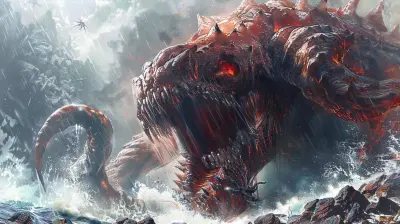
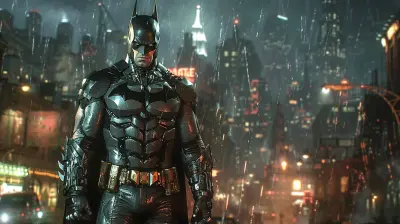
Let’s be honest here—when you’re launching a game for the first time, what hits you right in the face? The graphics. Boom. Before the storyline unfolds, before the soundtrack kicks in, and way before you even figure out the controls, the visuals are already whispering (or yelling) something about the game’s world, its tone, and its quality.
But why do graphics pack such a punch when it comes to first impressions? Are they just a shiny coat of paint or something deeper? Let’s dive in and break this down.
The Instant Visual Hook
Ever judged a book by its cover? Of course, you have. We all do it—it's human nature. Well, gamers do the same with graphics. The first few seconds of visual exposure—whether it's a trailer, screenshots, or in-game footage—can be deal-makers or breakers.Love at First Sight
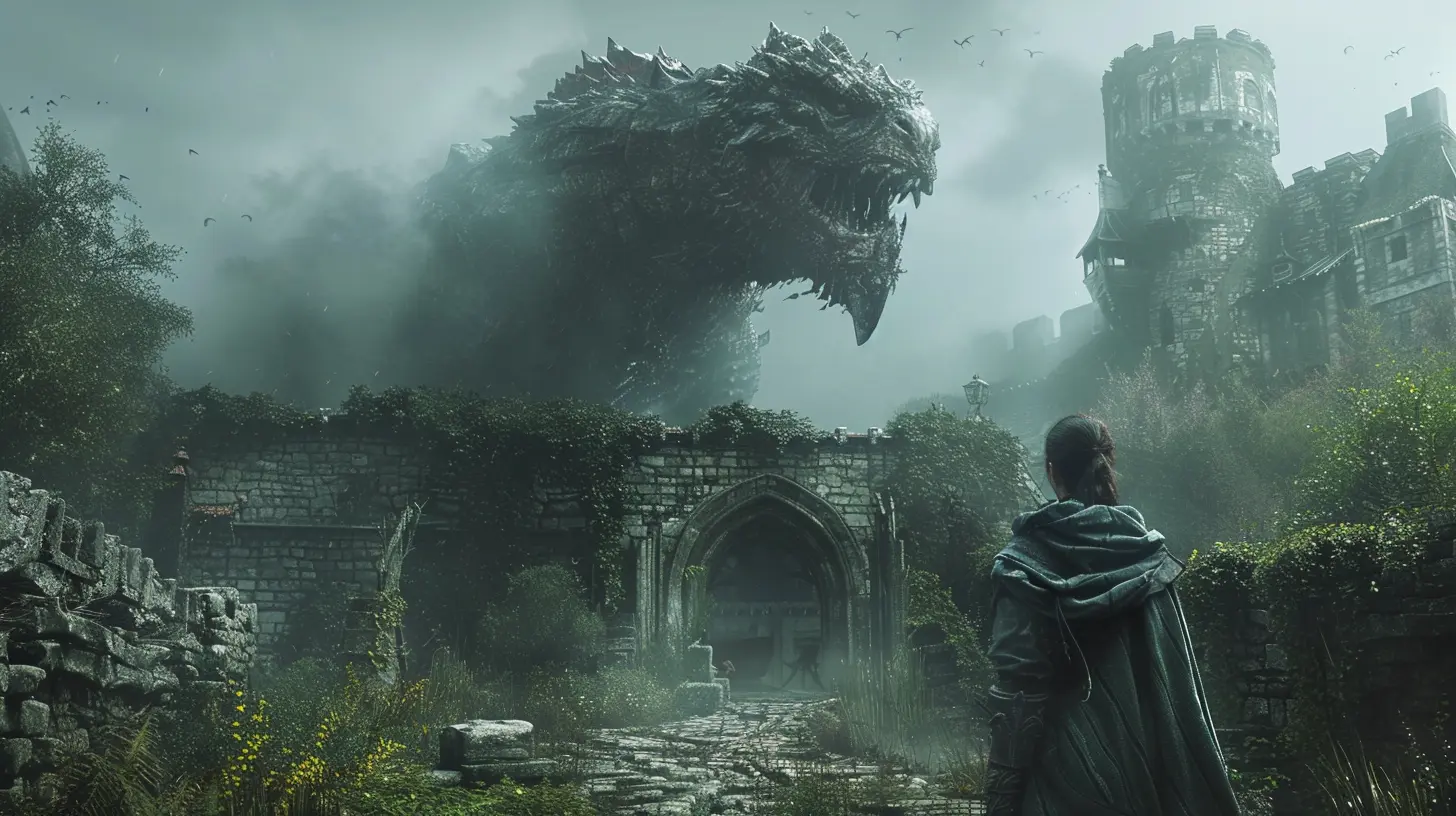
Your brain is wired to respond to visuals instantly. A stunning scene, smooth animations, or a beautifully crafted character design can grab your attention like a bright neon sign. You haven’t even touched the game yet, but you’re already forming opinions.And let’s not forget the ‘wow’ factor. Games like Horizon Zero Dawn or Red Dead Redemption 2? You see them, and it's love at first sight. The realism, the lighting, the fog rolling over the forest floor—it sets a mood, an expectation.
The Trailer Test
Think about game trailers. When a new game drops a teaser, people go nuts dissecting every pixel. “Did you see the water physics?” “Oh man, look at those shadows!” It’s not just hype—it’s how people gauge a game’s potential. High-end visuals set the tone and generate excitement. It’s like a movie trailer but interactive. If it looks good, people assume it plays good, too.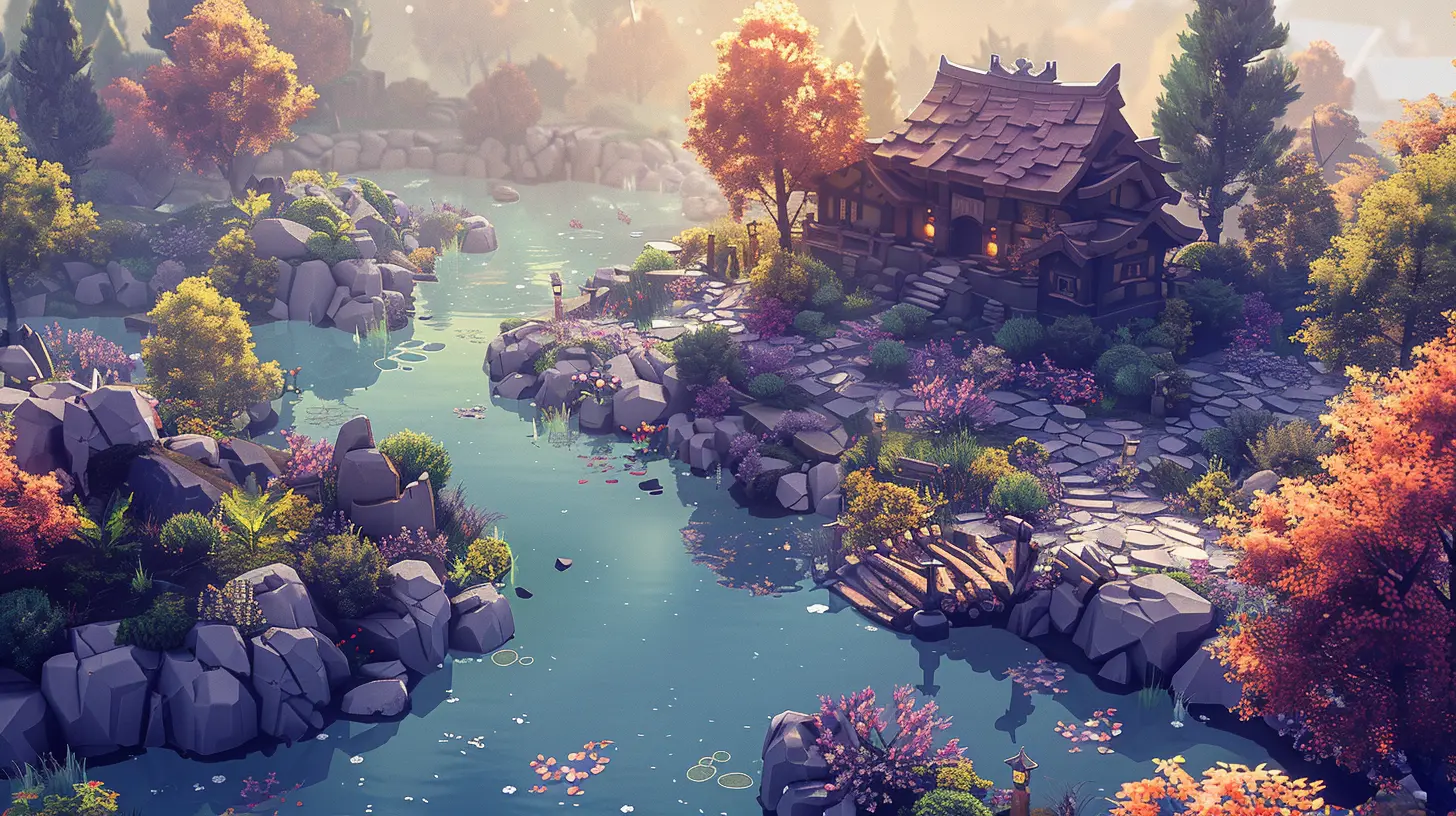
Setting the Tone with Style
Graphics aren’t just about realism or resolution. They’re about vibe. A game’s art style can clue us into what kind of experience we’re in for.Realism vs. Stylized
Some games aim for hyper-realism—think Call of Duty, The Last of Us, or Battlefield. These games pull you into a world that mirrors our own, creating emotional depth and immersion. You squint at the details because everything feels so tangible.Then you’ve got stylized games like Breath of the Wild or Hades. These games don’t need realism to impress. Their charm comes from bold color palettes, exaggerated expressions, and creative design choices. Stylized graphics can even age better because they’re not chasing cutting-edge tech.
Either way, the graphic style gives a first impression of the game’s personality. Is it dark and moody? Light and fun? Gritty or whimsical? That’s communicated visually, often in the first frame.
Color Psychology in Games
Ever noticed how horror games tend to use muted tones and heavy shadows? That’s no accident. Colors influence emotions. Red means danger or intensity. Blue might signal calm or mystery. Developers use this toolkit to steer your emotional expectations from the get-go.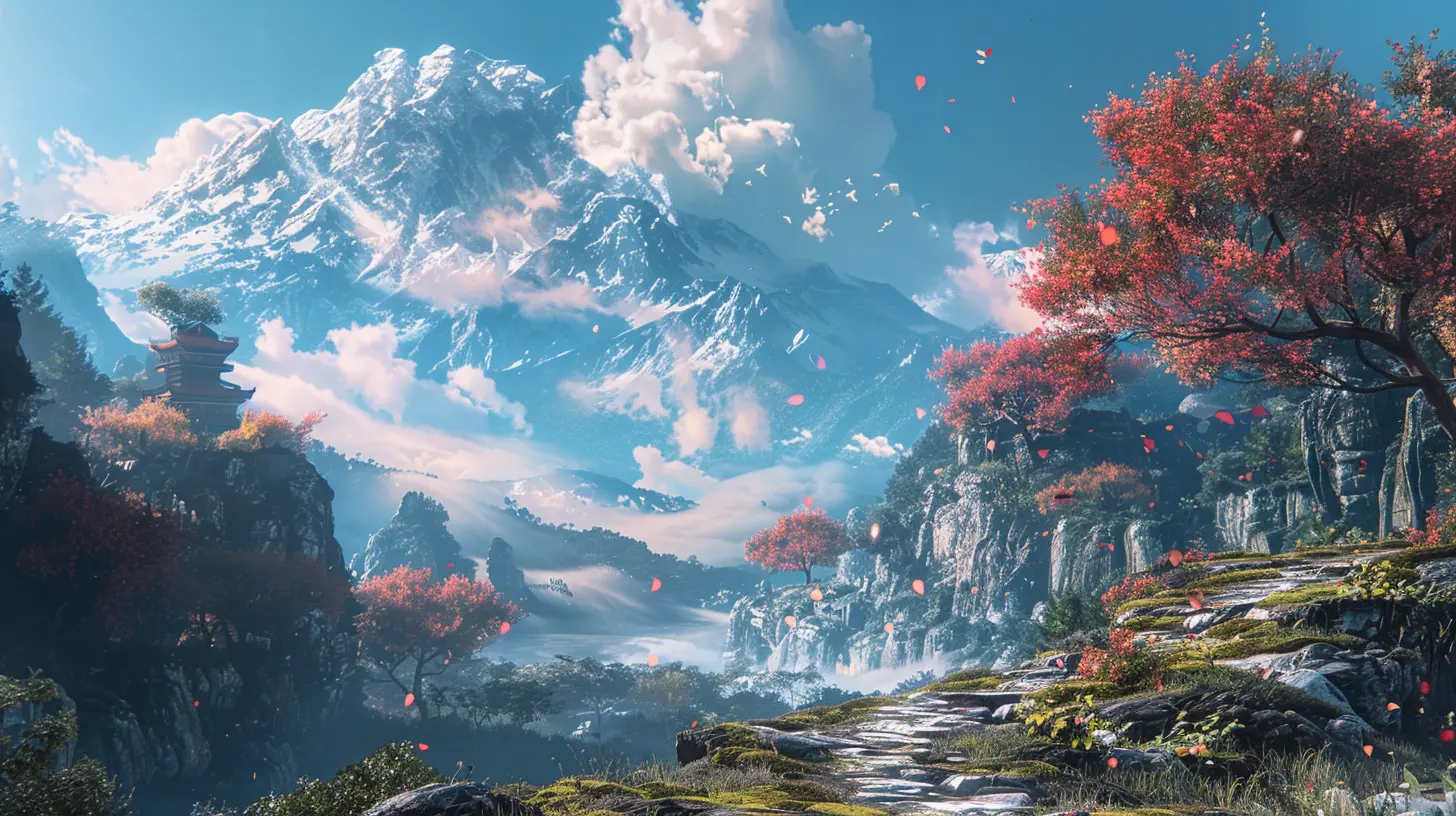
Graphics Influence Perceived Quality
Alright, let’s get into the nitty-gritty. Graphics don't just look nice. They shape how you think the game will perform.The “High Graphics = High Budget” Illusion
Whether it’s true or not, most people associate high-quality graphics with a well-funded, well-made game. Flashy graphics can make a mediocre game look expensive. On the flip side, poor visuals might unfairly make you think the game isn’t worth your time.It’s like walking into a fancy restaurant versus a fast-food joint. Presentation matters, even if the food (or gameplay) is actually better in the less flashy place.
First Impressions Can Be Misleading
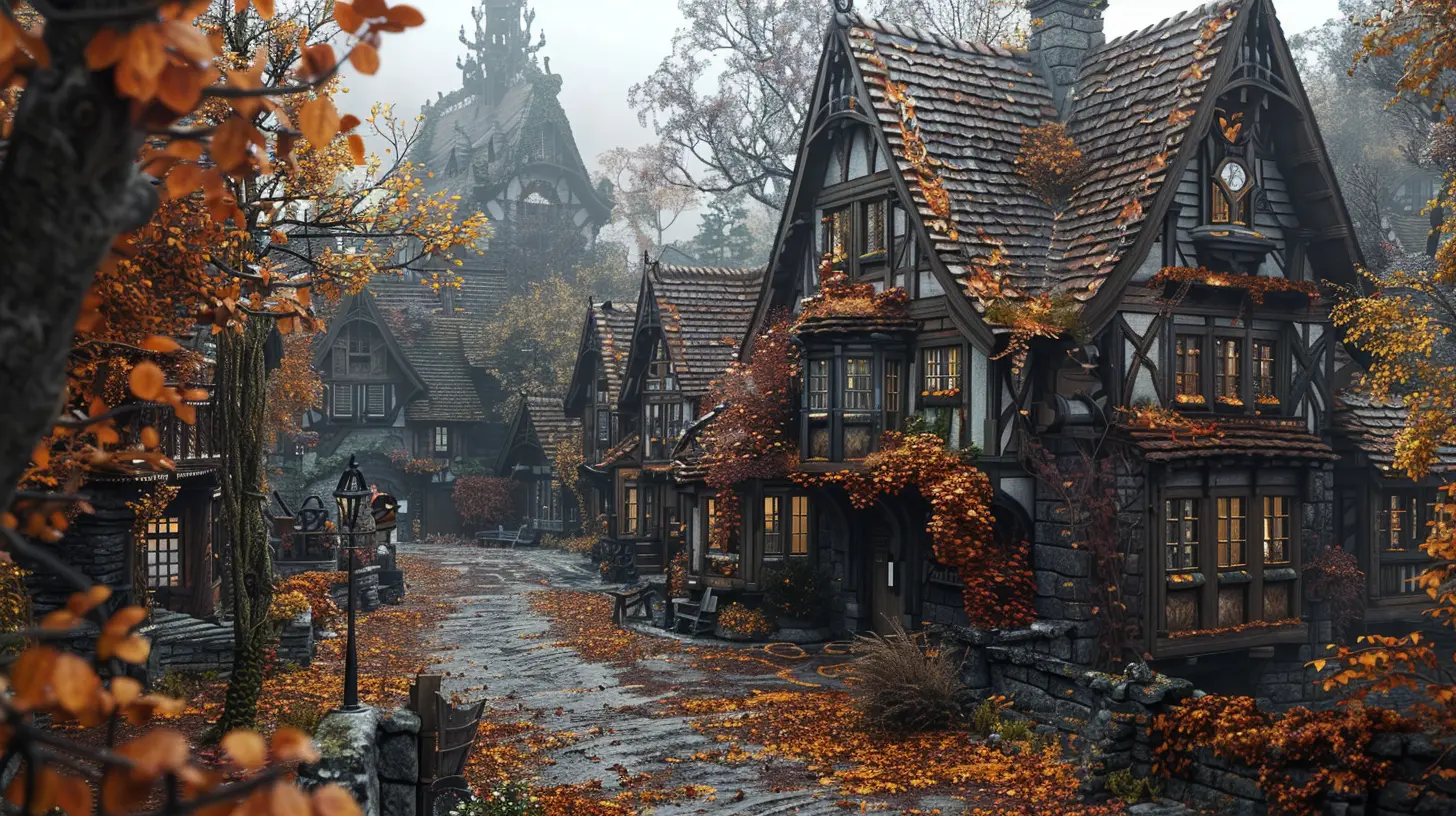
Yeah, graphics matter—but they can also lie. A beautiful game might be shallow in gameplay. We’ve all been catfished by a game trailer that looked amazing but played like a soggy cardboard box.Still, those initial visuals play a major role. And once that impression settles in, it's hard to shake. Even if the game improves over time, people remember how it “looked” at launch.
Art Direction vs. Raw Power
Let’s clear something up—powerful graphics don’t always equal good graphics. There’s more to it than just 4K textures and ray tracing.The Power of Cohesive Art Direction
Games like Cuphead or Hollow Knight aren’t flexing technical muscle, but they’re visually stunning because of their art direction. Every element is designed to fit the game’s tone, story, and vibe. That’s the magic.It’s like fashion. You don’t need designer clothes if your outfit has style and fits like a dream. The same applies to game visuals.
Indie Games and Creative Freedom
Ironically, some of the most memorable visual experiences come from indie games with limited resources. Why? Because constraints breed creativity. Games like Limbo, Undertale, or Celeste prove that with a strong artistic vision, you don’t need blockbuster budgets to make a killer first impression.Graphics and Emotional Engagement
Graphics do a whole lot more than just look pretty—they help you feel. From the character’s facial expressions to the lighting in a quiet forest, visuals set the emotional tone.Visual Storytelling
Without saying a word, a game can tell a story through its environment. Abandoned buildings, flickering lights, torn posters—they all paint a picture. Visual storytelling is a huge part of first impressions.Even before you meet a single NPC or read a line of dialogue, you already feel something. That’s the power of graphics.
Characters You Can Connect With
Facial animations and body language go a long way. When a character cringes, smiles, or tears up, you feel it—if it’s done right. Games like The Witcher 3 or God of War use graphics to build emotional bridges between players and characters.When you see real emotion reflected in pixel form, it’s easier to buy into the story. And once you’re emotionally invested, the game has you hooked.
Graphics as a Marketing Weapon
Let’s not kid ourselves—graphics are one of the biggest weapons in a game’s marketing arsenal. Eye-catching visuals are what get players interested in the first place.Scroll-Stopping Screenshots
Think about how you scroll through your social feed. What makes you stop? A jaw-dropping screenshot. Graphics are often the first thing a potential player sees before they even know what the game is about.Teasers, thumbnails, banners—all rely on the game’s visuals to draw you in. If the graphics slap, the clicks follow.
Visuals Sell the Fantasy
Part of a game’s appeal is escapism. You want to be somewhere else, doing something epic. Graphics help sell that fantasy. Whether it’s flying over alien worlds or surviving a post-apocalyptic wasteland, the visuals are your first taste of that new reality.The Flip Side: When Graphics Overpromise
Let’s be real—it’s not all sunshine and photorealistic roses. Sometimes, amazing graphics create unrealistic expectations.The Classic "Graphics Trap"
High visuals can raise anticipation so much that other parts of the game—like mechanics or story—come off as disappointing if they don’t match the visual hype. That’s the risk of leaning too hard on graphics.Ever been hyped for a game because of a trailer, only to be let down by the gameplay? Yeah, us too.
The Importance of Balance
A well-rounded game needs more than good looks. Graphics should complement gameplay, not compensate for it. The magic happens when everything blends seamlessly—kind of like a band where everyone’s in sync rather than just the lead singer hogging the spotlight.
Final Thoughts: Looks Matter, But They Aren’t Everything
So, how do graphics shape first impressions of a game? In a big way. They’re the handshake before the conversation, the book cover before the story, the appetizer before the main course.They grab attention, set the tone, influence emotions, and often determine whether someone will give the game a chance. But, just like any first impression, they don’t tell the whole story.
Great graphics can pull you in, but it’s the gameplay, story, and experience that make you stay. And sometimes, a game doesn’t need ultra-HD visuals to make a lasting impression—it just needs heart, vision, and style.
Next time you boot up a game, take a second to think about what you're seeing. Chances are, those opening visuals are telling you more than you realize.
all images in this post were generated using AI tools
Category:
Game GraphicsAuthor:

Pascal Jennings
Discussion
rate this article
2 comments
Nymira Brown
Visuals spark dreams, ignite journeys.
June 23, 2026 at 3:03 AM
Pascal Jennings
Absolutely! Visuals are powerful tools that can transport players and set the tone for their experiences.
Kassandra Price
What about gameplay impact?
May 24, 2026 at 2:46 PM