How Gaming Leagues Are Redefining Competitive Esports
25 February 2026
Welcome to the world of pixels, passion, and power plays — where gaming leagues are no longer just a footnote in the esports narrative but are becoming the headline. If you've been keeping an eye on competitive gaming, you've probably noticed something huge is happening. Esports isn’t just a hobby for basement enthusiasts anymore… it's transforming into a global phenomenon, and a lot of that has to do with the rise of structured gaming leagues.
But how exactly are gaming leagues shaking things up? What makes them so influential in the esports ecosystem? And what does this mean for players, fans, and the future of competitive gaming?
Let’s dive in and see how gaming leagues are flipping the script on what it means to compete in the digital arena.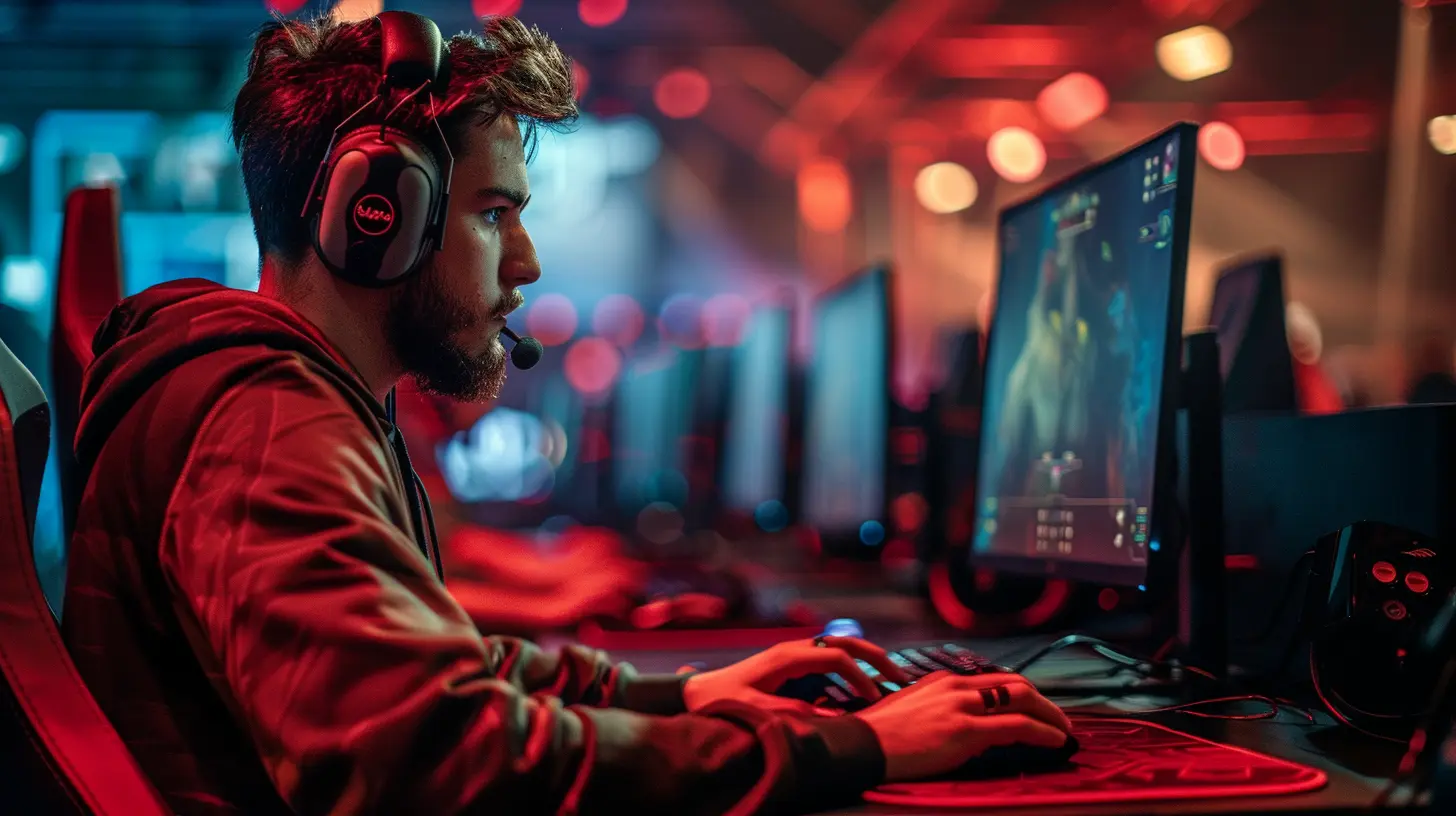
The Rise of Gaming Leagues in Esports
Let’s rewind a bit. Not long ago, esports tournaments were mostly scattered events — one-off competitions with big prizes but not much consistency. It was kind of like street basketball compared to the NBA. Sure, the talent was there, but the structure wasn’t.Then came gaming leagues — organized, seasonal, team-based (or sometimes individual), and complete with rules, schedules, and consistent viewership. Suddenly, esports had its own version of the NFL or the Premier League. And that’s when things really started to shift.
From Chaos to Consistency
One of the first big wins of gaming leagues? Structure. Players aren’t spending their lives hopping from random tournament to tournament anymore. Leagues provide stable seasons, regular matches, and a clear path to championships. This makes a huge difference not only for teams but also for sponsors, organizers, and — most importantly — fans.You know when the matches are. You know who’s playing. You know what’s at stake. It’s no longer a frantic scramble; it’s a professional, predictable sport.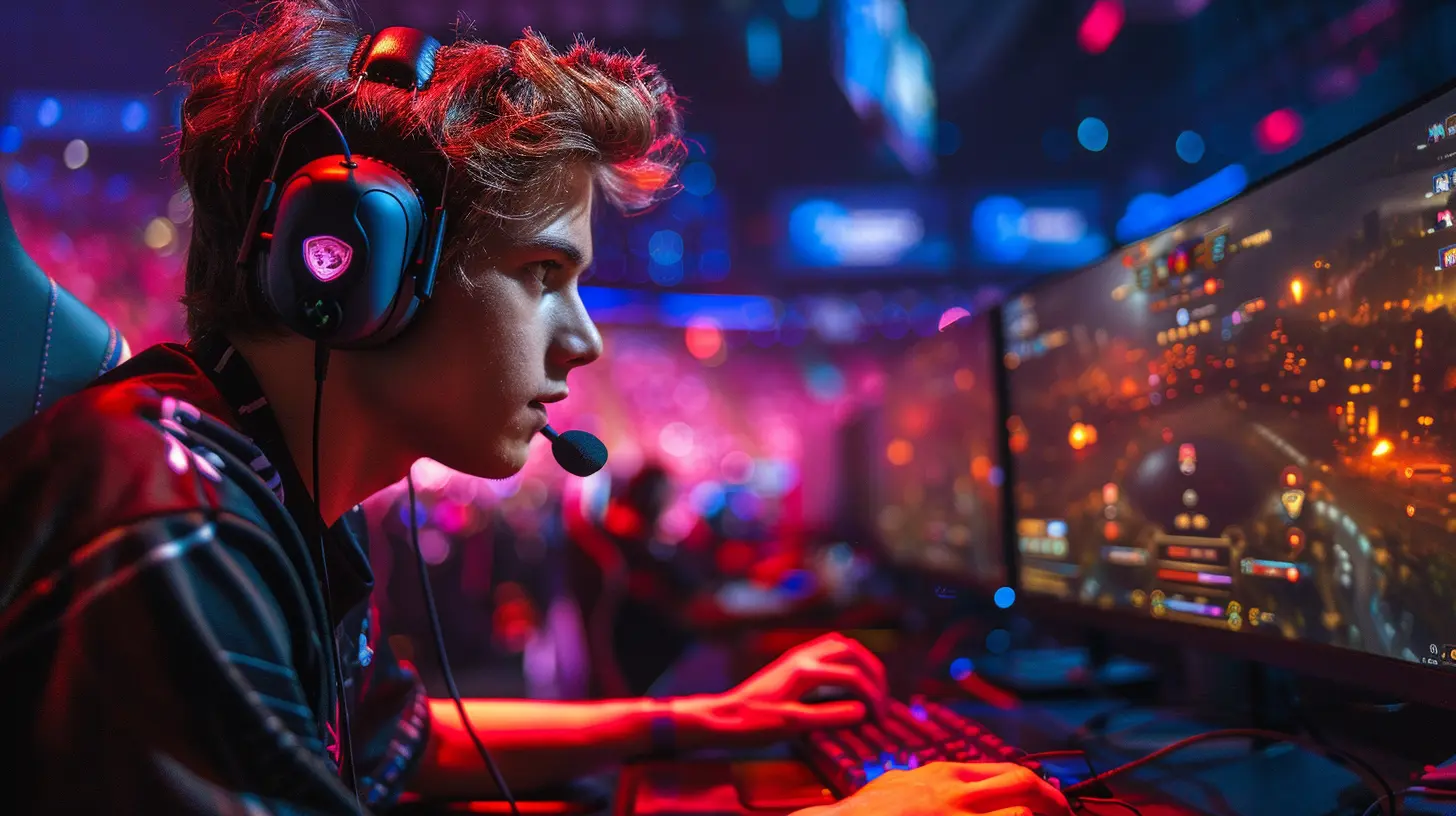
Creating True Esports Identities
Another way gaming leagues are redefining competitive esports? Branding. Leagues give teams the space and time to establish an identity. We're now seeing esports organizations building legacies, developing rivalries, and creating loyal fanbases — just like traditional sports.Think of teams like T1, FaZe Clan, or G2 Esports. These names carry weight, not just because of who’s playing for them now, but because of the stories built through league competition.
Storytelling That Hooks You
There’s something magical about following a team’s journey throughout a season. You see their highs, their lows, their comebacks… it’s like binge-watching a Netflix series, but live and unscripted. Gaming leagues tap into that drama and emotion and serve it to fans week after week.Let’s be real — we don’t just watch to see who wins. We watch to feel something. And leagues are crafting these emotional connections better than ever.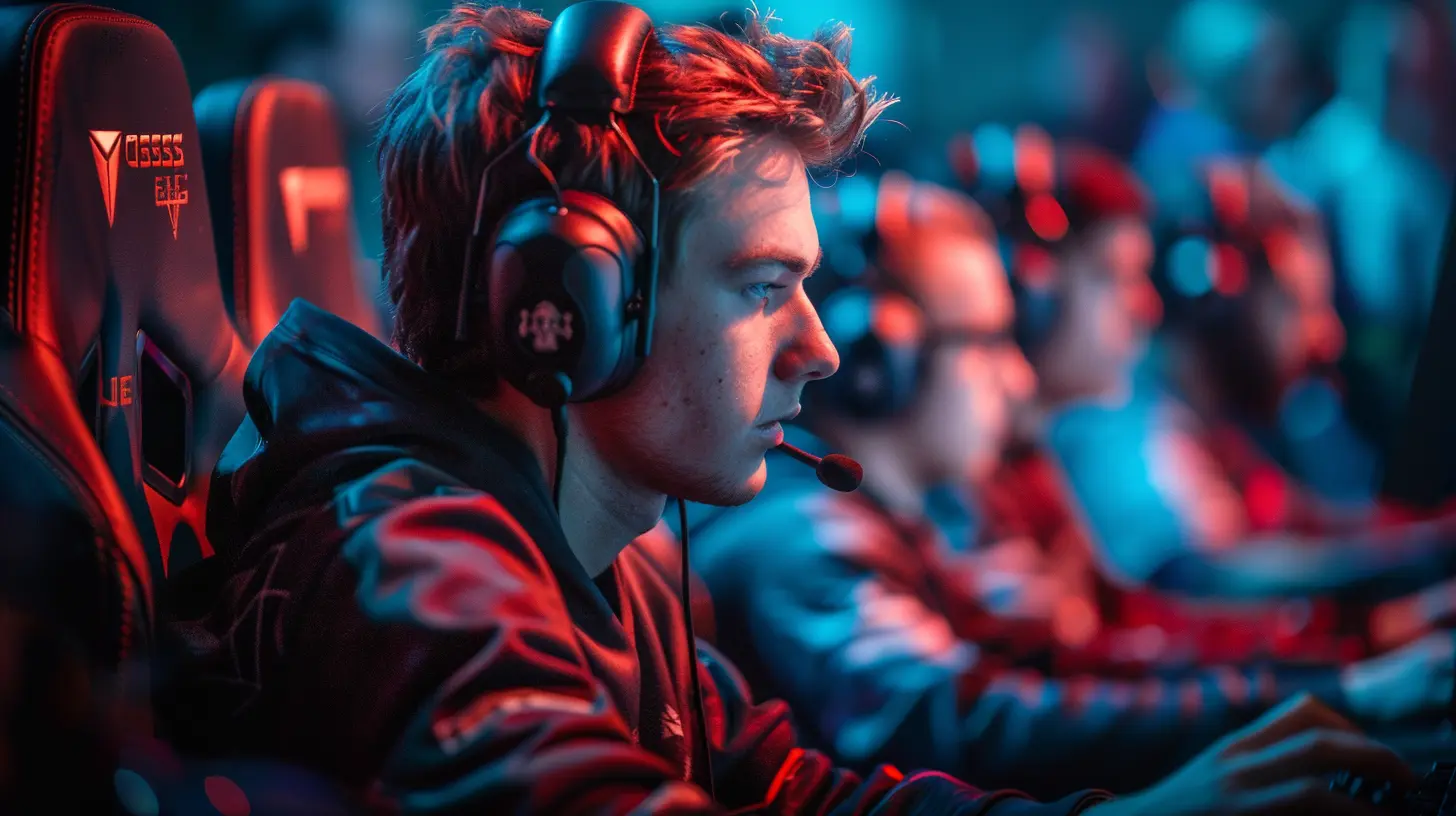
A Real Career Path for Players
Here’s where things get real — gaming leagues are helping turn esports into a legit career choice. For years, many gamers were told, “Playing games will never take you anywhere.” Fast forward to today? Pro players earn salaries, sign brand deals, get drafted into teams, and even land shoe deals (no, seriously).Salaries, Contracts, and Player Rights
Thanks to gaming leagues, professional players now have contracts, healthcare, and unions in some regions. It's not just about prize money anymore. Players are treated as athletes, and that’s a game-changer.Leagues provide the structure that makes this possible. It’s hard to justify paying someone a full salary for showing up to five tournaments a year. But a season with weekly matches, training schedules, and media obligations? That’s a full-time gig.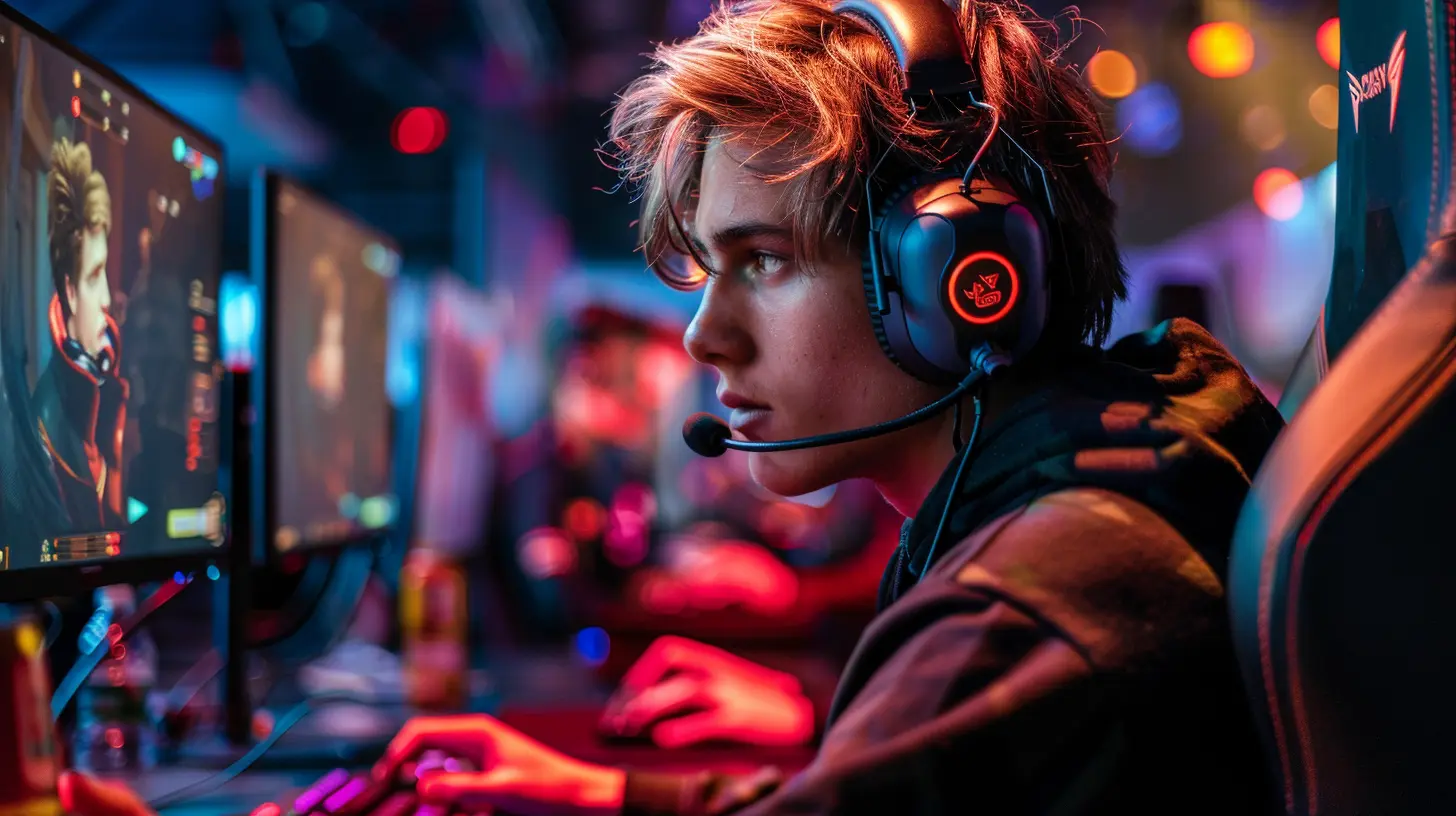
Fan Engagement on Another Level
You’ve probably noticed how passionate esports fans are. If not — spend five minutes on Twitter after a close match and you’ll see. Gaming leagues fuel that passion with consistency, community, and content.Weekly Matches = Regular Hype
When you know your favorite team is playing every Friday night, it becomes a tradition. Leagues turn casual viewers into die-hard fans. They give you something to rally behind, week after week.Plus, weekly broadcast schedules — often streamed on platforms like Twitch and YouTube — mean fans can plan around it. It’s not just “catch it if you can”; it’s part of the weekly routine. And that predictability builds loyalty.
Social Media + Memes = Engaged Fandoms
Let’s not forget how leagues have tapped into meme culture, fan art, and social media banter. Gamers were already internet-savvy — now we’ve got entire ecosystems where fans post reactions, debate plays, and write fanfiction about their favorite players. Sound intense? That's the new wave of sports fandom.Localizing and Globalizing at the Same Time
One of the most unexpected (and genius) moves by gaming leagues? Localization. Leagues like the Overwatch League introduced city-based teams, mirroring traditional sports. Now we’ve got fans cheering for the Houston Outlaws or the Shanghai Dragons.Regional Pride in a Global Game
Having a local team to support makes esports more personal. It bridges the gap between the digital and the physical world. You might never meet your favorite player from South Korea — but you can go to your local arena, rock your city’s jersey, and yell your lungs out with fellow fans.At the same time, because it's all online, leagues maintain a global audience. A teenager in Brazil can root for a team in Paris. That’s the power of esports — it tears down borders while letting you represent your hometown.
Leveling Up the Production Value
Let’s talk about the glow-up. Gaming league productions are nothing short of Hollywood-level nowadays. We’re talking hype reels, multi-camera setups, live commentary, player interviews, and even post-match analysis. You know, like ESPN — but cooler.Esports Are TV-Ready (Even if TV Isn’t Ready for Esports)
With polished broadcasts and cinematic storytelling, gaming leagues are redefining what esports can look like. The days of blurry streams and janky audio are gone. Casters are charismatic. Analysts break down plays like chess moves. Every match feels like an event.This kind of production doesn’t just impress fans — it attracts sponsors, investors, and mainstream media. Slowly but surely, esports is making its way into living rooms and coffee shops around the globe.
Diversity and Inclusion Are Finally Gaining Ground
Let’s address something important — gaming has had its struggles with inclusion. But leagues are starting to actively change that. From all-women tournaments to openly LGBTQ+ players getting their shine, the landscape is diversifying.Representation Matters
Gaming is for everyone. And leagues are doing their part to ensure the competitive scene reflects that. It’s not perfect yet — but things are moving in the right direction.More representation means more people feel seen. And when players and fans see people like them on the big stage, it inspires them to be part of the game too.
Opportunities Beyond Playing
Not everyone wants to be a pro player — and that’s okay. Gaming leagues have created a whole universe of roles around them. Shoutcasters, analysts, coaches, team managers, content creators, social media strategists… the list goes on.Esports Careers You Didn’t Think Existed
Want to be the voice that hypes up a final round? Become a caster. Love organizing events? Work league ops. Obsessed with TikTok trends? Teams need social managers too.Gaming leagues are building an industry, not just a player base. There’s room for everyone — and that’s revolutionary.
What This Means for the Future of Esports
So, where is all this going? If we’re being honest — the sky’s the limit. Gaming leagues are turning esports into a lifestyle, a culture, and a full-blown industry. And we’re only getting started.Imagine real home stadiums for every team. More city-based rivalries. Documentary series following teams backstage. Esports in the Olympics (yes, it’s already being trialed). It’s all on the table now.
Final Thoughts
Gaming leagues have done more than organize competition. They’ve redefined it. They’ve taken the raw talent and passion at the heart of esports and given it a platform to thrive — professionally, emotionally, and culturally.Whether you’re a casual gamer, a superfan, or someone dreaming of joining the esports world, one thing’s clear: Competitive gaming will never be the same again.
And honestly? That’s a good thing.
all images in this post were generated using AI tools
Category:
Gaming LeaguesAuthor:

Pascal Jennings
Discussion
rate this article
2 comments
Ashley Rosales
It’s inspiring to see gaming leagues create inclusive spaces for players, fostering community and passion in the ever-evolving world of esports.
March 3, 2026 at 5:41 AM
Pascal Jennings
Thank you! It's encouraging to witness how gaming leagues prioritize inclusivity, as it truly enhances community engagement and passion in esports.
Nina McElroy
Great insights! It's fascinating to see how gaming leagues are shaping the future of competitive esports, fostering community engagement and providing new opportunities for players.
February 27, 2026 at 5:37 AM
Pascal Jennings
Thank you! I’m glad you found the insights valuable. Gaming leagues indeed play a crucial role in the evolution of esports and community building.