How Games Use Camera Angles for Visual Impact
23 July 2026
If you've ever felt your heart pound during a chase scene in a video game or sat slack-jawed during a sweeping cinematic moment, you’ve most likely already been affected by the magic of camera angles. Ever think about how that happens? No, it’s not just fancy graphics or bombastic soundtracks—camera angles are doing a lot of the storytelling heavy lifting.
From creating tension and drama to helping you feel like a total boss, camera angles in games aren’t just important... they’re essential. Let’s take a curious deep dive into how games use camera angles for visual impact and why that’s such a big deal. 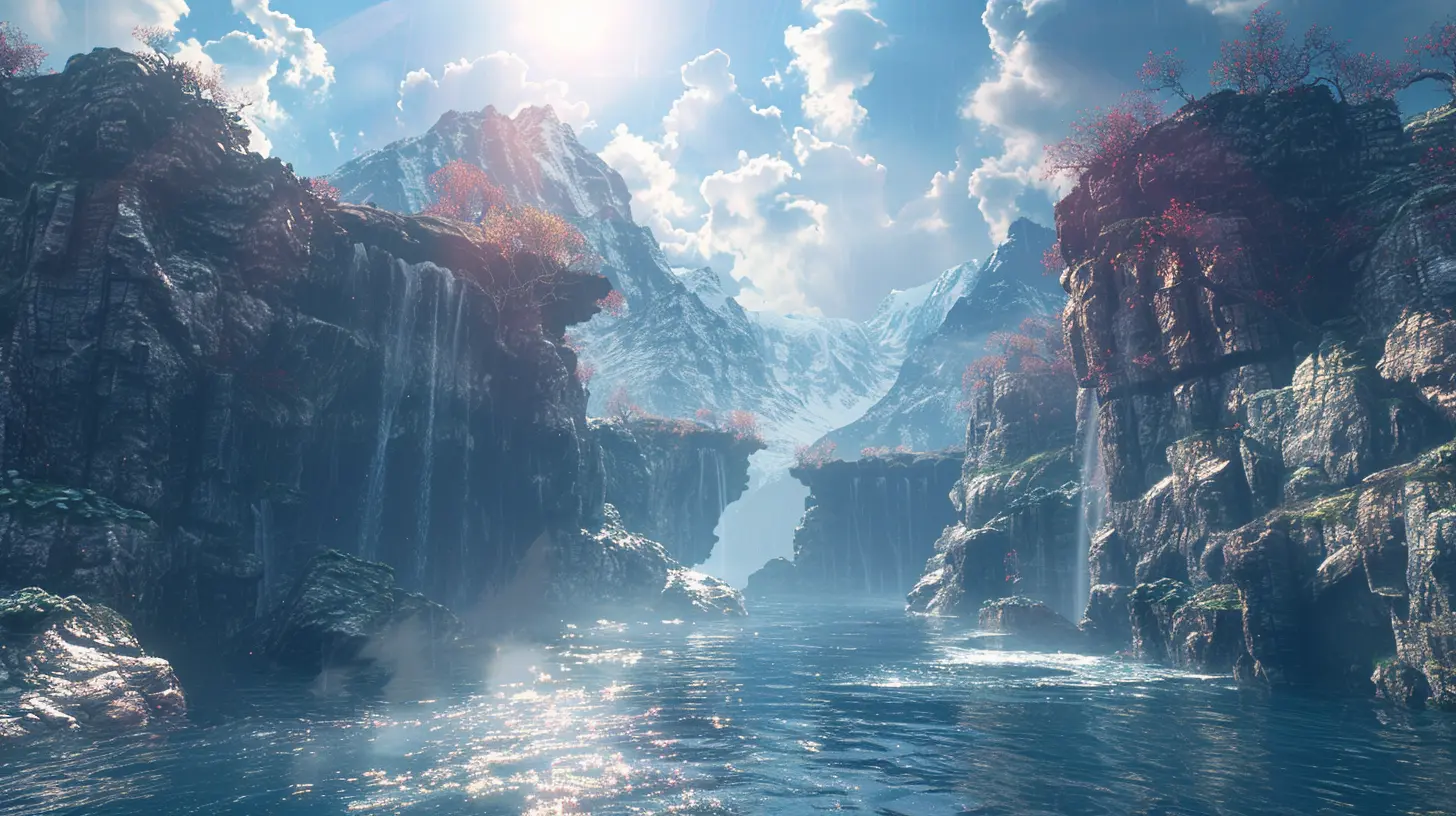
? What’s the Big Deal About Camera Angles in Games?
So, here’s the thing—camera angles in games are basically your eyes. Unlike movies, where the camera stays put and the director controls it entirely, video games have to do a balancing act. They need to give players control while also guiding their experience. It’s like directing a movie with a cast of a million hyperactive filmmakers (aka: gamers).Whether it’s a fixed top-down perspective in a strategy game or an over-the-shoulder third-person view in an action title, camera angles shape our experience. They decide what we see, how we feel about it, and even how we play.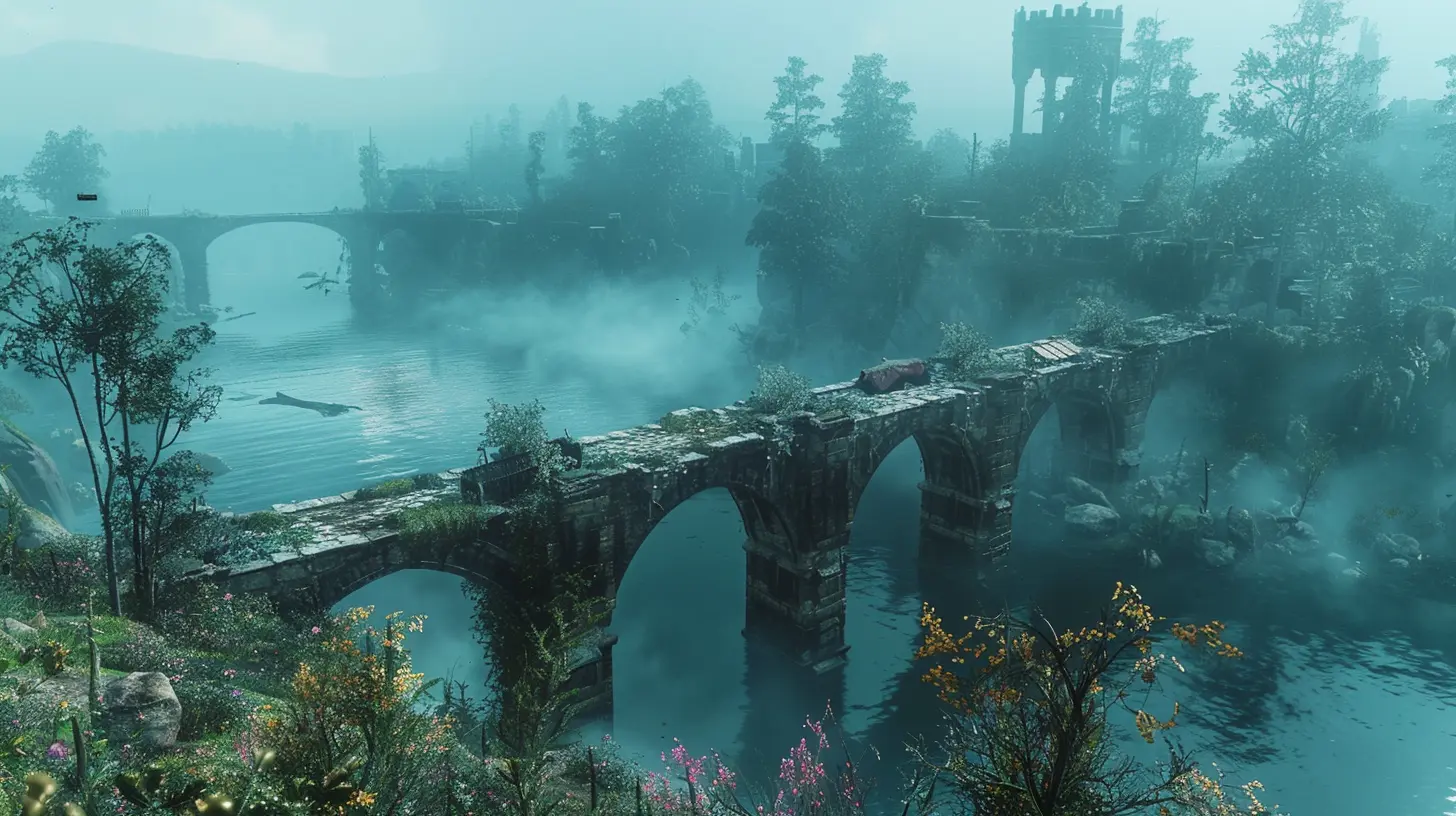
? Gameplay and Camera: A Power Couple
Let’s be real: a bad camera angle can break a great game. Ever fumbled through wonky platforming puzzles because you couldn’t judge distances? Or maybe you got ambushed in a horror game because the camera decided to stare at some creepy wallpaper instead of the hallway of doom?Great camera work doesn't just look cool—it helps you play better.
1. Third-Person Perspective – The Modern Classic
You’ve seen this one everywhere—from The Last of Us to Assassin’s Creed. The camera hovers right over your character’s shoulder, giving you a wide view of your surroundings while still keeping you close to the action. It’s the perfect blend of cinematic and practical.Why it works:
- You get a better view of the environment
- Perfect for storytelling and emotional engagement
- Easier to navigate complex spaces
Games like Uncharted use this to create that blockbuster-movie vibe. You feel like you’re part of the action and the drama. It’s like being the star and the audience.
2. First-Person POV – Walk a Mile in Their Shoes
This is your go-to for shooters and immersive sims. First-person puts you right inside the character’s head. It’s not just "watching" the action—it’s "living" it.Why it rocks:
- Boosts immersion like crazy
- Every detail feels personal
- Heightens tension and surprise
Think about horror games like Amnesia or Outlast. That first-person view makes every creak in the floorboard feel like a personal attack. You’re not watching a haunted house—you’re living in it.
3. Top-Down and Isometric Views – Bird’s-Eye Brilliance
Strategy games, RPGs, and roguelikes love this one. Whether it’s Diablo or Hades, this angle gives you complete control and situational awareness.Why it’s useful:
- You see more of the battlefield
- Helps with resource management and spatial planning
- Ideal for multi-character control
It’s like being the god of your little game world. You see everything, command everything, and feel like an all-knowing mastermind.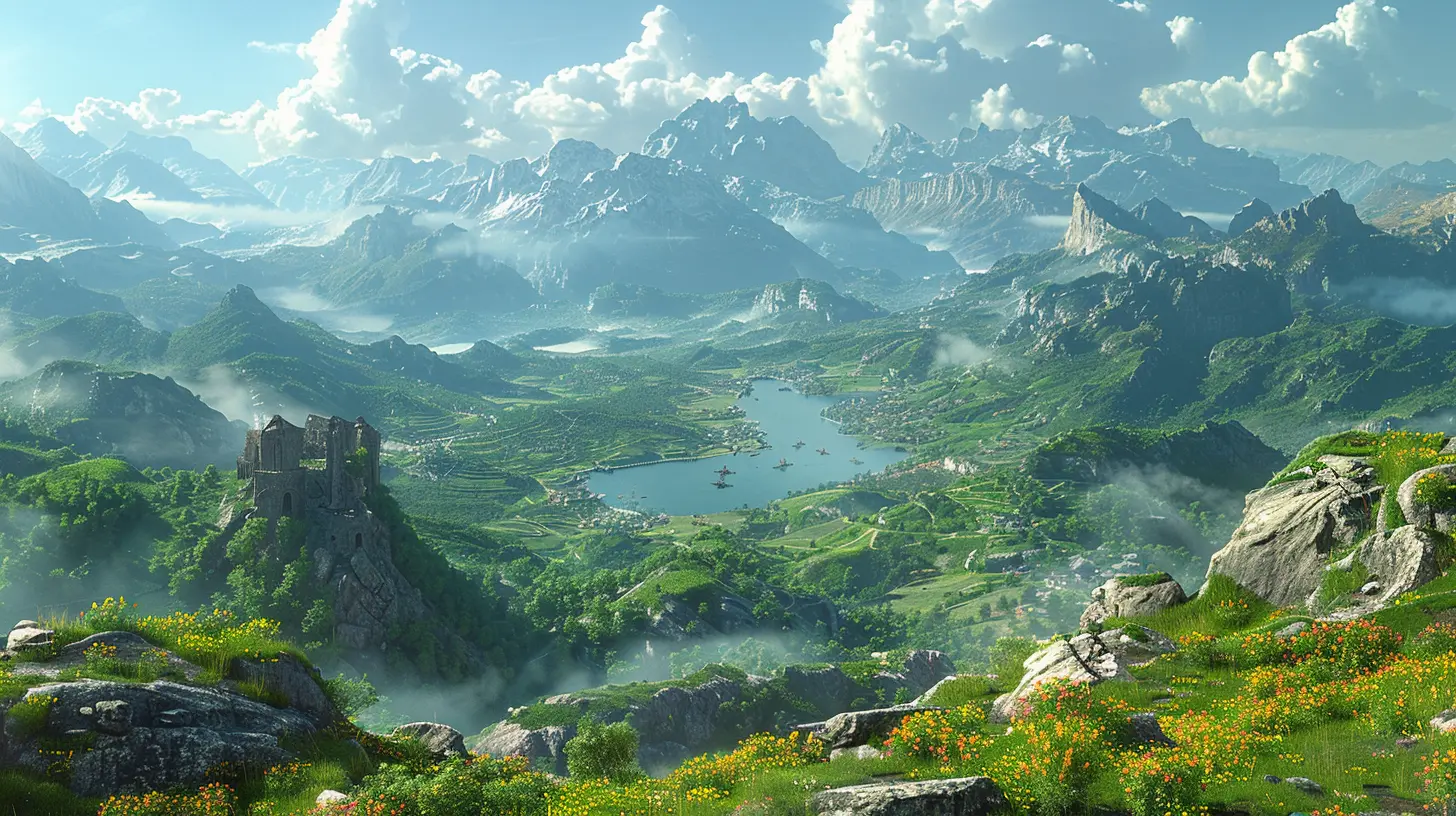
? Emotionally Charged Moments and Camera Drama
Okay, so aside from practical gameplay stuff, camera angles also bring the feels. I mean, really bring them. Developers use camera angles like emotions on a paintbrush—tilted angles, zoom-ins, slow pans—they all add drama and tension.Cinematic Cutscenes – Storytelling on Steroids
Ever notice how during heartbreak scenes or plot twists, the camera suddenly zooms in on the characters’ faces or pans slowly across a battlefield? That’s no accident.Camera angles in cutscenes:
- Highlight facial expressions
- Build emotional immersion
- Direct the player's focus without breaking gameplay
Think of it like a movie scene. The camera is directing your eyes, your emotions, and your expectations.
Static vs. Dynamic Cameras – When Do You Move, and When Do You Watch?
Sometimes, devs want you to experience action in the moment (dynamic), and other times they want you to observe it (static).- Static cameras are great for suspense. Ever play the original Resident Evil? Those static views made every hallway feel like a horror movie trap.
- Dynamic cameras are perfect for pulling off epic boss fights or chase sequences. They follow the action, zooming and swiveling to keep up like a Hollywood stunt cam.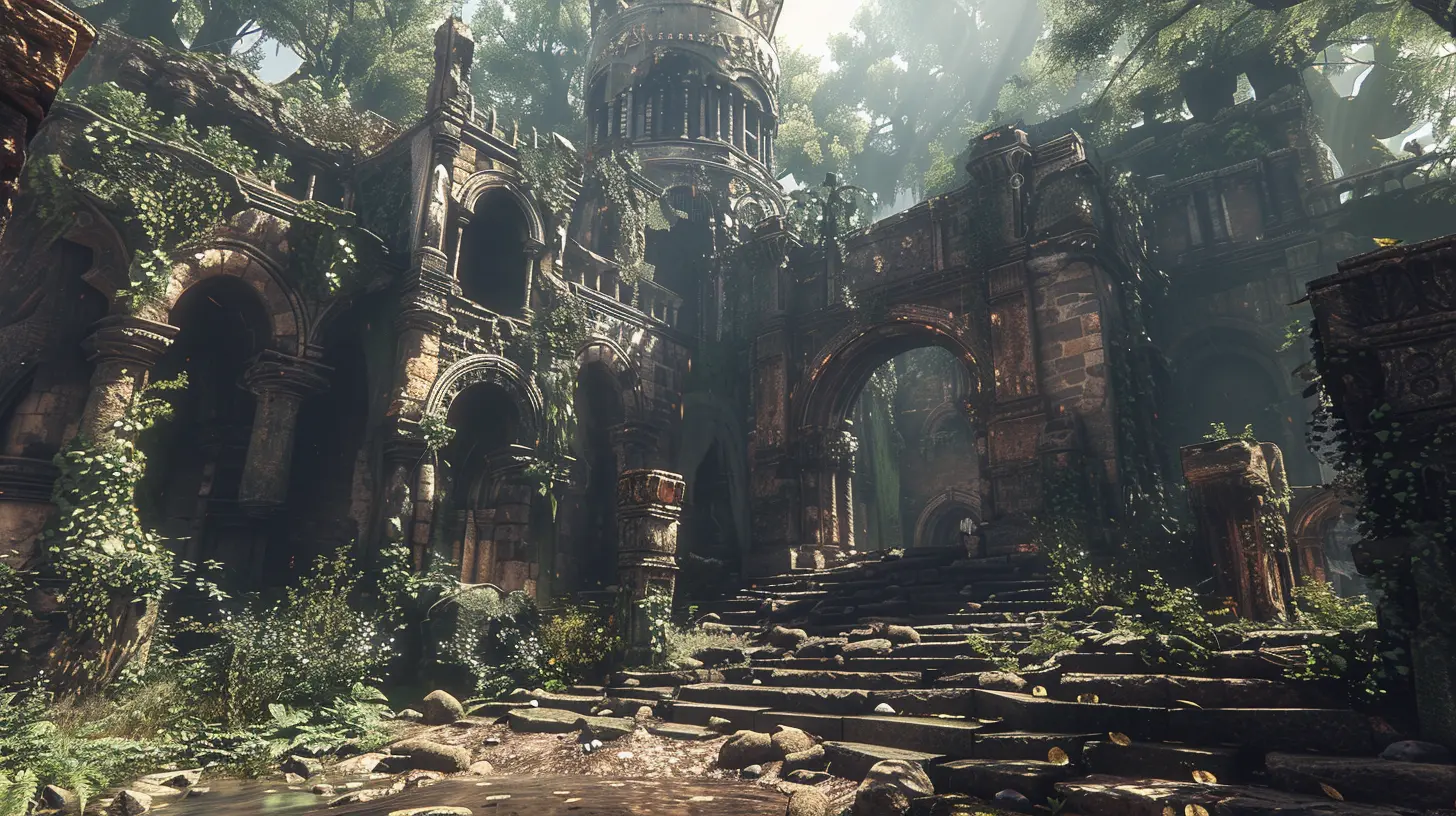
? Creating Tension, Awe, and Atmosphere
Ever wonder why some sequences give you goosebumps? That’s camera work, baby. It’s not just what you see—it’s how you see it.Low Angles – The Hero Shot
Want to make a character look powerful or intimidating? Shoot them from below. You’re literally looking up to them.Games like God of War love this. Kratos doesn’t just walk onto the screen—he looms. It’s no accident.
High Angles – The Vulnerability Effect
Flip that script. Shoot from above, and suddenly your all-powerful warrior feels small and exposed.Games like Inside or Limbo use this technique to make players feel isolated and vulnerable. It adds a layer of emotional storytelling without a single word.
Tracking Shots – Follow That Action!
Some games use long, uninterrupted tracking shots to keep energy high and maintain immersion.Think of the opening in God of War (2018): that one-take camera style isn’t just flashy—it keeps you immersed. No cuts, no breaks. It’s like you’re living inside one legendary, non-stop scene.
? The Psychology Behind Camera Tricks
Let’s nerd out for a sec. Camera angles don’t just look cool—they mess with your brain in really clever ways.- Close-ups build empathy. If you see someone’s face up close, you're more likely to feel what they feel.
- Wide shots create distance. Want the player to focus on the environment instead of the character? Zoom out.
- Quick cuts create chaos. Think of action scenes with rapidly changing camera angles. You feel overwhelmed—just like the character.
Game designers know how your brain works, and they use that to guide your emotional journey. It's practically Game Psychology 101.
? Interactive Camera Control – Giving Power to Players
Today’s games often let players control the camera themselves, and that’s a game-changer—literally. It gives players freedom, but also comes with challenges.The Pros:
- You explore at your own pace
- Better awareness of surroundings
- Great for photo mode (hello, screenshots!)
The Cons:
- Can break immersion if misused
- Players might miss key story cues
- Risk of janky visuals if the system isn’t polished
But when done right? It adds an entirely new layer of immersion. You’re not just playing the story—you’re directing your own version of it.
? The Science (and Art) of Game Camera Design
Game camera design is a wild blend of math, psychology, storytelling, and art direction. Devs have to:- Calculate field of view
- Simulate realistic depth of vision
- Avoid motion sickness
- Balance aesthetics with utility
And they need to do all that while making sure it feels "right." That’s a tall order, but when they nail it? You get unforgettable visual magic.
? Games That Nailed Camera Angles (And How They Did It)
Let’s take a look at a few rockstar games that used camera techniques like absolute pros:God of War (2018)
- One long unbroken shot through the entire game- Intimate action and cinematic drama
- Heightened emotional impact
Resident Evil Series
- Fixed angles in early games created unbearable tension- Modern entries use over-the-shoulder for sharper control and still manage horror magic
The Legend of Zelda: Breath of the Wild
- Dynamic camera that captures both grand landscapes and intimate moments- Smart adjustments during combat and exploration keep you in flow
Hellblade: Senua’s Sacrifice
- Psychological horror enhanced by claustrophobic, over-the-shoulder viewing- Sounds and visuals tuned to put you inside Senua’s disturbed reality
?️ Designing Your Own Camera Angle Magic (For Game Devs & Curious Minds)
If you’re dabbling in game development or just insanely curious, here are some tips to keep in mind:- Always ask: “What should the player feel here?”
- Use camera angles to support, not fight the gameplay
- Mix static and dynamic styles for pacing
- Watch out for motion sickness triggers (don’t go full Blair Witch)
- Test with players – what makes sense to you might confuse someone else
Final Thoughts: More Than Just a Lens
At the end of the day, the camera in a game isn’t just a lens—it’s a narrator, an emotion amplifier, a guide, and sometimes, your worst enemy (ever died in a boss fight because of a weird camera angle? Yeah, same).So next time you’re playing your favorite title and feeling all the feels, take a moment to appreciate the unsung hero guiding your view: the camera. It's like the director whispering in your ear, “Look here. Feel this. Focus now.”
Cool, right?
all images in this post were generated using AI tools
Category:
Game GraphicsAuthor:

Pascal Jennings