How Final Fantasy VII Remake’s Ending Changes the Story
11 July 2026
Final Fantasy VII Remake isn’t just a simple redo of the 1997 classic — it’s a bold, story-defying, mind-bending take that flips expectations on their head. If you played all the way through it, you probably sat staring at your screen during the ending, wondering, “What the heck just happened?” Yeah, same here.
Sure, we got to revisit Midgar in all its reimagined, high-def glory. We got Cloud’s brooding spikes, Aerith’s charm, Barret’s booming voice, and Tifa’s kicks. But then BAM—plot twist after plot twist—Square Enix hit us with an ending that didn’t just tweak the original; it rewrote the rulebook. So what does this all mean for the story going forward?
Let’s dive into it. Grab your Buster Sword, because things are about to get deep, weird, and wildly exciting.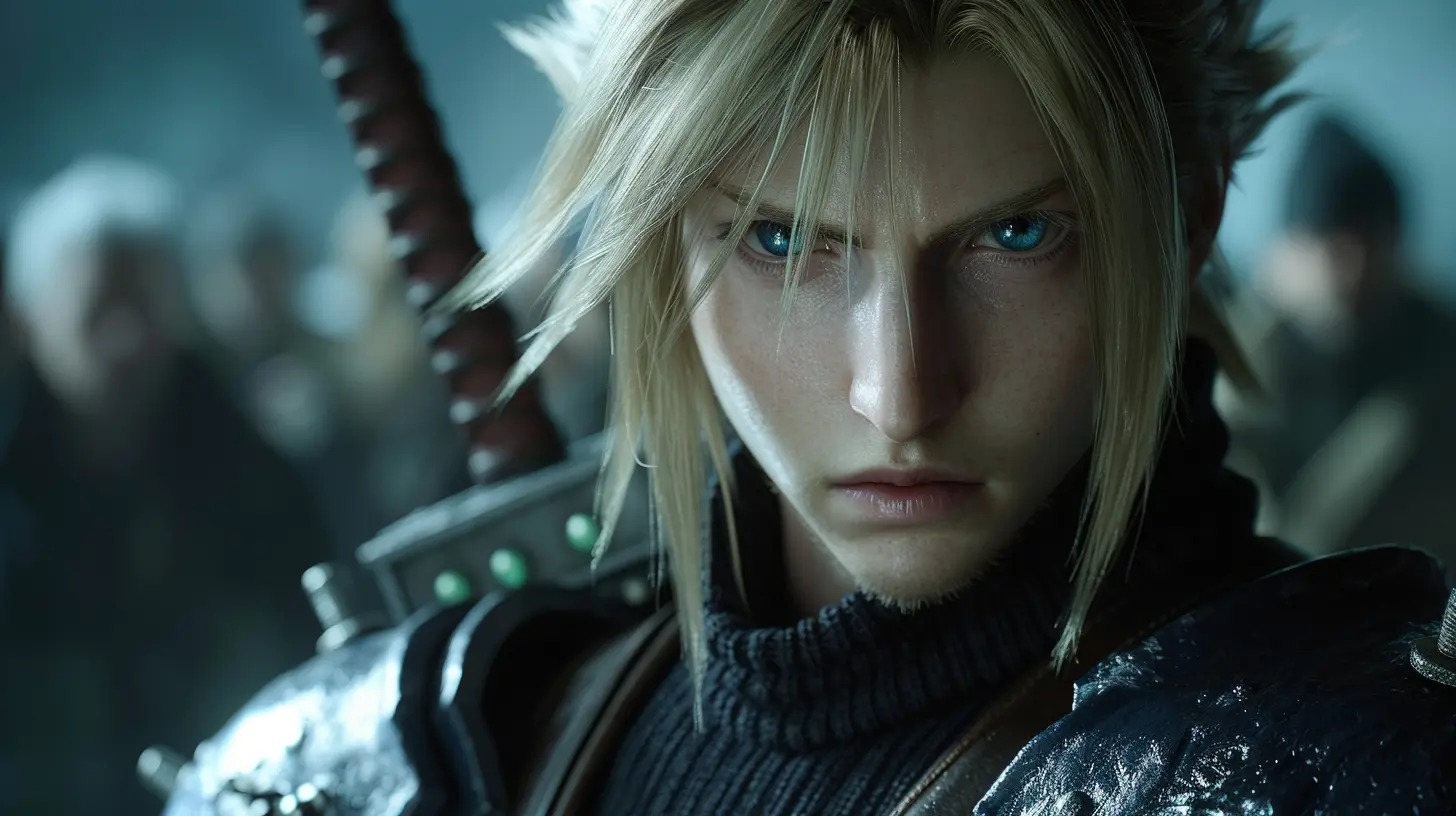
A Quick Recap: What Even Happened?
Alright, before we plunge into the meaning of it all, let’s go over the basics of that ending.So, the Remake covers just the Midgar portion of the original game — roughly the first 5–10 hours of the classic. But instead of ending like the original, with the crew heading out of the city to track down Sephiroth, we get a major showdown… with Sephiroth himself. Wait, what?
Oh, and there’s that whole thing with the Whispers — those spooky, cloak-wearing beings that seemed to be regulating fate. Throughout the game, they nudge events back on track when characters start to stray from the original storyline. Creepy, right?
And then, in the final hours, Cloud and friends actually fight Destiny itself — literally. The “Whisper Harbinger” and a future version of Sephiroth are standing in your way. By defeating them, the party seems to shatter the timeline and, by extension, fate itself.
Did Square Enix just break their own game’s story? Kinda. But there’s a method to this madness.
What’s the Deal with the Whispers?
Let’s talk about those ghostly time cops — known officially as “Arbiters of Fate.”These guys are one of the biggest new additions in the Remake. They pop up whenever something happens that threatens to derail the original plot. Picture them like narrative bodyguards, forcing the story to stick to the script.
For example, take the scene where Barret dies. Yeah, he’s literally killed by Sephiroth. That’s not how the original went. But just seconds later, the Whispers swoop in and bring him back to life. Boom — fate restored.
This whole mechanic is Square Enix’s way of acknowledging that the Remake is rewriting history… but maybe it doesn’t have to stick to the old path forever.
So... Did They Just Unwrite Final Fantasy VII?
Let’s get one thing clear — this isn’t just a retelling. This is a reimagining.By defeating the Whispers, the crew essentially breaks free of fate. That means they’re no longer bound by the events of the original game. Translation? Anything can happen now.
Aerith might live. Zack might return (we saw hints of that). Sephiroth might have totally new plans. And Cloud? He’s in for a wild ride.
Think of it like stepping into a parallel universe — a “what if?” scenario where the characters are aware, at least subconsciously, that something’s off. They remember things they shouldn’t. They sense things before they happen. It’s eerie… and thrilling.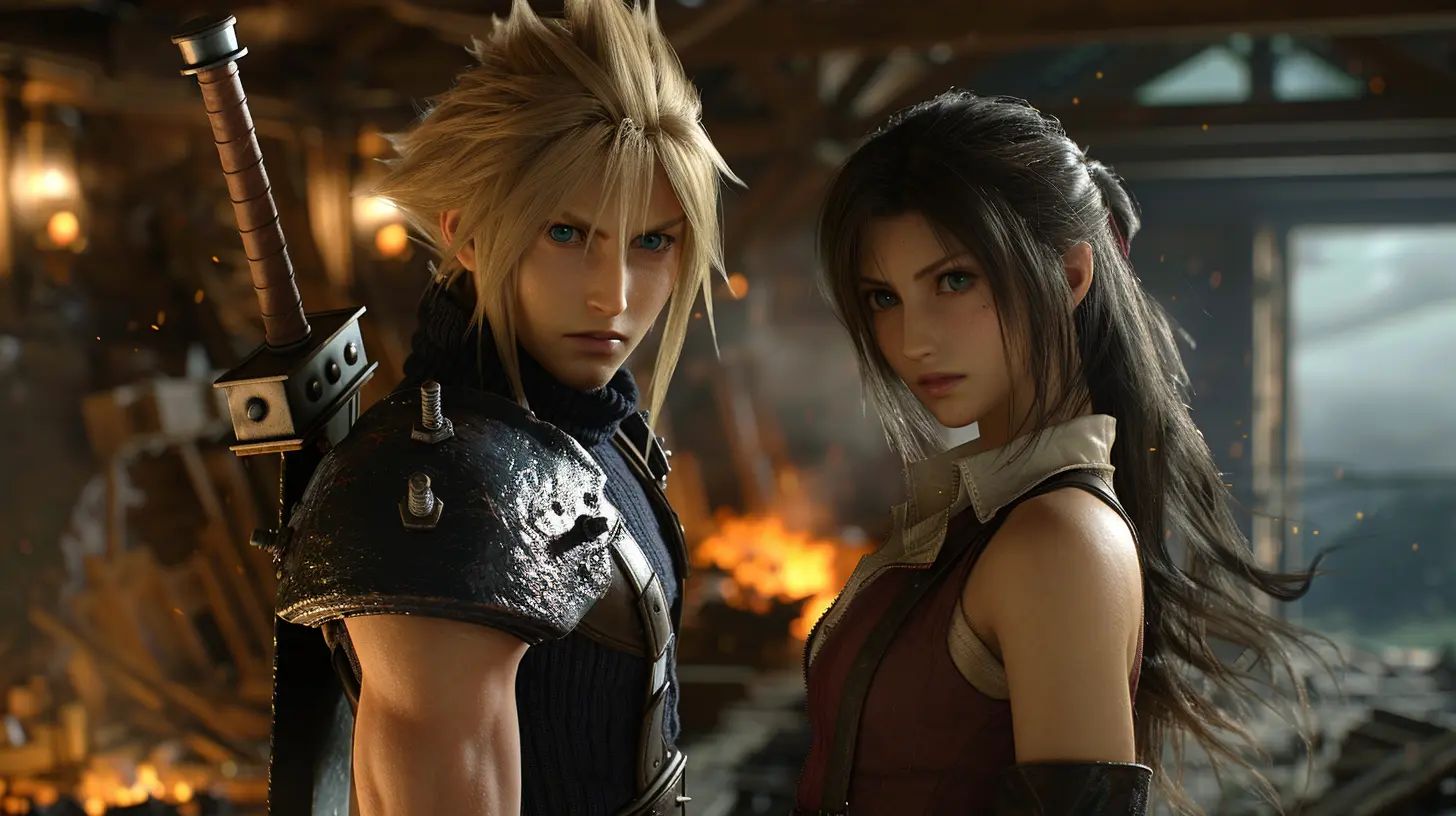
Wait, Is Zack Alive Now?
Let’s talk about the ending’s most jaw-dropping moment — Zack Fair.Zack, for those who don’t know, is Cloud’s mentor and a beloved character from Crisis Core. His death outside Midgar is a key moment in the original lore and part of Cloud’s entire identity crisis.
But in the Remake, after the final battle, we see a scene where Zack survives his final stand. He literally carries a wounded Cloud toward Midgar. What. The. Heck.
And did you catch Stamp the dog’s different design in that scene? That tiny detail hints this moment might be happening in an alternate timeline. So maybe Zack's alive... but in a different version of reality. Multiverse, anyone?
Sephiroth: Still Evil, Just Way More Mysterious
Sephiroth’s role in the Remake is even more mysterious than in the original.In the 1997 game, Sephiroth doesn’t show up in person until much later. In the Remake? He’s popping in and out like a ghostly anime villain all throughout the story.
Even weirder, he seems to know things. Like... future things. He talks to Cloud in vague riddles and even invites him to “defy destiny” with him. Which is wild, right?
Is this a Sephiroth that remembers the events of the original game? Did he find a way to transcend time? And if so, what is his new goal?
The original Sephiroth was all about godhood and meteor destruction. This one? He might be playing 4D chess across timelines. Chilling thought.
Cloud’s Mind is More Fragile Than Ever
Cloud Strife has always been a walking identity crisis, but the Remake’s ending hints that his fractured psyche might get even more twisted.Throughout the game, Cloud has flashbacks and visions that don't quite line up with his memories. He sees things he shouldn’t — like Aerith’s death, even though it hasn’t happened yet. He hears voices. He recoils in moments that have no context in the current timeline.
It looks like Cloud’s connection to the original timeline — and possibly to Zack or Sephiroth — is bleeding into this new version of events. It’s like he’s haunted by ghosts of a future that hasn’t happened... yet.
Expect a whole lot more emotional and psychological unraveling in the sequels.
What This Means for Future Remake Installments
The next chapter of the Final Fantasy VII Remake isn’t just going to be a prettier version of what we already know. It’s going to be uncharted territory.Now that fate has been “defeated,” Square Enix has a blank canvas. Will they keep some iconic moments? Definitely. Will others be reshaped — or skipped entirely? Also likely.
Here are just a few wild but possible outcomes:
- Aerith doesn’t die this time around.
- Zack becomes a major character again.
- The party visits entirely new locations.
- We see alternate versions of familiar events.
- Sephiroth’s plan is entirely different — possibly involving timelines, memories, or dimensions.
Basically, every fan theory is fair game now. Square Enix has unlocked narrative chaos, and we’re 100% here for it.
Is This Actually Genius or Just Confusing?
Some fans absolutely love the bold narrative direction. Others… are scratching their heads.Let’s be real: It’s risky messing with nostalgia. Final Fantasy VII isn’t just a game — it’s a monument in gaming history. By playing with fate and rewriting the rules, Square Enix is gambling.
But here’s the thing — storytelling in games has evolved. Players want to be surprised, even if it means breaking expectations. The Remake ending shows that Square’s not just interested in retelling; they want to challenge us.
It’s like reading a story where the characters start writing their own lines. It’s trippy, it’s fresh, and it opens the door for some truly unforgettable moments.
The End? Nah, Just the Beginning
So where does that leave us?The ending of Final Fantasy VII Remake isn’t an end at all — it’s a reset button, a reality-shifter, and a metaphorical mic drop all rolled into one. It tells us that the future is wide open. No one, not even the gods of fate, can predict what’s coming next.
Whether you’re thrilled or terrified by the possibilities, one thing’s for sure: this remake is no longer bound by 1997. It’s an evolving epic, and we’re all just along for the ride.
So buckle up, because the next chapters? They’re going to be wild.
Final Thoughts
Final Fantasy VII Remake walked a razor’s edge — honoring the past while setting fire to the rulebook. Its ending asked big questions about fate, memory, and choice. And while it may have left us with more questions than answers, that’s kind of the point.This isn’t nostalgia. It’s reinvention. And whether Aerith lives, Zack returns, or Sephiroth finally wins — we’re witnessing the rebirth of a legend.
One thing’s certain: The story we thought we knew has changed forever.
all images in this post were generated using AI tools
Category:
Game Endings ExplainedAuthor:

Pascal Jennings