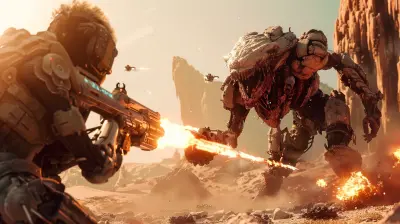
How Developers Use Data to Balance Games
29 July 2026
Ever rage-quit a game because that boss fight felt like a slap in the face? Or maybe you’ve steamrolled your way through a level wondering if it was designed for your cat instead of a seasoned gamer like you. Game balance is a tricky beast—it can make or break the player experience. But don't worry, there's no wizard casting spells behind the scenes. It's mostly data, spreadsheets, and a whole lot of coffee.
So how do developers make sure you're having just the right amount of fun (and frustration)? Buckle up, because we’re diving headfirst into the wild, wonderful, math-meets-magic world of game balancing!

What Does “Game Balance” Actually Mean?
Game balance is the art (and science) of making sure that no single strategy, character, weapon, or playstyle totally dominates the rest. Think of it like a perfectly seasoned soup—every ingredient complements the others. Too much salt? Ruined. Not enough spice? Bland. In gaming terms, that might look like an overpowered shotgun or a level that’s straight-up impossible.In competitive games, balance keeps things fair. In single-player adventures, it ensures you’re challenged—but not crushed. It’s like walking a tightrope with a sack of equations on your back. Tricky, but totally doable.
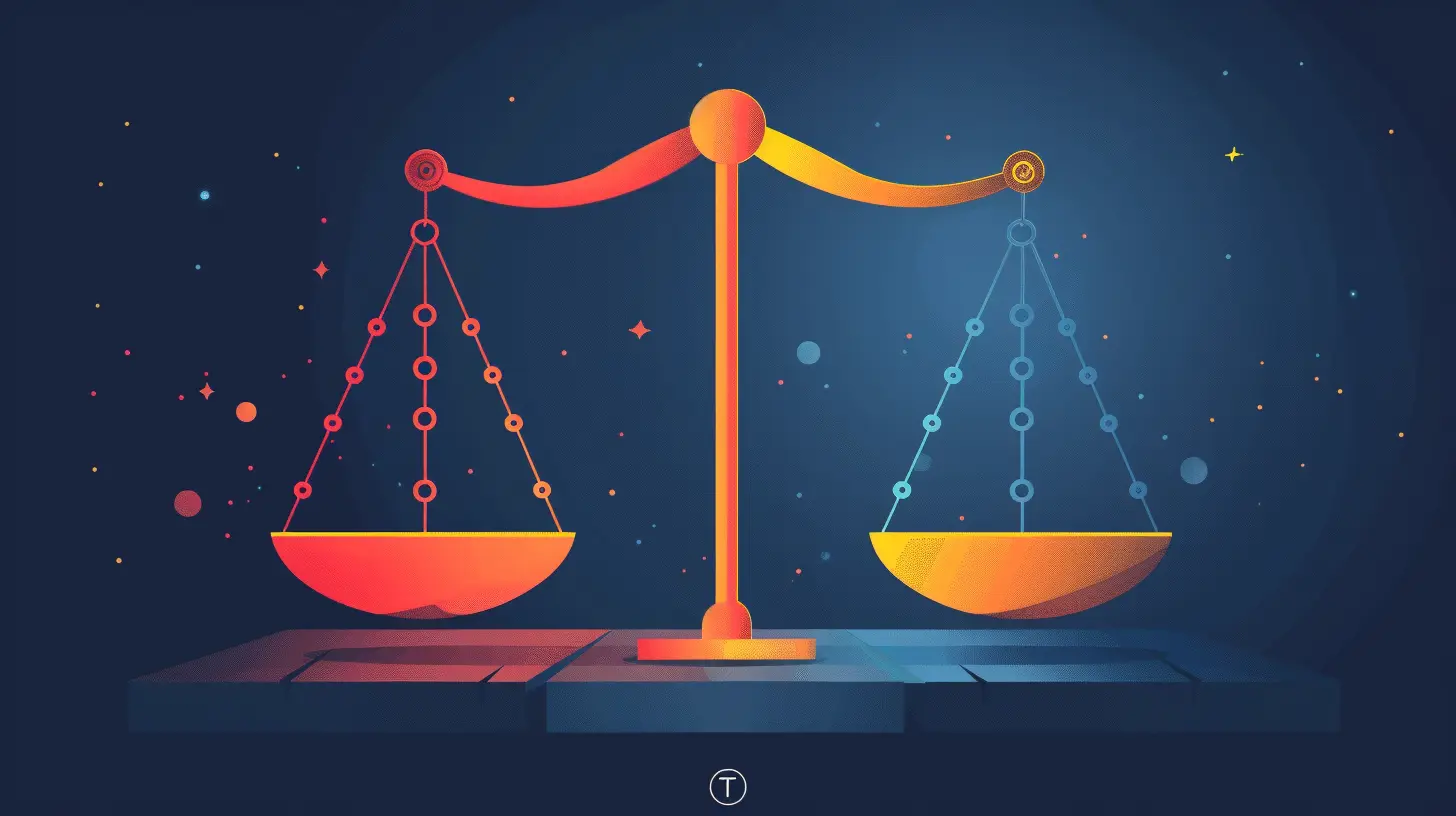
The Role of Data in Game Balancing: The Real MVP
You might think developers just “feel out” what's too strong or too weak. Nope. These days, they're more like data scientists in disguise. They gather heaps of player data—like how often a weapon is picked, how many times players die in a specific level, or how frequently one strategy trumps another.Here’s what they’re looking at (a non-boring list, promise):
- Pick and win rates: If 90% of players pick the same class, something’s fishy.
- Heatmaps: These show where players are dying the most. A big red blob? Probably a balance issue.
- Ability usage: If players never use a specific ability, maybe it's underpowered or just plain boring.
- Time to kill (TTK): This is huge in shooters. Too low, and it feels like laser tag with automatic Nerf guns. Too high, and everything becomes a bullet sponge.
- Progression data: If too many players are stuck on the same boss, devs might dial back the difficulty or tweak mechanics.
All this data helps devs spot trends and outliers without having to manually watch thousands of gameplay hours (although some still do, bless their coffee-fueled souls).

Telemetry: The Brain Behind the Balance
Who knew that one of the coolest tools in a dev’s toolbox would be something that sounds like a spaceship component? Telemetry isn’t rocket science (although it’d probably be useful there, too). It’s basically a way of tracking in-game behavior without being creepy.Every time you perform an action—jumping, shooting, crafting stuff, even shouting into the void—it can be recorded and sent back to the developers in the form of anonymous data.
This is how developers know:
- That 70% of players fall into the same pit in Level 3.
- That one ability combo is being exploited to cheese every boss fight.
- That nobody ever uses defensive spells. (Why block when you can YOLO, right?)
This data becomes the foundation for balance patches and updates. It's like when you finally check your fitness tracker and realize you’ve only taken 300 steps for the day—time to make some changes.

Patch Notes: Your Evidence of Balance in Motion
You know those glorious patch notes that pop up when a game’s updated? The ones that say stuff like “reduced reload time by 0.25 seconds” or “increased cooldown from 8 to 10 seconds”? They may seem tiny, but they’re often based on mountains of data.Let’s break down a typical process:
1. Identify imbalance: Players are all using Weapon X and ignoring everything else. Suspicious.
2. Dig into the data: Is Weapon X way more effective? Is it just easier to use?
3. Test fixes internally: Devs try buffs, nerfs, and tweaks using test builds.
4. A/B testing: Sometimes, they test multiple variants on different groups to compare results.
5. Roll out the patch: With fingers crossed.
6. Monitor results: Back to collecting data! Did it fix the issue or just create a new imbalance?
It’s like playing a never-ending game of Jenga, but with stats instead of wooden blocks.
Feedback Loops: When Players Speak, Devs Listen (Usually)
Data’s great, but some things you can only find by talking to actual humans—yep, like YOU. Developers often hang out in forums, social media, Reddit threads, and feedback surveys. Sure, the feedback can sometimes be... spicy. ("Buff Paladin or we riot!") But it’s gold for understanding how players actually feel.Funny thing is, players aren’t always right. Sometimes we think something feels off just because we’re not using it correctly or it requires a higher skill cap. But combined with data? The devs get a fuller picture and can make smarter decisions.
So, next time you're salty about a nerf, remember: it's usually not personal. It's the result of a feedback-driven system that’s constantly trying to make the game better.
AI and Machine Learning: The Future is Now
This isn’t just science fiction anymore. Some studios now use machine learning to predict balance issues before they even happen. These models simulate thousands of potential gameplay outcomes, figuring out what combos might break the game _before_ players even get their hands on them.Imagine a crystal ball that shows the devs what will be meta next week. Creepy? Maybe. Cool? Absolutely.
They also use bots to test balance changes at warp speed. Instead of relying on playtesters, these bots can run through thousands of matches, trying different strategies and reporting which ones dominate.
It’s like giving Skynet a controller and telling it to “git good.”
Examples of Balancing Gone Right (and Horribly Wrong)
The Good: League of Legends
LoL is a constant balancing act. With over 160 champions, it's like herding angry cats through a laser maze. Riot Games uses player data, win rates, and feedback to adjust champions every two weeks. Even minor tweaks can make a champ go from “hot garbage” to “insta-ban in ranked.”Example: They noticed that a champion had a high win rate but a super low pick rate. It turned out that only high-skill players were using them effectively. Instead of nerfing, they tweaked that champ to be more accessible without destroying their power ceiling. Chef's kiss.
The Ugly: Warcraft 3 Reforged
Balance isn't just about gameplay—it’s also about expectations. Blizzard released this remaster with changes nobody asked for and didn’t balance the new units properly. Add in poor communication and a mountain of bugs, and the community erupted like a volcano full of disappointed Paladins.Lesson? Data only helps if there's solid communication and thoughtful implementation.
PvE vs. PvP: Different Beasts, Different Balancing Tricks
Balancing a Player vs. Environment (PvE) game is like setting up a rollercoaster. You want thrills, surprises, maybe a scream or two—but the track is predictable. Devs have total control over what players face.PvP (Player vs. Player), on the other hand, is like releasing a bunch of kids with paintball guns into a maze. Chaos. Unpredictability. Strategy. Balancing that? A nightmare. What works in PvE might be totally broken in PvP. That’s why many games have separate balance settings for each.
So don’t be surprised if your favorite skill gets nerfed in the arena but still rips through zombies in the campaign.
Balancing Isn’t a One-and-Done Thing
Here’s the cool (and exhausting) part: balance is never finished. Ever. Games evolve. New content drops. Players uncover weird synergies and hateful hacks you didn’t even think were possible.It’s an ongoing dance between players and developers. Each patch is like adding a new move to a choreography that’s already underway. The goal? Keeping you engaged, not enraged.
So, yeah, next time your go-to weapon gets nerfed, try not to throw your controller. Instead, take a moment to appreciate the data-driven ballet unfolding behind the scenes.
The Human Touch: Because Numbers Can’t Do It All
Despite all the data and AI and number crunching, there's still an element of gut feeling. Sometimes, devs just know something feels off. Maybe they notice a character sounds too powerful in feedback videos. Or they play the game themselves and realize the pacing is weird.This is where the human side comes in. Data guides decisions, but heart and experience seal the deal.
Game balancing isn’t just code and charts. It’s art with a calculator. Symphony with spreadsheets.
Final Thoughts: Balancing is Science, Art, and a Bit of Luck
Balancing a game is like trying to serve a five-course meal to millions of people with different taste buds. And every few weeks, someone changes the menu.But thanks to data, feedback, and a lot of caffeine, developers manage to keep the chaos relatively under control. So next time someone says “developers just nerfed that for no reason,” hit them with the facts. And maybe, just maybe, thank the data for saving your digital life.
all images in this post were generated using AI tools
Category:
Game BalancingAuthor:

Pascal Jennings