How Celeste’s Ending Celebrates Inner Strength
16 June 2026
If you've ever gripped a controller with sweaty palms while guiding Madeline up the towering, pixelated slopes of Celeste Mountain, you already know this game is more than just a platformer. Celeste is a journey—an emotional rollercoaster wrapped in a deceptively simple 2D package.
But what really makes it unforgettable? It’s the message it leaves you with.
Let’s dive into how Celeste’s ending doesn’t just roll the credits—it celebrates something deeply human: our inner strength.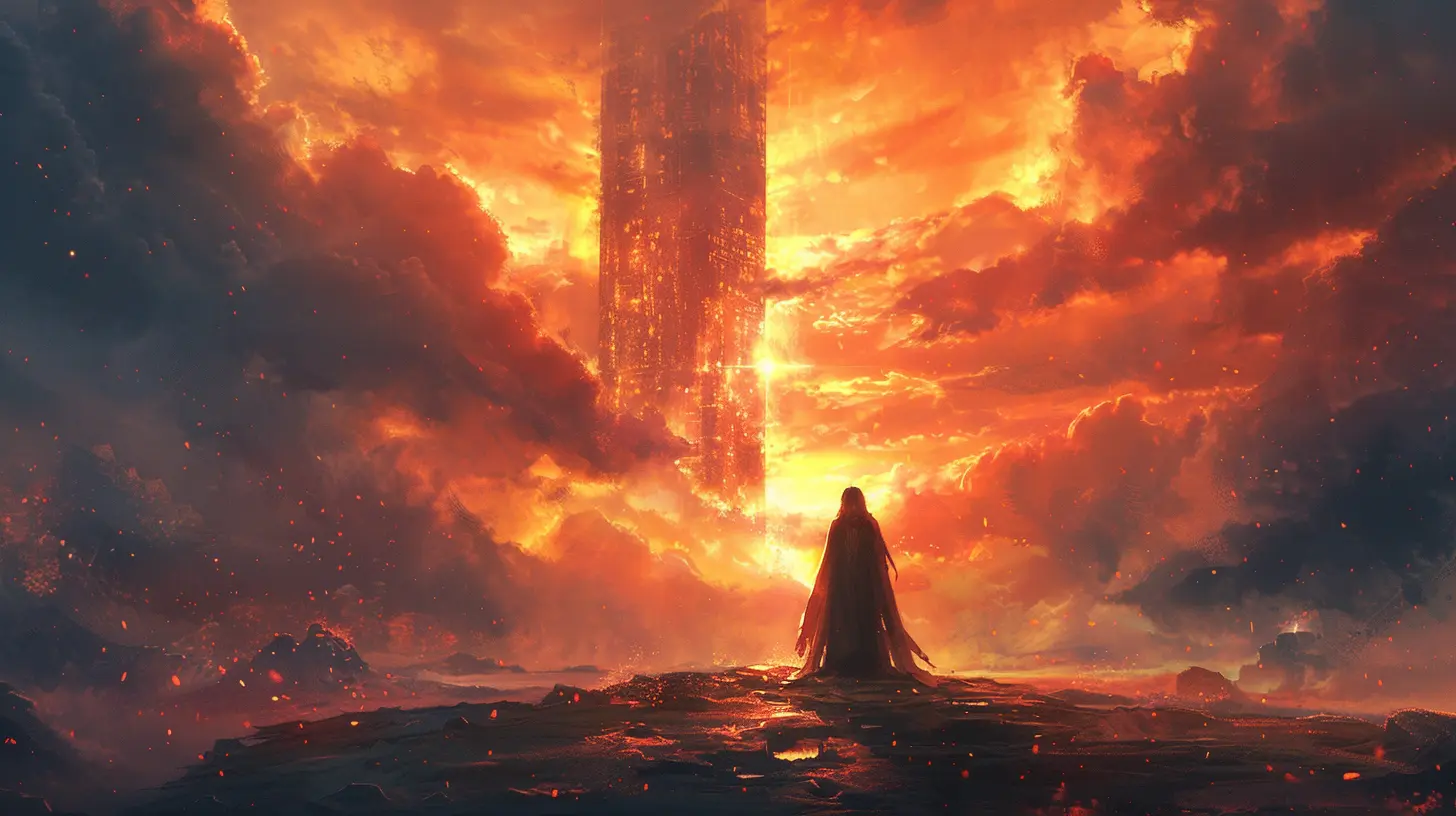
More Than Just a Climb
At surface level, Celeste seems like your classic twitchy platformer. Tight controls, punishing difficulty, lots of deaths. But you quickly realize you aren’t just climbing a mountain. You're facing your inner demons—literally.Madeline isn’t just trying to reach the summit. She’s battling anxiety, self-doubt, and depression. The mountain becomes a metaphor for personal trauma and growth. And it’s in this metaphor where the game’s heart beats the loudest.
Think about it: Celeste doesn’t hand you power-ups or magic spells. Your only tools are skill, perseverance, and a little bit of self-trust. That simplicity is its genius.
Meeting "Part of Me" – The Real Boss Battle
Remember "Badeline"? That darker, hostile version of Madeline? At first, she seems like the classic antagonist. But she’s not really a villain at all. She’s a manifestation of Madeline’s inner turmoil—a physical representation of her negative self-talk, her fears, her stress. You can’t just beat her with brute force.The game doesn’t tell you to "conquer" these parts of yourself. It wants you to understand them. Accept them.
That’s where things get real.
In most video games, you fight the boss. You win. You move on. Celeste flips that idea on its head. You reconcile. You acknowledge that those darker feelings are still part of you—and they don’t have to be your enemy.
That shift? It's powerful.
Climbing Together – A Symbolic Shift
After Madeline embraces her darker self, they climb together. The final section of the game isn't just a bunch of new levels. It’s a message, loud and clear: When you stop fighting yourself, you can go further than you ever imagined.That’s inner strength in action.
The game doesn’t magically become easier. The jumps are still tight. The risk of falling still looms. But you’ve grown. Not because the game changed, but because you did.
And let’s be honest: that’s how life works too.
Overcoming, Not Erasing
One of Celeste’s most beautiful ideas is that healing isn’t about becoming someone else. It’s about becoming more yourself—even the messier parts.Madeline doesn’t beat anxiety or depression in some final cathartic “game-over” battle. That would be too tidy, too unrealistic. Instead, she makes peace with part of herself. She stops running and starts climbing with intention.
It’s raw. It’s honest. And that’s what makes it resonate so hard.
Let’s Talk Game Design – It’s Emotional Storytelling At Its Best
Okay, now let’s geek out a bit.Celeste isn't just telling you a story through cutscenes. The gameplay itself speaks volumes. The difficulty mirrors the emotional weight. The persistence needed to progress reflects Madeline's emotional resilience.
Every death? A learning moment.
Every retry? A symbol of hope.
The mechanics force you to get comfortable with failure—and to keep going anyway. It’s no coincidence that many players feel more confident IRL after finishing the game. That feedback loop between the story and gameplay? Masterfully done.
Pixel Art and Music That Hit You Right in the Feels
Let’s not overlook the sensory side of this emotional journey.The pixel art is minimalist, sure, but it’s packed with emotion. The way Madeline’s hair flickers in the wind, the way the environment shifts to reflect her mental state—those little details hit hard.
And then there's Lena Raine’s soundtrack. Wow.
The music evolves with the story, echoing Madeline’s feelings. When you’re falling, it’s tense and chaotic. When you’re rising, it swells with hope. "Resurrections" and "Reach for the Summit" are practically emotional cheat codes. You can feel the climb in those piano keys and synth layers.
It’s no wonder the soundtrack alone has its own fanbase.
The Ending – Reflective, Not Triumphant
Let’s talk about the actual ending.You reach the summit. A breathtaking panoramic view greets you. The music softens. Madeline smiles—not because everything is fine now, but because she made it despite everything.
The game doesn’t pretend her problems are gone. What it does say is this: she’s stronger now, because she accepted herself.
Cue the waterworks.
This isn’t a “happily ever after.” It’s a “happily moving forward,” which—let's be real—is way more relatable.
Why We All Need a Little Celeste in Our Lives
It doesn’t matter if you’ve climbed an actual mountain or struggled to get out of bed. Celeste speaks to anyone who’s ever had a hard day, a hard month, a hard life chapter.And it reminds us that progress isn’t always linear. Some days you slip. Some days you soar.
But here’s the thing: progress counts, no matter how small. Your mountain might not look like Madeline’s, but you're climbing it all the same.
That’s what makes Celeste’s ending more than just satisfying—it’s inspiring.
Speedrunners, Completists, and Mental Health Advocates – The Many Faces of Celeste Fans
Celeste has this incredible fan base.You’ve got hardcore speedrunners shaving microseconds off their times. You’ve got completists obsessed with strawberries and B-sides. And then, you’ve got players who only needed to reach the summit once—because that was enough.
What unites them all? Celeste’s authenticity.
The way it openly tackles mental health without feeling preachy. The way it invites you in, challenges you, and lifts you up at the same time.
It’s one of those rare games where the harder it gets, the more you feel like it’s speaking directly to you.
Takeaways That Stick With You Long After the Credits Roll
So what can we learn from Madeline’s journey?- Struggles don’t define you—but how you face them can change you.
- Self-doubt is part of the ride, not a dead-end.
- Inner strength isn’t always loud. Sometimes it’s just surviving the day.
- You might fall a thousand times. Keep climbing.
And maybe the most important lesson? You're not alone. Even when your worst enemy is yourself, there’s always a way forward.
Celeste shows us that. It doesn’t sugarcoat the climb. It just hands you the tools and says, “You got this.”
And you do.
Closing Thoughts
Celeste’s ending doesn’t just cap off a great game—it’s a gut-punch reminder of what it means to grow.It’s not about beating your fears. It’s about learning to hear them out, hold their hand, and take that next step anyway.
And isn't that the most human thing of all?
So yeah, call it a platformer. Call it a mental health narrative. Call it art. Whatever you call Celeste, just know this: it might be pixels and music on the surface, but in the end, it’s a mirror.
And in that reflection? You’ll find strength you didn’t know you had.
all images in this post were generated using AI tools
Category:
Game Endings ExplainedAuthor:

Pascal Jennings
Discussion
rate this article
1 comments
Samantha Porter
Celeste's ending truly inspires personal resilience.
June 16, 2026 at 3:58 AM