How Animation Quality Affects Gameplay Mechanics
27 April 2026
Hey fellow gamers! ? Ever been so immersed in a game that every character movement, every spell-casting animation, or even the way your character runs just feels right? Or maybe the opposite—animations were clunky, delayed, and totally shattered your experience?
Well, today we're diving headfirst into the colorful, action-packed world of game animations. More specifically, we're unpacking how animation quality affects gameplay mechanics in ways you might not always notice—but definitely feel.
Let’s get animated, shall we?
? Animation Isn’t Just for Show — It’s Gameplay's Secret Sauce
We often think of animation as the “eye candy” in video games. Crisp character designs, smooth transitions, and flashy effects are easy to admire. But animation goes far beyond just looking cool.In reality, animations play a critical role in gameplay mechanics, directly influencing how a game feels and performs. They impact player feedback, control responsiveness, timing, clarity, and even player emotions.
Think of animation as the body language of a game. Just like how you interpret someone’s mood through their gestures, players interpret game mechanics through animation. It’s a silent communicator between the game and the player—and when done right, it's magical.
? Animation and Gameplay Mechanics: A Match Made in Pixel Heaven
Let’s get a little nerdy (in a fun way)! Here’s how high-quality animations connect with gameplay mechanics:1. Responsiveness and Control
We’ve all been there. You press the jump button, and your character jumps... eventually. That split-second delay? Total immersion killer.Smooth, responsive animations make the controls feel tight and satisfying. Sluggish animations, on the other hand, introduce lag and dissonance between input and action.
- Good Animation = Immediate feedback and control
- Bad Animation = Frustration and detachment
In hardcore platformers like Celeste, every animation frame is tuned to perfection. Even a tiny delay would ruin the experience. That’s how crucial it is!
2. Animation Timing Impacts Gameplay Flow
Ever noticed how in fighting games, every punch, kick, and block has its own rhythm? That’s animation timing doing its dance.Timing in animations affects how fast or slow an action unfolds. In gameplay that requires precision—like Dark Souls or Street Fighter—animation timing is gameplay.
- Wind-up animations signal an incoming attack.
- Cancelable animations allow combos and faster actions.
- Recovery frames prevent button mashing madness.
Basically, how long an animation lasts directly controls how a player engages with mechanics. A slow sword swing might be powerful, but leaves you wide open. It’s all about balance!
3. Player Feedback and Clarity
Animations are one of the primary forms of feedback in games.Imagine an RPG where you cast a fireball, but there’s no grand swoop of movement, no sparkle, no whoosh—just damage numbers. Kinda lame, right?
High-quality animations add clarity, helping players understand what’s happening:
- A charged-up glow means something epic is coming.
- An enemy’s flinch animation lets you know your attack landed.
- A stagger or knockback gives you a tactical advantage.
It’s like reading body language in a fight—without good animation, you'd be throwing punches in the dark.
4. Immersion Through Animation
When animations are fluid and realistic, it pulls players deeper into the game world. The way your character walks, ducks behind cover, interacts with objects—all of it builds immersion.Games like The Last of Us are masters at this. Every animation feels intentional, from how Joel reloads his gun to how Ellie squeezes through tight spaces. You feel like you’re there.
Clunky animations, on the other hand, break the fourth wall real quick. Suddenly, you're not a post-apocalyptic survivor—you’re just watching a poorly animated doll.
?♂️ Animation Can Make or Break Certain Genres
Some game genres absolutely rely on top-tier animations to thrive. Let’s talk about a few where animation quality directly shapes gameplay mechanics.? Fighting Games
In fighting games, frames are everything.Yes, we're talking literal frames. Street Fighter, Tekken, Guilty Gear—these games operate on frame data. A move might take 12 frames to come out, and that tiny timing difference could be the reason you win or lose a match.
- Startup Frames tell you how fast a move begins.
- Active Frames indicate when the move can hit.
- Recovery Frames show when the character can move again.
Without precise animation, these mechanics would fall apart. Competitiveness would vanish into the void.
?♂️ RPGs and MMOs
Ever played World of Warcraft or Final Fantasy XIV? Then you know how important visual clarity is in combat.Here, animations are crucial for communicating cooldowns, ability activation, casting times, and more. Without crisp animations, raids would be chaotic messes of guesswork.
Imagine trying to dodge an attack with no visual tell? Nope. Not happening.
? Rhythm and Music Games
Now this genre lives and dies by animation. Games like Just Dance or Beat Saber require frame-perfect syncing of visuals and music.Even a slight delay between movement and beat can throw the whole game off.
Animations must sync perfectly with audio cues, or the magic fizzles. It’s like trying to dance with someone who's always a beat behind. Not fun.
?️ Animation Optimization for Better Mechanics
Now let’s talk a bit about the behind-the-scenes magic. It’s not just about creating pretty animations—it’s about optimizing them for gameplay.Blending and Transitioning
Ever noticed how modern characters don’t just snap from one action to the next? They flow.That’s thanks to animation blending. It ensures that transitions between actions are smooth and natural. For gameplay, this smoothness ensures you’re never disoriented during combos or quick movements.
Hitboxes Tied to Animation
Animations often dictate where hitboxes (areas that can deal or receive damage) are placed. Misaligned animations can result in unfair gameplay.For example, imagine swinging a sword and missing—even though the blade clearly touched the enemy. That’s bad hitbox placement, caused by poor animation syncing.
Skipping or Canceling Animations
Advanced players love animation canceling. It’s a mechanic where you interrupt an animation to perform another action faster.Developers intentionally design some games to allow this. It gives skilled players more control and introduces tactical depth. But it only works if animations are clean and responsive.
? Our Brains Love Good Animation
Here’s the fun science-y part!Our brains are wired to interpret motion. When animations are smooth and make sense, our brains reward us with feel-good chemicals. That’s why "juicy" games feel so satisfying.
Games with great animation quality trigger a dopamine response—they feel better to play, even if you're not fully aware why.
? So… How Do Developers Nail It?
Crafting perfect animations that support mechanics isn’t easy. It takes a collaborative effort between:- Animators for movement and style
- Programmers for timing and implementation
- Game Designers to tie it all into mechanics
They tweak movement arcs, polish frames, and ensure inputs feel intuitive. It’s a mix of tech, art, and psychology. And when it all comes together—it’s gaming gold.
? Final Thoughts: Why Animation Quality Deserves More Love
It’s easy to underestimate animation in games. We get dazzled by graphics, hooked by stories, and addicted to gameplay loops. But without high-quality animation tying everything together, the whole experience can fall apart.Whether it’s a sword swing, a sidestep, or a spell cast, animation is the unsung hero enhancing every second of gameplay. It’s not just about flash—it’s about function. And when it's done right? Pure magic.
So next time you dodge a boss attack at just the right time, or feel that satisfying twirl of a combo move—tip your hat to the animation team. They made that moment feel amazing.
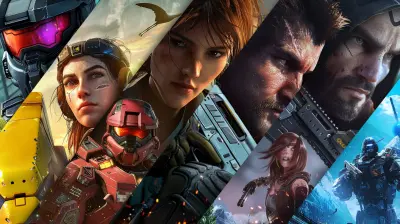
all images in this post were generated using AI tools
Category:
Game GraphicsAuthor:

Pascal Jennings
Discussion
rate this article
2 comments
Marie Hamilton
Ah yes, because nothing says engaging gameplay like watching a beautifully animated character trip over their own feet. Who needs solid mechanics when you have eye candy?
May 10, 2026 at 2:30 AM
Pascal Jennings
I get your point. Good animation should enhance gameplay, not just distract from poor mechanics. Balance is key.
Luma Warner
Animation quality shapes gameplay; it's non-negotiable for immersion.
May 6, 2026 at 4:35 AM
Pascal Jennings
I completely agree. High-quality animation truly enhances immersion and can change how players interact with the game world.