How AI Impacts Game Balancing Decisions
24 June 2026
Gaming has come a long way, hasn’t it? From pixelated sprites hopping across the screen in the '80s to vast open-world universes with lifelike characters, we’ve seen it all. Yet, one challenge has remained stubbornly persistent across all eras—game balance. Now, toss artificial intelligence into the mix, and we’re suddenly evolving our approach to balancing in a way that’s smarter, faster, and dare I say, more strategic than ever.
In this article, we’re diving headfirst into how AI impacts game balancing decisions—not in a boring, textbook kind of way, but in real talk that you, as a gamer or game dev, can relate to. Ready? Let’s jump into this digital rabbit hole together.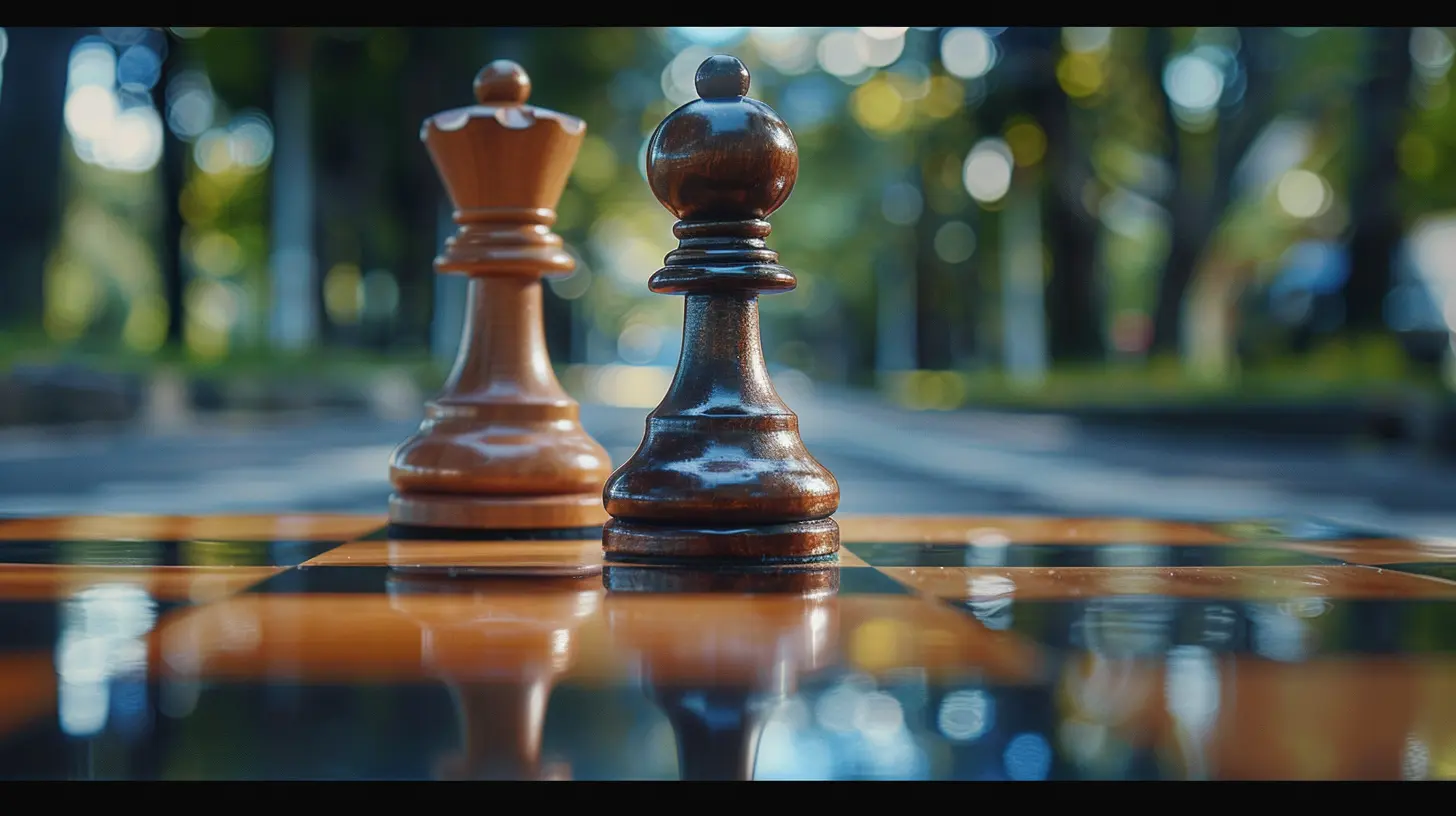
? What Is Game Balancing, Anyway?
Before we start talking AI, let's get on the same page about game balancing.Game balancing is the art (and let’s be real here, it’s also a science) of tweaking game elements so that no single feature, character, weapon, or strategy is ridiculously overpowered—or useless. Whether you're in an RTS outmaneuvering enemies, or a MOBA dodging spells and dealing damage, balance ensures things are fair and fun.
Think of it like cooking. One spice shouldn't overpower the rest. AI is becoming the sous-chef in this kitchen of chaos.
? Enter AI: The Game-Changer
So how does artificial intelligence fit into all this? Simple—AI is like the all-seeing eye. It processes huge volumes of data faster than any human could. It doesn’t just play the game—it studies it, simulates it, and understands it on a level we can only imagine.Here’s how AI is shaking things up in the world of balancing:
? Predictive Analytics: Knowing The Meta Before Players Do
Remember how your favorite game’s meta suddenly changed overnight thanks to a patch? AI can predict that. Developers now use machine learning models to simulate thousands of games and player behaviors before a patch even sees the light of day.By analyzing:
- Win/loss ratios
- Pick/ban data
- Damage outputs
- Ability usage frequency
AI can flag imbalances long before players start breaking the game with OP (overpowered) tactics. It’s like giving the devs a time machine to prevent broken metas.
? Simulation-Based Testing: No Human Needed
In old-school game dev, QA testers had to grind through endless battles to find problems. But with AI-driven bots, you can simulate millions of game scenarios in mere hours. These bots play every combination imaginable, pushing mechanics to their limits.This means developers can:
- Test new characters or weapons in hundreds of matchups instantly
- Identify unexpected power spikes or synergistic exploits
- Adjust values before a live release
It's like having an army of playtesters that never sleep.
?️ Adaptive Difficulty Systems: Smarter Than Ever
Ever felt like a game was reading your mind, easing up when you're struggling or cranking the difficulty just when you're on a roll? That’s AI-powered dynamic difficulty in action.Instead of preset Easy, Medium, or Hard levels, AI can:
- Monitor your play style
- Adjust enemy behavior, spawn rates, or puzzle complexity
- Personalize your experience in real-time
This not only improves balance but also makes sure you’re never stuck—or bored. Fairness becomes fluid.
? Data-Driven Decisions at Scale
Think about how many players log into games like League of Legends or Call of Duty daily. That’s an ocean of player data. AI doesn’t just skim the surface—it deep-dives.By processing user-generated insights, AI can find:
- Abilities that are abused too often
- Characters who underperform in ranked but dominate in casual
- Regions where particular strategies dominate
And developers? They now make informed changes backed by hard data, not just gut feeling.
? Personalized Balancing: Is That Even Possible?
Here’s a futuristic concept—individual balance. Sounds crazy, right? But AI makes it possible.Imagine a game that tailors balance based on:
- Your skill level
- The characters you prefer
- Your in-game tendencies
One player’s Broken Hero might be another player’s Balanced Pick. AI could adjust mechanics behind the scenes, ensuring balance without ruining the fun for someone else. We're not there yet on a large scale—but we're getting real close.
? Competitive Integrity: Keeping the Esports Fair
In the ultra-competitive world of esports, a slight imbalance can ruin the spectacle. AI helps maintain that razor-sharp equilibrium.It:
- Analyzes high-level matches
- Spots emerging exploits early
- Suggests immediate nerfs or buffs
So next time you're watching an intense tournament match, remember—AI is behind the curtain making sure each play is fair and square.
? Solving the Puzzle of Patch Fatigue
Ever get tired of constant patches? One week your favorite weapon is meta, next week it's dumpster-tier. Annoying, right?AI can reduce the need for frequent, disruptive updates by:
- Making small, precise balance tweaks in real-time
- Predicting and preventing OP strategies before they go viral
- Offering long-term balance strategies instead of knee-jerk changes
Better balance = fewer nerf-hammer backlashes.
?️ AI Tools Game Devs Are Using
Want to geek out a bit? Here are a few ways devs actually use AI tools behind the scenes:- Monte Carlo Tree Search Algorithms: For simulating every possible player move
- Reinforcement Learning: Letting AI learn the game just like a human would
- Neural Networks: For recognizing patterns in vast player behavior data
- Heuristic-Based AI: For generating adaptive in-game enemies
These aren’t just buzzwords. These are the engines powering smarter, fairer, more engaging games.
? Human Intuition vs. AI Intelligence
Hold on, though. AI isn’t perfect. It’s still just a tool—it needs human guidance.While AI can crunch numbers and simulate behaviors, it lacks:
- Creative insight
- Emotional context
- Player empathy
That’s why the best game balancing strategies merge AI with human intuition. Designers still make final calls. AI just makes them smarter.
Think of AI as your best wingman—it won’t steal the spotlight but helps you look good.
⚠️ The Pitfalls: What Could Go Wrong?
Nothing’s without risk. AI-driven balancing can go south if not handled carefully.Potential problems include:
- Overfitting: AI tunes the game too narrowly for specific scenarios
- Unpredictable results: Sometimes AI finds bizarre but legal game-breaking strategies
- Data bias: If training data is flawed, AI learns the wrong lessons
That’s why real human oversight is still the hero of this story.
? The Future: Where’s This Headed?
Looking ahead, the line between player and playtester might blur completely. AI could soon:- Playtest games during development alongside human players
- Tailor balance uniquely to every user
- Predict community reactions before they even happen
We’re talking about next-gen balance, where AI doesn’t just react—it anticipates.
Imagine a world where you never have to rage-quit due to a broken boss or OP character. Sounds like heaven, right?
? So, Should You Care?
Absolutely! Whether you’re a gamer, a streamer, or a developer, AI is changing how we play, how we design, and how we experience games. It’s making games more fair, challenging, and, most importantly—fun.So next time you land a perfectly balanced game character or feel an enemy adapt to your tactics on the fly, give a little nod to the AI working overtime behind the scenes. It’s not just tech—it’s your new favorite teammate.
? Final Thoughts
Game balancing has always been a tightrope walk—but with AI in the game, developers finally have a safety net. It’s not here to replace human creativity but to enhance it, backing up gut instincts with hard data and endless simulations.The result? Games that feel better, play better, and stay balanced longer. AI isn’t just impacting game balance—it’s redefining it.
So, whether you’re fragging enemies, building decks, or leveling up your MMO character, remember one thing: AI might just be the silent hero keeping your experience fun, fair, and forever evolving.
all images in this post were generated using AI tools
Category:
Game BalancingAuthor:

Pascal Jennings
Discussion
rate this article
1 comments
Sawyer Martinez
AI's role in game balancing is transformative. By analyzing player behavior and adjusting parameters in real time, it can create more engaging experiences. However, reliance on AI should not overshadow the human element in design.
June 26, 2026 at 3:46 PM
Pascal Jennings
I agree, AI can enhance game balancing significantly, but it's crucial to keep the creative human touch in the process. Finding that balance between AI insights and human intuition is key to crafting memorable experiences.