God of War Ragnarok's Ending Explained and What It Means for Kratos
20 August 2026
So you finally finished God of War Ragnarök, huh? You watched the credits roll, took a deep breath, maybe even shed a tear—and now you're sitting there scratching your head, asking, “What just happened? And what does this mean for Kratos going forward?” Well, buckle up, because we're about to dive headfirst into that emotional, action-packed conclusion and break it all down for you in a way that actually makes sense. And yeah, we’ll talk about what’s next for everyone’s favorite gruff-yet-loveable god-slaying dad.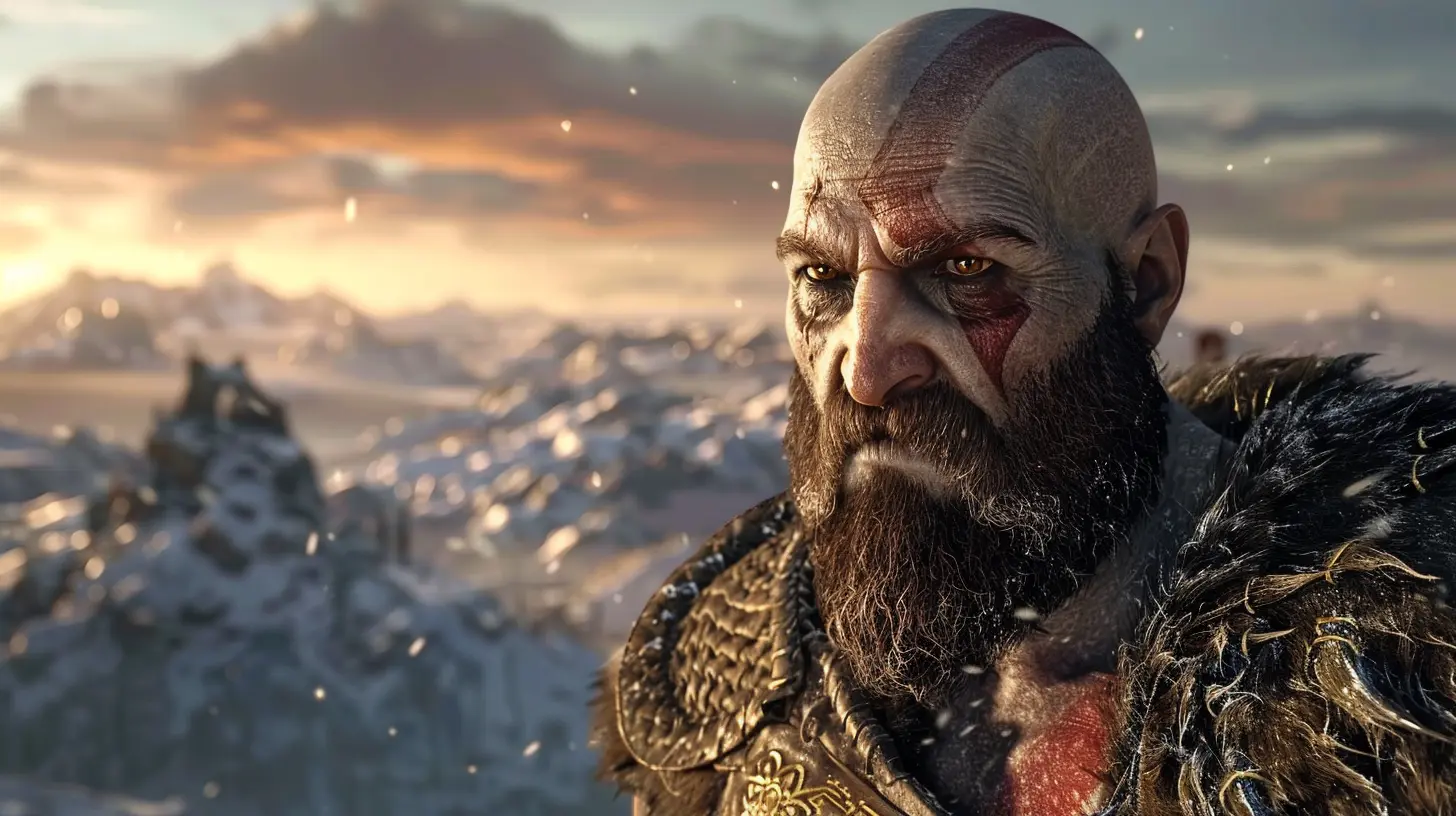
A Quick Recap: The Road So Far
Before we get into the juicy stuff, let’s pull back a bit. God of War Ragnarök is the epic conclusion to the Norse saga that started with the 2018 game. Kratos and his now-teenage son, Atreus (a.k.a. Loki), have been dodging fate, battling gods, and wrestling with their own identities.The stakes? Oh, nothing major. Just the literal end of the world.
As Ragnarok looms large, the father-son duo must navigate prophesies, personal growth, painful losses, and a divine war that promises to change the Nine Realms forever.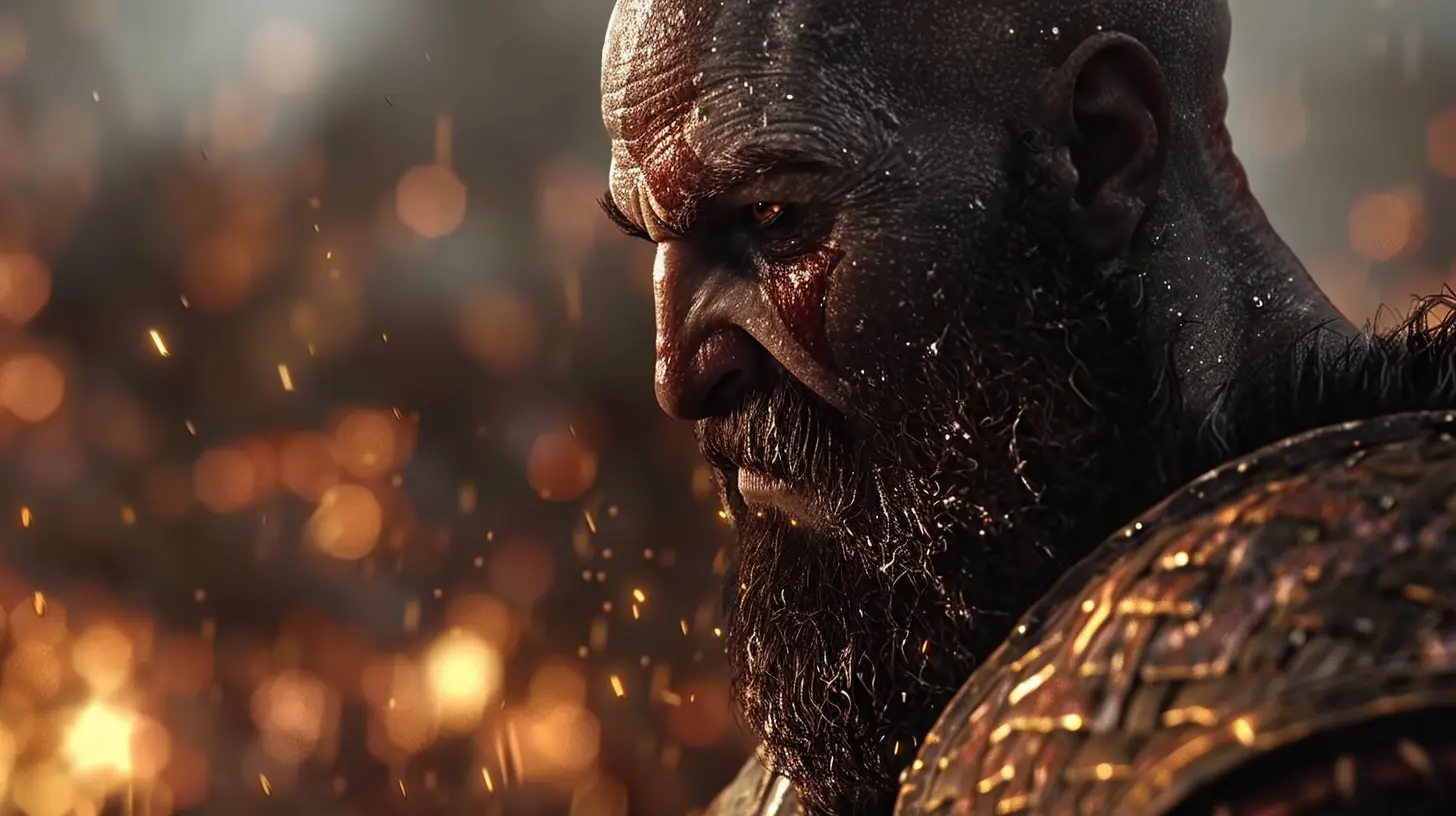
The Final Battle: Bringing On the End of the World
Alright, the climax of Ragnarök is nothing short of mythological chaos. Kratos and Atreus finally march into Asgard, leading an alliance of realms and races in a full-blown assault against Odin. Asgard is crumbling, the realms are at war, and Kratos is once again caught between vengeance and virtue.In the end, Odin is defeated, but not in the way we expected. And that's important.
Odin’s Defeat: Not Just Another God-Slaying
During the final confrontation, Kratos, Atreus, and their allies manage to subdue Odin. However, instead of Kratos delivering a revenge-fueled execution (which, honestly, we all expected), Atreus uses a magical mask to trap Odin’s soul in a marble-like spiritual prison.Here’s the kicker—Sindri, the once-gentle dwarf, crushes the marble, killing Odin's essence out of grief and rage over the death of his brother, Brok.
This moment carries a ton of weight. It shows that Kratos has truly changed. He resisted the urge to kill, finally breaking the cycle of god-slaying vengeance that defined his entire life. The torch, so to speak, was passed to someone else—symbolically marking a turning point in Kratos' character.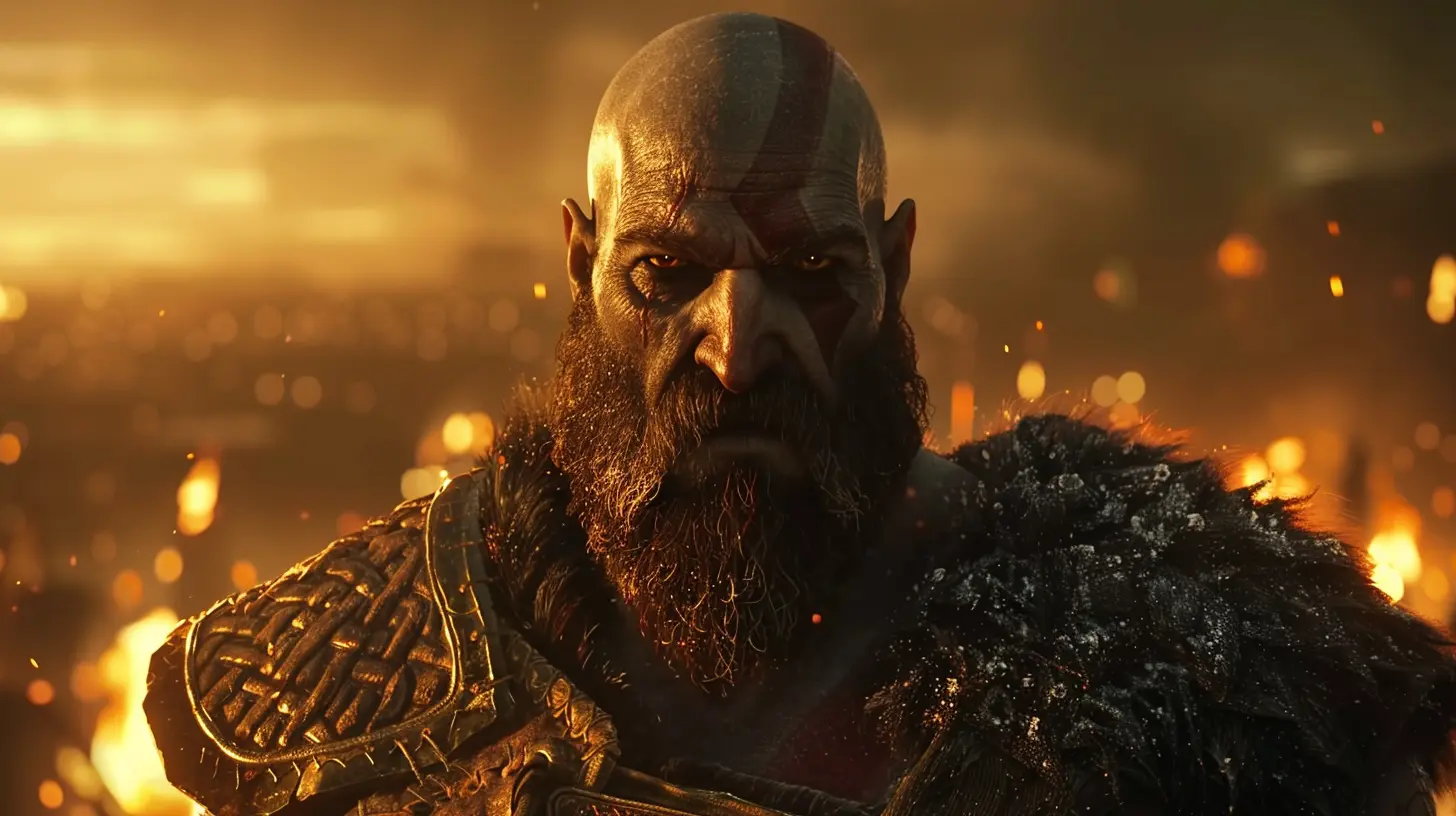
Atreus' Journey: Separation and Self-Discovery
After Odin’s fall, Atreus makes a huge decision—one that changes everything going forward. He chooses to part ways with Kratos to help the other Giants and figure out who he is without being under his father's shadow.It’s bittersweet, right? You’ve watched Atreus grow up through two games. He’s not that unsure boy anymore. He’s becoming his own person, and this farewell feels like a natural next step—even if it stings.
And Kratos? He lets him go.
For a man who once controlled everything through sheer force, this gentle acceptance speaks volumes. It’s emotional growth at its finest.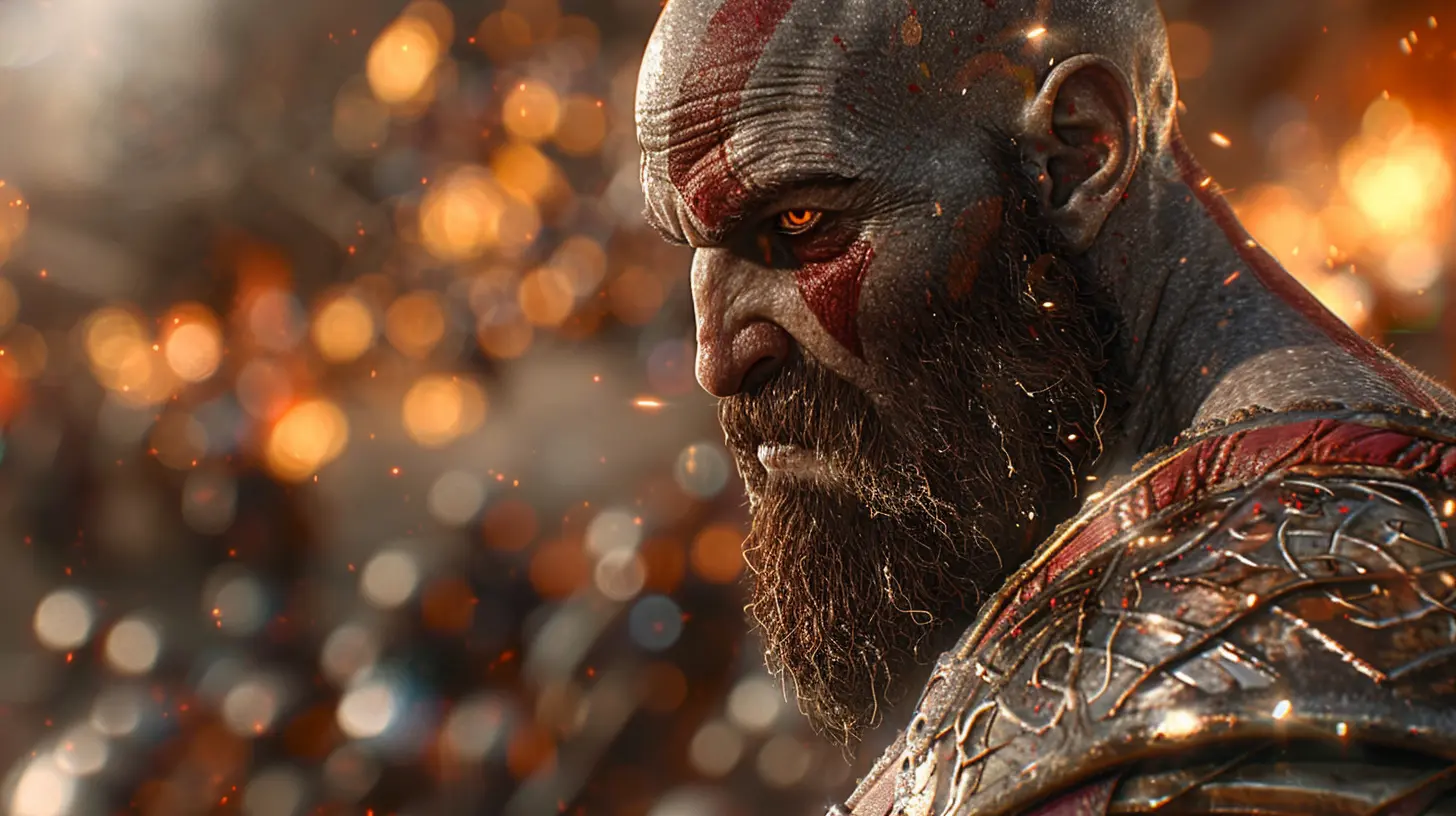
A New Fate for Kratos: The God of Peace?
Here’s where things get really fascinating.After Atreus departs, Kratos discovers a hidden mural that was covered up until now. Throughout the game, we’ve seen murals showing future events—prophecies, basically. Kratos feared his mural because it showed his death.
But the new mural? It shows something different.
Instead of dying, he’s honored. Worshipped. Celebrated.
This version of Kratos is no longer the “Ghost of Sparta.” He’s a revered figure—a god who brought peace. And that... that breaks his heart. Not out of sadness, but because, for the first time, he realizes that he can be more than a weapon, more than a destroyer. He can be a force for good.
From Destroyer to Redeemer
Let’s pause here.Kratos has spent literal centuries trying to outrun or atone for his past. He’s been the villain and the antihero. But this moment? It’s the first time he sees a future where he’s neither. He sees a future where he's loved, respected—not feared.
That’s enormous. It's like watching Darth Vader remove his helmet and suddenly becoming the Jedi he was always meant to be. Except replace lightsabers with axes and emotionally-wrought Spartan grimaces.
What Does This Mean for Kratos Going Forward?
Okay, so Odin is gone, Atreus is off doing his thing, and Kratos just found out he has the potential to be a beloved god. What now?Let’s break it down.
1. A New Chapter, Not the End
Santa Monica Studios has made it clear that the Norse saga ends here, but that doesn’t mean Kratos’ story is over. This ending doesn’t wrap things up with a neat little bow—it opens a brand-new door.Kratos could now become a guide, a mentor, a protector of the realms instead of a destroyer. There’s potential for exploring other mythologies (Egyptian gods, anyone?), but even within the Norse realms, unfinished business lingers.
2. Rebuilding, Not Raging
With Asgard fallen and the realms in recovery, Kratos has a unique opportunity to help rebuild what’s been broken. The Nine Realms aren’t just battlegrounds—they’re homes to mortals, elves, dwarves, and more.He’s no longer running from his past. He’s walking into his future. Peace might not be easy, but it could be possible.
And let’s be honest, Kratos as a peacemaker? That’s a narrative plot twist no one saw coming.
3. Legacy Over Vengeance
The mural revelation also doubles down on legacy. That’s been a running theme since the 2018 God of War. What does it mean to leave something lasting behind? For Kratos, it used to mean blood and dread. Now? It might mean hope.Even in Atreus' departure, Kratos sets an example—a legacy of choice, self-discovery, and compassion. That’s world-altering stuff.
Sindri’s Tragedy: A Reminder of Consequences
We’d be remiss not to talk about Sindri.His arc takes a dark turn. Once a friendly, anxious dwarf, Sindri is now broken, hardened by Brok’s tragic death and his betrayal by Atreus. The crushing of Odin’s soul isn’t just vengeance—it’s grief personified.
While Kratos is evolving, Sindri is a stark reminder of what happens when pain festers instead of heals. His transformation shows that not everyone gets closure... and that’s brutally real.
Themes That Hit Hard: Fate, Change, and Fatherhood
God of War Ragnarök isn’t just visually stunning or full of epic boss battles—it’s thematically loaded. Let’s take a quick peek at the big ideas that gave the ending its emotional punch:Fate vs. Choice
The whole game plays with the concept of destiny vs. free will. Kratos was terrified of dying because a prophecy said so. But he changed the script. It's a powerful message: You’re not doomed by your past. You can choose a better path.The Cycle Ends
From murdering Greek gods to guiding Atreus toward empathy, Kratos ends the generational trauma. Instead of perpetuating violence, he promotes understanding. That’s as cathartic as it gets.Being a Dad Isn’t Just About Protection
It’s about letting go. Trusting your kid. Supporting them, even when it hurts. Kratos finally does that, and honestly? That’s more impressive than slaying gods.What's Next? Sequel Hints and Speculation
While Ragnarök wrapped up the Norse arc, it definitely left the door open for more. Whether it’s with Kratos, Atreus, or a new mythology entirely, we’ve got some educated guesses:Kratos in a New Mythology?
God of War has always danced through different pantheons. Now that Kratos has “conquered” both Greek and Norse mythologies, what’s next? Egypt and its rich lore have been teased before. Or even Celtic myths. The potential is massive.Atreus Spin-Off?
Now that Loki’s off to find the Giants and forge his own path, there’s room for a more narrative-driven, magical adventure featuring him. Less brawn, more brains and heart. Sign me up.Freya and the Realms?
Freya’s redemption arc is barely scratching the surface. As a queen, a warrior, and a grieving mother, she’s got layers. Maybe future games will let her step into the spotlight.Final Thoughts: A Masterclass in Storytelling
God of War Ragnarök’s ending isn’t just a climax—it’s a character metamorphosis wrapped in myth, emotion, and lots of axe-throwing. It closes one chapter beautifully while hinting at what’s still unwritten.Kratos—the relentless warrior turned hope-bearing god—is proof that even the most broken among us can change. And if that doesn’t stick with you long after the final credits roll, nothing will.
Whether we see him again in a few years or this is truly the end, one thing's for sure: Kratos has cemented his legacy as one of gaming's most unforgettable characters.
And honestly? We’re all the better for having gone on this journey with him.
all images in this post were generated using AI tools
Category:
Game Endings ExplainedAuthor:

Pascal Jennings