Exploring the Intersection of Concept Art and Final Graphics
2 August 2026
Ever played a game and marveled at how rich the environments look or how characters pop with personality and flair? That jaw-dropping visual appeal didn’t magically appear during rendering. Behind every sleek armor design and every fiery monster lair lies a crucial phase of the development process: concept art. But what happens between those early mood boards and the final game visuals? That’s where things get really interesting.
In this article, we’ll unpack the fascinating journey from concept art to final graphics, breaking down how the two connect, collide, and co-evolve in the game development pipeline. Whether you’re an aspiring game artist, a curious gamer, or someone who appreciates the artistry behind the pixels, you’re in for a treat.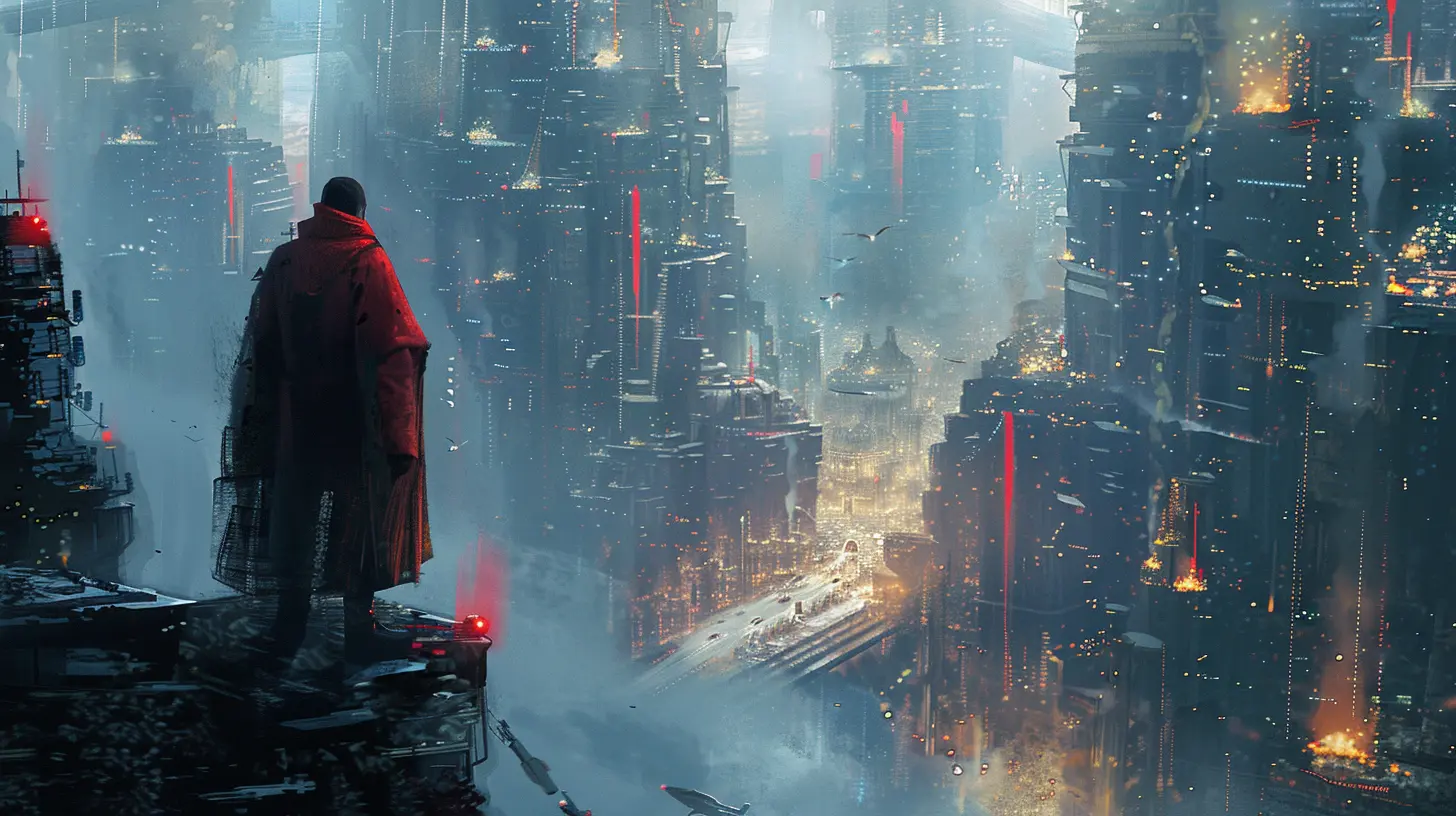
What Is Concept Art, Really?
Let’s kick things off with the basics. Concept art is like a map for the visual imagination of a game. It’s where ideas breathe for the first time—before any code is written or 3D models are built.Imagine writing a book. You wouldn’t head straight into publishing without outlining the plot, right? Same goes for video games. Concept artists sketch out characters, props, environments, and entire worlds to nail down the tone, mood, and aesthetic direction of a game.
Concept art answers questions like:
- What’s the vibe of this world?
- What do characters wear?
- What does a futuristic city look like under alien occupation?
Pretty cool, right?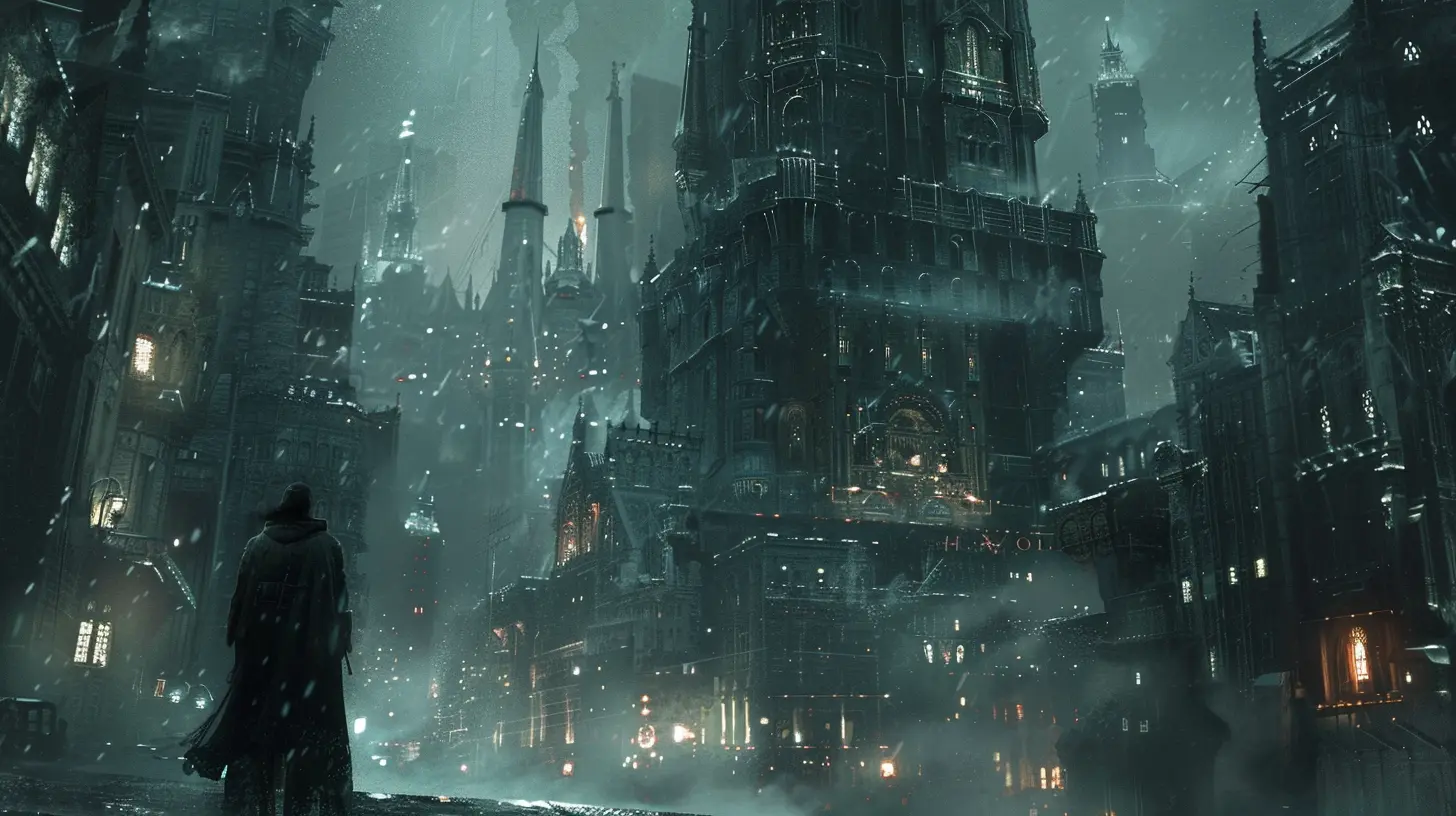
The Purpose of Concept Art in Game Development
Let’s be clear: concept art isn’t just pretty pictures to post on Twitter. It serves several key roles in the development pipeline:1. Visual Blueprint
Think of it as architectural blueprints for game visuals. It sets the visual standard everyone else will follow—modelers, animators, texture artists, and even marketers.2. Communication Tool
Games are usually built by big teams. Artists, designers, programmers, and producers need to be on the same page. Concept art helps communicate what the final game should "feel" and "look" like.3. Problem Solver
Designing a character that needs to be stealthy, beautiful, and robotic? That’s a tall order. Concept artists juggle functionality with style to make sure designs make sense—both visually and practically.
Transitioning from Concept Art to Final Graphics
Here’s where the real magic happens—transforming those initial sketches into the final animated, interactive versions we see in games. This transition isn’t always smooth. It takes collaboration, iteration, and sometimes a little creative compromise.Let’s unpack the journey stage by stage.
1. From Sketch to 3D Model
Once the concept is approved, it moves to the next crew—3D modelers. Their job? To sculpt and build the artwork using 3D software like Blender, Maya, or ZBrush.Concept artists often provide multiple angles (front, side, back) of characters or props to help modelers recreate them accurately. But guess what? Not everything from the 2D concept translates well into 3D. Some features might get tweaked, especially if they impact gameplay or animation.
For example, a sword that looks epic on paper might be too long and clip through walls in-game. So, adjustments are made while staying true to the original art.
2. Texturing and Shading
A raw 3D model is like a statue—it’s solid, but it lacks color and detail. This is where texture artists step in. They “wrap” the model in textures and materials that bring it to life.Remember that gritty, cracked armor in your favorite RPG? Or the slime dripping from an alien villain? That’s texture work at its finest.
Often, concept art includes samples of fabric types, surface finishes, and even lighting references to guide this process.
3. Animation and Rigging
Once models are textured, they're handed off to animators. Animation breathes life into characters—making them run, blink, emote, or attack.But here’s the tricky part: animations need to look good from all angles and run smoothly during gameplay. This is where practicality trumps the purity of the concept. Sometimes changes are made to the original design to make movements more fluid or realistic.
4. Environmental Lighting and VFX
Lighting is like the cinematic cherry on top. It sets mood, directs attention, and makes the game world feel real (even if it’s completely fantastical).Concept art might show a moonlit battlefield, but that doesn’t always look great during actual gameplay. Designers might tweak the lighting schemes dynamically to keep visuals clear and readable—especially during fast-paced action.
The same goes for visual effects (VFX) like particle systems, magic spells, dust, or explosions. They might not exist in the original concept but are crucial in elevating the final visual experience.
The Push and Pull: Artistic Vision vs. Game Mechanics
Now, it's not all sunshine and rainbows in the land of game art. The road from concept to final render is often paved with compromises.1. Gameplay Comes First
Ever wonder why a stunning concept design was toned down in the game? Chances are, gameplay needed to take the wheel. Imagine a beautifully detailed forest that's so dense, players can't see enemies sneaking up. Visual clarity often wins over artistic flourish in these battles.2. Technical Limitations
Concept art is painted without the constraints of engine limitations, memory budgets, or polygon counts. But in the real world, developers have to think about:- Frame rate
- Load times
- Console/PC/mobile performance
Sometimes, those gorgeous, flowing capes or intricate architectural details need to be simplified. Sad? A little. Necessary? 100%.
3. Audience Feedback
Games are made for players. If an art style doesn’t resonate during testing, it might be revised—even after concepting. Flexibility is key in an industry that thrives on iteration.How Modern Tools Are Narrowing the Gap
Here’s some good news. With tech advancing, the gap between concept art and final graphics is shrinking.Real-Time Concepting
Tools like Unreal Engine 5 and Unity support “real-time” art, where artists can test lighting and environments on the fly. This means concept artists can work closer to the final engine visuals right from the jump.3D Concepting
Many concept artists now use software like ZBrush and Blender to create 3D mockups. These “3D concepts” are way easier to hand off to modelers and often end up being used directly in prototyping.AI and Photogrammetry
AI-assisted textures and photogrammetry are being used to scan real-world objects into digital formats. This not only speeds up the workflow but keeps it hyper-detailed. Though AI has sparked debates, one thing’s for sure—the toolbox is growing.Legendary Examples of Concept Art vs. Final Game
Let’s geek out for a second and look at a few famous examples where concept art and final graphics walked hand in hand (or clashed heads).The Witcher 3: Wild Hunt
CD Projekt Red’s concept art was dark, painterly, and full of Slavic folklore vibes. The final game nailed it—moody skies, haunting creatures, and detailed villages straight out of a painting.Overwatch
Early concept art for Overwatch showed a more tactical military style, but Blizzard pivoted to a colorful, stylized look that appealed to a broader audience. And guess what? It worked. Overwatch’s final art style is now iconic.Cyberpunk 2077
Despite some layout changes and performance issues, many of Cyberpunk’s glowing Neo-Tokyo-style environments and tech-savvy characters came straight from its jaw-dropping concept art.Why Concept Art Still Matters—Big Time
With all the fancy tech and trend-chasing, you might wonder: is concept art still that important? Heck yes!Even as tools change, the human touch behind storytelling, imagination, and visual tone is irreplaceable. Concept art isn’t just about making things look cool—it’s about world-building, immersion, and making players feel something the moment they press “start.”
Final Thoughts
So, what’s the takeaway?Concept art and final graphics aren’t two separate worlds—they’re chapters in the same visual story. One sets the tone, the other brings it to life. Yes, compromises are sometimes made. And sure, not every detail makes the cut. But when done right, the transition from early sketches to final pixels is nothing short of cinematic poetry.
Whether you’re designing the next epic RPG, replaying classics with a new appreciation, or just sketching ideas on a napkin—know that the journey from concept to screen is where the real artistry lies.
all images in this post were generated using AI tools
Category:
Game GraphicsAuthor:
Pascal Jennings