Exploring the Diversity Within Gaming League Communities
14 August 2026
Gaming isn't just about racking up points, slaying dragons, or conquering your enemies anymore. It's become a global community, a melting pot of voices, perspectives, and passions. At the heart of this evolution? Gaming leagues—the lifeblood of competitive gaming that’s connecting millions of people from all walks of life.
But what really makes these communities tick? How do players from drastically different backgrounds come together, form bonds, and sometimes even rivalries, within the same digital battleground? Buckle up, because we’re about to dive deep into the fascinating diversity within gaming league communities.
What Exactly Are Gaming League Communities?
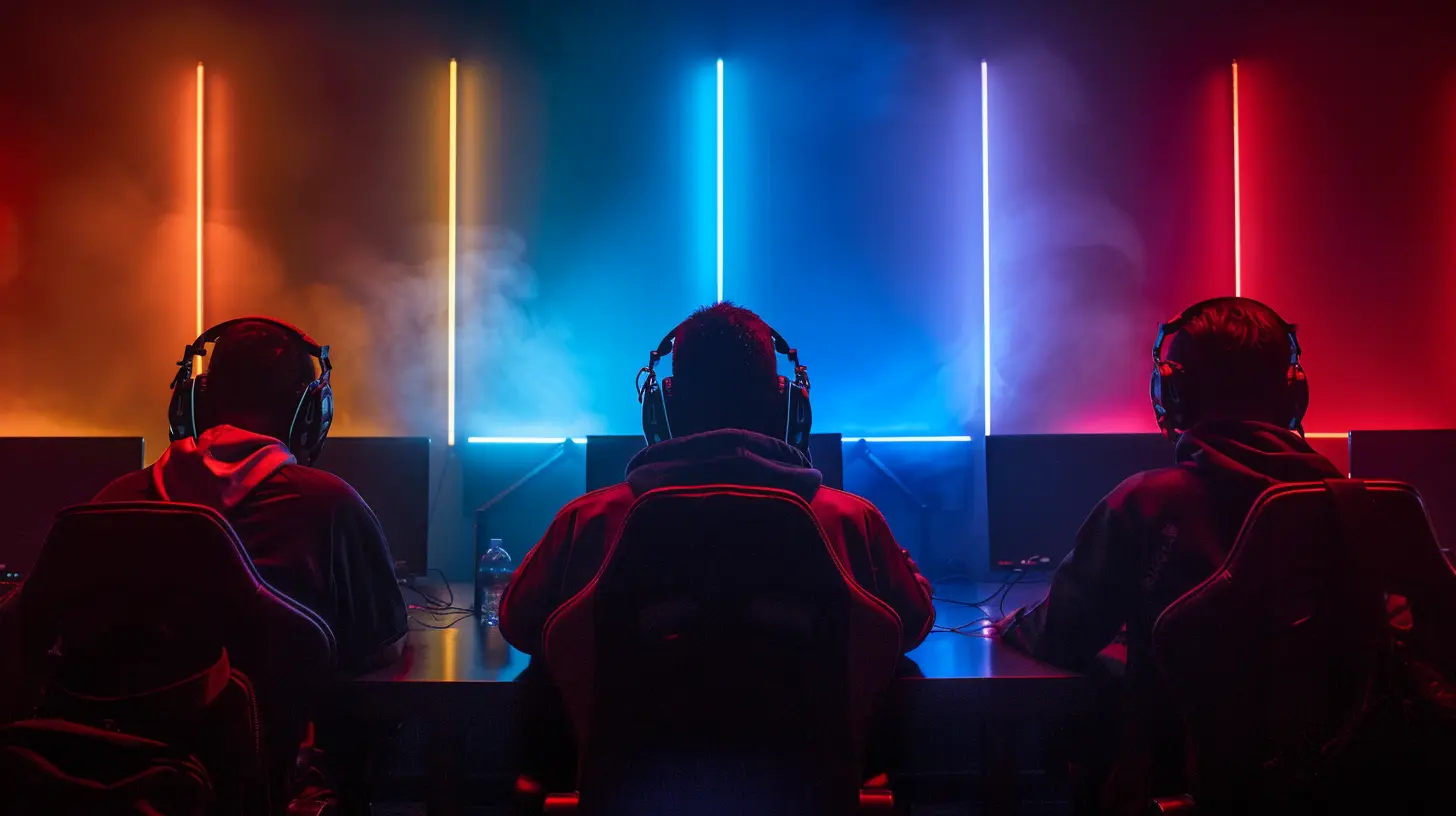
Before we go sprinting into the details, let’s take a second to clear up what we mean by "gaming league communities." You’ve heard of them—maybe even joined a few yourself. Whether it’s League of Legends, Call of Duty, Overwatch, Fortnite, Valorant, or Dota 2—at their core, these games host structured competitive systems.Gaming leagues are organized groups of players competing within tiers or divisions. There are amateur leagues, pro leagues, school-based leagues, and even age- or region-specific ones. And the communities that form around them? They’re insanely diverse.
From casual players in their teens to seasoned veterans in their 40s, from streamers to aspiring pros, from big-city dwellers to gamers posting up in tiny towns—it's all happening here. It's like a digital version of the Olympics, minus the fancy torch.
The Many Faces of Gaming League Communities
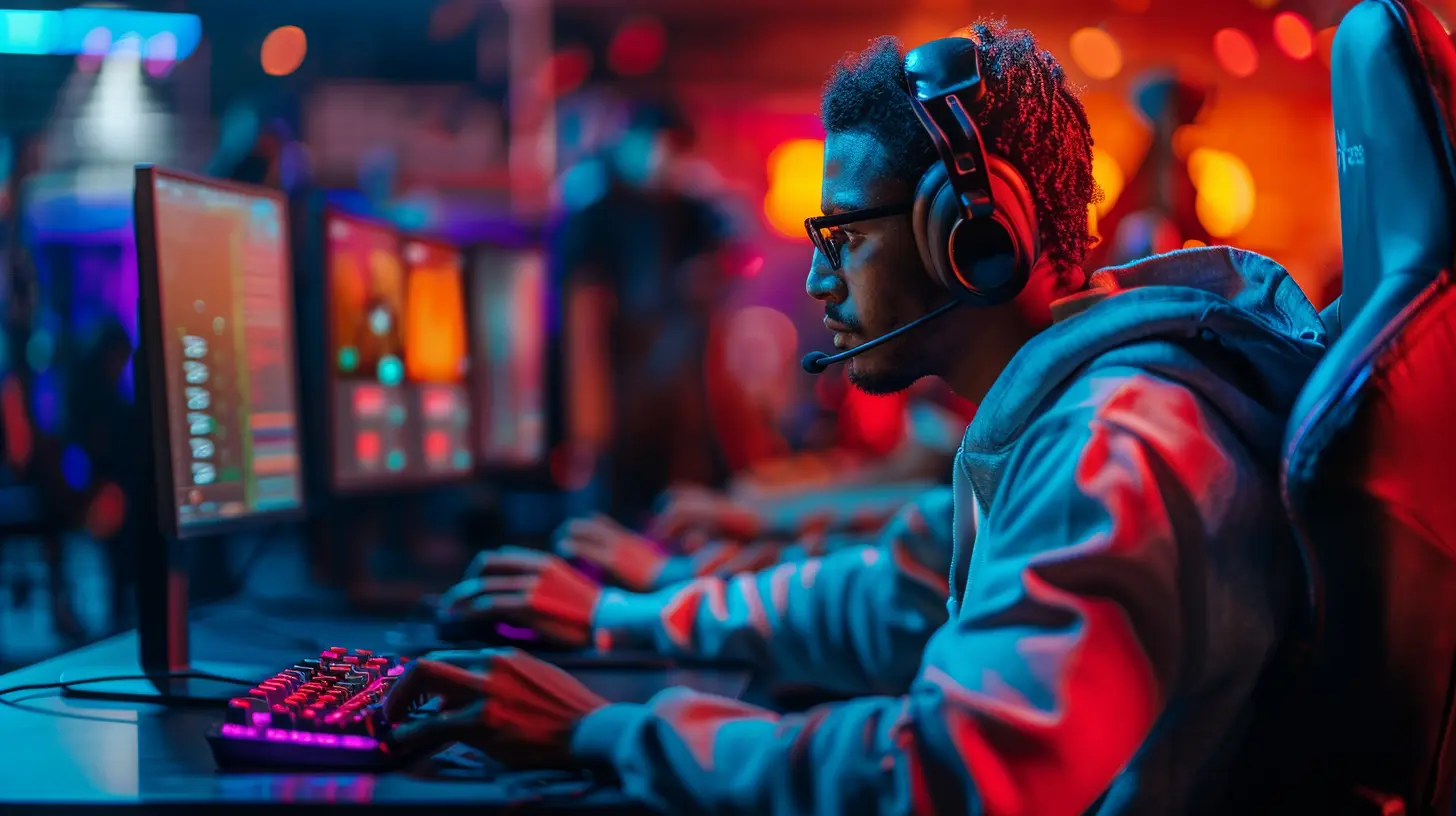
Gaming league communities are beautifully varied. Let’s unpack the layers of diversity that make them so intriguing.1. Cultural and Geographic Diversity
Let’s face it—gaming is global. The internet has zapped away borders, and now a kid in South Korea can team up with a gamer from Brazil in an instant. League communities connect people from different languages, time zones, and traditions.For example:
- In NA (North America), you might catch players chatting in English, flexing their memes mid-match.
- Hop into an EU server and you’ll hear accents from across the continent—German, French, Dutch, and more.
- In SEA (Southeast Asia), communities form with a mix of languages, slang, and even culturally relevant strategies.
This mix creates not just competition but cultural exchange—like a virtual potluck where everyone's bringing a different flavor to the table.
2. Gender Diversity
Gaming used to carry the stigma of being a “guy thing,” but that is so outdated it’s practically extinct. Women, non-binary folks, and all gender identities are an undeniable part of today’s gaming leagues.We’re seeing more women rising in esports, content creation, and game development. Organizations like GX3 and Women in Games are helping tear down barriers and support underrepresented genders in gaming spaces.
Sure, challenges still exist (we won’t sugarcoat it), but the presence and voice of diverse genders in gaming leagues are stronger than ever.
3. Age Inclusivity
Think gamers are all under 25? Not even close. Gaming leagues cater to a wide age range:- Teenagers grinding through ranked matches between homework sessions.
- College students balancing class schedules with scrims.
- Full-time workers squeezing in practice in the evenings.
- Parents stepping in for a few fun matches after the kids go to bed.
From Gen Z to Gen X and even Baby Boomers, gaming league communities have become cross-generational arenas. It’s not weird to get outplayed by a 14-year-old and a 45-year-old in the same session.
4. Differently-Abled Gamers
One of the most inspiring aspects of modern gaming leagues is how they’re becoming more inclusive for players with disabilities. With adaptive controllers, customizable keybindings, and better accessibility features, players who were once left out are getting to compete, chat, and thrive.Tournaments like the AbleGamers Charity events show just how much heart and skill is present in these communities. It’s proof that gaming truly is for everyone.
5. Gaming Skill Levels
Gaming leagues aren’t just filled with elite-level players or sweaty pros. You’ll find:- Newbies testing their skills.
- Mid-tier players shooting for ranked climbs.
- Veterans keeping their edge or mentoring others.
- Pros grinding for trophies and prize pools.
Each skill level brings its own community vibe. Some call it casual vs competitive, but it’s more like different musical genres. You’ve got your jazz lovers, your metalheads, and your indie fans—every zone has its flavor, and there’s room for everyone.
Community Culture: Beyond the Leaderboards
Think gaming leagues are just about the gameplay? Think again. The culture and people behind the screens are what make these communities really shine.Healthy Rivalries and Friendly Fire
Let’s not pretend there aren’t trash talks and rivalries—it’s part of the charm, right? But the best gaming communities know how to balance competition with camaraderie. That’s where you’ll find:- Teams joking around during matches.
- Longtime rivals shouting each other out after epic plays.
- Discord servers filled with memes and post-game banter.
It’s kinda like sports—it gets intense, but there’s respect at the core. And that shared love for the game ends up bringing people together, even when they’re on opposite teams.
Mentorship and Growth
One amazing part of diverse leagues is how naturally mentorship happens. Experienced players often help newcomers, whether it’s through YouTube tutorials, Reddit posts, or just hopping on a call to break down strategies.It creates a cycle of growth. Today’s noob is tomorrow’s shot caller. It’s beautiful, really.
Identity and Representation
Representation is a big deal. When players see people who look, talk, and think like them succeeding in gaming leagues, it opens the door. It says, “Hey, you belong here too.”Leagues that celebrate diverse players—through inclusive teams, featured matches, or shoutouts—help cultivate a feeling of belonging. And when you feel like you belong, you play better, connect better, and grow stronger.
Challenges Faced by Diverse Communities
Of course, not everything is sunshine and power-ups. Diverse communities within gaming leagues still face some hurdles—and we’ve got to talk about them.Toxicity and Gatekeeping
Let’s be real: online gaming can get toxic. Especially for marginalized players. Whether it's sexism, racism, or just plain trolling, it can ruin the experience.Gaming leagues that take a stand against this—through good modding, reporting systems, and community guidelines—are doing the vital work. The goal? Making league communities safe and fun for everyone.
Lack of Representation at the Top
Although gaming leagues are diverse at the grassroots level, the higher you go, the less varied it sometimes gets. Esports teams, tournament broadcasters, and gaming CEOs still skew towards a narrow demographic.This can discourage diverse voices from sticking around or pushing for the top. But with more advocacy and support, that’s starting to change.
Access and Affordability
Not all gamers have the same access to gear, stable internet, or time. Communities from underserved areas or countries can struggle to break into competitive leagues simply due to financial or infrastructural limits.Creating more inclusive tournaments with fewer barriers-to-entry, and supporting grassroots leagues, can make a HUGE impact.
The Power of Inclusive Game Design
Game developers play a big role in shaping the diversity of league communities. When devs build games with:- Accessible controls
- Multiple language options
- Inclusive character designs
- Community reporting tools
- Balanced matchmaking...
…the community thrives. Diversity isn’t just a checkbox—it’s in the DNA of great games. And when it’s baked in from the beginning, the leagues that form around the game become that much more welcoming.
Why Diversity Makes Leagues Better
Let’s circle back to the big question: Why does diversity even matter in gaming leagues?Well, imagine you’re building a team. Would you want five clones of the same player, all with identical ideas and strategies? Or would you want a squad where each person brings something different to the table—be it perspective, playstyle, or experience?
Diverse league communities:
- Drive creativity and strategy.
- Encourage empathy and teamwork.
- Build resilience and adaptability.
- Make the game more fun.
It’s like cooking—you need different spices to bring out the flavor. Diversity is what stops a game from going stale.
How You Can Encourage Diversity
Think you need to be a game dev or community manager to make a difference? Think again. All of us—players, streamers, organizers—can take steps to support diversity in our league communities.Here’s how:
- Be welcoming in chats and voice channels.
- Report bad behavior, and stand up when something’s off.
- Share resources and guides generously.
- Support underrepresented creators and streamers.
- Join or create inclusive leagues and guilds.
Your actions might seem small, but they can make someone feel seen, included, and respected. And that’s a win worth celebrating.
Final Thoughts
Gaming league communities are like intricate mosaics—each piece unique, but essential to the bigger picture. Their diversity is what gives them depth, heart, and longevity. By understanding, celebrating, and protecting that diversity, we make gaming not just a hobby, but a home.So next time you’re queuing up for a match or spectating a tournament, look beyond the avatars and usernames. There’s a world of stories, cultures, identities, and talents behind every screen—and that’s what makes gaming leagues a phenomenal part of modern culture.
Let’s keep leveling up, together.
all images in this post were generated using AI tools
Category:
Gaming LeaguesAuthor:

Pascal Jennings