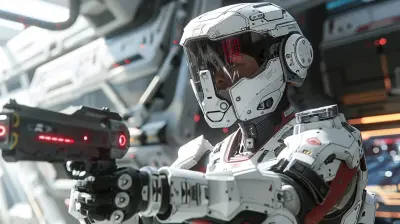
Customizing Your Universe: The Joy of Personalization in Sandbox Games
29 December 2025
Ever dream about crafting your own world from scratch? A place where you call all the shots, bend the rules, and create something truly yours? That’s exactly what sandbox games offer. These aren’t your run-of-the-mill video games where a prewritten story dictates your every move. Nope. Sandbox games hand over the reins, inviting you to dive into a world of boundless creativity and personalization.
But why is customization such a core part of the appeal? Why do we love it when a game lets us unleash our inner control freak and design our own adventures? Let’s dig into this fascinating topic and unpack the sheer joy of personalization in sandbox games.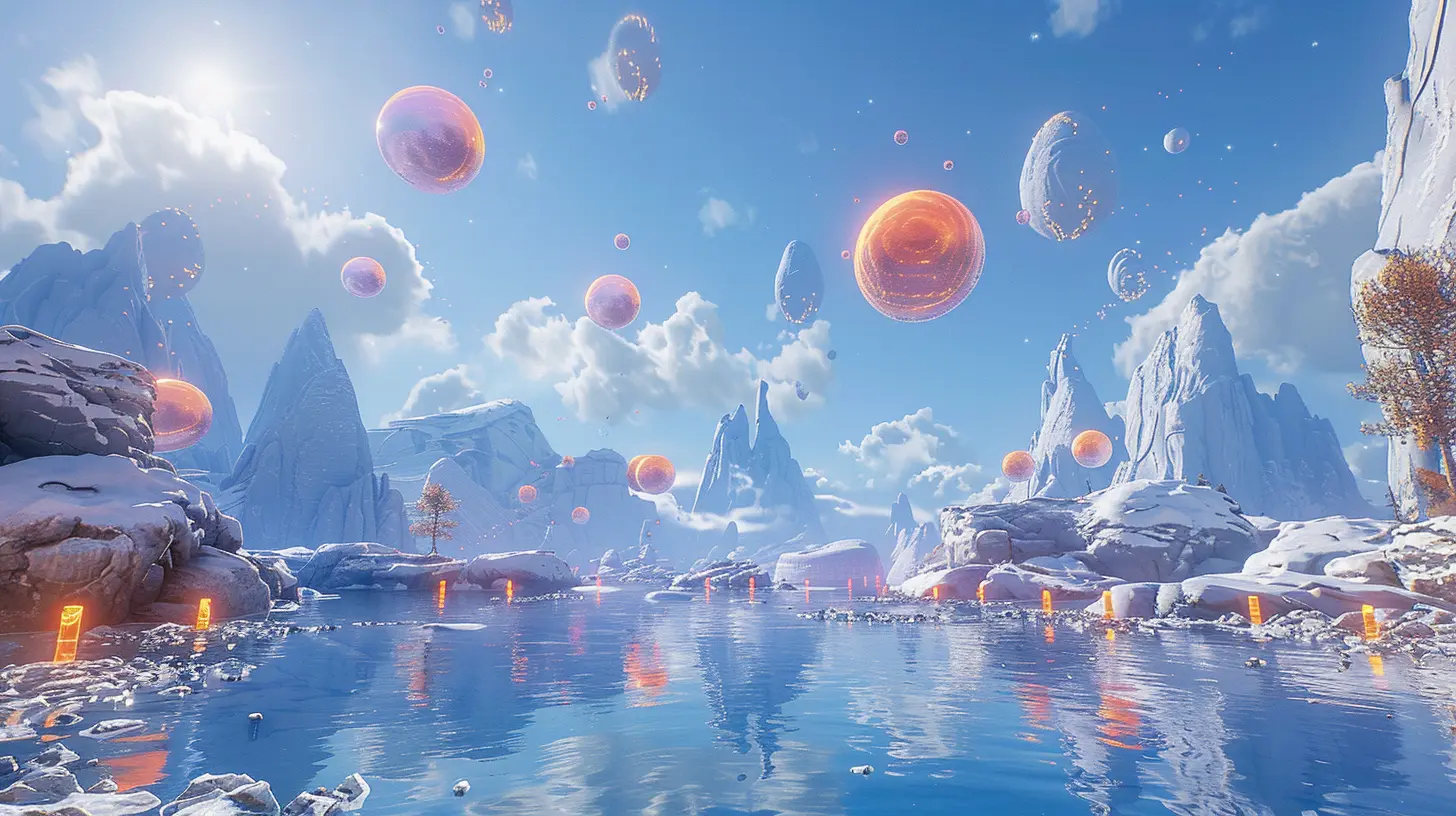
What Are Sandbox Games Anyway?
Before we dive into the juicy bits, let’s tackle the basics. What exactly are sandbox games? Think of them as the playground equivalent of gaming. Instead of a linear storyline and defined objectives, these games throw you into an open world and say, “Go nuts!” They encourage experimentation, exploration, and creativity. Whether you want to build a towering castle, terraform a planet, or just mess about, the choice is totally up to you.Games like Minecraft, Terraria, and The Sims are prime examples of sandbox games. They don’t tell you how to play—instead, they give you the tools and let your imagination run wild. And that’s where personalization becomes the secret sauce.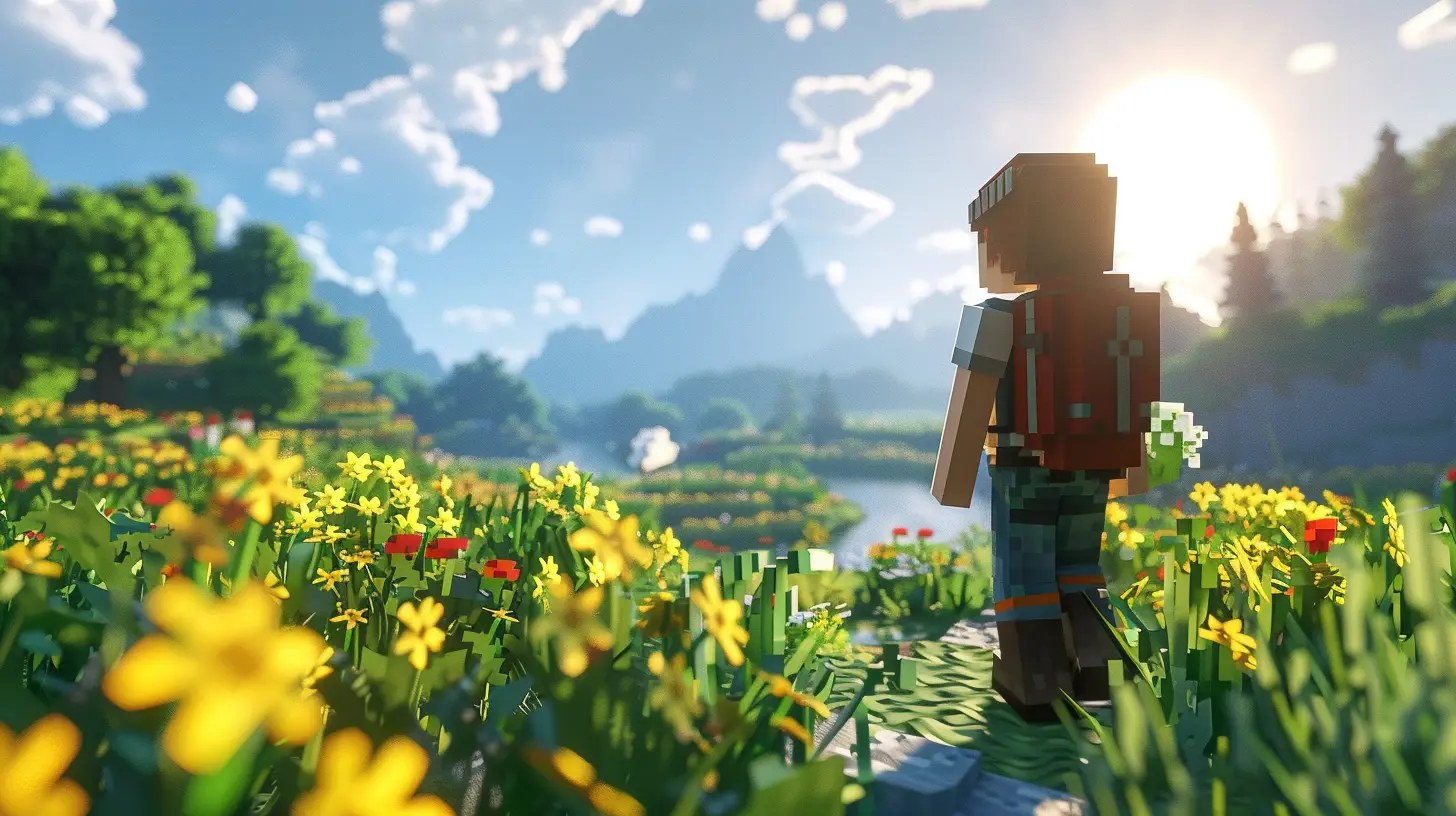
Why Personalization Feels So Good
Let’s be real—who doesn’t want to leave their mark on the world? Personalization in sandbox games is like a digital stamp of your personality. You’re not just playing in the game; you’re actively shaping it. This ability to customize lets players express themselves, experiment, and feel a unique connection to their virtual worlds.Ever spent hours designing your dream house in The Sims or tweaking your character’s outfit down to the color of their shoelaces? Yeah, same. It’s oddly satisfying, right? That’s because we’re wired to enjoy creating things that reflect who we are. When you personalize something, it feels less like a prefab experience and more like yours.
But there’s more to it than just slapping your name on things. Personalization in sandbox games taps into a deeper psychological need—the need for autonomy. You’re in control. You’re the architect of your own story. And that’s a pretty empowering feeling.
Building Worlds, One Block at a Time
Let’s talk about Minecraft for a second, because honestly, this game is the poster child for sandbox customization. If you’ve ever spent hours mining resources, building pixel-perfect structures, or crafting elaborate redstone contraptions, you know exactly what I mean.The beauty of Minecraft lies in its simplicity. It hands you a world made of blocks and says, “Here’s some dirt. Go build whatever you want.” Want to recreate Hogwarts? Sure. How about a cozy cabin in the woods? Go ahead. Or maybe you just want to dig a massive hole for no apparent reason—hey, no judgment. The point is, it’s your sandbox.
What makes this personalization so satisfying is how tangible it feels. You’re taking raw materials (stone, wood, iron) and turning them into something meaningful. It's like digital LEGO, but with infinite pieces and zero chance of stepping on a block barefoot.
Characters That Feel Like You
Now, let’s shift gears to character customization. Games like The Sims, Starbound, and Animal Crossing let you create avatars that feel like an extension of yourself. You can tweak everything from hairstyles to outfits to facial features. Want to give your character purple hair and a cyborg arm? Done. Prefer a more realistic look? That’s cool too.It’s not just about vanity, though. Personalizing a character makes you more invested in the game. It’s easier to feel connected to a character that looks and feels like you (or at least your idealized version of you). Plus, when you pour hours into a game, having a character that reflects your personality just makes the experience more enjoyable.
In multiplayer sandbox games, customization also helps you stand out. Your unique look becomes your digital identity, setting you apart from millions of other players. It’s a bit like picking out your outfit in real life—it’s all about self-expression.
Creating Your Own Rules
Sandbox games also shine when it comes to customizing the rules. Some games, like Garry’s Mod or Roblox, let you go full-on game designer. You can tweak mechanics, create new levels, or even script entire mini-games. It’s like the ultimate DIY playground for anyone with a creative itch.This level of freedom encourages experimentation. You can try wild, “what if” scenarios that’d never work in a traditional game. What if gravity didn’t exist? What if everyone had unlimited ammo? What if the floor was literal lava? Sandbox games let you answer these weird, wonderful questions.
Of course, this also means you can break the rules in hilarious ways. Who hasn’t spawned a ridiculous number of NPCs in Garry’s Mod just to watch the chaos unfold? It’s silly, sure, but it’s also a testament to the endless possibilities of sandbox games. When anything is possible, there’s no right or wrong way to play.
Community-Driven Creativity
One of the coolest things about sandbox games is how much they thrive on community-driven creativity. Games like Roblox and Dreams are practically built around user-generated content. Players don’t just customize their own experiences—they share them with others.This creates a never-ending cycle of creativity. One player designs a jaw-dropping map or mod, and suddenly, millions of others get to enjoy it. It’s like a digital snowball effect, with personalization at its core.
Take Minecraft servers, for example. There are custom worlds, game modes, and even full-on recreations of real-life cities—all made by players. When personalization meets collaboration, the results can be mind-blowing.
The Future of Personalization in Sandbox Games
So, what’s next? As technology evolves, the possibilities for personalization in sandbox games are only going to get bigger and better. Think hyper-realistic graphics, AI-driven customization, and entire planets to terraform (looking at you, No Man’s Sky).Virtual reality (VR) is another game-changer. Imagine stepping into your personalized Minecraft world in full VR. Or sculpting characters with your hands instead of a mouse and keyboard. The future of sandbox games isn’t just about customizing what’s on the screen—it’s about blurring the line between the virtual world and reality.
And let’s not forget artificial intelligence. AI could revolutionize how we customize and interact with our virtual worlds. Want a sidekick that learns your play style and personality? Or NPCs that react to your creations in lifelike ways? The sky’s the limit.
Why It All Matters
At the end of the day, personalization in sandbox games is about more than just aesthetics. It’s about empowerment, creativity, and self-expression. These games remind us that we’re not just passive consumers—we’re creators, dreamers, and world-builders.So next time you’re spending hours perfecting the layout of your Sims home or crafting the ultimate fortress in Minecraft, remember: it’s not just a game. It’s your universe. And you’re making it uniquely yours.
all images in this post were generated using AI tools
Category:
Sandbox GamesAuthor:

Pascal Jennings
Discussion
rate this article
2 comments
Kristina Gray
Great article! Personalizing our experiences in sandbox games truly enhances our connection to the universe we create. It's amazing how each player's unique touch brings these worlds to life!
January 12, 2026 at 4:49 PM
Pascal Jennings
Thank you! I'm glad you enjoyed it. Personalization really does make each world feel special and unique.
Stephanie McClendon
Fantastic article! Your insights on the importance of personalization in sandbox games truly resonate. It's amazing how customization enhances player engagement and creativity, making each unique universe an exciting adventure. Thank you for sharing!
December 30, 2025 at 3:29 PM
Pascal Jennings
Thank you so much for your kind words! I'm glad you resonated with the insights on personalization in sandbox games. Happy gaming!