Creating Atmosphere Through Minimalist Art Styles
13 July 2026
Let’s talk about one of the most subtle yet powerful ingredients in modern game design: minimalist art styles. Yeah, we live in an era where hyper-realistic graphics are hitting hard, rendering every leaf, pore, and blade of grass in jaw-dropping detail. But guess what? Some of the most atmospheric and emotionally charged games out there ditch the bells and whistles. Instead, they lean into simplicity. And it works—beautifully.
So, how does stripping visuals down to the bare essentials actually create a rich, immersive atmosphere? Buckle up, because we’re diving headfirst into the world of minimalist magic and why it packs such a punch when done right.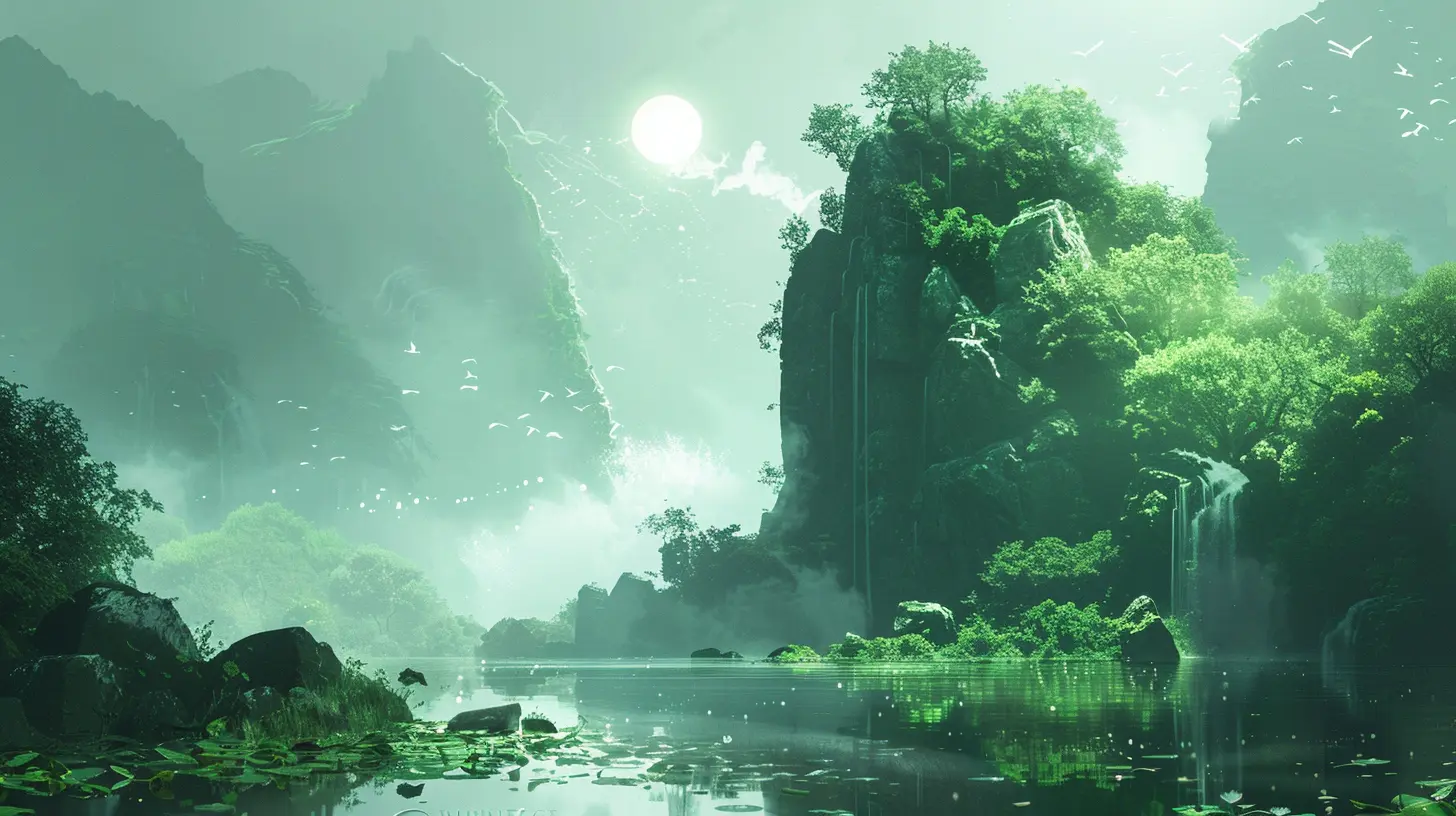
What the Heck Is Minimalist Art in Games Anyway?
Minimalist art in gaming is all about doing more with less. Think simple shapes, limited color palettes, and stripped-down environments. But don’t be fooled—it’s not “lazy” design. It’s precision. It’s intentional.Minimalist art removes distractions. It allows the core of the game—its emotions, mechanics, and mood—to shine. You're not overwhelmed by unnecessary clutter. Instead, you're pulled into a cleaner, more focused experience. It's like decluttering your bedroom. Suddenly, your favorite painting on the wall feels more powerful.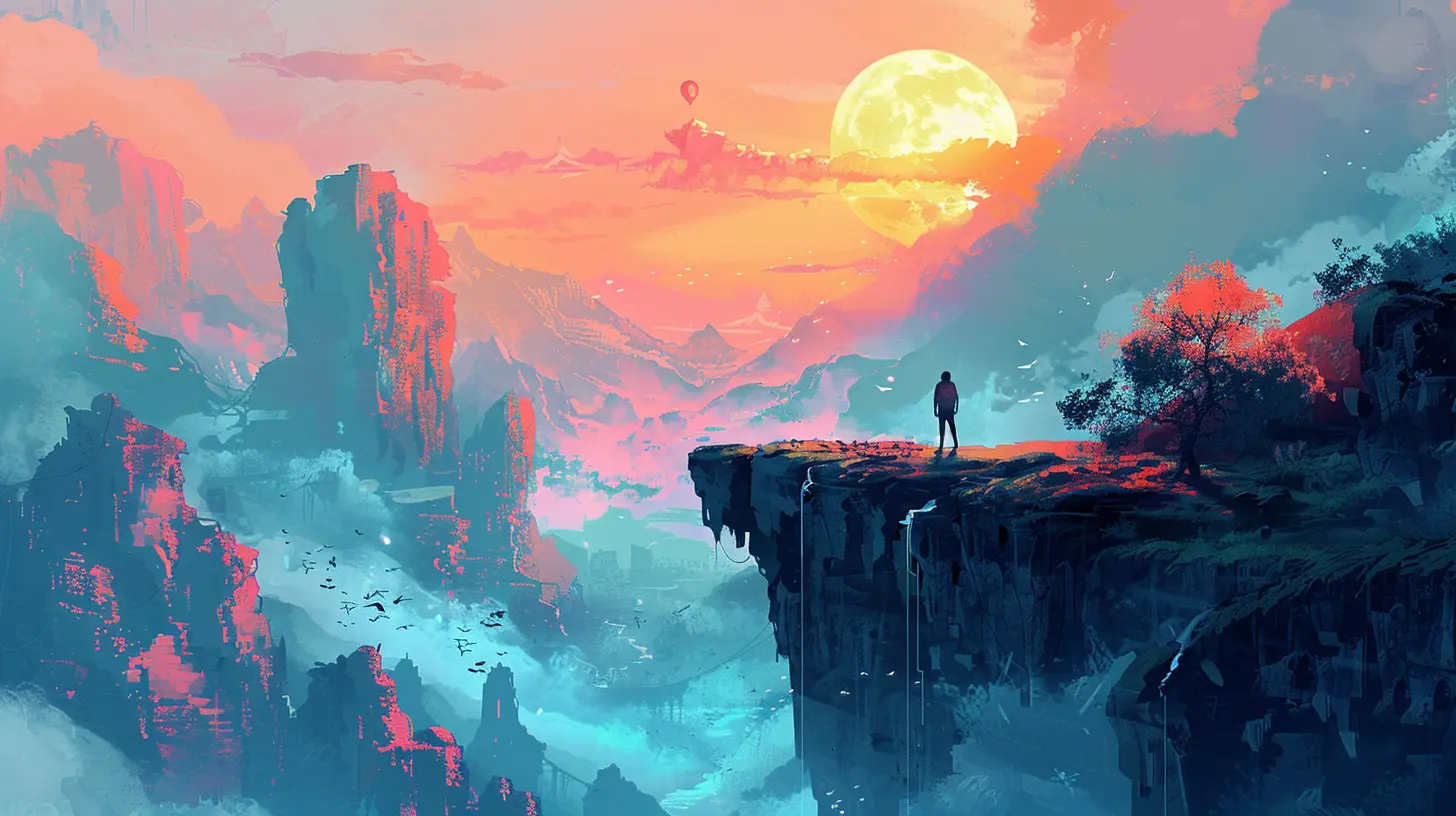
The Heart of Atmosphere: Mood, Emotion, and Tone
Before diving into how minimalist art builds atmosphere, let’s ask the obvious: what even is “atmosphere” in a game?Atmosphere is that intangible vibe you feel when you’re playing. It’s spooky. It’s serene. It’s lonely. It’s magical. It’s an emotional cocktail stirred by visuals, sound, writing, and gameplay. And oh boy, minimalist art has this uncanny talent to amplify that vibe like a boss.
Why? Because with less visual fluff, each element carries more emotional weight. The silence feels deeper. The colors feel louder. The shapes feel more symbolic.
Less Is More: The Psychology Behind Minimalism
Here’s where it gets juicy. There’s real psychology behind why minimalist visuals can be so emotionally striking.We humans are wired to find patterns and meaning. When you remove all the extra details, our brains rush to fill in the blanks. That act of imagining, interpreting, and projecting meaning? That’s emotional engagement on steroids.
Remember Limbo? That eerie black-and-white side-scroller? It barely uses color, and yet it makes your skin crawl. Or how about Journey? A game with vast, open deserts and a faceless protagonist, yet you felt… everything.
Minimalism isn't about doing less. It's about focusing more.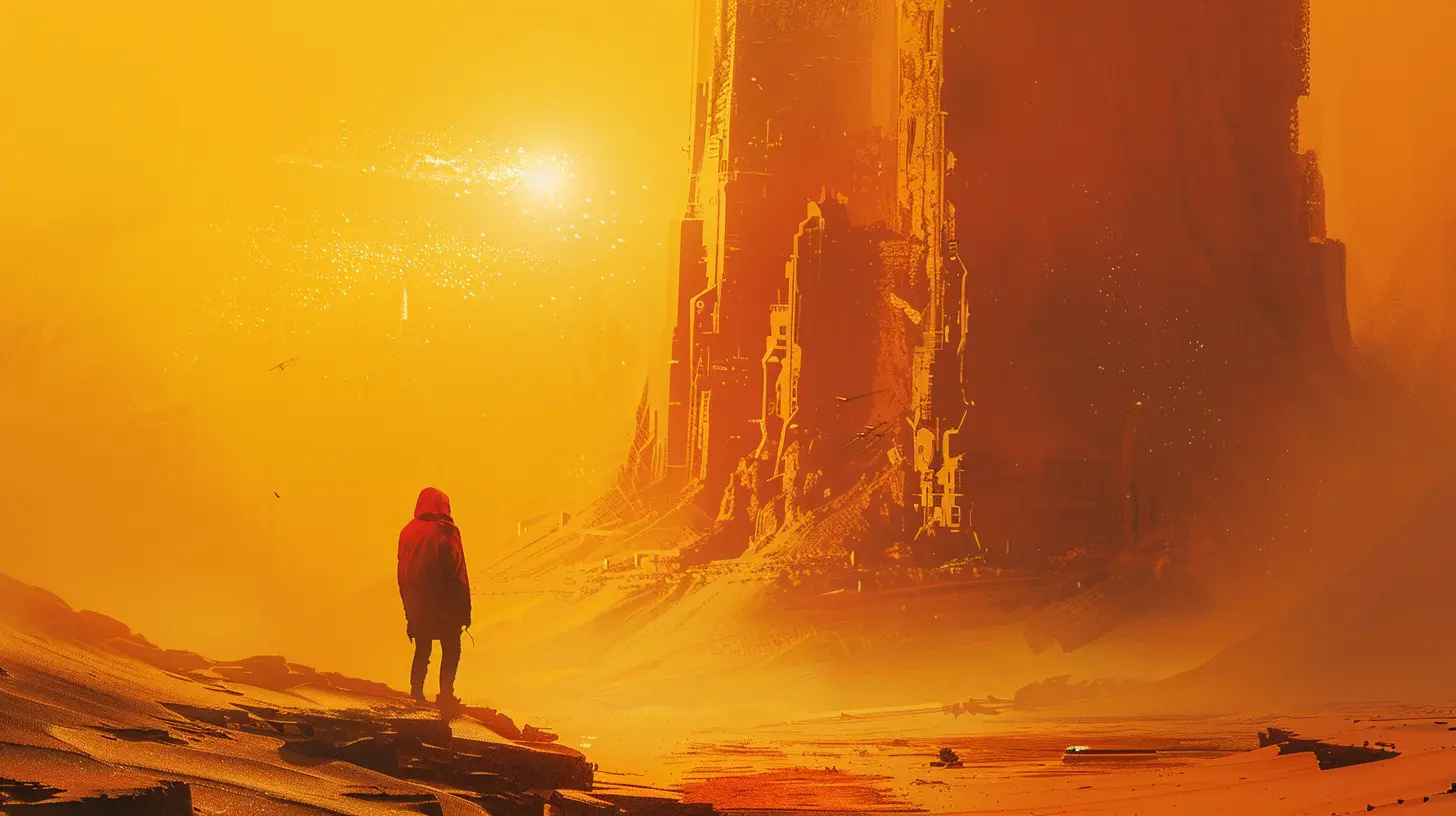
Emotional Freedom: Letting Players Fill the Gaps
Here’s a little secret: when a game doesn’t show you everything, it invites you to invest more emotionally. In this way, minimalist art becomes a tool for storytelling.Look at the faceless characters, the vague landscapes, the abstract shapes. They’re not generic—they’re universal. They let players project their own feelings, memories, and interpretations onto the world. That’s a level of engagement that detailed realism can’t always touch.
It’s like reading a poem instead of an instruction manual. You feel more. You think more. You remember more.
The Power of Negative Space
Negative space (yup, the empty areas) is a superstar in minimalist design. When used well, it doesn’t just look cool—it shapes the mood.Large, empty backgrounds can feel vast and lonely or peaceful and dreamy. Sparse environments can send a thousand messages without saying a word. That quiet corner in a deserted building? It might scream desolation or whisper tranquility, depending on the context.
Negative space lets the atmosphere breathe. And in that silence, emotion has room to grow.
Rhythm and Repetition: Minimalism as Music
Think of minimalist art like a steady beat in a song. It sets the rhythm. Repeating patterns, symmetrical shapes, and consistent palettes create a visual tempo. This rhythm can be calming or unsettling, depending on how it’s played.Take Monument Valley. It’s a puzzle game wrapped in Escher-like geometry and pastel colors. Its minimalist style isn’t just pretty—it reinforces its dreamlike rhythm. It lulls you into a meditative flow.
Or look at Superhot. A game where time moves only when you do. The color scheme is basic: red enemies, white rooms, black weapons. But that clarity helps you process fast-paced combat without chaos. It’s visual rhythm used as functional design.
Color Is King (Even When There’s Barely Any)
Let’s be real—color can be 80% of the emotional tone in a scene. And minimalist games use color like snipers use bullets—precisely, sparingly, and to devastating effect.Ever notice how a splash of red in a black-and-white world hits harder? That’s intentional. When there’s less going on, every color choice screams louder.
Designers of minimalist games often use colors to:
- Signal danger (think HOTLINE MIAMI’s neon blood-fest)
- Set emotional tone (gray for melancholy, blue for calm, orange for warmth)
- Guide players’ attention without menus or HUDs
No need for photorealistic sunsets. Just a warm gradient and boom—you’re feeling nostalgic.
Immersion Over Information
Traditional AAA games tend to stuff the screen with information—health bars, maps, mission lists, and button prompts. It’s practical, sure. But atmospheric? Not really.Minimalist games often say “nah” to all that clutter. They rely on environmental storytelling, intuitive controls, and simple visual cues to immerse the player. No constant reminders that you’re playing a game. Just you and the world.
Take INSIDE by Playdead. It doesn’t tell you what to do. There are no icons or tutorials. You just… move. It trusts you. And in that trust, you feel more connected.
Animation: The Silent MVP
Minimalist art might be simple, but animation? That’s where the magic often sneaks in.Small details like the sway of grass, the flicker of a candle, or the hesitation in a character’s step can bring a scene to life. In minimalist design, these micro-animations don’t get buried under explosions and chaos. They stand out. They speak.
And sometimes, they scream. Remember the jittery puppets in Little Inferno? They made a cozy fireplace feel downright creepy.
Minimalist Sound Design: The Invisible Twin
We can’t talk atmosphere without talking sound. And minimalist visuals often go hand-in-hand with subtle, haunting sound design.Games like ABZÛ or GRIS pair soft visuals with ambient music, sparse dialogue, and natural sounds. Together, they create an emotional cocktail that hits deep.
In fact, when visuals are minimalist, your brain leans harder into the audio. It's like when you blindfold yourself and suddenly every sound feels closer, sharper, more dangerous.
So yeah—less visual clutter = more room for powerful sound design.
Real Talk: Why Choose Minimalism?
Let’s get honest here. Why would a developer go minimalist in the first place? Is it just budget constraints or something deeper?Sure, it’s cheaper than rendering every freckle on a dragon’s butt. But more than that, minimalist styles allow indie devs to punch way above their weight class. They can tell profound stories, evoke real emotions, and craft unforgettable experiences without a massive team.
Minimalist art is a conscious design choice. One that says, "Let’s focus on feeling, not flashing lights.”
Games That Nailed It
Let’s shout out some games that went minimalist and absolutely owned it:- Limbo & INSIDE – Monochrome nightmares that crawl under your skin.
- Journey – Silent, simple, spiritual.
- GRIS – Watercolor beauty layered with emotion.
- Hyper Light Drifter – Retro pixel art meets modern moodiness.
- Monument Valley – A pastel dreamscape of puzzles and perspective.
- Thomas Was Alone – Literally just rectangles... yet somehow full of soul.
Each of these games proves that you don’t need Hollywood graphics to tell unforgettable stories or build immersive worlds.
Final Thoughts: Minimalism Isn’t Minimal Impact
Let’s be clear—minimalist art isn’t some shortcut or fallback. It’s a bold design philosophy that takes guts, restraint, and vision. When done right, it creates atmosphere so thick, you could slice it with a controller.It invites emotion instead of demanding it. It whispers instead of screaming. And more often than not, that whisper hits way harder.
So next time you boot up a game with simple shapes or a limited color palette, don't scoff. Lean into it. Let yourself feel. Because somewhere in that visual silence, there's a story screaming to be heard.
all images in this post were generated using AI tools
Category:
Game GraphicsAuthor:

Pascal Jennings