Cooldowns and Energy Meters: Managing Abilities in Real-Time Combat
26 October 2025
Let’s be honest — there’s nothing quite like the thrill of real-time combat in your favorite game. The heart-pounding intensity, the split-second decisions, the clutch plays — it's why we keep coming back for more. But what often flies under the radar are the systems behind those actions: cooldowns and energy meters. These aren't just mechanics. They’re the pulse, the heartbeat, and the rhythm of real-time combat.
In this article, we’ll dive into the nitty-gritty of cooldowns and energy systems, unravel how they shape gameplay, and why they matter so much. If you’ve ever asked yourself why you can’t just spam your most powerful ability… well, buckle up. You’re about to find out.
What Are Cooldowns and Energy Meters?
Before we go deep, let’s get the basics down.- Cooldowns are timers that prevent you from using a specific ability again until a set amount of time has passed.
- Energy meters (or stamina, mana, rage — they go by many names) limit how often or how powerfully you use abilities based on a pool of points or percentage that regenerates over time or through actions.
Simple ideas, right? But, oh boy, the way they’re implemented can make or break a game.
Imagine if every ability was spammable. Chaos, right? No thought, no resource management — just button mashing galore. That's where these mechanics shine. They force us to think, act smartly, and time our moves. They shape the flow of battle.
Why Timing Matters: The Role of Cooldowns
Let’s say you’re playing an action RPG. You’ve got your big ultimate ability — you know, the massive AOE attack that clears the room. Would it be fun if you could use that every five seconds? Maybe for a minute. But eventually, it’d feel like cheating.Cooldowns inject tension and strategy into the mix. You need to hold that ability for the right moment. Like the old saying goes, “Just because you can, doesn’t mean you should.”
Breaking Down Cooldown Types:
- Global Cooldowns (GCD): Affect all your abilities. Ever hit one skill and then found you couldn’t press another for a split second? That’s a global cooldown at work. It spreads out your gameplay to avoid ability spamming.- Individual Cooldowns: Only affect the ability you used. So if your stun is on a 10-second cooldown, you can’t use it again for 10 seconds, but other abilities are still fair game.
- Shared Cooldowns: Multiple abilities share the same timer. Use one, and the rest get locked too. It’s like choosing your weapon in a duel — you better pick the right one.
Games like World of Warcraft, League of Legends, and even FPS titles like Overwatch all rely heavily on cooldowns to balance combat. These timers force players to think, not just react.
Energy Systems and Resource Management
Now let’s shift gears and talk energy. If cooldowns control when you use abilities, energy meters control how often and how much you can use them.Picture this: You’re a rogue in an MMORPG. You deal high burst damage, but every move drains your stamina. That means if you go all-in, you’ll be tapped out fast unless you manage your bar wisely. It's the classic "burn fast or burn smart" scenario.
Types of Energy Systems:
- Mana: Common in fantasy games. Used mostly by spellcasters. It regenerates slowly and limits powerful spells from being overused.- Stamina/Energy: Used by physical classes. Think dodging, attacking, sprinting. Often regenerates faster than mana.
- Rage/Fury: Builds up as you take or deal damage. Usually seen in aggressive melee classes.
- Ammo or Charges: Numbers of available uses. Think arrows for archers or gadgets in shooter games.
Each resource tells you something about your character’s style. Mages must plan. Warriors build up. Rogues must choose their moment. It’s a beautiful, dynamic balancing act.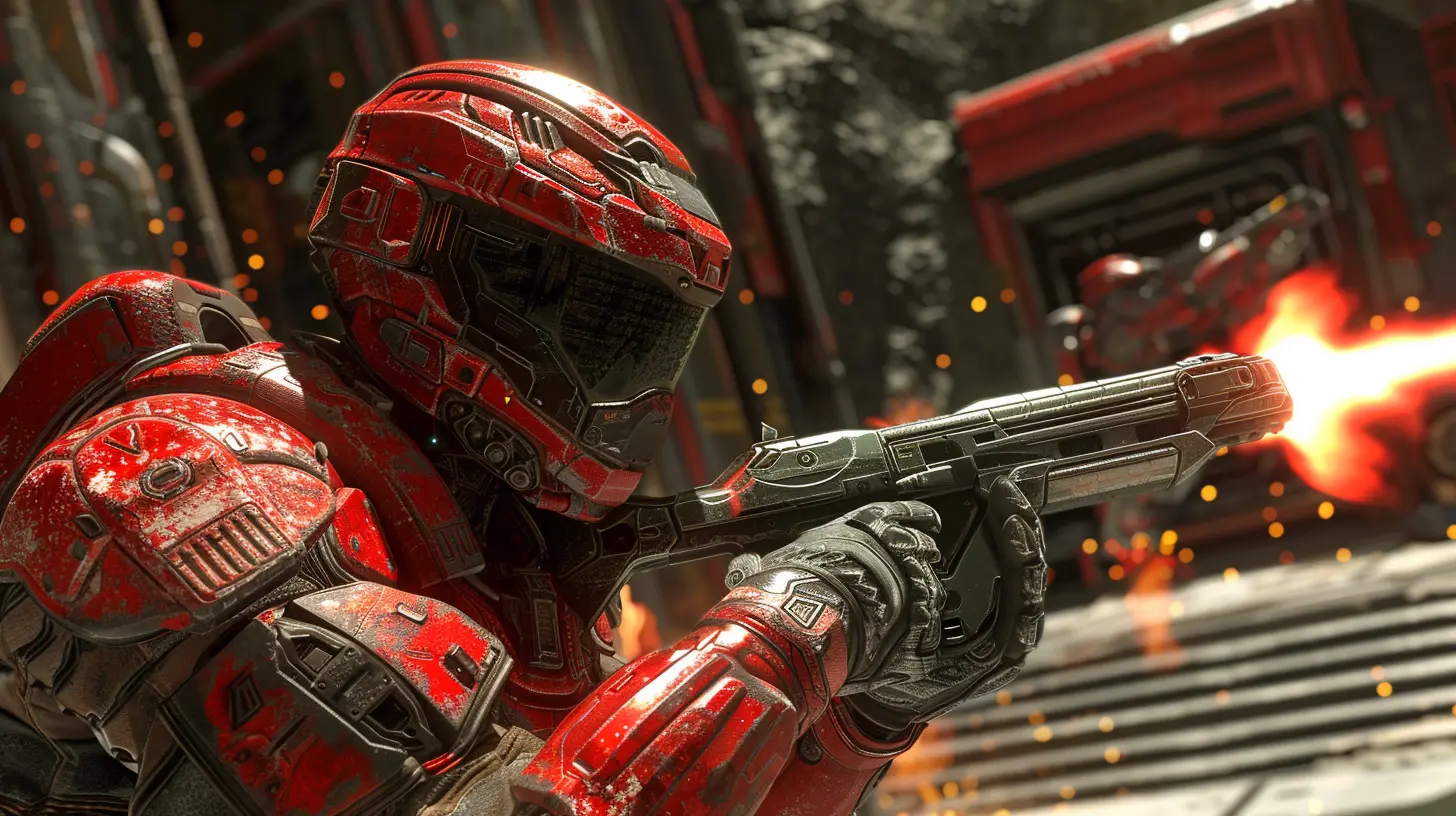
When Cooldowns and Energy Systems Collide
Here’s where things get spicy. Most modern games don’t just use one mechanic — they combine them.Let’s say you’re playing a MOBA. You’ve got a teleport skill. It costs 50 mana and has a 20-second cooldown. That means even if you have enough mana for two uses, you can’t spam it. You’ve got to wait for the cooldown, and make sure you still have the juice to cast it.
This intersection between time-based and resource-based mechanics leads to some seriously juicy gameplay decisions. Do you save your mana for a heal, or use it for a final blow? Do you dodge now and hope your cooldown resets in time, or try to tank it and use your escape later?
Gamers love choices. And this combo creates tons of them.
Strategic Depth and Player Skill
Let’s not sugarcoat it — good cooldown and energy design separate rookies from legends.Why? Because skilled players manage their abilities like a chess master manages pieces. They know when to engage, when to hold back, and when to burst all their resources for a high-stakes payoff.
Good resource management isn’t just about saving your energy — it’s about reading your opponent, tracking their cooldowns, and predicting their next move. Knowing your enemy just used their escape skill? That’s your moment to strike.
Ever watch high-level PvP in games like Apex Legends, WoW Arena, or League? You’ll see players baiting abilities, faking moves, and conserving resources like pros. That’s what separates “just playing” from “outplaying.”
Designing for Fun and Fairness
Let’s flip the script. From a game dev’s point of view, why do cooldowns and energy matter?Balance.
Without them, you'd have overpowered abilities ruling the battlefield. But with them in play, devs can give players god-like moves with just enough limitations to keep it fair.
It’s also about pacing. Games are like songs — they need rhythm. Cooldowns and energy gauges create highs and lows, fast and slow moments. They let you breathe between big plays, and they build anticipation for the next hit.
Ever felt the rush of a cooldown ticking down right as you need it? That’s great design.
Real-World Examples That Nail It
Let’s talk about some games that absolutely crush it with ability management.1. World of Warcraft (WoW)
With layered cooldowns, mana pools, and class-specific mechanics, WoW is a masterclass in ability management. Every class has a different rhythm. It’s a dance — you just have to learn the steps.2. Overwatch
Fast-paced FPS combat with abilities on cooldowns. No energy bars here, but each hero has carefully timed abilities that can change the tide of battle. Knowing when to use your shield or boost is everything.3. League of Legends
Cooldowns, mana usage, energy bars for ninjas like Zed or Akali — every champion has a unique playstyle defined by resource and cooldown systems.4. Dark Souls Series
Stamina-based combat at its most brutal. Every swing, dodge, and block costs stamina. Blow it all in a flurry and you’re a sitting duck. It’s all about timing and restraint.Tips for Managing Abilities Like a Pro
Want to up your game? Here are a few quick tips:1. Know Your Cooldowns: Learn the timing by heart. Train that muscle memory.
2. Pre-plan Your Rotation: Think two or three abilities ahead rather than reacting randomly.
3. Watch the Enemy: Track when they use key skills. That’s your opening!
4. Save Resources for Critical Moments: Don’t just blow everything early — pace yourself.
5. Use Tools: Timers, cooldown trackers, even audio cues can help you stay ahead.
The Future of Ability Management
As games evolve, so do their mechanics. We’re seeing hybrid systems, abilities that adjust their cost or cooldown depending on performance or combos, and even interactive cooldowns that shorten based on player actions.Some games even let you trade energy for a shorter cooldown or vice versa — adding another layer of decision-making.
The future is bright, and the possibilities are endless. But one thing’s for sure — cooldowns and energy meters are here to stay.
Final Thoughts: Respect the Meter
If you’ve ever groaned when your cooldown wasn’t ready or your energy bar was empty — congratulations, you’ve felt the soul of real-time combat. It’s not about making you wait. It’s about making every choice count.Cooldowns and energy systems aren’t just limitations — they’re the foundation of meaningful gameplay. They transform button mashing into a tactical ballet, where timing, precision, and smarts decide who wins.
So the next time you’re in-game and that ultimate is almost off cooldown, smile a little. That small delay? That’s the spark that turns combat into something unforgettable.
all images in this post were generated using AI tools
Category:
Game MechanicsAuthor:

Pascal Jennings
Discussion
rate this article
1 comments
Lily Underwood
Mastering cooldowns and energy meters is like conducting an orchestra—timing is everything. Get the rhythm right, and your combat symphony transforms into a stunning masterpiece of strategic brilliance!
October 27, 2025 at 5:34 PM
Pascal Jennings
Thank you! I love the orchestra analogy—timing truly is key in maximizing our abilities for strategic success in combat.