Balancing Indie Games with Limited Resources
7 April 2026
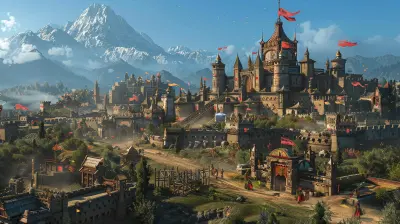
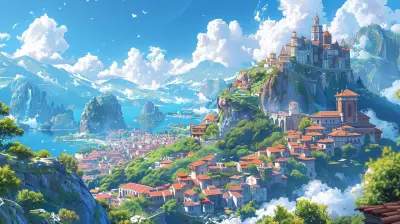
Creating an indie game is no walk in the park—it's more like an uphill sprint with a backpack full of bricks. But here's the thing: it’s also one of the most thrilling adventures you can dive into. Indie developers are the heart and soul of the game dev world, injecting fresh ideas, quirky mechanics, and loads of passion into their projects. Still, when budgets are tight and teams are small (or sometimes just one lone wolf), how do you make your game soar?
Well, let’s roll up our sleeves and talk all about balancing indie games when resources are limited. We’re talking time, money, energy, and even sanity. Ready? Let’s jump in.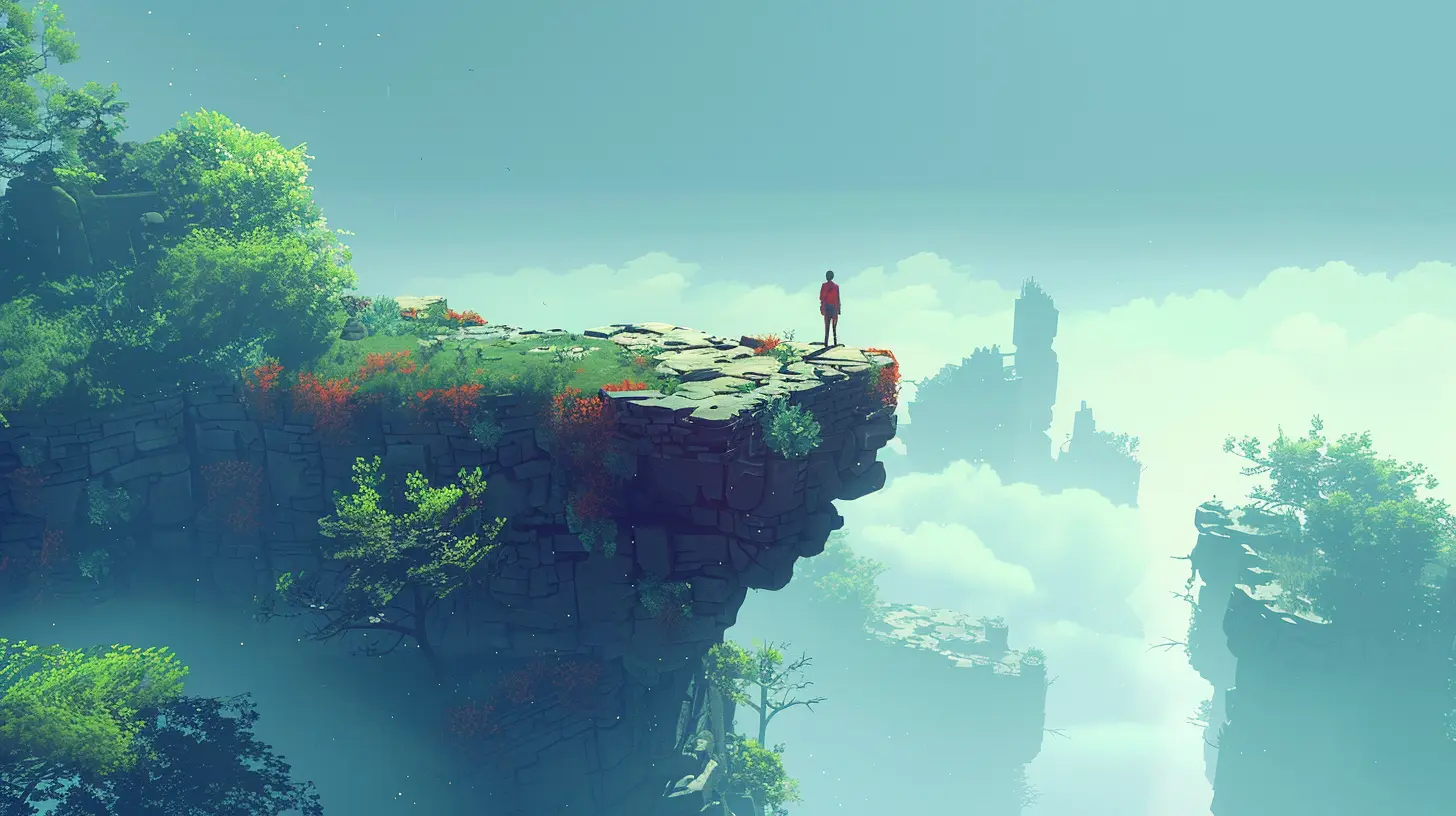
Why Indie Games Rock (Even on a Budget)
Let’s be honest—some of the most beloved games out there didn’t come from AAA juggernauts. Titles like Stardew Valley, Celeste, or Hollow Knight were birthed from tiny teams with even tinier budgets. What makes these games stand out?It’s soul. It’s love. It’s creativity working overtime.
When resources are limited, developers are forced to think outside the box. That’s when innovation shines. Constraints become the mother of invention, and simplicity turns into elegance. You don’t need a million-dollar motion-capture studio—you need heart, clarity, and a smart strategy.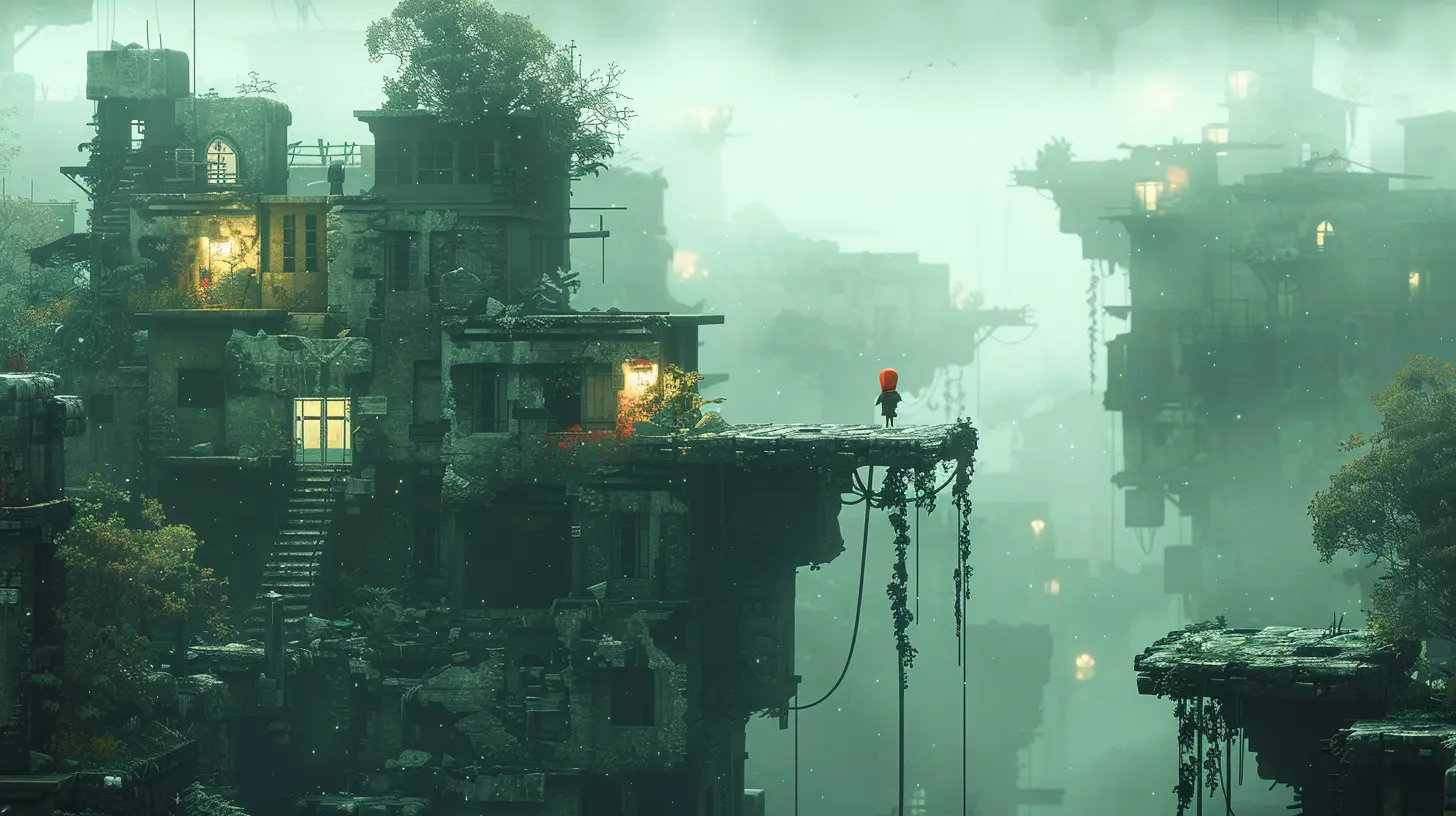
Step 1: Prioritize the Core Experience
Here’s the biggest secret: you don’t need to make a huge game. You need to make a good game.Focus on what makes your game fun. What’s the hook? Is it a unique mechanic? A heartfelt story? A striking art style? Nail the core loop—the thing that keeps players coming back—and polish that part like it’s a diamond.
You’ll be tempted to add loads of features. Resist it. Less is more. Ask yourself:
- Will this feature make the game better or just bigger?
- Can I afford the development time?
- What happens if I don’t include this?
Saying “no” to features might just save your game.
Step 2: Plan Like a Pro (Even If You’re a Newbie)
You don’t need a project manager or complex scrum boards—just a solid plan.Start with a roadmap. Break your game into small, manageable milestones. Whether you're using Trello, Notion, or good old sticky notes, the key is visibility. Know what you're doing each week.
And hey, buffer time is your best buddy. Things will go sideways at some point. Build in some wiggle room so delays don’t wreck your entire timeline.
Here’s a simple tip: if you think something will take a week, give it two. It’s gaming’s version of “measure twice, cut once.”
Step 3: Embrace Scope Creep’s Evil Twin—Scope Control
Scope creep is the sneaky monster under your dev desk. You start with a tiny RPG, and before you know it, you’ve somehow planned a game the size of The Witcher 3.Here’s the fix: create a “nice-to-have” list. Keep your main game design tight, and dump all the extra shiny ideas into that list. If you actually have time and resources left (spoiler alert: you probably won’t), revisit them later.
Be honest with yourself. You’re not cutting corners—you’re cutting fluff.
Step 4: Smart Budgeting for Indie Warriors
When cash is tight, every dollar counts. The goal is to stretch your budget without sacrificing quality.Tips for budgeting effectively:
- Use free or low-cost tools: Game engines like Godot or Unity (with the free tier) pack a punch.
- Open-source assets: Music, art, or even code snippets—just make sure they're licensed properly!
- Pay freelancers smartly: Need an artist or composer? Look for part-time or contract options instead of full hires.
- Track every expense: No mystery charges. Use tools like Google Sheets or Budgeting apps to stay on top.
And remember, sweat equity—your time and effort—is valuable. Just don’t burn out (we’ll get to that later).
Step 5: Use the Right Tools (They’re Game Changers)
Imagine riding into battle with a butter knife. That’s what developing without the proper tools feels like.Here are some life-saving tools for indie devs:
Game Engines:
- Unity: Powerful, flexible, but with a learning curve.- Godot: Lightweight, open-source, perfect for 2D and small 3D projects.
- Unreal Engine: AAA-grade, but maybe overkill unless you’re going big.
Asset Creation:
- Aseprite: Pixel art heaven.- Blender: 3D modeling without blowing your budget.
- Ink: A narrative scripting tool for branching stories, developed by Inkle (who made 80 Days).
Sound and Music:
- BFXR: For retro sound effects.- Audacity: Record and edit sound like a pro.
- FreeSound.org: Community-driven, royalty-free audio library.
Use the right tools, and you’ll go from hobbyist to pro faster than you can say “polish.”
Step 6: Test Early, Test Often
Let’s face it—every Dev thinks their game is great… until someone else plays it.Test your game as soon as possible. Doesn’t have to be fancy. Hand a rough build to a friend. Watch their face. Do they smile? Do they rage-quit?
Feedback is gold. Get it. Use it. Grow from it.
A few tester types to gather:
- Friends and family (they’ll be nice)
- Gamers in your target audience (they’ll be honest)
- Other developers (they’ll give technical feedback)
And don’t just collect feedback—act on it. Tweak, refine, and repeat.
Step 7: Build a Community (Yes, Now!)
You don’t have to wait until release day to talk about your game. In fact, don’t! Start building your audience early.Use platforms like:
- Twitter/X (dev threads are still hot)
- Reddit (especially subreddits like r/IndieDev or r/GameDev)
- Discord (your own channel or join other dev servers)
- TikTok (yes, really—devlog videos are blowing up)
Share your journey. Show behind-the-scenes peeks. Let fans root for your success. They’re not just followers—they're future players.
And spoiler: a strong community = better launch = happier dev life.
Step 8: Know When to Ship It
Perfection is a trap. You could tweak your game forever. But guess what? It’ll never be 100% flawless. And that’s okay.Set a realistic deadline and stick to it. If your game is stable, fun, and polished—even if a few features didn’t make the cut—it’s ready.
Ask yourself:
- Is the core mechanic solid?
- Is it enjoyable from start to finish?
- Am I proud of what I’ve built?
If the answer is yes, hit that launch button and celebrate.
Trust the process. The journey matters just as much as the result.
Step 9: Take Care of Yourself (Seriously)
Game dev isn’t just hard on your wallet—it’s hard on your mind and body, too.Burnout is real. And it doesn’t announce itself with drum rolls—it sneaks in slowly until you can’t look at your code or your art without a sigh.
Here’s how to fight back:
- Take breaks. (You’re not a machine!)
- Sleep well. (All-nighters are overrated.)
- Eat something green. (Caffeine isn’t a meal.)
- Set limits. Work isn’t everything.
Your creativity is a well. Don’t drain it dry. Fill it with rest, fun, and moments of joy.
Wrap-Up: The Indie Spirit
So here we are. Making an indie game with limited resources may feel like a boss battle on hard mode, but you’ve got this. With a focus on the essentials, smart planning, the right tools, and a touch of stubborn optimism, you can create something amazing.Remember, it’s okay to be scrappy. It’s okay to make mistakes. What matters is that you're creating something from the heart. And who knows? Maybe your little passion project will become the next big indie hit.
Now grab your keyboard, take a deep breath, and get back to building your dream. The world’s waiting to play your game.
all images in this post were generated using AI tools
Category:
Game BalancingAuthor:

Pascal Jennings
Discussion
rate this article
2 comments
Kassandra Wood
In the dance of pixels, dreams collide; With hearts and hope, the indie tide. Crafted worlds, resource-bound, yet vast and free.
April 12, 2026 at 4:48 AM
Pascal Jennings
Thanks for capturing the essence of indie games beautifully! Balancing creativity with constraints truly brings out the magic.
Emory Estes
Who needs balance when you have charm?
April 11, 2026 at 4:12 AM
Pascal Jennings
While charm is essential, balance is key to sustainability—especially for indie games with limited resources. Both elements can lead to a successful and memorable experience!