Balancing Games for Both Beginners and Veterans
13 August 2026
Game design is an art. It's a crazy balancing act between challenge and accessibility, mastery and approachability. One of the trickiest things to get right? Balancing games for both beginners and veterans. You’ve got one person learning the controls for the first time, and another who's mastered every combo, route, and trick in the book — and somehow, the game has to keep both of them entertained.
Let’s be real: creating a game that doesn’t alienate newbies but still keeps seasoned players hooked is no small feat. But when done right? It creates something magical—an experience everyone can dive into and love, regardless of skill level.
So, whether you're a gamer curious about design, or a developer crafting something cool, let’s break down how to strike that perfect balance.
Why Is Balancing Important Anyway?
Ever jumped into a game only to feel totally overwhelmed? Or maybe you felt bored because it was just too easy? That’s exactly why good balance matters. When done wrong, new players give up before they even get started, and veterans bounce because they’re not being pushed.The goal is to make sure everyone feels like they’re always learning, always progressing, and most importantly—having fun.
Understanding the Players
Before we talk about fixing things, we need to understand who we’re fixing them for.? Beginners: The Newbies on the Block
Beginner players usually:- Don’t know the controls yet
- May not be familiar with the genre
- Can get frustrated easily
- Need encouragement and smaller wins
These players are at the learning stage. They thrive when the game helps them learn without punishing them too hard.
? Veterans: The Battle-Hardened Pros
Veterans often:- Know the game's mechanics inside out
- Look for deeper strategies, challenges, and mastery
- Get bored if the game feels too easy or repetitive
They're not looking to be babysat. They want systems they can push to their limits.
It’s like inviting a chess grandmaster and someone who’s only played checkers to the same game night—you’ve gotta find a way to make it fun for both.
The Core Strategies: Making It Work
So, how do we make sure both these players are having a good time? Here are some proven strategies game developers use.1. Layered Complexity
This one’s a classic. Think of games like onions—yeah, onions.The surface layer is simple and approachable, great for beginners. But peel back a few layers, and things get deep. The more you invest, the more you discover.
Examples:
- In Super Smash Bros., button mashing kinda works at first. But the more you play, the more you see the importance of spacing, ledge trapping, and timing.
- Minecraft starts with “punch a tree,” but later you’re automating farms with Redstone.
Why it works: New players can enjoy the basics without getting lost. Veterans get depth that keeps them coming back.
2. Adaptive Difficulty & Dynamic Scaling
Ever played a game that just seems to “know” how good you are? That’s adaptive difficulty in action.If a player is struggling, the game subtly eases up—fewer enemies, more health drops. If they’re steamrolling, maybe it throws in a surprise boss or ups the AI’s toughness.
Games that nail this:
- Resident Evil 4 adjusts enemy aggressiveness based on how you’re playing.
- Left 4 Dead uses an “AI director” to manage tension and pace depending on player performance.
Why it works: Keeps the game challenging without being overwhelming—or boring.
3. Difficulty Modes That Actually Matter
Slapping “Easy,” “Normal,” and “Hard” on your start menu isn’t enough. Thoughtfully designed difficulty modes change how you play, not just how much damage you take.Good difficulty modes:
- Introduce new enemy types, not just stronger ones
- Add new objectives or puzzles
- Change resource availability
Examples:
- The Last of Us Part II lets you customize difficulty by category (stealth, combat, resources).
- Celeste’s “Assist Mode” lets players change gravity, slow time, or skip difficult sections—but it’s optional.
Why it works: Beginners get flexibility. Veterans get challenge. No one feels left out.
4. Skill-Based Matchmaking
For multiplayer games, this is huge. No one wants to get stomped in their first online match, right?Skill-based matchmaking groups players by performance (not just rank or time played), so everyone fights people at their level.
Games that use it:
- Call of Duty
- Fortnite
- Rocket League
Why it works: Fair fights = more fun. Beginners learn without being crushed. Veterans face real opponents.
5. Onboarding That Doesn’t Suck
Tutorials matter. And here’s the thing—most stink. Either they’re too long, too boring, or assume players are dumber than they are.A good onboarding system:
- Teaches by doing (not just walls of text)
- Introduces mechanics gradually
- Rewards learning with small wins
Games that get it right:
- Portal teaches everything through level design and experimentation
- Apex Legends lets players practice in a shooting range
Extra tip: Let players skip it. Veterans shouldn’t be forced to play baby levels every time they boot a new save.
6. Optional Challenges & Side Content
Want to crank up the difficulty? Give players the option. Hidden bosses, harder puzzles, speedrun modes—these let pros flex without punishing beginners.Great examples:
- Hollow Knight adds brutal boss fights and hardcore platforming—totally optional.
- Elden Ring has entire tough-as-nails areas some players never even see.
Why it works: The game scales with your ambition. Newbies still win. Hardcore players dig in deeper.
7. Community Tools & Support
Sometimes the best help doesn’t come from the game—it comes from the community. When devs support forums, guides, and modding, they empower players to shape the experience.Perks of community support:
- Beginners find help quickly
- Veterans share strategies, mods, and deeper content
- Creates a shared culture around the game
Pro tip: Build your wiki and Discord early. The more invested your fans get, the longer your game lives.
Don’t Forget the Emotional Side
Games aren’t just systems and mechanics. They’re emotional experiences. Balancing isn’t just about keeping it “fair”—it’s about keeping players feeling good.? Beginners want to feel:
- Like they’re learning and improving- Safe to fail
- Encouraged and rewarded
? Veterans want to feel:
- Challenged and respected- Like their time and skill matter
- Inspired to master more
Think of it like a rollercoaster: beginners need smooth curves. Veterans want loop-de-loops. The ride has to accommodate everyone.
Examples of Games That Do It Well
Alright, let’s shout out a few games that really nail this balance.? The Legend of Zelda: Breath of the Wild
- You can stick to main quests or go hunting Lynels shirtless for bragging rights.- The game doesn’t shove difficulty on you—you set the pace.
? Dark Souls Series
- Brutally tough, but fair. Doesn’t hold your hand, but rewards learning.- Community support makes it more accessible than it looks.
? Mario Kart
- Rubber-banding and balanced item drops help beginners stay in the race.- Veterans still win by mastering drift boosts and shortcuts.
? Overwatch
- Simple to jump into with low-skill characters- Complex enough for deep team strategies and hero mastery
These games don’t dumb things down. They elevate everyone by offering different paths to engagement.
The Secret Sauce: Respect Your Players
At the heart of all this? Respect. Respect for time, skill, and different playstyles.Beginners aren’t stupid. Veterans aren’t invincible. Treat them both as valued players, and you create a space where everyone thrives.
Game design doesn’t need to be a tug-of-war. When done right, balancing for new players and old pros isn’t a compromise—it’s an expansion. You’re not narrowing your game to fit one group—you’re opening it up to many.
Final Thoughts
Balancing games for both beginners and veterans is tricky, yeah—but it’s not impossible. In fact, it’s one of the things that separates a good game from a great one.Whether you’re crafting a platformer, shooter, RPG, or a puzzle-heavy adventure, keep these strategies in mind. Layer your content. Respect diverse skill levels. Empower your players.
Because at the end of the day, the best games are the ones where everyone, from noob to god-tier, can pick up the controller and say, “That was awesome.
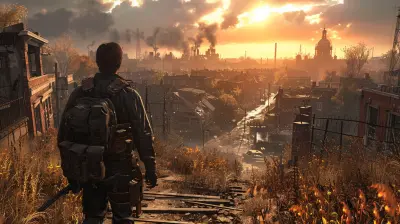
all images in this post were generated using AI tools
Category:
Game BalancingAuthor:

Pascal Jennings